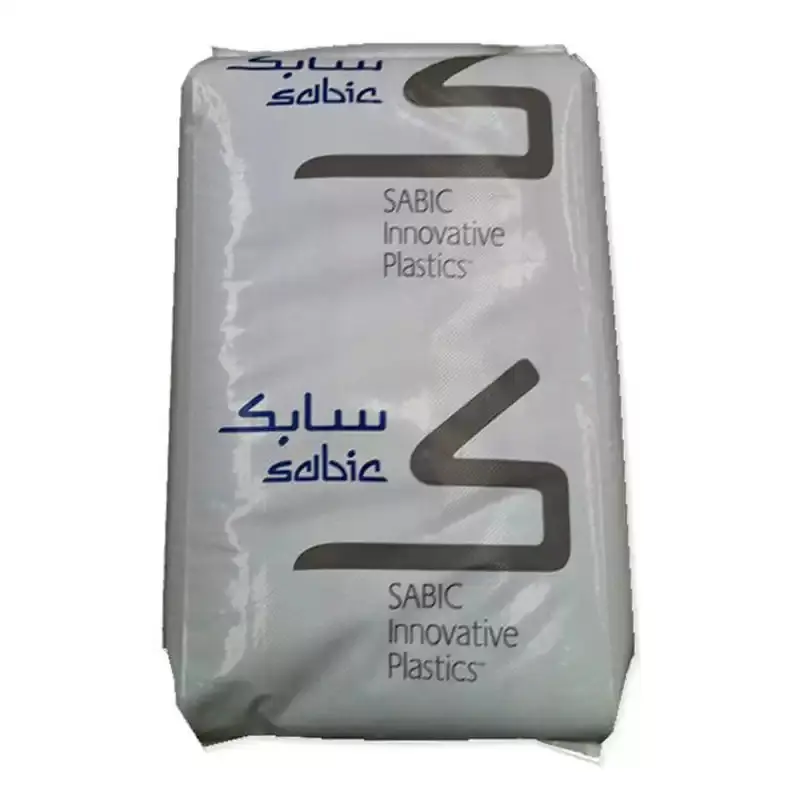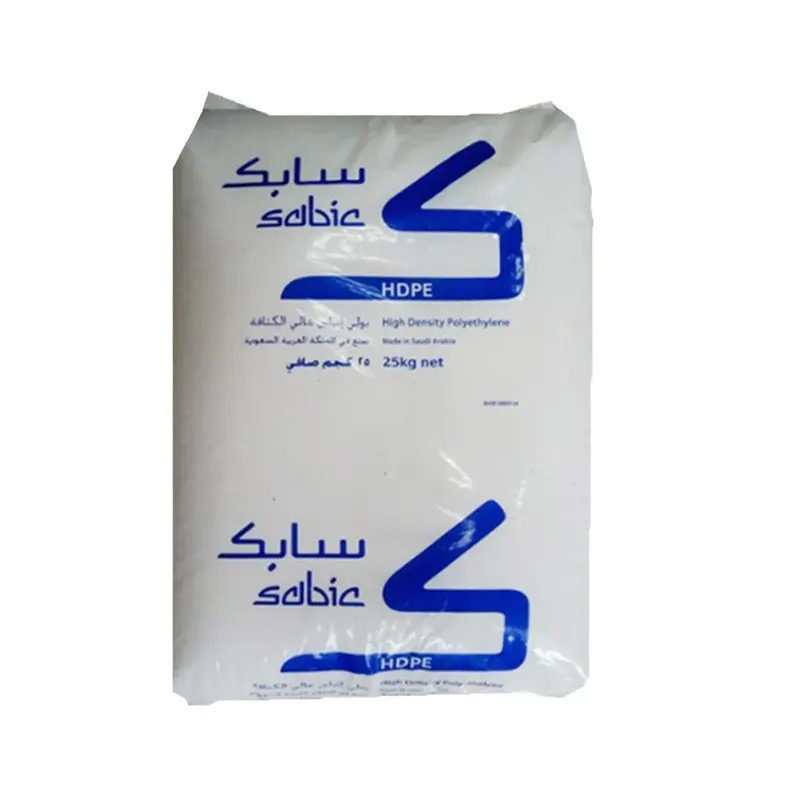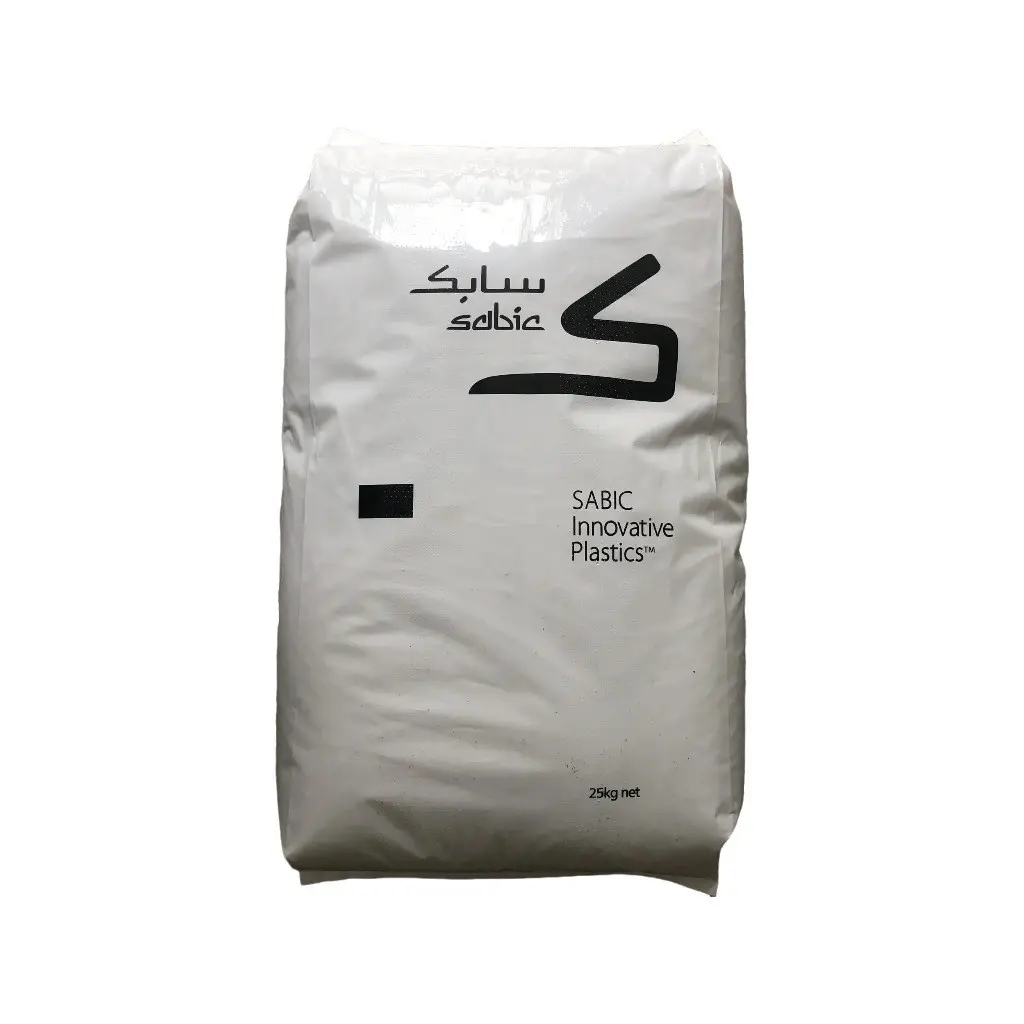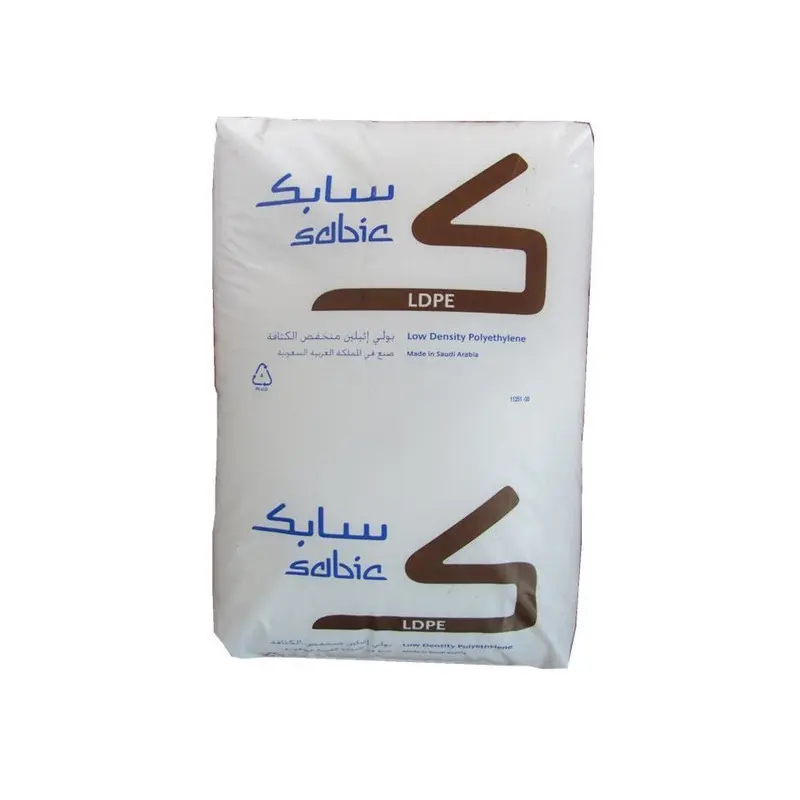
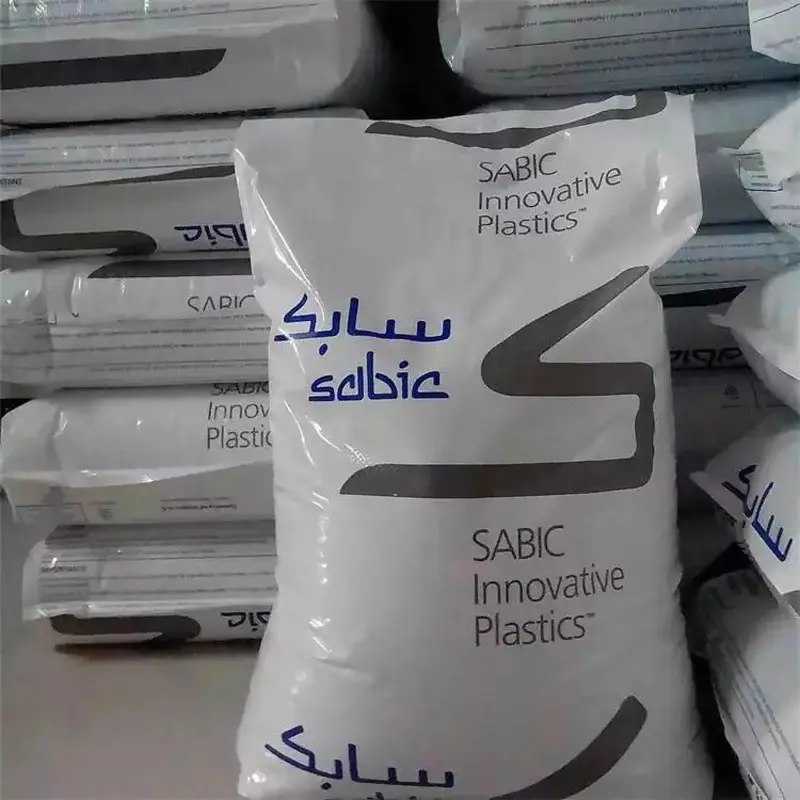
SABIC LDPE HP4023W is a general-purpose blown film resin with an MFR of 4.0 g/10min, featuring pre-formulated slip and antiblock additives for high-clarity light packaging films.
| Manufacturer | SABIC |
|---|---|
| Density | 0.923 g/cm³ |
| MFR | 4.0 g/10min |
| Tensile Strength at Yield | 7 MPa |
| Elongation at Break | 270 % |
Note: See the product description for additional technical specifications
Manufacturer: SABIC (Saudi Basic Industries Corporation)
Category: Low-Density Polyethylene (LDPE), Blown Film Grade
Appearance: Natural pellets, translucent to milky white, odorless
Processing Method: Blown film extrusion
SABIC is one of the world’s leading polyethylene producers, with an LDPE portfolio spanning general-purpose packaging films to heavy-duty industrial packaging. HP4023W is a general-purpose blown film grade within this lineup: unfilled and uncolored, pre-formulated with slip and antiblock additives at the factory. It allows direct bag converting after film winding without requiring secondary compounding.
This grade is positioned as a daily packaging film material balancing clarity and processing stability. Its density of 0.923 g/cm³ falls within the standard LDPE range, imparting a soft tactile feel and dependable heat sealability to the film; with a haze of 7% and a 45° gloss of 75%, it demonstrates superior optical performance among comparable general-purpose film resins. Rather than pursuing extreme strength or stiffness, it strikes a balance among bubble stability during blowing, film appearance, and mechanical performance, making it well-suited for high-volume, continuous packaging film production.
| Property | Value | Unit | Test Method |
| Density | 0.923 | g/cm³ | ASTM D1505 |
| Test Film Thickness | 30 | µm | — |
| Melt Flow Rate (190°C / 2.16 kg) | 4 | g/10min | ASTM D1238 |
| Property | Value | Unit | Test Method |
| Tensile Strength, Yield, MD | 7 | MPa | ASTM D882 |
| Tensile Strength, Yield, TD | 7 | MPa | ASTM D882 |
| Tensile Strength, Break, MD | 18 | MPa | ASTM D882 |
| Tensile Strength, Break, TD | 15 | MPa | ASTM D882 |
| Tensile Elongation at Break, MD | 270 | % | ASTM D882 |
| Tensile Elongation at Break, TD | 540 | % | ASTM D882 |
| 1% Secant Modulus, MD | 60 | MPa | ASTM D882 |
| 1% Secant Modulus, TD | 170 | MPa | ASTM D882 |
| Elmendorf Tear Strength, MD | 150 | g | ASTM D1922 |
| Elmendorf Tear Strength, MD | 5 | g/µm | ASTM D1922 |
| Elmendorf Tear Strength, TD | 120 | g | ASTM D1922 |
| Elmendorf Tear Strength, TD | 4 | g/µm | ASTM D1922 |
| Dart Drop Impact Strength | 60 | g | ASTM D1709 |
| Dart Drop Impact Strength | 2 | g/µm | ASTM D1709 |
| Property | Value | Unit | Test Method |
| Vicat Softening Temperature | 91 | °C | ASTM D1525 |
| Haze | 7 | % | ASTM D1003 |
| Gloss (45°) | 75 | % | ASTM D2457 |
The technical data sheet (TDS) of SABIC® HP4023W LDPE material from SABIC corporation, if there are differences, please refer to the official website of SABIC.
Melt Flow Rate 4.0 g/10min (190°C / 2.16 kg) — Excellent Melt Flowability, Energy-Efficient and Highly Productive. Measured under standard load, this figure represents a high-flow blown film grade. It exhibits low back pressure and reduced energy consumption during extrusion, offering excellent mold filling and discharge speeds on thin-gauge and high-speed blown film lines. Gauge tolerance is easily controlled, making it suitable for extended continuous runs.
7% Haze, 75% Gloss (45°) — High Transparency and Excellent Shelf Display. For retail packaging like laundry bags and produce bags where item visibility is essential, low haze directly dictates product aesthetics without needing extra film thickness to compensate for transparency.
Pre-formulated with Slip and Antiblock Agents — Smooth Bag-Making, Reduced Downtime. Films resist blocking after winding, ensuring smooth feeding on bag-making machines. This eliminates self-addition of additives or re-pelletizing, avoiding localized opening defects caused by uneven additive dispersion.
Vicat Softening Temperature 91°C — Broad Heat-Sealing Window, Consistent Seal Strength. A higher softening point provides wider process latitude for sealing bar temperatures, preventing issues with over-melting or unsealed joints during high-speed bag converting.
Direct Food Contact Compliance — Saves Grade-Switching Hassles. SABIC officially states that this grade is suitable for food contact applications, with certificates available upon request from the manufacturer. No separate resin selection is needed for fresh produce bags and food packaging films.
Laundry & Dry Cleaning Bags. These bags require a clear film surface to view garments clearly, combined with adequate toughness to withstand pulling during packing and transport. HP4023W’s low haze paired with a 540% transverse elongation at break satisfies both demands via monolayer film blowing.
Textile & Garment Packaging Films. Inner packaging for garment and home textile factories requires high transparency and excellent opening performance to facilitate automatic or semi-automatic bagging. Factory-added slip and antiblock additives prevent film blocking on high-speed packaging lines.
Produce & Agricultural Bags. Supermarket roll bags and pre-packaged fruit/vegetable bags demand high transparency, robust heat-seal strength, and food contact compliance. This grade is officially rated for food contact, making it ideal for such uses.
Ziplock Bags. The zipper section of ziplock bags requires a certain level of stiffness and dimensional stability. The variance between 1% secant modulus in MD (60 MPa) and TD (170 MPa) should be aligned orientation-wise during converting; higher transverse stiffness facilitates zipper profile molding.
General Packaging Films & Lamination Substrates. Suitable as a monolayer film or a layer in laminated structures for light packaging scenarios requiring clarity and processing stability without demanding extreme strength. Can be blended with LLDPE if higher puncture and tensile strength are required.
Q1: What are the processing characteristics of a 4.0 g/10min (2.16 kg) Melt Flow Rate in blown film processing?
An MFR of 4.0 g/10min represents a high-flow level among LDPE blown film grades. This translates to low melt resistance and minimal energy consumption during extrusion, making it particularly well-suited for high-speed extrusion blowing of medium-to-thin gauge films. In practical processing, it is recommended to maintain a blow-up ratio (BUR) of 2.0–3.0 and optimize air ring cooling to ensure bubble stability of the high-flow melt upon exiting the die.
Q2: Is pre-drying required before processing? How should blowing temperatures be set?
LDPE is non-hygroscopic and does not require drying under standard packaging and storage conditions, unlike moisture-sensitive resins such as PA or PC. Typical processing conditions recommended by SABIC specify a melt temperature of 160–175°C and a blow-up ratio (BUR) of 2–3. Actual settings should be adjusted according to screw design, die gap, and film thickness. Regarding storage, keep away from direct sunlight and heat sources, maintain a dry environment preferably below 50°C, and use within 6 months of delivery. Improper storage may cause discoloration, odor, or property degradation.
Q3: Can this material be used for food contact articles?
Yes. SABIC officially confirms that HP4023W is suitable for food contact applications. Detailed information can be found in the Material Safety Data Sheet (MSDS), and specific regulatory certificates can be requested from the manufacturer or authorized representatives. Note that food contact compliance applies to specific grades and end-use conditions; buyers should request compliance declarations relevant to their target market rather than relying on generic material class certificates.
Q4: How should one choose between LDPE and LLDPE?
The two are frequently compared due to differences in molecular chain structure. LDPE features long-chain branching, providing high melt strength, bubble stability, and superior optical performance—ideal for light packaging films requiring clarity and heat sealability. LLDPE features a linear structure with higher puncture resistance, tear strength, and tensile strength, making it suitable for heavy-duty bags, stretch films, and applications bearing high mechanical stress. In production, the two are often blended in proportional ratios using LDPE for processing stability and gloss, and LLDPE for structural reinforcement.
Further reading: HDPE, LDPE, and LLDPE: A Comprehensive Guide to the Differences and Applications of the Three Main Polyethylenes — a side-by-side comparison of molecular branching, mechanical performance, and grade selection criteria.
Submit your inquiry today and receive a professional competitive price tailored to your project requirements.