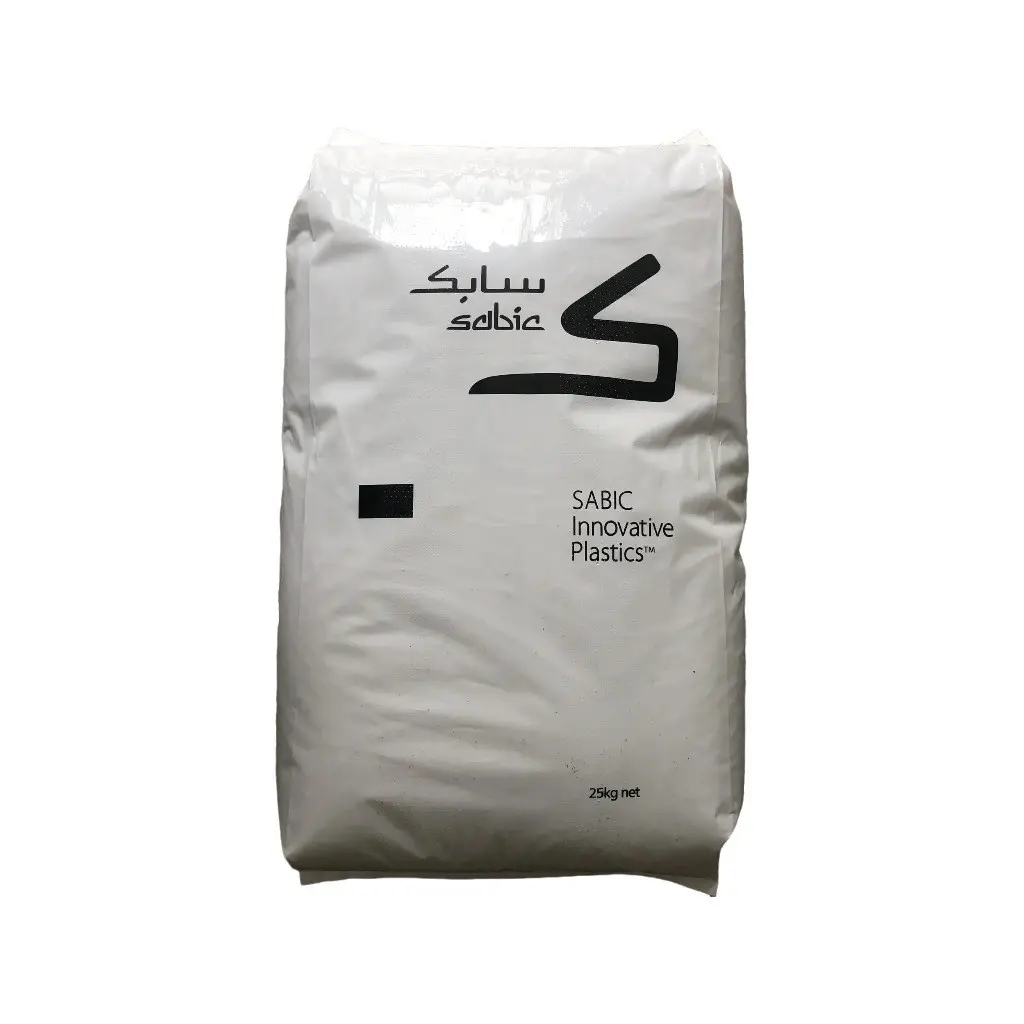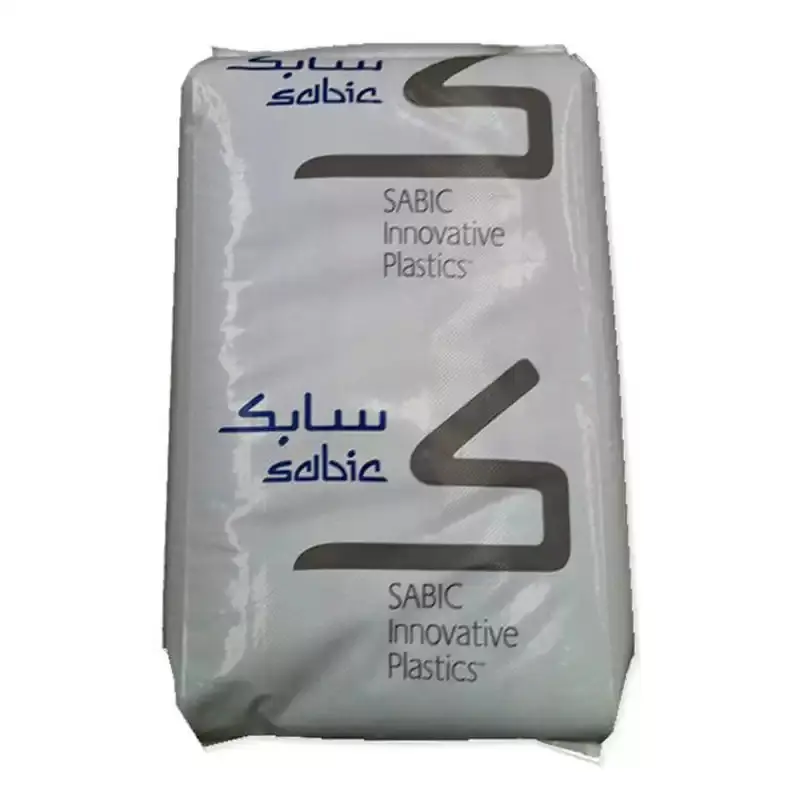
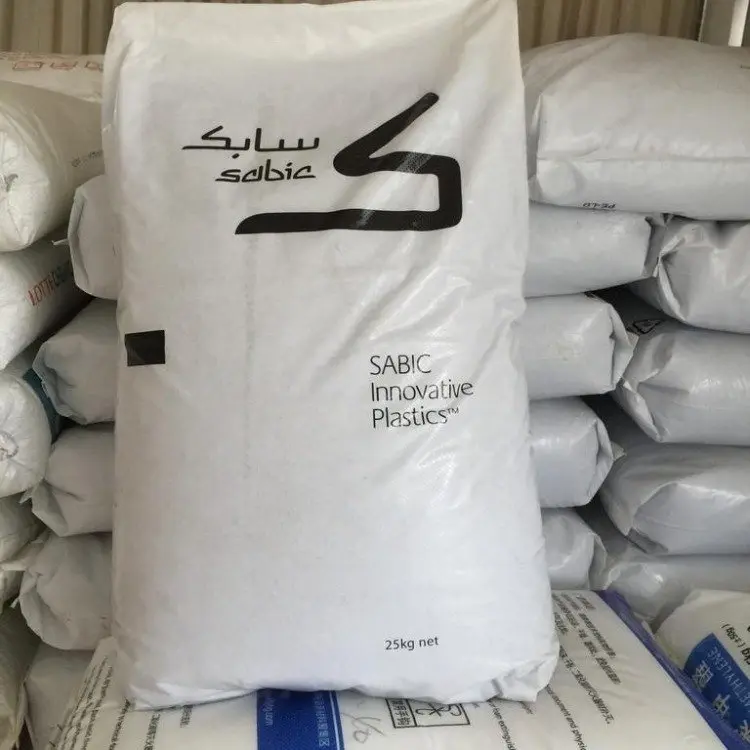
SABIC LEXAN 940A PC is an amorphous, transparent injection molding grade featuring UL 94 V-0 flame retardancy (at 3mm), high impact toughness, and 85% light transmittance. Ideal for electrical enclosures and structural parts.
| Manufacturer | SABIC |
|---|---|
| Density | 1.21 g/cm³ |
| MFR | 10 g/10min |
| Tensile Strength at Break | 55 MPa |
| Tensile Strength at Yield | 62 MPa |
Note: See the product description for additional technical specifications
Manufacturer: SABIC (Holder of the LEXAN™ brand)
Category: PC (Polycarbonate), amorphous transparent engineering plastic, injection molding flame-retardant grade
Appearance: Transparent/natural pellets, high light transmittance, low haze, glass-like texture after molding
LEXAN™ 940A is a mature and stable flame-retardant transparent injection molding grade within SABIC’s LEXAN™ PC family. It establishes a clear technical benchmark among amorphous engineering plastics through its combination of high impact toughness, high light transmittance, long-term heat resistance, and complete flame-retardant certifications. This grade achieves a UL 94 V-0 rating at a 3 mm thickness and V-2 at 1.5 mm, with an oxygen index of 35%, balancing safety compliance with optical clarity. It is one of the standard baseline materials for transparent flame-retardant structural components.
In the fields of electrical appliances, lighting, home appliances, and industrial transparent parts, 940A has long been utilized for applications requiring “clear visibility + shatter resistance + flame retardancy compliance.” For engineers, its value lies in SABIC’s complete original data system, traceable long-term use temperatures (RTI electrical/tensile 130°C, impact 120°C), and strong batch-to-batch stability, which facilitates material approval and UL certification filing for OEMs.
| Property | Value / Unit | Test Standard |
| Density | 1.21 g/cm³ | ASTM D792 |
| Water Absorption, 24 h | 0.15 % | ASTM D570 |
| Equilibrium Moisture Absorption, 24 h | 0.35 % | ASTM D570 |
| Water Absorption (100 ℃, 24 h) | 0.58 % | ASTM D570 |
| Mold Shrinkage, Parallel, 3.2 mm | 0.5-0.7 % | — |
| Melt Mass-Flow Rate (MFR) (1.2 kg, 300 ℃, Condition E) | 10 g/10min | ASTM D1238 |
| Rockwell Hardness, M | 70 | ASTM D785 |
| Rockwell Hardness, R | 118 | ASTM D785 |
| Property | Value / Unit | Test Standard |
| Tensile Strength, Break | 55 MPa | ASTM D638 |
| Tensile Strength, Yield | 62 MPa | ASTM D638 |
| Tensile Strain, Break | 90 % | ASTM D638 |
| Tensile Strain, Yield | 7 % | ASTM D638 |
| Flexural Strength, Yield | 91 MPa | ASTM D790 |
| Flexural Modulus | 2240 MPa | ASTM D790 |
| Izod Impact Strength, Notched (23 ℃) | 640 J/m | ASTM D256 |
| Izod Impact Strength, Unnotched (23 ℃, 80×10×3 mm) | 3204 J/m | ASTM D4812 |
| Tensile Impact Strength | 525 kJ/m² | ASTM D1822S |
| Instrumented Impact Total Energy | 169 J | ASTM D3029 |
| Taber Abrasion Resistance (1000 Cycles, H-18 wheel) | 10 mg | ASTM D1044 |
| Property | Value / Unit | Test Standard |
| Coefficient of Linear Thermal Expansion (CLTE), Parallel (-40 – 95 ℃) | 68.4 μm/m-℃ | ASTM E831 |
| Thermal Conductivity | 0.19 W/m-K | ASTM C177 |
| Deflection Temperature Under Load (6.4 mm, 0.46 MPa) | 137 ℃ | ASTM D648 |
| Deflection Temperature Under Load (6.4 mm, 1.8 MPa) | 132 ℃ | ASTM D648 |
| Vicat Softening Temperature | 151 ℃ | ASTM D1525 |
| Relative Thermal Index (RTI), Electrical | 130 ℃ | UL 746B |
| Relative Thermal Index (RTI), Impact | 120 ℃ | UL 746B |
| Relative Thermal Index (RTI), Strength | 130 ℃ | UL 746B |
| Flammability Rating (1.5 mm) | V-2 | UL 94 |
| Flammability Rating (3 mm) | V-0 | UL 94 |
| Oxygen Index | 35 % | ISO 4589 |
| Hot Wire Ignition (HWI) | 30-60 sec | UL 746A |
| Property | Value / Unit | Test Standard |
| Volume Resistivity | ≥ 1.00e+17 ohms-cm | ASTM D257 |
| Dielectric Constant (1.0e+6 Hz) | 2.96 | ASTM D150 |
| Dielectric Constant (50 – 60 Hz) | 3.01 | ASTM D150 |
| Dielectric Strength (3.2 mm) | 16.7 kV/mm | ASTM D149 |
| Dissipation Factor (50 – 60 Hz) | 0.0009 | ASTM D150 |
| Dissipation Factor (1.0e+6 Hz) | 0.01 | ASTM D150 |
| High-Voltage Arc Resistance to Tracking (D48/50) | 0.00-60 sec | ASTM D495 |
| Comparative Tracking Index (CTI) | 250-400 V | UL 746A |
| High Current Arc Ignition (HCAI) | 15-30 arcs | UL 746A |
| High Voltage Arc Tracking Rate (HVTR) | 80.0-150 mm/min | UL 746A |
| Property | Value / Unit | Test Standard |
| Refractive Index | 1.586 | ASTM D542 |
| Haze (2.54 mm) | 1 % | ASTM D1003 |
| Luminous Transmittance | 85 % | ASTM D1003 |
The technical data sheet (TDS) of LEXAN™ 940A PC material from SABIC corporation, if there are differences, please refer to the official website of SABIC.
Dual Compliance in Transparency & Flame Retardancy: 85% light transmittance and only 1% haze, combined with a UL 94 V-0 rating at 3 mm and an oxygen index of 35%, eliminating the need to sacrifice transparency for flame retardancy.
High Impact Toughness: Notched Izod impact strength of 640 J/m and unnotched impact strength of 3204 J/m; drop and collision resistance at low and room temperatures outperform PMMA and transparent ABS.
Long-term Heat Resistance & Traceable RTI: HDT at 1.8 MPa of 132°C, Vicat softening point of 151°C, and RTI electrical/tensile of 130°C and impact of 120°C, facilitating long-term heat resistance reporting for complete units under UL 746B.
Superior Electrical Insulation: Volume resistivity ≥10¹⁷ Ω·cm, dielectric strength of 16.7 kV/mm, and CTI of 250–400V, making it suitable for live-line working environments such as transparent covers for circuit breakers, switches, and charging piles.
Stable Processing Fluidity: MFR of 10 g/10min (300°C/1.2kg), adaptable to thin-wall injection molding and multi-cavity molds with high molding yield and excellent surface gloss.
Electrical & New Energy: Circuit breaker transparent covers, relay housings, electricity meter windows, charging pile indicator windows, and battery module transparent protective sheets — relying on flame retardant V-0 + high insulation + heat resistance.
Home Appliances & Commercial Equipment: Transparent water tank covers for coffee machines/water dispensers, oven control panel windows, printer transparent doors, and commercial freezer light shields.
Automotive & Transportation: Interior reading lamp lenses, instrument transparent windows, button faceplates, and small transparent structural parts outside the engine compartment.
Industrial & Security: Equipment observation windows, protective face shields (non-bulletproof grade), warning light covers, and testing instrument transparent housings.
Consumer Electronics: Adapter transparent housings, router indicator windows, and small appliance visual components.
Selection Boundaries: 940A is a transparent flame-retardant PC and is not suitable for long-term immersion in strong chemical solvents (such as gasoline or strong alkalis). For long-term outdoor weathering, it is recommended to confirm the original UV-resistant version or apply a coating treatment. Food contact/medical applications require separate original compliance declarations and should not default to compliance based solely on transparent PC status.
Q1: Is drying mandatory before injection molding LEXAN™ 940A? What is the recommended process?
A1: Yes, it is mandatory. The ester bonds of PC are moisture-sensitive; failure to dry thoroughly leads to silver streaks, bubbles, molecular weight degradation, and impact attenuation. Dehumidifying hot air drying at 120°C for 4 hours (or 110°C for 6 hours) is recommended, with a dew point ≤ -40°C and a target moisture content <0.02%. After drying, transfer the material with sealed insulation, and avoid prolonged residence times in the barrel (>30 min warrants purging or idling at a lower temperature).
Q2: How to choose between 940A and PMMA (such as Plexiglas 8N)?
A2:
Choose 940A (PC) if you need high impact resistance + UL 94 V-0 flame retardancy + live electrical operational environments;
Choose PMMA if you prioritize ultimate optical purity + outdoor anti-yellowing performance + better cost-efficiency;
940A has clear advantages in impact resistance and heat resistance, but its light transmittance (85%) is slightly lower than that of PMMA (92%), and its unit price is higher. Decision-making should be based on whether the end application prioritizes “safety” or “optical purity.”
Q3: How to verify RoHS, REACH, and UL Yellow Cards?
A3: TDS, MSDS/SDS, and COA can be provided with each shipment. RoHS and REACH SVHC compliance are subject to manufacturer declarations and third-party reports. UL 94 V-0 (3mm) / V-2 (1.5mm) verification requires checking four matching elements: grade name, color, thickness, and UL file number (Yellow Card); substitute compliance should not rely solely on the trade name. Referencing SABIC’s original Yellow Card directly is the most reliable approach for OEM compliance reporting.
Q4: Packaging and Delivery Terms?
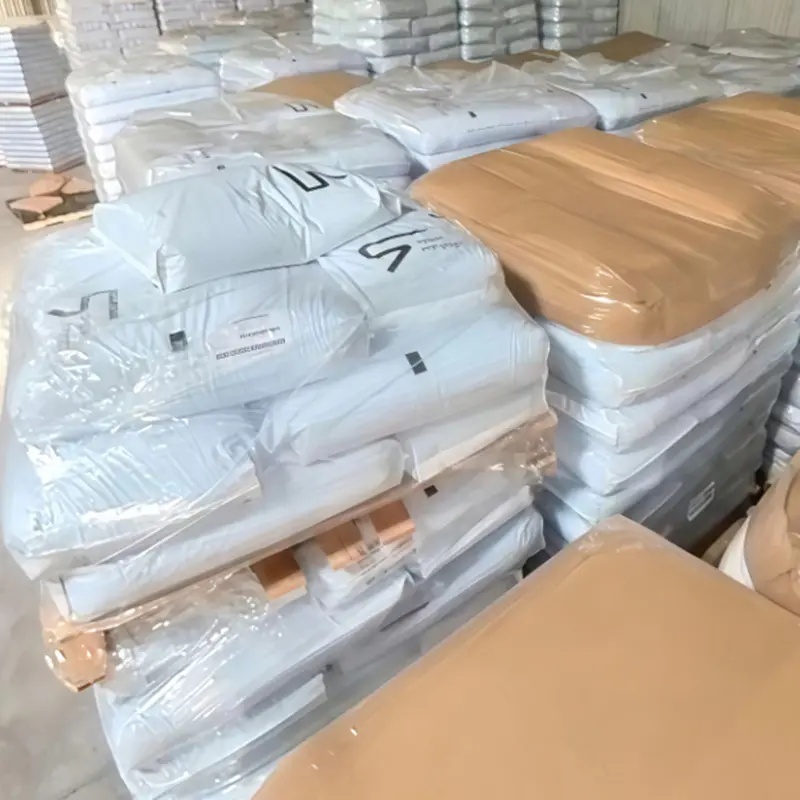
A4: Standard 25kg moisture-proof composite bags (ton bags available in certain regions). Classified as non-dangerous goods (Non-DG), supporting Full Container Load (FCL) and Less than Container Load (LCL). Trade terms include FOB Chinese ports / CIF / CFR, with payment via T/T or irrevocable L/C at sight. It is recommended to request samples for preliminary drying and injection trials to lock in melt temperature, mold temperature, and moisture content before scaling up production.
Submit your inquiry today and receive a professional competitive price tailored to your project requirements.