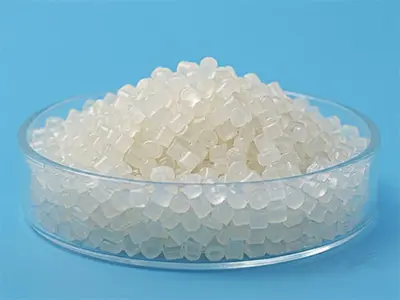
Polyethylene terephthalate, abbreviated PET, is the raw material behind water bottles, fresh-food trays and the polyester in clothing. Most PET produced worldwide ends up as fiber; bottles come second.
Polypropylene (PP) is a lightweight, chemical-resistant polymer (density 0.90–0.91 g/cm³) with a 160–170 °C melting point, available in PP-H, PP-R, and PP-C grades for food packaging, medical, and automotive parts.
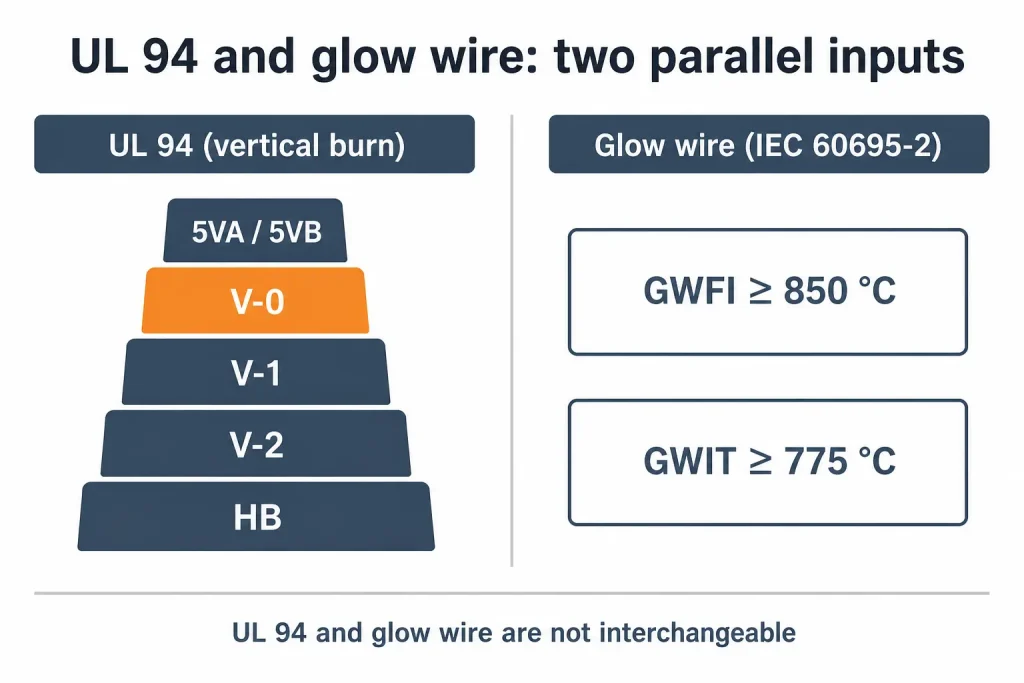
UL 94 and glow-wire ratings explained: how V-0, 5VA, GWIT and GWFI differ, what flame retardants cost in performance, and how to select FR grades for electrical parts.
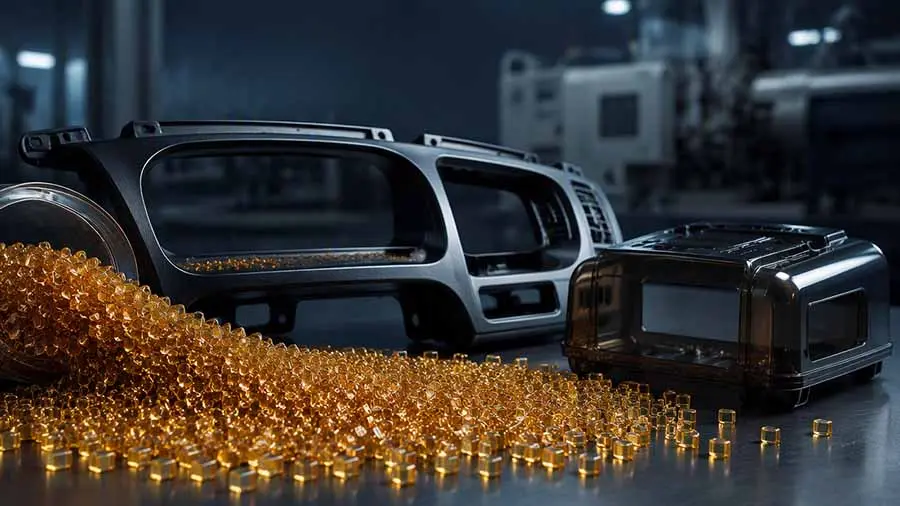
PC/ABS is an alloy of polycarbonate (PC) and ABS (acrylonitrile butadiene styrene) that combines the high strength and heat resistance of PC with the easy processing and lower cost of ABS — making it one of the preferred engineering thermoplastics for automotive interiors, electronics housings, home appliances, and EV components.
The melting point of LLDPE typically ranges from 120°C to 130°C, and the standard processing temperature is generally set between 180°C and 260°C, with specific parameters adjusted according to different process requirements such as film blowing, extrusion, and injection molding.