PC buyers in 2026 face a market shaped by three forces: ample general-purpose supply from continued capacity expansion, a cost floor set by bisphenol A (BPA) feedstock, and a demand side that increasingly rewards differentiation — optical, medical and flame-retardant grades hold value while commodity PC competes on price. The result is a market where the headline level moves with feedstock but the real buying opportunity sits in grade selection.
What Is Driving PC Prices in 2026?
Three layers determine where PC prices go in any quarter: feedstock costs set the floor, supply-demand balance sets the trend, and grade/application structure sets the spread between commodity and specialty grades. None of the three is static in 2026, which is why buyers should read the market monthly rather than assume one direction for the year.
Cost Side: Bisphenol A (BPA) Sets the Floor
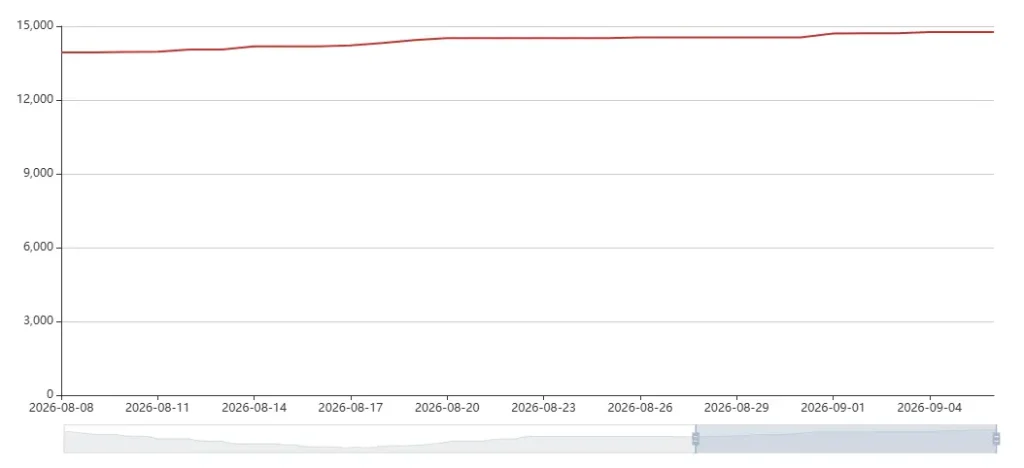
Polycarbonate is produced from BPA, which typically accounts for a major share — commonly cited around 60% — of total production cost. BPA itself follows phenol and acetone, which track the refining and petrochemical cycle. When feedstock rises, PC production costs move up almost immediately at the margin; when feedstock falls, the price relief reaches buyers only after inventory adjustment. Published BPA quotes on mainstream commodity data platforms therefore serve as the earliest leading indicator for PC price direction.
Supply Side: Capacity Expansion Reshapes the Market
China’s polycarbonate capacity has expanded significantly over recent years, and further capacity continues to come on stream. Higher self-sufficiency has shifted the market structure: commodity-grade competition is intense, operating rates respond to margins, and Chinese-made supply increasingly competes with imported material on price rather than on availability. The premium has moved to grades that new capacity cannot easily produce — high-purity optical grades, medical grades and complex flame-retardant systems. Tracking announced new-capacity start-ups is therefore a better supply-side signal for buyers than headline capacity totals.
Demand Side: Where Growth Still Comes From
Demand is no longer a single curve. Growth concentrates in: electrical and electronics — charging infrastructure, energy storage, connectors and relay housings; automotive — panoramic sunroof frames, headlamp lenses, sensor covers; medical and optical transparent parts; and premium appliance applications. General-purpose PC demand is mature and price-sensitive; specialty PC demand grows with application complexity. For transparent electronic and lighting parts, grade selection matters as much as price — see our Makrolon 2805 guide and the PC 2350 vs. PC 2805 comparison for how two seemingly similar grades differ in practice.
Regional Landscape: China vs. Southeast Asia vs. Europe & the Americas
China is both the largest demand base and the fastest-growing supply region, which makes it the global price reference for commodity PC. Southeast Asian markets import increasingly from China, and regional prices there track Chinese offers plus freight and duty. Europe and the Americas carry higher structural costs — logistics, trade measures and smaller-scale domestic production — so import parity usually leaves a spread over Asian prices.
Trade & Policy Factors
Trade measures continue to shape trade flows for Chinese-origin polycarbonate in several regions, and freight-rate swings add volatility to landed costs. Exchange-rate movements affect competitiveness between Chinese and non-Chinese producers, while compliance schemes such as REACH and RoHS influence grade pricing for regulated end-markets. Because the status of trade measures changes, buyers should verify the applicable measures for their destination market before committing to long-term regional sourcing.
Outlook for Late 2026 & Sourcing Strategy
Three scenarios frame late-2026: a base case of range-bound, mildly soft commodity prices with feedstock providing direction; an upside case if BPA tightens sharply or supply disruptions occur; and a downside case of weaker-than-expected demand meeting new capacity. Because the spread between commodity and specialty grades matters more than the headline price, sourcing strategy should be grade-based:
Commodity PC — compare Chinese and imported offers closely; multi-source to avoid single-supplier swings; use short-term contracts indexed to feedstock.
FR / specialty PC — prioritize validated TDS and batch consistency; price premiums are justified by certification and process stability.
Optical / medical grades — plan longer lead times and qualified-supplier lists; do not substitute on price alone.
For current offers and technical matching across our PC resin range, contact our technical sales team — and for the alloy side of the story, our 2026 ABS market analysis covers the other half of PC/ABS costing.
FAQ
Q1: Why is PC cheaper or more expensive than before?
A1: Three levers — BPA feedstock costs, supply-demand balance from capacity expansion, and grade structure. Compare quarter by quarter rather than year over year.
Q2: What is the current PC price range?
A2: Ranges differ by grade (commodity, FR, optical, medical), by region and by volume — no single published number is representative. Request current transaction-based offers instead; our technical sales team responds within 12 hours with grade-specific pricing.
Q3: When is the best time to lock PC prices?
A3: When feedstock direction is clear and inventory in your supply chain is low; index-based short-term contracts reduce timing risk versus a single annual negotiation.
Q4: Why do optical/medical grades cost more than commodity PC?
A4: Purity control, tighter specification windows, qualified production lines and certification raise cost and reduce yield — the premium reflects process capability, not branding.