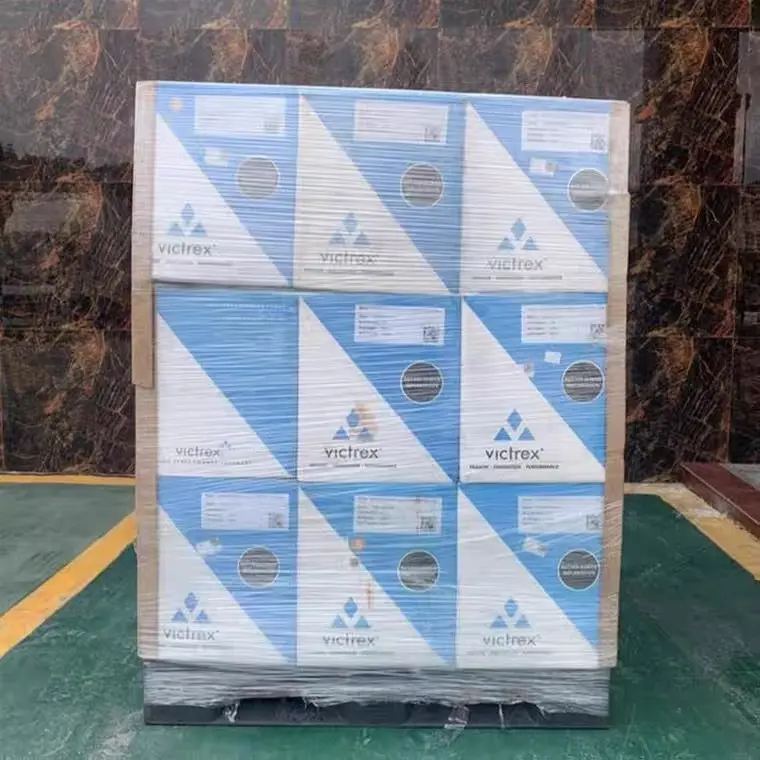
Master VICTREX PEEK 450G with this expert technical guide covering its properties, processing guidelines, metal replacement benefits, and key industrial applications for high-performance manufacturing.
This technical guide analyzes the recyclability of PVC, detailing mechanical and chemical recycling methods, core limiting factors such as additive complexity and thermal sensitivity, and industrial material selection advice.
Comprehensive guide to GPPS plastic covering material characteristics, primary industrial packaging and lighting uses, technical limitations with alternatives, and global buyer procurement strategies.
Struggling to choose between PC 2350 and PC 2805 for electronic housings? We compare their structural rigidity and flow properties to help you select the right polycarbonate grade for thin-wall precision parts or robust enclosures.
SEBS is a safe, non-toxic thermoplastic elastomer. With a stable structure free of harmful plasticizers, it meets global RoHS, REACH, and FDA standards, ideal for medical and food-grade use.
What is PMMA material? Read this comprehensive guide to learn about acrylic plastic, its key properties, widespread applications, and how it compares to glass.
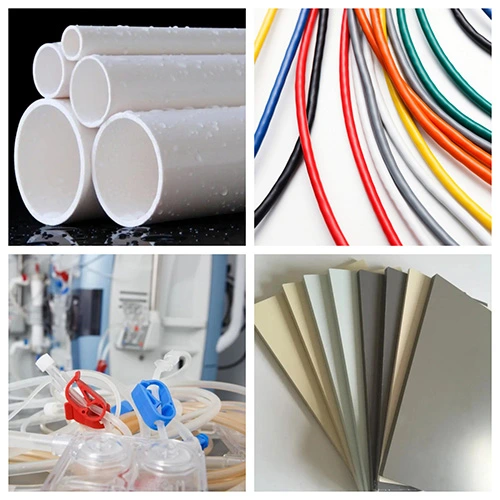
echnical explanation of Polyvinyl Chloride (PVC) resin, including its chemical structure, core physical properties, differences from vinyl, and common industrial applications.
Discover what is Polyamide 6 (PA6/Nylon 6). Explore its key properties, melting point, and core uses in automotive and electronics, plus a full PA6 vs PA66 comparison.
Is SAN plastic safe for food contact? Check out our compliance guide on SAN resin safety, including FDA/EU regulations, toxicity data, and B2B sourcing tips.