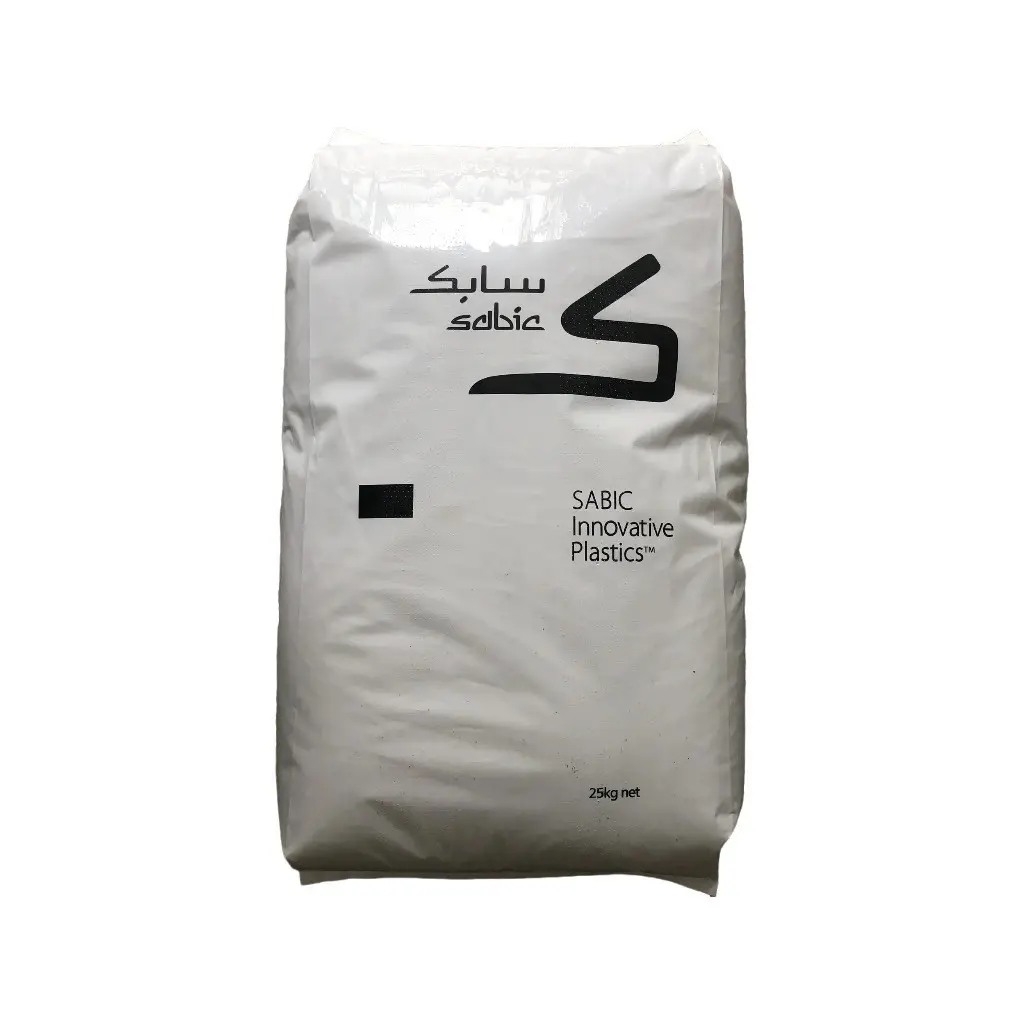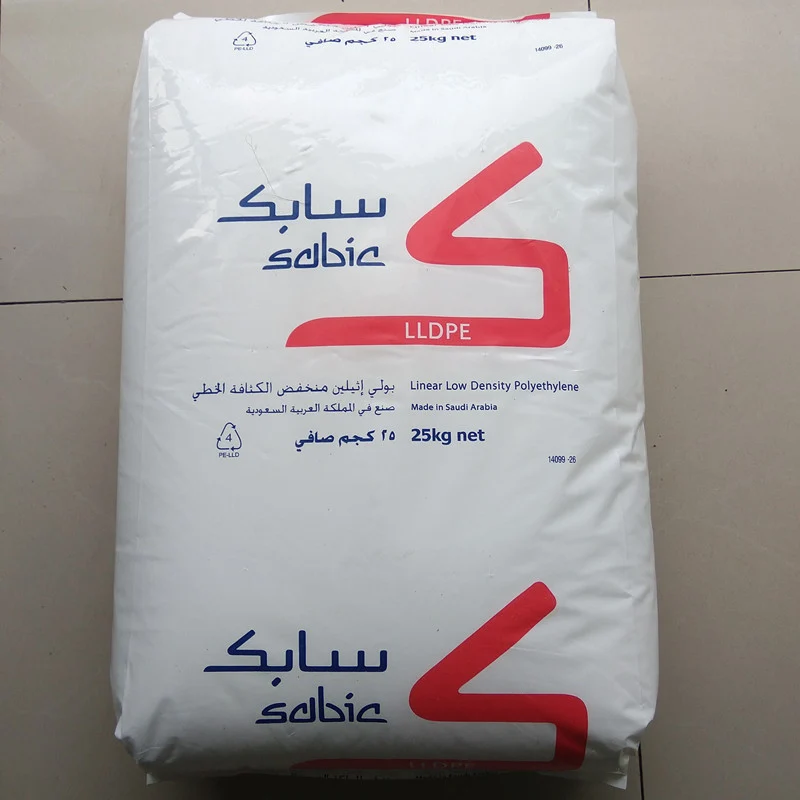
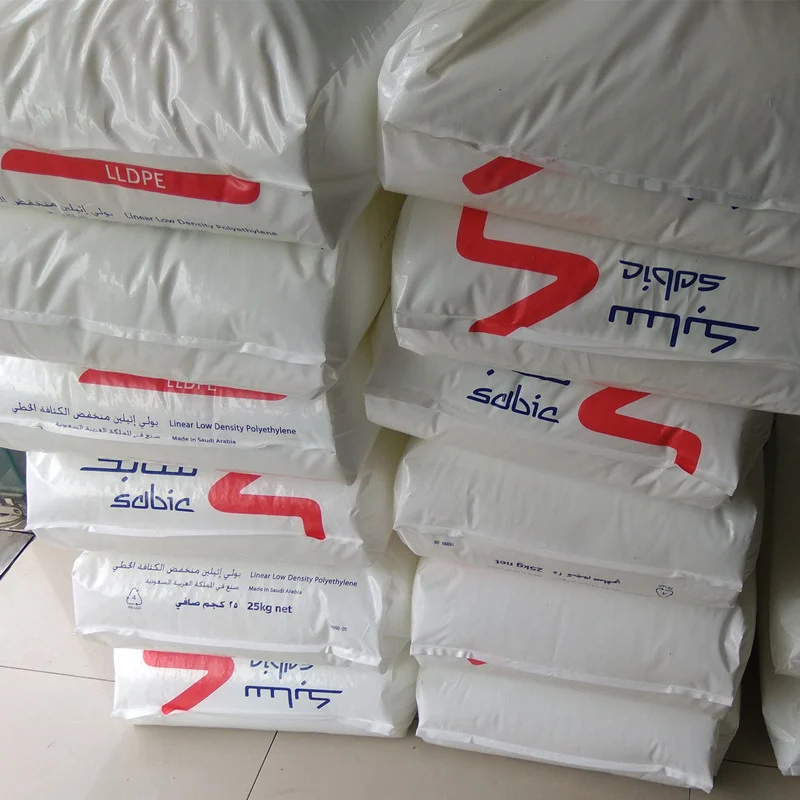
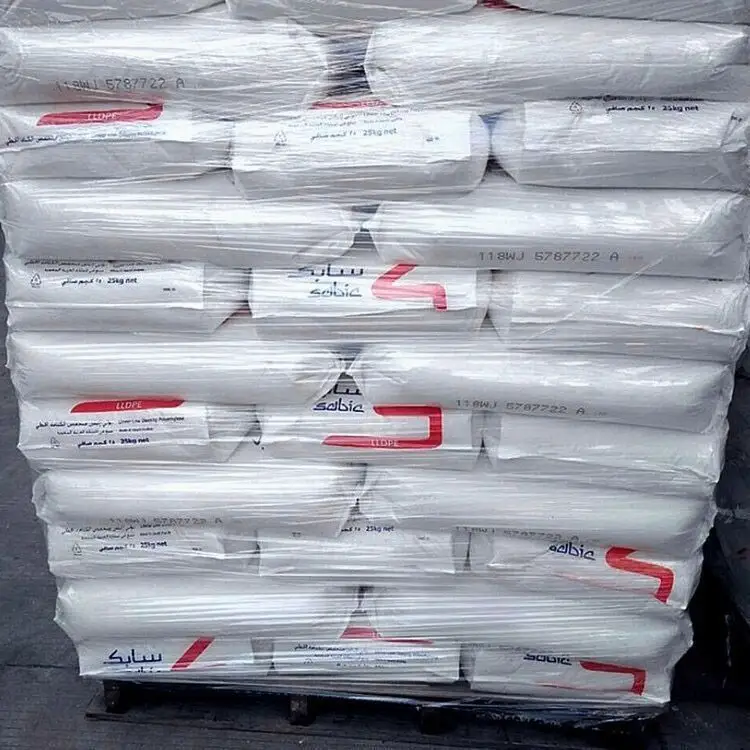
Discover SABIC 6135NE LLDPE resin for blown film extrusion. Review its TDS, features like high dart drop impact, and applications in heavy-duty sacks.
| Manufacturer | SABIC |
|---|---|
| Density | 0.936 g/cm³ |
| MFR | 1.0 g/10min |
| Vicat Softening Point | 120 °C |
| Melting Temperature | 126 °C |
Note: See the product description for additional technical specifications
Manufacturer: SABIC
Category: LLDPE (Linear Low Density Polyethylene)
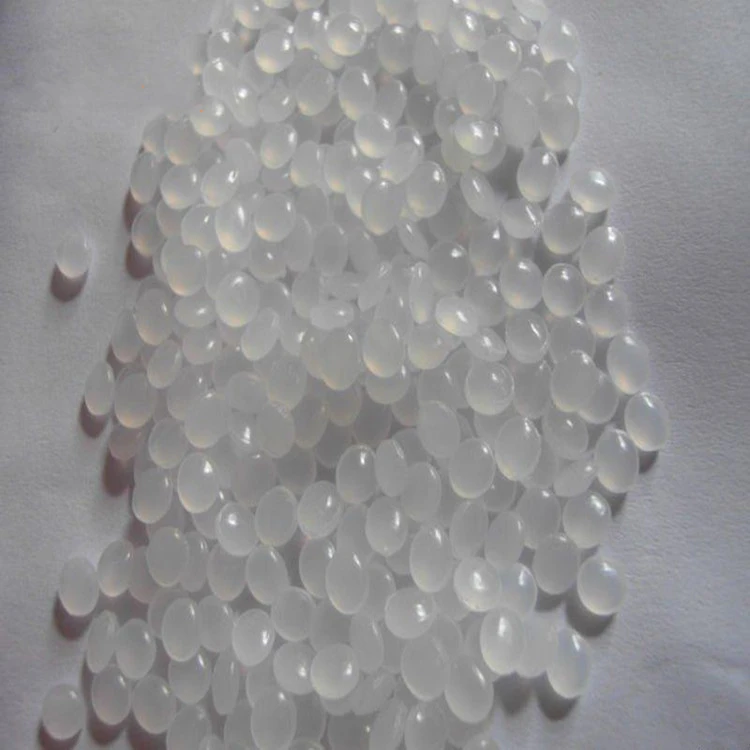
Appearance: Translucent, uniform solid pellets
SABIC 6135NE LLDPE is a high-performance linear low-density polyethylene resin produced by the global petrochemical leader, SABIC. As a flagship grade in the industrial film manufacturing sector, this material is specifically designed for high-performance blown film extrusion processing.
Its primary technical advantage lies in its additive-free formulation, containing no slip or antiblock agents. This pure composition grants the material exceptional control and cleanliness, securing its vital industry position in the core layers of multi-layer co-extruded films, lamination films, heavy-duty shipping sacks, and high-end industrial packaging films. Whether enhancing the tensile toughness of films or optimizing heat sealing performance, SABIC 6135NE is recognized by plastic processing manufacturers worldwide as a benchmark raw material.
The core physical and mechanical property data of SABIC 6135NE LLDPE are listed below:
| Physical Properties | Test Value | Unit | Test Method |
| Density | 0.936 | g/cm3 | ASTM D1505 |
| Melt Flow Rate, Mass(190 °C, 2.16 kg) | 1 | g/10min | ISO 1133 |
| Mechanical Properties | Test Value | Unit | Test Method |
| Tensile Strength, Yield, Parallel, Film(25 um, BUR 2.5) | 18 | MPa | ASTM D882 |
| Tensile Strength, Yield, Perpendicular, Film(25 um, BUR 2.5) | 19 | MPa | ASTM D882 |
| Tensile Strength, Break, Parallel, Blown Film(25 um, BUR 2.5) | 57 | MPa | ASTM D882 |
| Tensile Strength, Break, Perpendicular, Film(25 um, BUR 2.5) | 30 | MPa | ASTM D882 |
| Tensile Strain, Break, Parallel, Blown Film(25 um, BUR 2.5) | 610 | % | ASTM D882 |
| Thermal Properties | Test Value | Unit | Test Method |
| Vicat Softening Point | 120 | °C | ISO 306/A |
| Melting Temperature | 126 | °C | Internal Method |
| Optical Properties | Test Value | Unit | Test Method |
| Haze(25 um, BUR 2.5) | 22 | % | ASTM D1003 |
| Other Properties | Test Value | Unit | Test Method |
| Dart Drop Impact | 18.6 | kN/m | ASTM D1709 |
Excellent Tear Resistance and Dart Drop Impact Strength: Featuring a high dart drop impact strength of 18.6 kN/m, it ensures that the finished films possess superior puncture resistance, preventing breakage during the transportation of heavy bulk goods.
High Tensile Strength and Elongation: The parallel break tensile strength reaches up to 57.0 MPa with an elongation at break of 610%. This allows the film to maintain outstanding structural integrity even under severe machine-direction stretching.
Additive-Free Pure Formulation: Because it contains no slip or antiblock agents, there is zero risk of additive migration or blooming. This makes the resin ideal for the intermediate core layers of multi-layer co-extruded films and benefits subsequent printing and lamination processes.
Great Melt Strength and Processing Stability: With a standard melt flow rate of 1.0 g/10min, the resin exhibits excellent bubble stability at the blown film die, resulting in low scrap rates and making it highly suitable for high-speed automated continuous production.
Good Heat Sealing and Hot Tack Performance: With a melting temperature of 126 °C, it provides a broad processing window and reliable heat seal strength, ensuring secure closures during rapid inline bag sealing operations.
With its pure formulation and robust mechanical performance, SABIC 6135NE LLDPE is widely utilized across various industrial and consumer packaging fields:
Heavy-Duty Shipping Sacks: Used for industrial bulk packaging bags containing chemical raw materials, fertilizers, cement, and pet food, leveraging its excellent dart drop impact resistance to prevent sack breakage during transit.
Multi-layer Co-extrusion Composite Films: Serving as the critical core layer in three, five, or seven-layer co-extruded films, laminated with other functional polymers (such as barrier materials) to produce premium food and daily chemical packaging.
Agricultural Mulch and Greenhouse Films: Utilizing its superior tensile strength and durable base performance to manufacture agricultural coverage films, improving resistance to wind tearing and punctures.
Stretch Wrap and Liner Films: Applied in standard industrial pallet stretch wrapping, as well as waterproof, protective barrier liners for corrugated boxes and industrial steel drums.
Q1: Does SABIC 6135NE LLDPE require drying prior to processing?
A: Under normal circumstances, polyethylene (PE) resins like SABIC 6135NE are non-hygroscopic materials. When stored properly in original, undamaged moisture-proof bags, they do not require drying before processing. However, if the raw material has been kept in a high-humidity warehouse or condensation forms on the pellet surfaces due to winter temperature shifts, drying at 70 to 80 °C for 1 to 2 hours is recommended to eliminate bubbles or water marks during extrusion.
Q2: This grade contains no slip or antiblock agents. How does this affect my blown film processing?
A: The absence of additives means the resin possesses exceptional purity, making it ideal for manufacturing lamination and printing base films, as no surface-migrating slip agents will interfere with ink adhesion or bond strength. However, if it is processed as a single-layer film, the lack of antiblock agents may reduce its opening properties (causing blocking or sticking). It is recommended to compound appropriate amounts of masterbatch slip/antiblock agents based on your specific application or to use it directly in the core layer of co-extrusions.
Q3: What is the difference between SABIC 6135NE and standard LDPE (High Pressure Low Density Polyethylene), and how should I choose?
A: Compared to standard LDPE, SABIC 6135NE (as an LLDPE) features a narrower molecular weight distribution and short-chain branching structure. Consequently, it significantly outperforms LDPE in tensile strength, puncture resistance, toughness, and thermal resistance (with a high Vicat softening point of 120 °C). In practical blown film production, the industry standard practice is to blend LLDPE with a smaller proportion of LDPE (typically 20% to 30% LDPE). This setup utilizes the core toughness of 6135NE for film downgauging while taking advantage of LDPE’s superior melt extensibility to improve processing rheology.
Submit your inquiry today and receive a professional competitive price tailored to your project requirements.