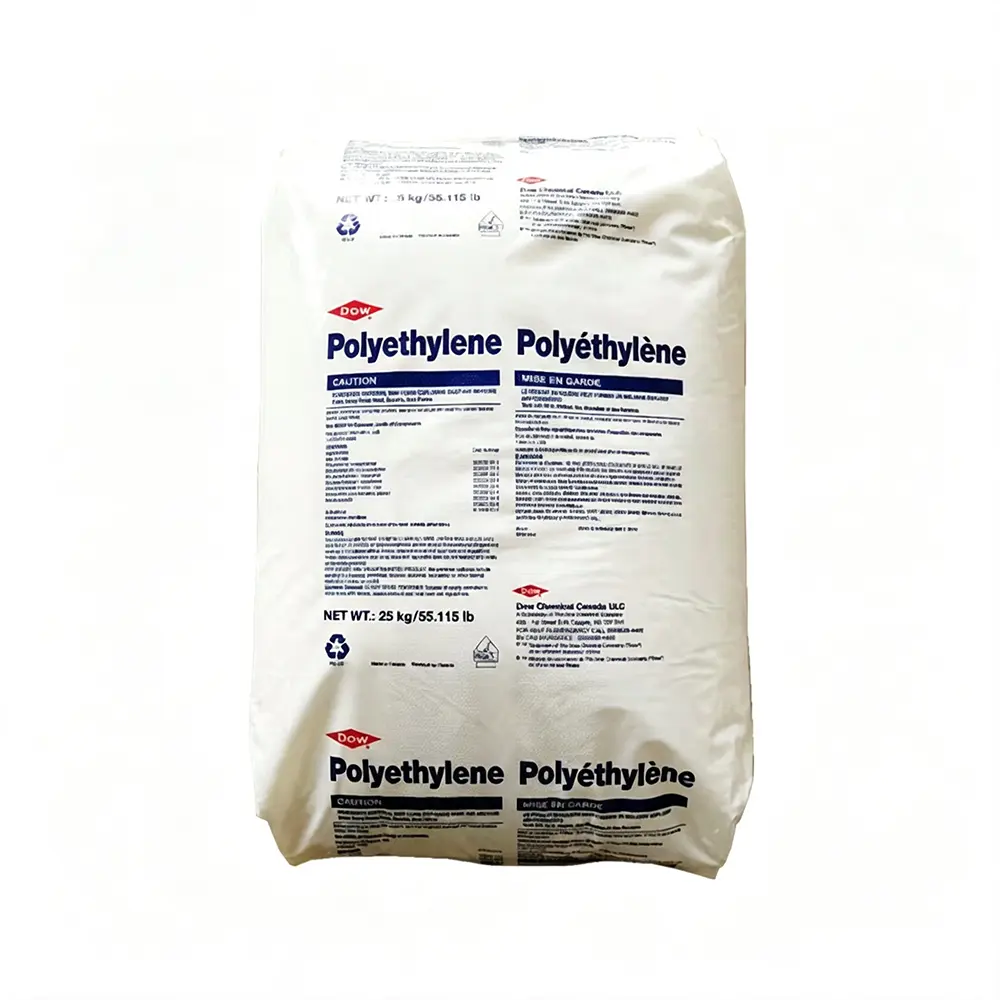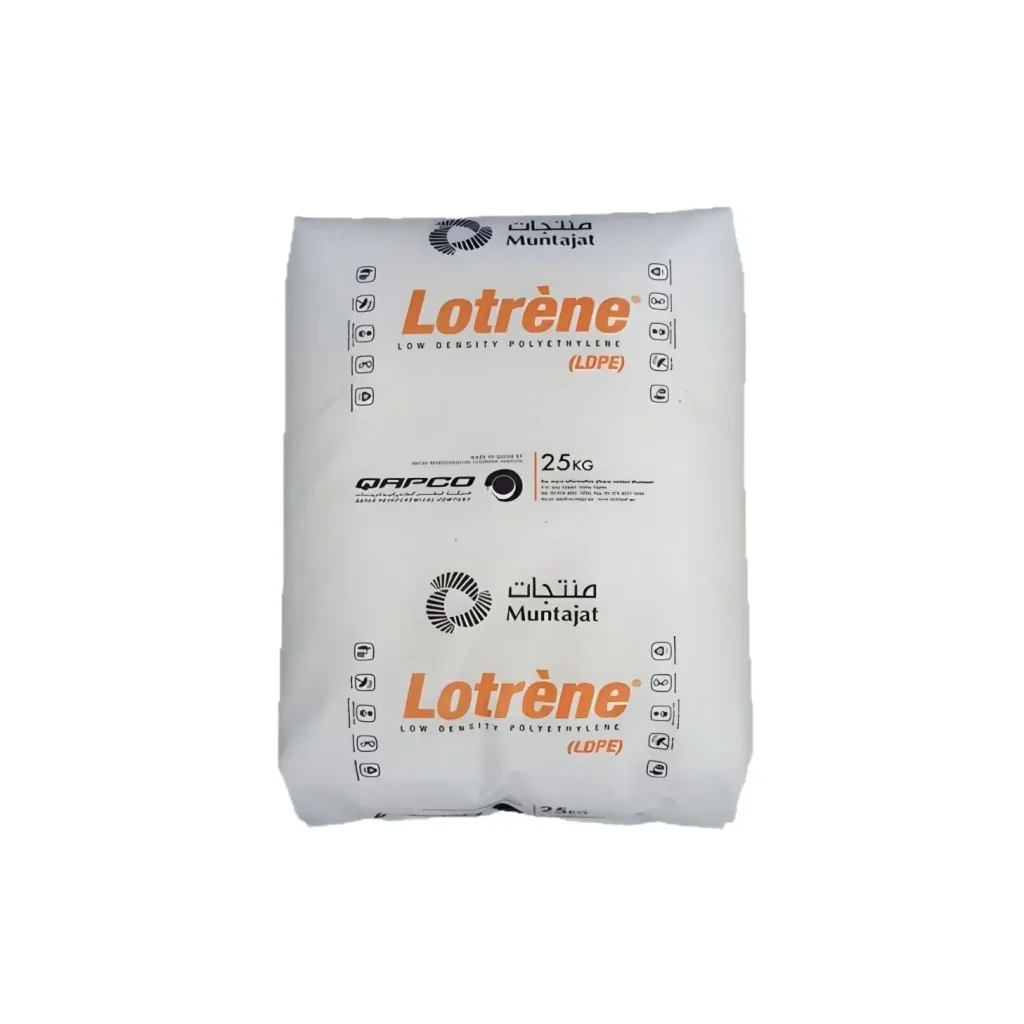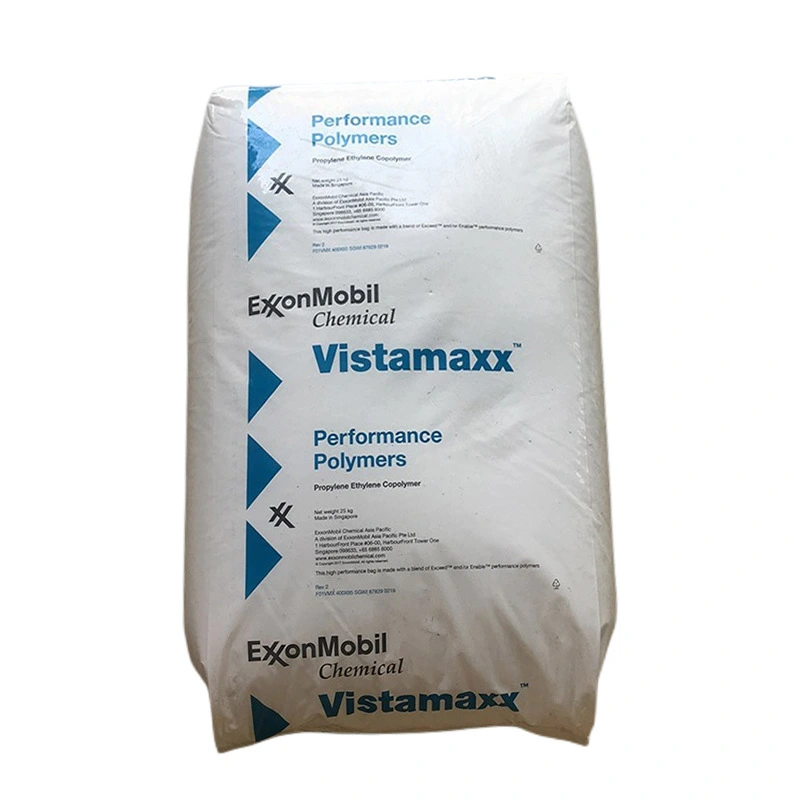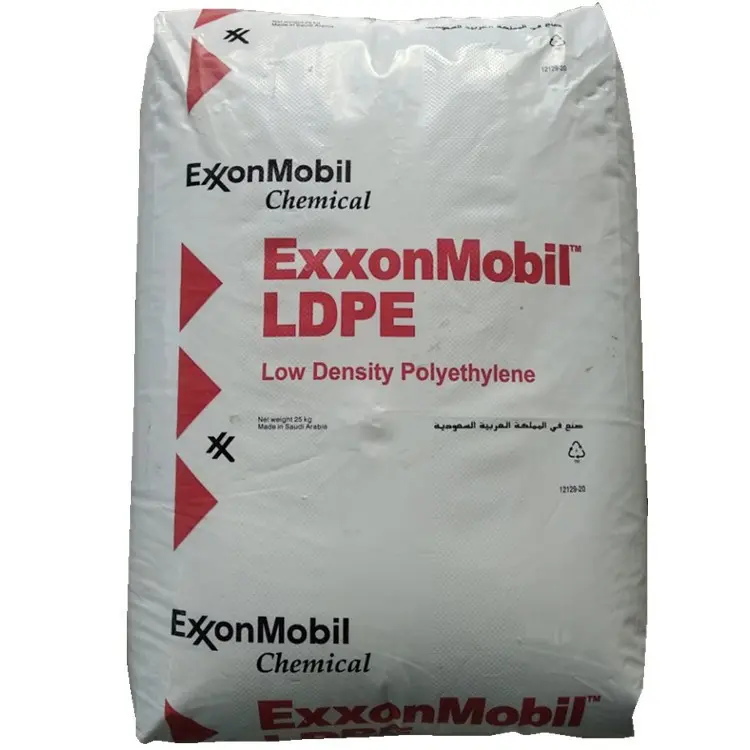
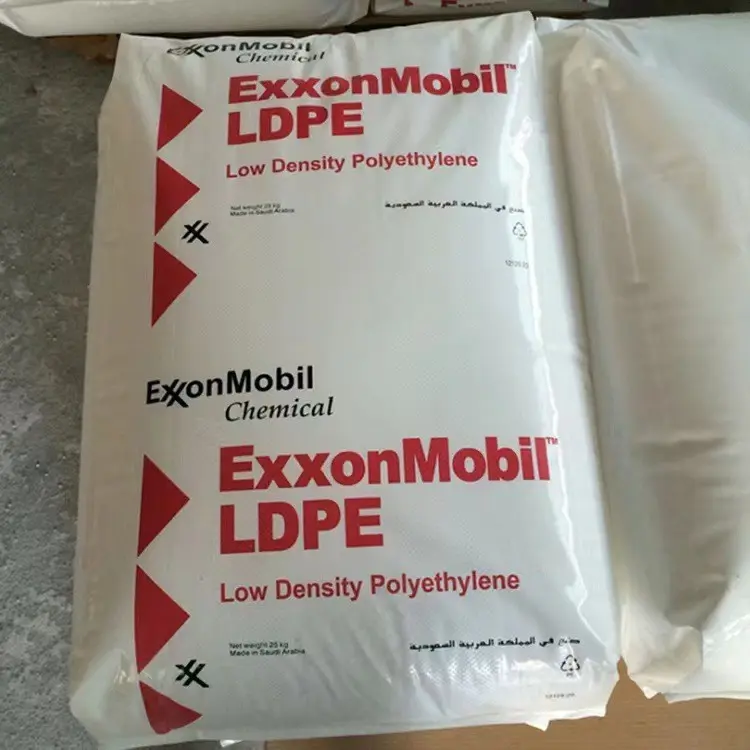
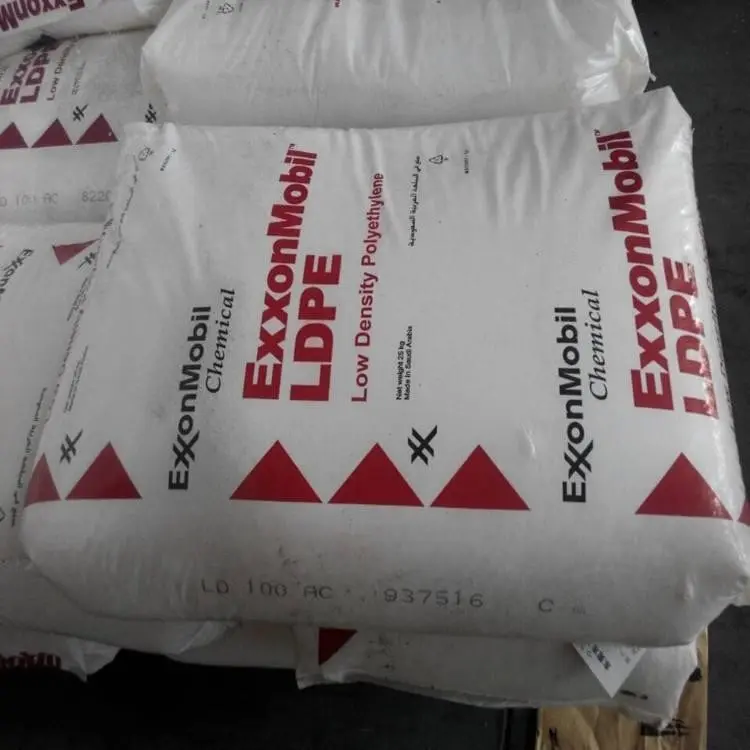
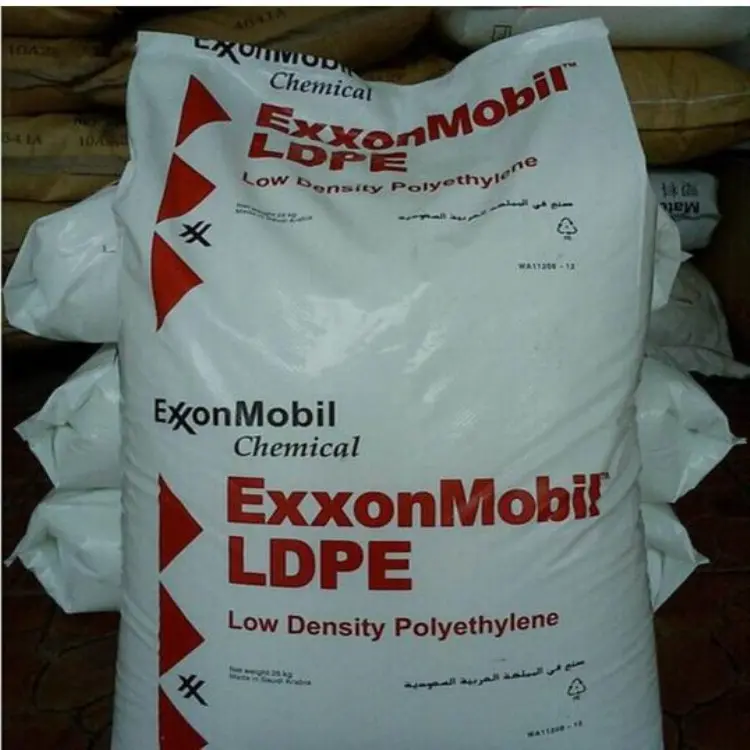
ExxonMobil LD 251 LDPE is a high-performance extrusion coating grade resin offering low neck-in, high draw-down, and excellent sealability for flexible packaging and laminations.
| Manufacturer | ExxonMobil |
|---|---|
| Density | 0.9155 g/cm³ |
| MFR | 8 g/10 min |
| Melting Point | 104 °C |
| Vicat Softening Point | 85 °C |
Note: See the product description for additional technical specifications
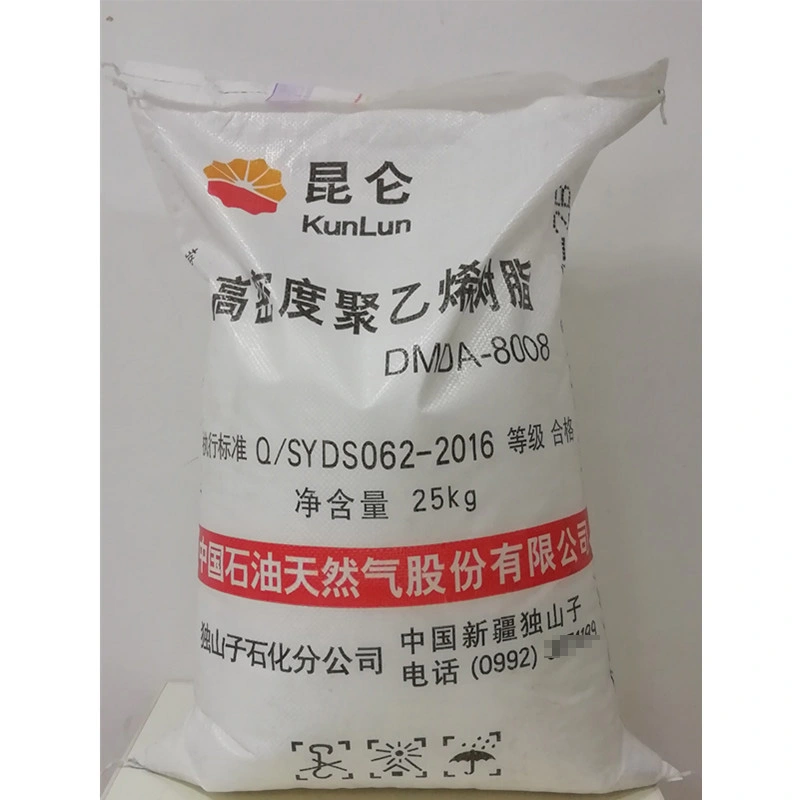
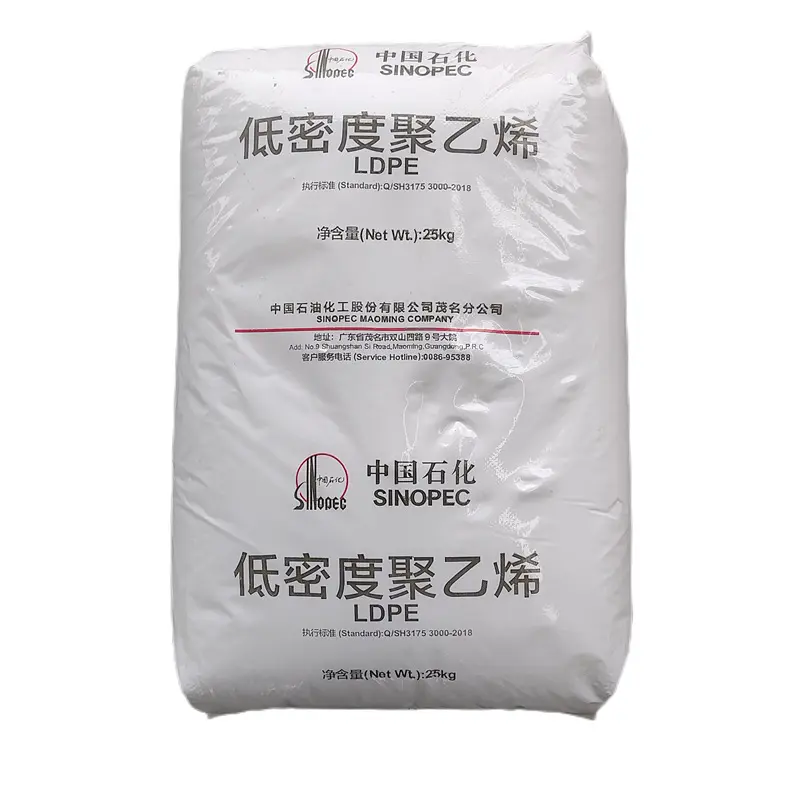
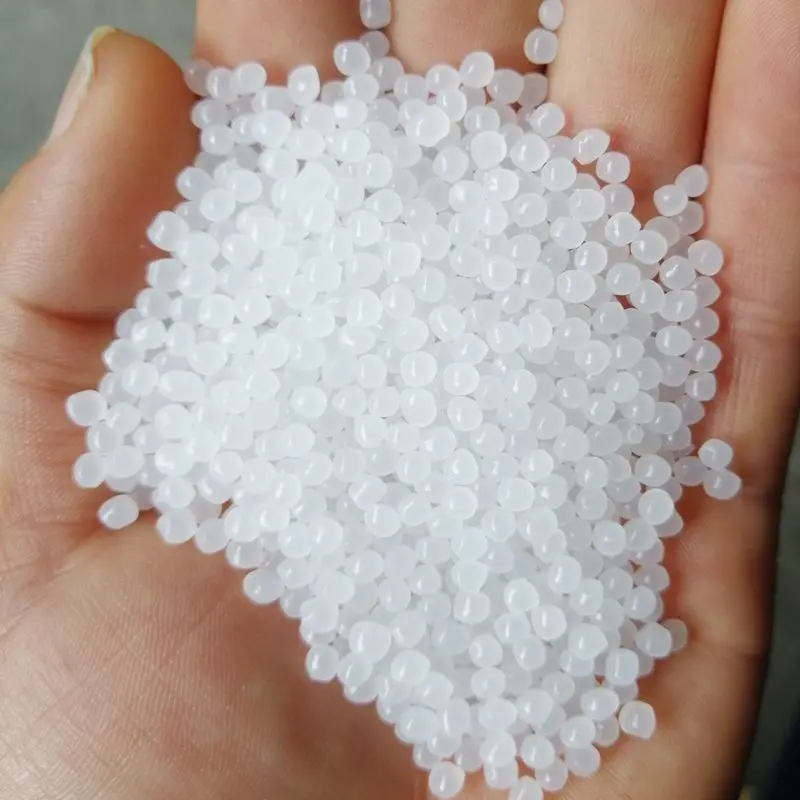
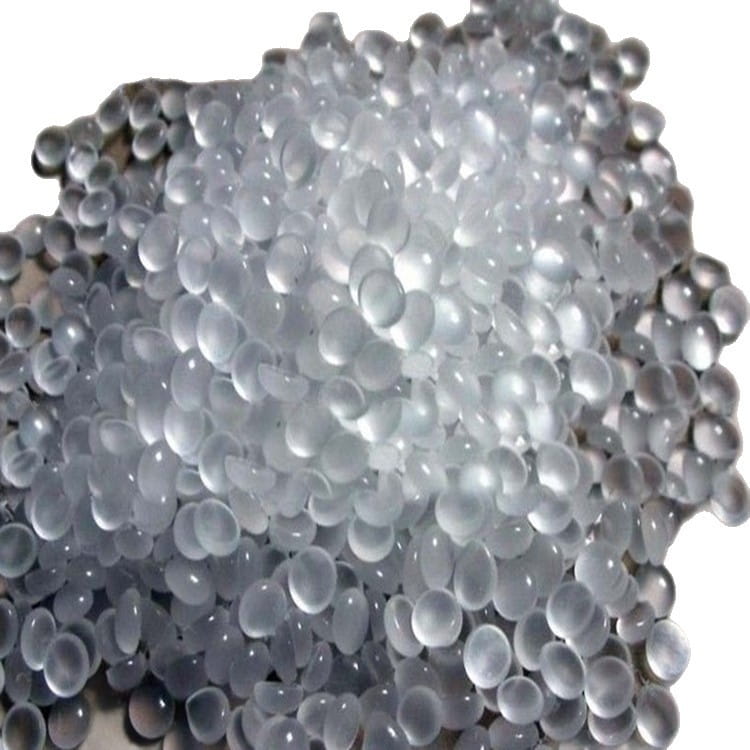
ExxonMobil™ LD 251 is a low density polyethylene (LDPE) resin introduced by ExxonMobil Chemical, belonging to the standard extrusion coating grade family within the ExxonMobil™ LDPE product line. The material appears as milky-white translucent to opaque cylindrical pellets, with a density of 0.9155 g/cm³, a melt mass-flow rate (MFR) of 8.0 g/10 min (190 °C, 2.16 kg, ASTM D1238), a Vicat softening point of 85 °C, and a peak melting temperature of approximately 104 °C.
In ExxonMobil’s LDPE coating product matrix, LD 251 is positioned as the benchmark reference grade for high-speed extrusion coating/extrusion lamination. Its core processing signatures are “low neck-in + good draw-down + wide heat-sealing window.” On a coating pilot line at 315 °C die temperature and 35 rpm, it achieves a stable draw-down speed of 230 m/min, with neck-in controlled within the range of 4.0 cm (at 50 m/min) to 3.8 cm (at 100 m/min). It serves as a common imported reference material for liquid packaging, food paper-plastic lamination, and nonwoven coating production lines.
This grade is unblended with antiblock agents, slip agents, or thermal stabilizers (Antiblock: No / Slip: No / Thermal Stabilizer: No). Its formulation is pure and low-odor, making it suitable for food contact and liquid packaging inner layers sensitive to extractables. In addition to primary coating/lamination, it is also downwardly compatible with general LDPE processing applications such as blown film, light packaging injection molding, and masterbatch carriers.
| Property | Test Condition | Value | Unit | Test Method |
| Melt Flow Rate (MFR) | 190 °C, 2.16 kg | 8 | g/10 min | ASTM D1238 |
| Density | — | 0.9155 | g/cm³ | Internal Method |
| Property | Test Condition | Value | Unit | Test Method |
| Melting Point | — | 104 | °C | Internal Method |
| Vicat Softening Point | — | 85 | °C | ASTM D1525 |
The technical data sheet (TDS) of ExxonMobil™ LD 251 material from ExxonMobil corporation, if there are differences, please refer to the official website of ExxonMobil.
Excellent Coating Processability (Low Neck-in + Good Draw-down): Features small neck-in and stable melt stretching under high-speed extrusion coating conditions. It adapts to 150–230 m/min liquid packaging lines, producing thin coatings (10–30 μm) without film breakage or pinholes, ensuring high substrate width utilization.
Wide Heat-Sealing Window & Low-Temperature Heat-Sealing: Offers lower initial heat-sealing temperatures and high heat-sealing speed tolerance, suitable for high-speed form-fill-seal (FFS) lines and friendly to sealing processes for snacks, liquid dairy products, and sauce pouches.
Pure Formulation, Low Odor & Low Extractables: Contains no self-contained antiblock/slip agents, is odorless and tasteless, reducing migration risks for food-contact layers and allowing customers to independently compound additives based on end-use requirements.
Good Substrate Adhesion: Provides stable interlayer bond strength to substrates such as kraft paper, paperboard, aluminum foil, BOPP/BOPET, and nonwovens, maintaining low delamination rates in paper-plastic and aluminum-plastic composites.
High Flow Offering General Compatibility: An MVR of 8 falls into the relatively high-speed category for LDPE. Beyond coating/lamination as its main application, it is downwardly compatible with blown film (light packaging film, bubble wrap), soft injection molding (bottle cap liners, small daily commodity parts), and filler/color masterbatch carriers.
Robust Electrical and Chemical Resistance Base Attributes: LDPE inherently possesses good dielectric insulation, resistance to acid, alkali, and salt solutions, and low water absorption. A Vicat softening point of 85 °C covers ambient to moderate-temperature packaging and daily commodity operating conditions.
Extrusion Coating / Lamination (Core Use): Paper cups/bowls lamination, paper-based coating for milk and liquid aseptic packaging, food kraft paper/bread bag lamination, aluminum foil-paper extrusion coating, waterproof woven bag liners, and release paper substrate coating.
Extrusion Lamination & Nonwoven Coatings: Waterproof coatings for medical/protective nonwovens, disposable bedsheet lamination, nonwoven shopping bag lamination, and photographic paper coating.
Blown Film: Food light packaging films, transparent fresh-keeping bags, lightweight shopping bags, bubble cushioning films, and composite film heat-seal inner layers (often blended with LLDPE/HDPE to adjust toughness).
Soft Injection Molding: Bottle cap liners, cosmetic soft cap inner pads, thin-walled daily commodity small parts, and soft toy components.
Masterbatch Carrier: High-flow LDPE matrix suitable for carrying titanium dioxide, calcium carbonate, antistatic agents, or color pigments, providing good dispersion uniformity when preparing filler masterbatches or color masterbatches.
Note: LD 251 is a coating-oriented grade. If the end application focuses primarily on heavy-duty blown film, weather-resistant agricultural film, or high-transparency/high-gloss film, evaluating LDPE film grades (such as higher molecular weight grades) or LLDPE blending options is recommended. The manufacturer states this grade is not recommended for medical implantation or contact with active pharmaceutical ingredient scenarios; food-contact compliance must be verified based on official FDA/EU 10/2011 statements and end-product testing.
Q1: Does LD 251 require drying before processing?
A1: LDPE inherently has low polarity and minimal water absorption (typically < 0.1%), requiring no forced drying under proper packaging and normal warehouse storage conditions (RH < 70%). However, if stored open in high humidity for extended periods or used in food/liquid packaging coating lines highly sensitive to bubbles and fish-eyes, hot-air drying at 60–80 °C for 1–2 hours is recommended to remove surface-adsorbed moisture and reduce melt silver streaks and coating pinholes.
Q2: How do you differentiate and select between LD 251 (MFR 8) and transparent engineering plastics like PMMA/PC in packaging applications?
A2: They belong to different selection dimensions. LD 251 is a polyolefin flexible packaging material whose advantages lie in flexibility, heat-sealing, moisture resistance, low cost, and high-speed line coating. PMMA excels in light transmittance and surface hardness (though brittle), while PC excels in high-temperature strength and impact resistance (though costly, requiring drying and poor heat-sealing). Guidelines: choose LD 251 for soft packaging heat-seal layers, paper-plastic lamination, and nonwoven coatings; choose PMMA for transparent display parts, lampshades, and lenses; choose PC for high-temperature structural transparent parts.
Q3: What is the compliance and food-contact status of this grade?
A3: The base resin of LD 251 complies with RoHS and REACH restricted substance frameworks and is a non-dangerous good (Non-DG). ExxonMobil officially states it can be used in potential food-contact scenarios, but corresponding regional compliance letters for FDA 21 CFR §177.1520, EU 10/2011, or HPFB must be requested from the manufacturer’s customer service. The manufacturer explicitly states it “is not suitable and should not be used in medical applications.” TDS, SDS, and COA can be provided per batch, but final consumer food packaging must still be submitted as finished goods for third-party testing prior to market launch.
Q4: How should temperature and line speed be set when performing extrusion coating with LD 251?
A4: Refer to typical values from the ExxonMobil European Technology Center coating line: die/adapter temperature around 315 °C (599 °F), achieving a draw-down of 230 m/min at a constant output of 35 rpm; with an air gap of approximately 170 mm, neck-in is about 4.0 cm (at 50 m/min) to 3.8 cm (at 100 m/min). Recommended production line settings: step-up barrel temperature profiles of 170–200 °C, connection section/die at 220–315 °C fine-tuned according to equipment manufacturer windows, and line speed verified in a gradient of 80–230 m/min depending on the substrate (paper/aluminum foil/nonwoven) and coating thickness (10–30 μm) to prevent thermal degradation and yellowing caused by overheating the die.
Submit your inquiry today and receive a professional competitive price tailored to your project requirements.