In the field of medical devices and pharmaceutical packaging, gamma-ray or electron-beam sterilization has become the industry standard due to its efficiency and residue-free characteristics. However, polypropylene (PP), as a core substrate, often faces severe performance challenges under the influence of high-energy radiation. The most intuitive manifestations are material yellowing and embrittlement. To solve this pain point, it is essential to deeply understand the mechanism of irradiation’s impact on the microstructure of PP and precisely select specialized raw materials with radiation resistance.
Performance Evolution Mechanism of PP in Irradiation Environments
When PP material is exposed to a high-energy irradiation field, it primarily exhibits two competing processes:
- Degradation Caused by Chain Scission: Irradiation energy preferentially breaks the C-C bonds on the main chain of PP, leading to a sharp decrease in molecular weight, which results in a reduction of the material’s elongation at break and impact strength. At the same time, the conjugated double-bond chromophores formed by the oxidation of molecular chains are the core cause of material yellowing after irradiation.
- Contribution of Cross-linking Reactions: Molecular chain cross-linking initiated by irradiation can enhance thermal stability. In general-purpose PP, the rate of chain scission is much higher than the rate of cross-linking, leading to performance degradation. However, radiation-resistant specialized PP can suppress the scission process and promote cross-linking by introducing specific additives or optimizing the molecular chain structure, thereby maintaining the material’s toughness and transparency.
Selection of Medical-Grade PP Raw Materials for Irradiation Scenarios
Targeting medical applications requiring irradiation sterilization, the following PP grades, which have been verified in the industry, are specifically selected:
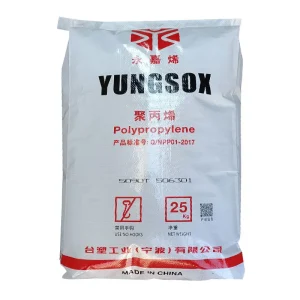
Formosa Plastics YUNGSOX® 5090T: This grade is a high-transparency random copolymer, commonly used for syringe barrels, medical containers, and other components. It complies with FDA 21 CFR 177.1520 and USP Class VI certification requirements.
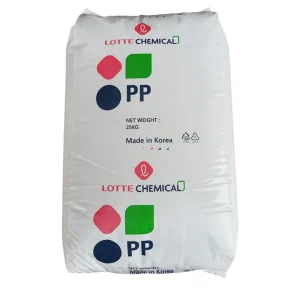
LOTTE Chemical PP SB-520: This is a high-transparency random copolymer PP, typically applied in hollow containers such as eye-drop bottles and IV fluid bottles. This material emphasizes low extractables and high purity, meeting FDA and USP Class VI medical compliance standards.
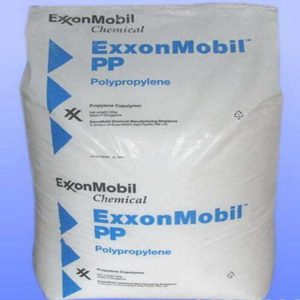
ExxonMobil Achieve™ PP 6302E1: Belonging to the medium-melt-flow structural polypropylene series, it possesses a synergistic advantage of rigidity and toughness and has application value in some non-implantable medical auxiliary packaging.
Key Technical Considerations
After selecting a radiation-resistant PP grade, attention should be paid to the following details during the processing and sterilization stages:
- Drying Control: It is recommended to perform hot-air drying at 80–90°C for 1–2 hours to eliminate the impact of moisture on the appearance of the product.
- Irradiation Dosage Window: Pilot tests should be conducted under the conventional sterilization dosage of 25–50 kGy to monitor the attenuation curves of the Yellowing Index (YI) and Izod impact strength to determine the safety margin.
- Additive System Review: Ensure that auxiliary materials such as color masterbatches and antioxidants also possess radiation-resistance and medical-grade compliance statements to avoid odor or extractable levels exceeding standards due to the degradation of additives.
Through the understanding of microstructure and precise matching of raw material grades, it is possible to effectively avoid performance pitfalls of polypropylene during irradiation sterilization and ensure the safety and reliability of medical terminal products throughout their entire life cycle.