Core Overview
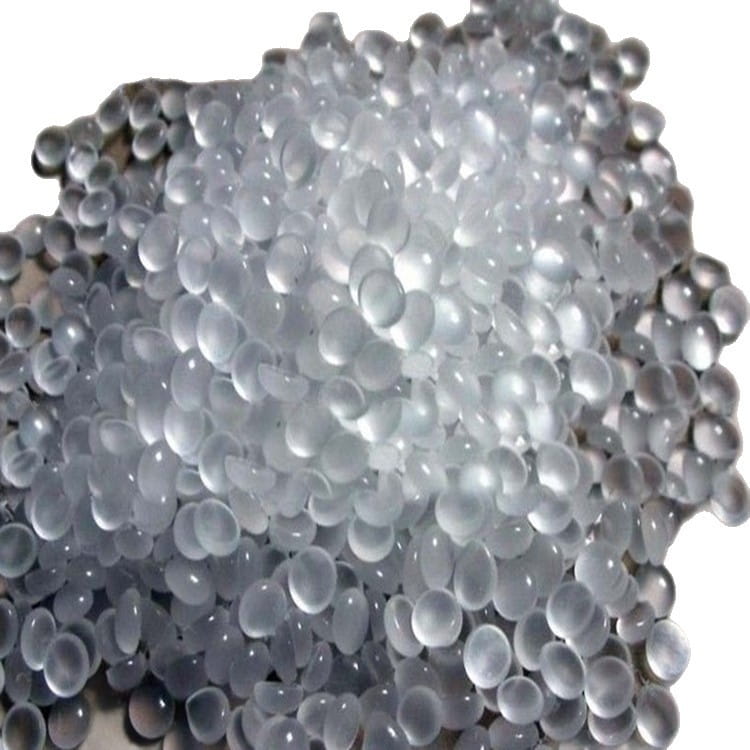
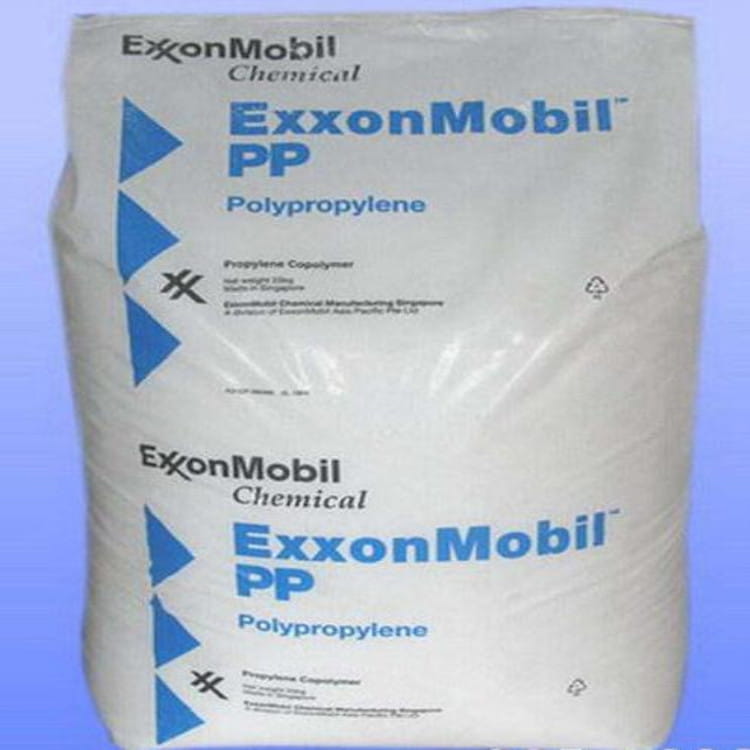
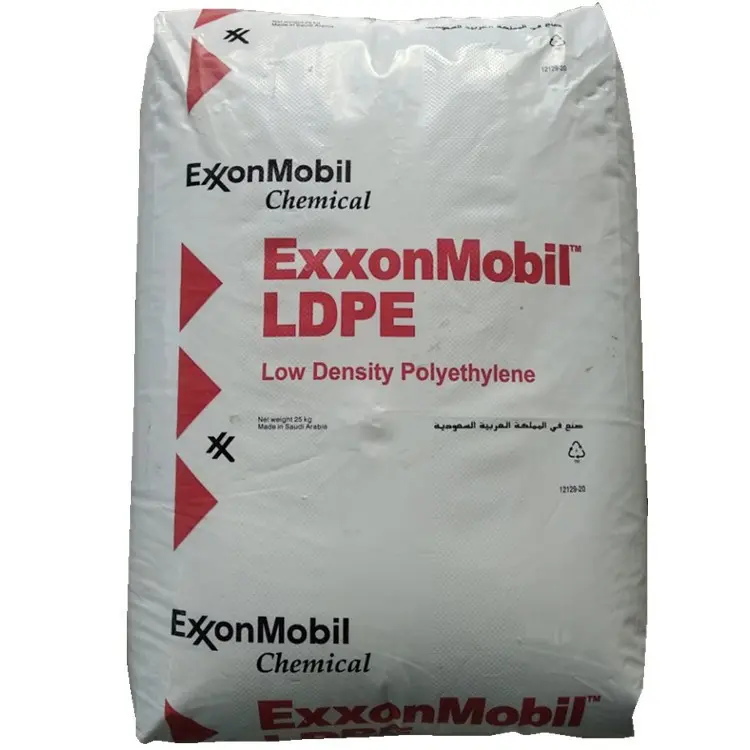
ExxonMobil PP 6302E1 Polypropylene Resin (abbreviated as: PP 6302E1) is a high-performance injection-grade polypropylene (PP) resin, specifically designed for thin-wall products and high-efficiency manufacturing processes. It features excellent flowability and balanced mechanical properties, and is widely used in packaging, automotive, and consumer goods industries.
Key Selling Points:
- High Flowability: Ideal for thin-wall and complex structure molding
- Excellent Mechanical Strength: Balanced rigidity and toughness
- Stable Supply: Guaranteed global supply by ZiJun Plastics
Technical Data Sheet (TDS)
Typical Properties
| Property |
Value |
Unit |
Test Method |
Test Condition |
| Density |
0.9 |
g/cm³ |
ExxonMobil Method |
– |
| MFR |
1.9 |
g/10min |
ASTM D1238 |
230°C / 2.16kg |
| Tensile Strength at Yield |
39.4 |
MPa |
ASTM D638 |
51 mm/min |
| Elongation at Yield |
5.2 |
% |
ASTM D638 |
51 mm/min |
| Notched Izod Impact Strength |
47 |
J/m |
ASTM D256A |
23°C |
| Heat Deflection Temperature (HDT) |
123 |
°C |
ASTM D648 |
0.45 MPa |
Testing Standards Explanation
- ASTM D1238 / ISO 1133: Used to measure Melt Flow Rate (MFR) to evaluate processing flowability
- ASTM D638: Used for tensile property testing
- ASTM D256: Used to evaluate impact resistance
- ASTM D648: Used to determine heat deflection temperature under load
The above data are typical values for reference only. Secondary testing is recommended for actual applications.
Key Applications
Thanks to its high flowability and excellent moldability, ExxonMobil PP 6302E1 performs well across multiple industries:
1. Packaging
- Food containers
- Disposable lunch boxes
- Thin-wall packaging containers
High flow ensures fast mold filling and improved production efficiency
2. Automotive
- Interior trim parts
- Dashboard components
Good rigidity and lightweight properties help reduce vehicle weight
3. Consumer Goods & Electronics
- Storage boxes
- Small appliance housings
Good surface gloss and excellent dimensional stability
Product Comparison
PP vs ABS (Common Alternative Comparison)
| Dimension |
PP 6302E1 |
ABS |
| Cost |
Lower |
Higher |
| Density |
Lower (lighter) |
Higher |
| Impact Resistance |
Moderate |
Excellent |
| Chemical Resistance |
Excellent |
Moderate |
| Surface Gloss |
Moderate |
Excellent |
Conclusion: If your priority is cost control + chemical resistance + lightweight, PP 6302E1 is the better choice.
PP Homopolymer vs Copolymer
| Type |
Characteristics |
| PP Homopolymer |
Higher rigidity and heat resistance |
| PP Copolymer |
Better impact resistance and low-temperature performance |
PP 6302E1 belongs to PP Homopolymer, making it more suitable for applications requiring higher rigidity.
Processing Guidelines
Recommended Injection Molding Parameters
| Parameter |
Recommended Range |
| Drying Temperature |
Generally not required (if moist: 80°C × 2h) |
| Melt Temperature |
200 – 250°C |
| Mold Temperature |
20 – 50°C |
| Injection Pressure |
50 – 100 MPa |
Professional Tips
- It is recommended to use a dehumidifying dryer to ensure stable moisture content
- High-speed injection molding can further leverage its high flowability
- Proper mold venting design is necessary to avoid gas marks
FAQ
1. Is PP 6302E1 suitable for thin-wall products?
Yes, it has a relatively high MFR (flowability), making it ideal for thin-wall injection molded products such as food containers.
2. Is drying required before processing?
Generally not required, but in high-humidity environments, pre-drying at 80°C for 2 hours is recommended to ensure stable processing.
3. What is the difference between PP 6302E1 and general PP?
Compared to standard PP, this grade offers better flowability, molding efficiency, and product consistency, making it suitable for higher-end injection applications.
4. Can it be used for food-grade applications?
This depends on specific batch certifications (such as FDA compliance). It is recommended to request relevant compliance documents from suppliers like ZiJun Plastics before use.