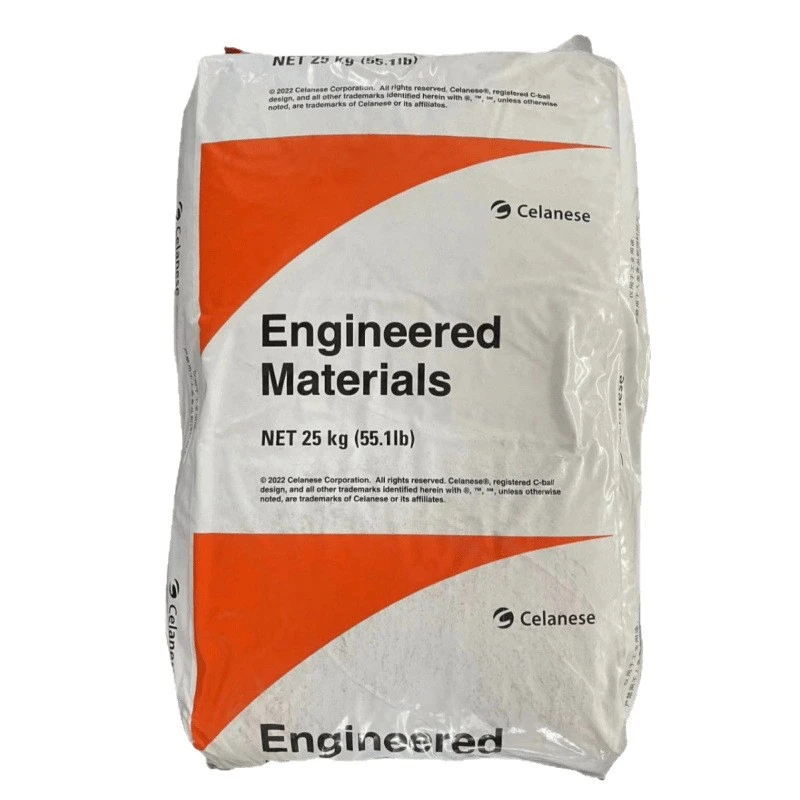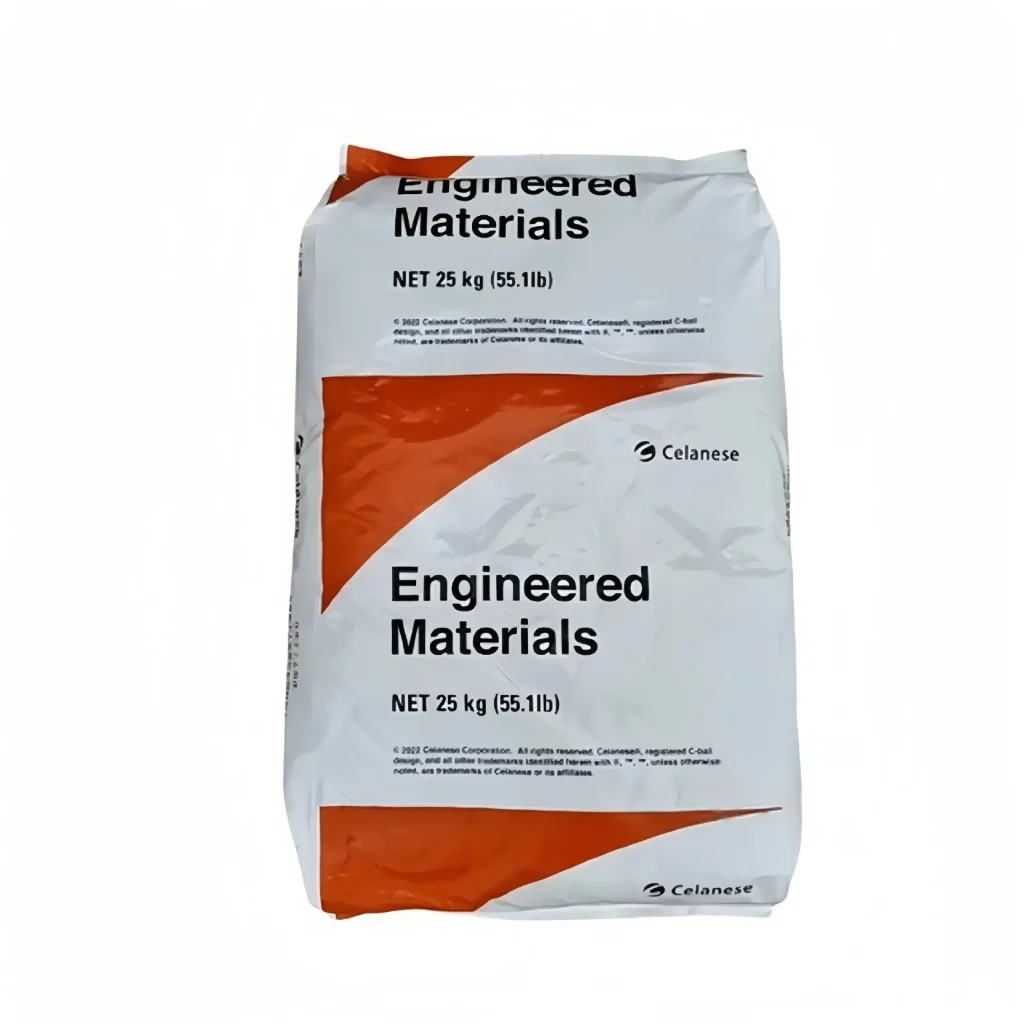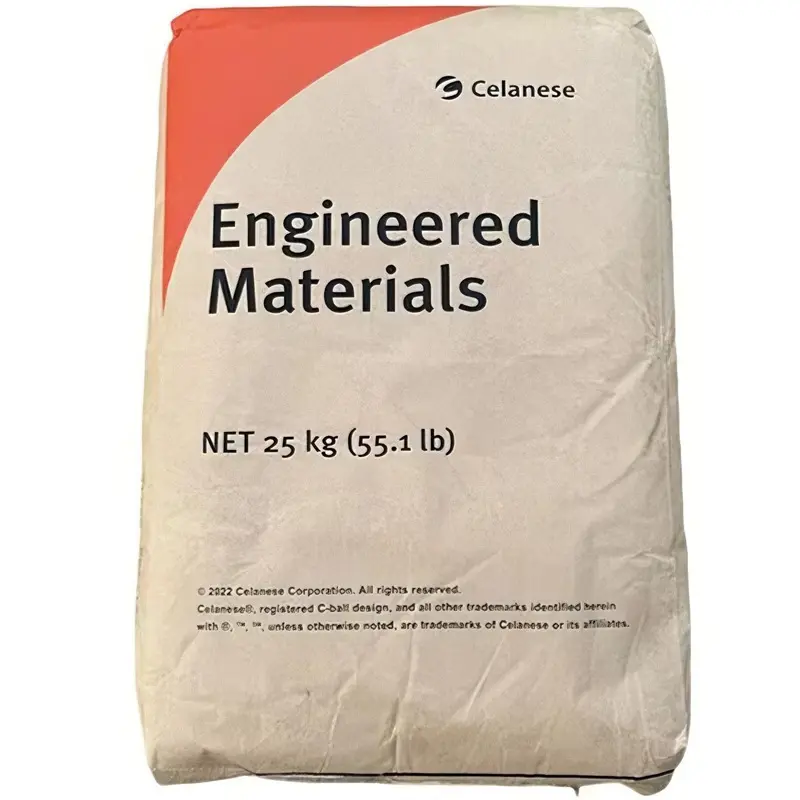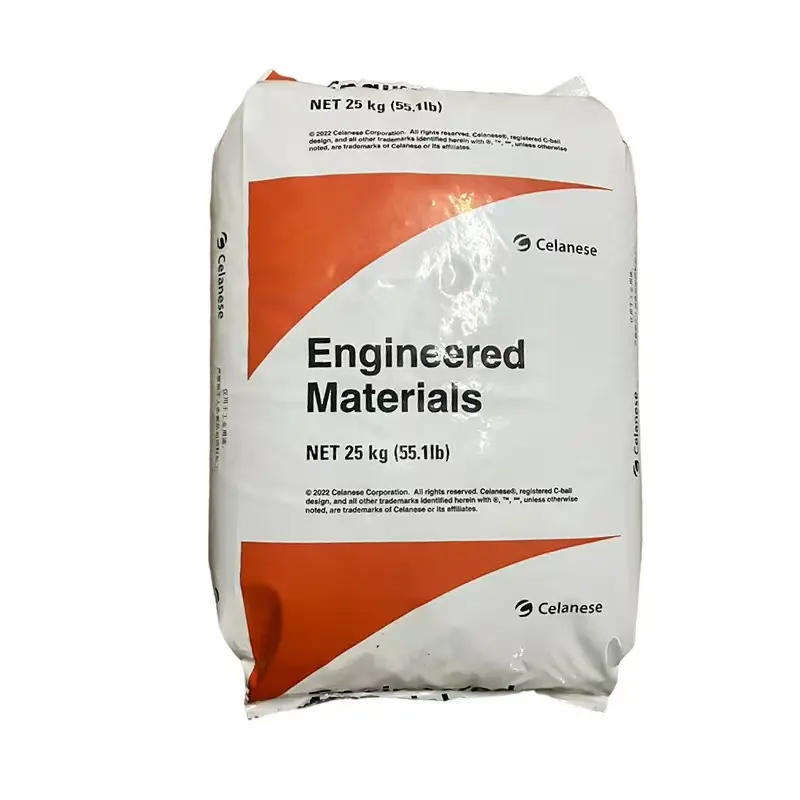
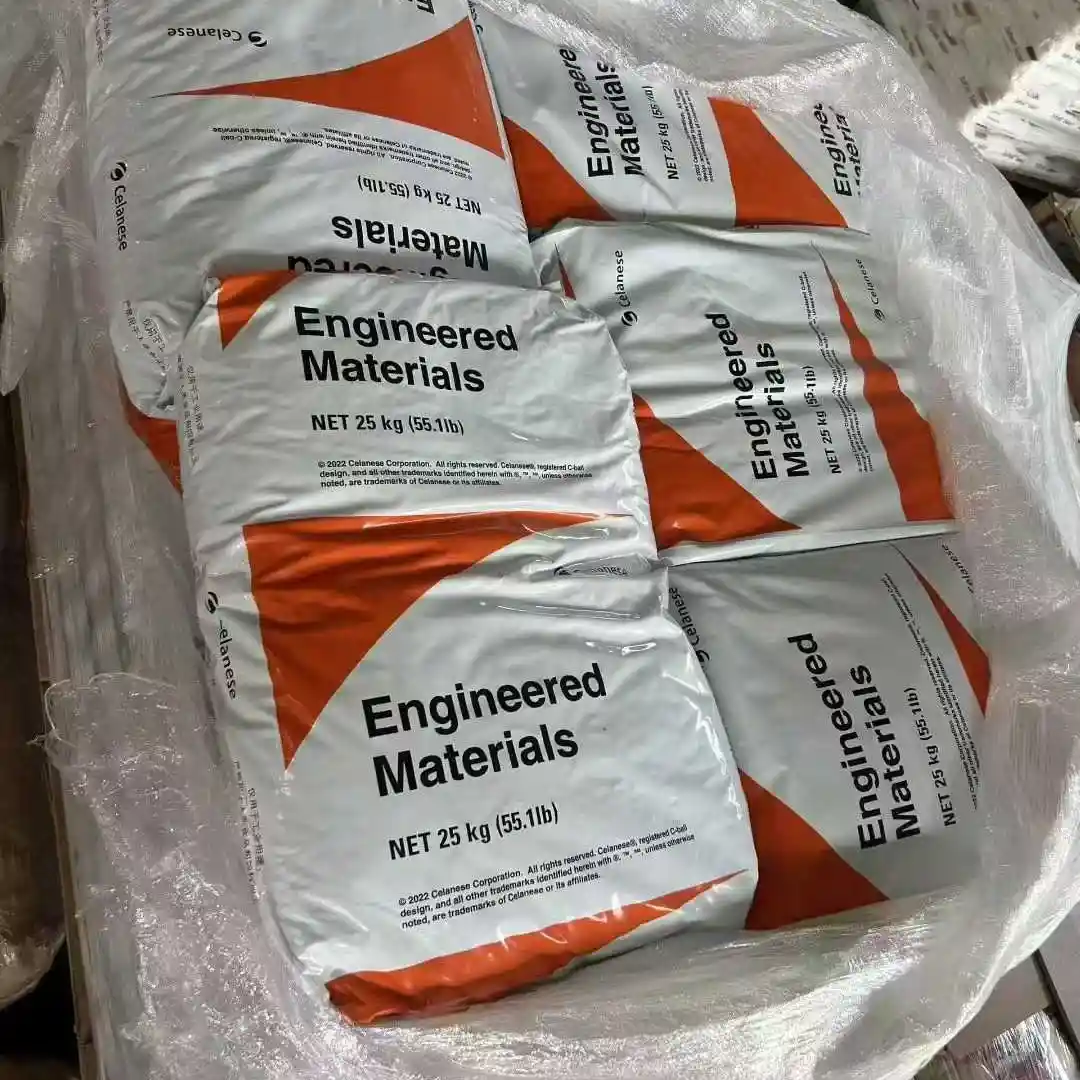
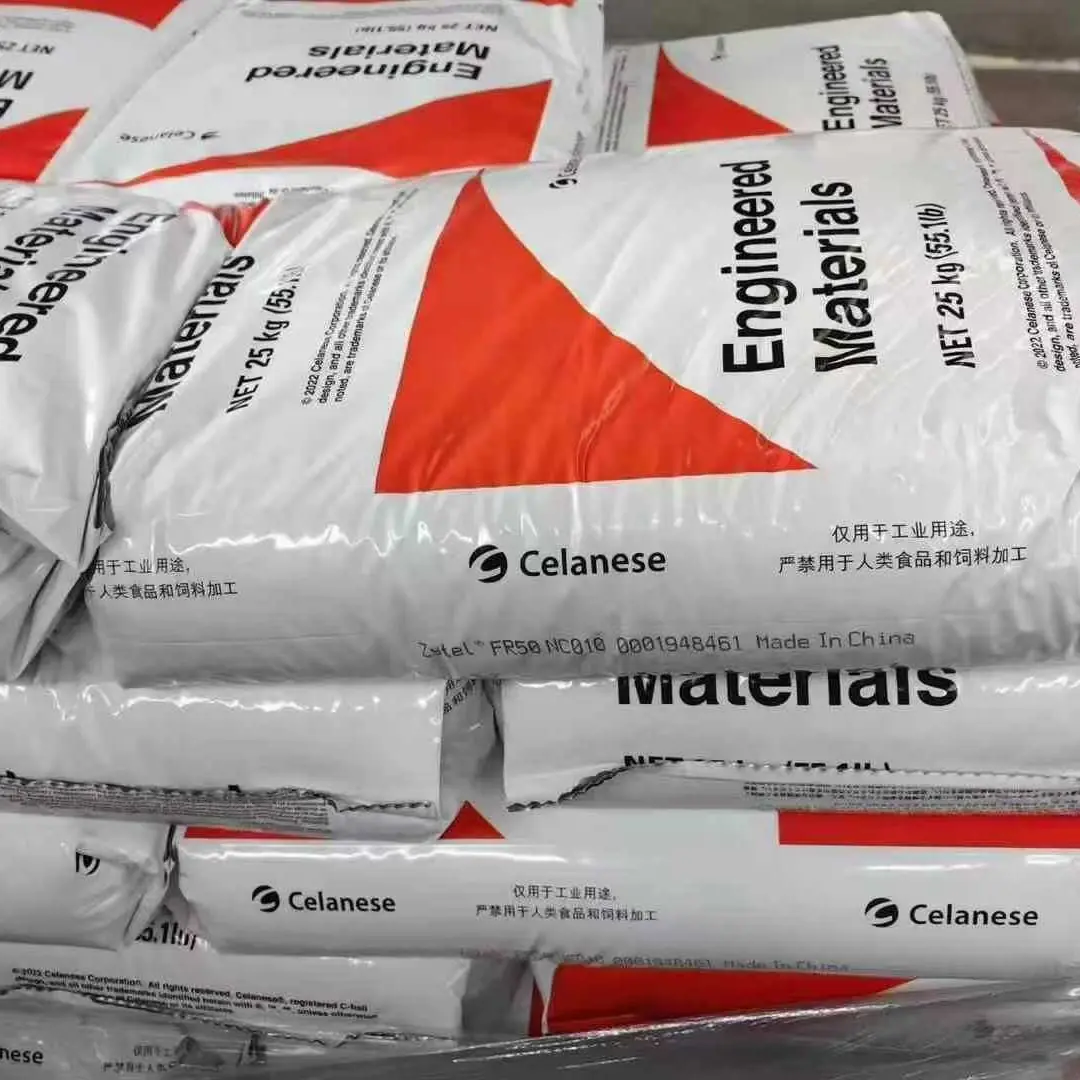
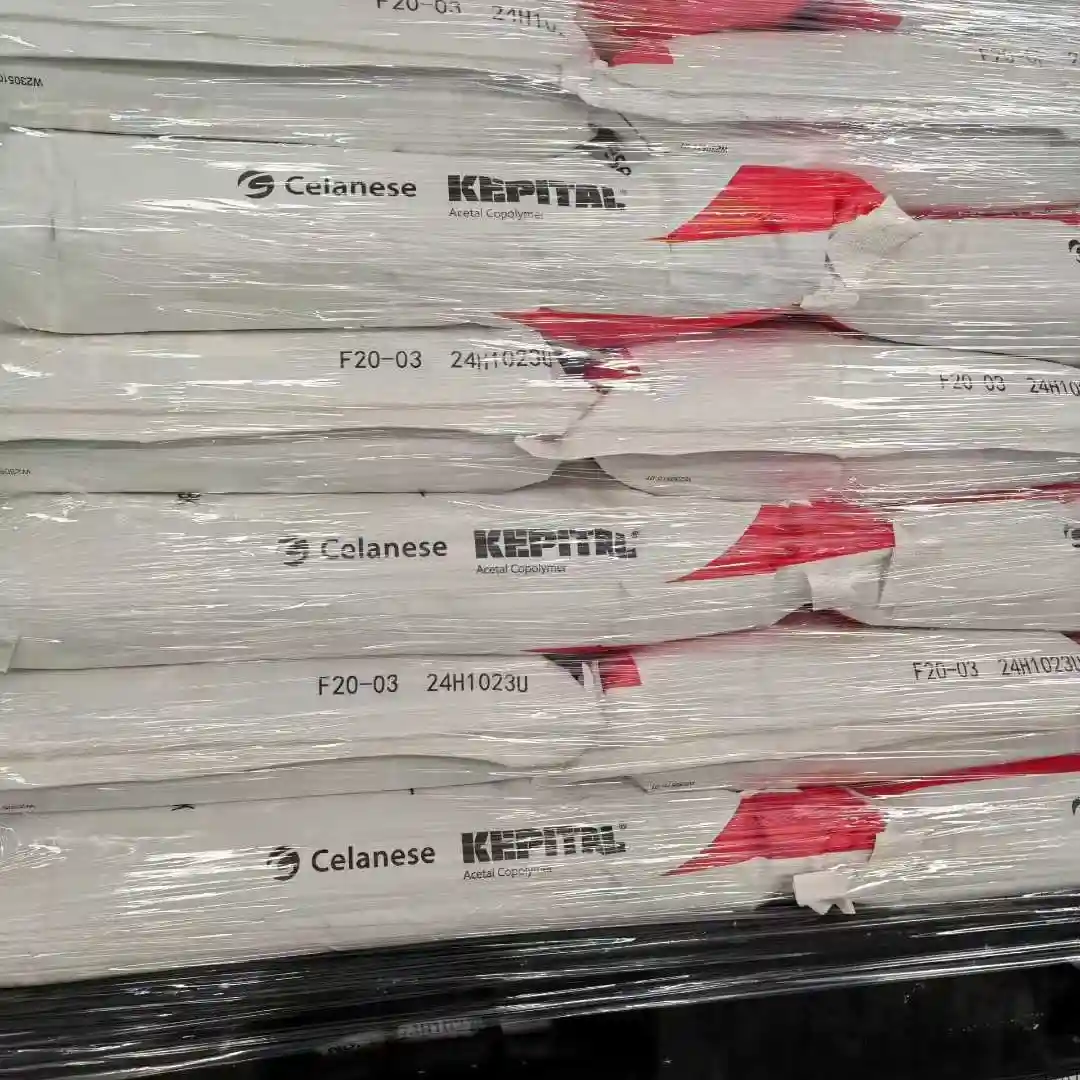
Celanese Zytel® BM7300THS BK317 PA6 is a high-performance polyamide 6 engineering plastic featuring exceptional low-temperature impact resistance, balanced mechanical strength, and stable processing properties for demanding industrial and automotive applications.
| Manufacturer | Celanese |
|---|---|
| Density | 1.09 g/cm³ |
| Tensile Strength at Yield | 60.0 MPa |
| Elongation at Yield | 4.2 % |
| Elongation at Break | > 50 % |
Note: See the product description for additional technical specifications
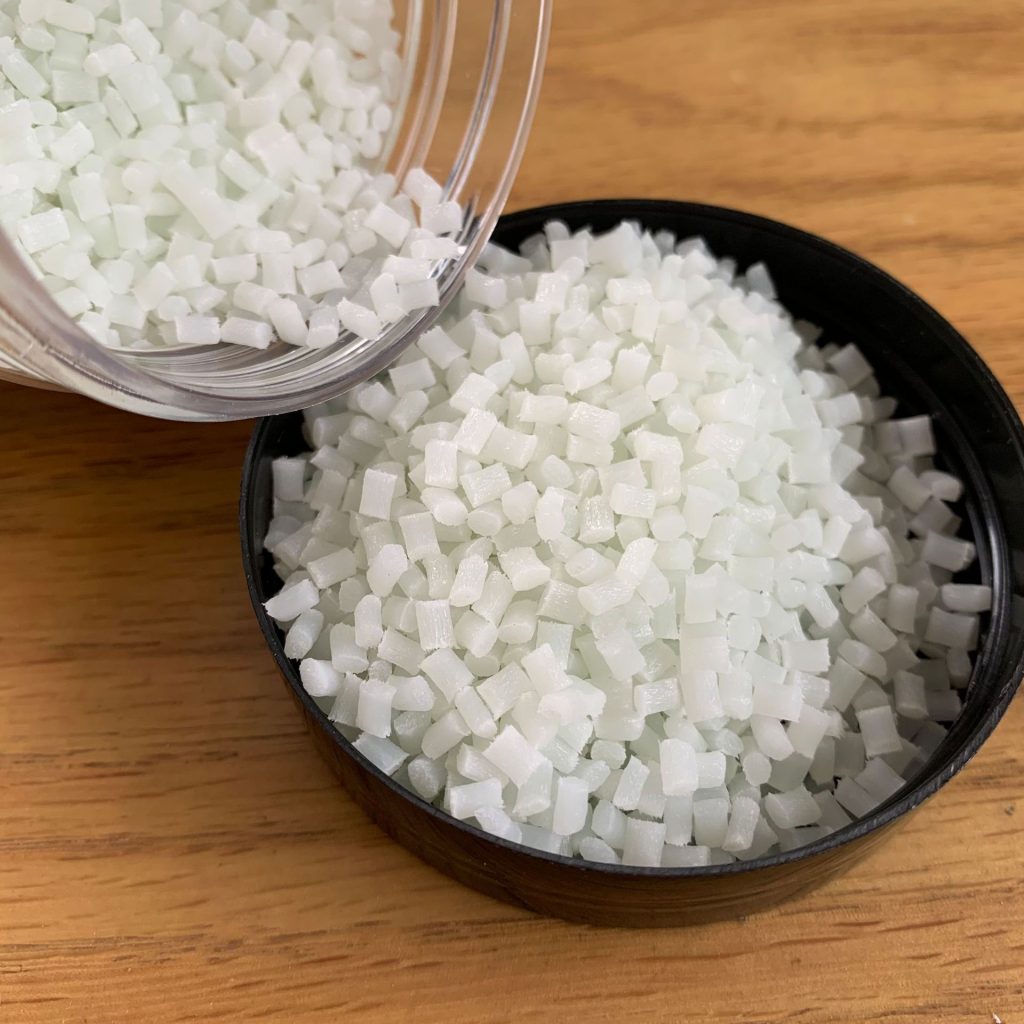
Celanese Zytel® BM7300THS BK317 PA6 is a high-performance polyamide 6 (PA6) plastic raw material manufactured by Celanese, a leading industry manufacturer of engineering materials. The product appears in its physical form as standard black (BK317) pelletized solid particles. As a premium grade within the nylon family, the Zytel® series holds an important position in the global engineering plastics market, widely recognized across industries for its exceptional comprehensive mechanical properties and reliable quality stability. This material is extensively applied in fields such as the automotive industry, electrical and electronics, mechanical manufacturing, and the production of various high-demand industrial components.
| Physical Properties | Test Value | Test Unit | Test Standard |
| Density, Dry | 1.09 | g/cm³ | ISO 1183 |
| Molding Shrinkage, Normal, Dry | 1.1 | % | ISO 294-4 |
| Molding Shrinkage, Parallel, Dry | 1.1 | % | ISO 294-4 |
| Mechanical Properties | Test Value | Test Unit | Test Standard |
| Tensile Modulus, Dry | 2200 | MPa | ISO 527-2 |
| Tensile Modulus, Moist | 600 | MPa | ISO 527-2 |
| Tensile Stress at Yield, Dry | 60 | MPa | ISO 527-2 |
| Tensile Strain at Yield, Dry | 4.2 | % | ISO 527-2 |
| Tensile Strain at Break, Dry | > 50 | % | ISO 527-2 |
| Poisson’s Ratio, Dry | 0.39 | — | No Standard |
| Poisson’s Ratio, Moist | 0.47 | — | No Standard |
| Charpy Notched Impact Strength, Calculated, Dry (-40 °C) | 15 | kJ/m² | ISO 179 1eA |
| Charpy Notched Impact Strength, Calculated, Moist (-40 °C) | 14 | kJ/m² | ISO 179 1eA |
| Charpy Impact Strength, Notched, Dry (-30 °C) | 22 | kJ/m² | ISO 179 1eA |
| Charpy Impact Strength, Notched, Moist (-30 °C) | 21 | kJ/m² | ISO 179 1eA |
| Charpy Impact Strength, Notched, Dry (23 °C) | 45 | kJ/m² | ISO 179 1eA |
| Charpy Impact Strength, Notched, Moist (23 °C) | 150 | kJ/m² | ISO 179 1eA |
| Evaluated Charpy Unnotched Impact Strength, Dry (-30 °C) | No Break | — | ISO 179 1eU |
| Evaluated Charpy Unnotched Impact Strength, Dry (23 °C) | No Break | — | ISO 179 1eU |
| Charpy Impact Strength, Unnotched, Dry (-30 °C) | No Break | — | ISO 179 1eU |
| Charpy Impact Strength, Unnotched, Dry (23 °C) | No Break | — | ISO 179 1eU |
| Izod Impact Strength, Notched, Dry (-30 °C) | 18 | kJ/m² | ISO 180/1A |
| Izod Impact Strength, Notched, Moist (-30 °C) | 20 | kJ/m² | ISO 180/1A |
| Izod Impact Strength, Notched, Dry (23 °C) | 38 | kJ/m² | ISO 180/1A |
| Izod Impact Strength, Notched, Moist (23 °C) | 120 | kJ/m² | ISO 180/1A |
| Thermal Properties | Test Value | Test Unit | Test Standard |
| Deflection Temperature Under Load, Dry, Unannealed (0.45 MPa) | 100 | °C | ISO 75-2/B |
| Deflection Temperature Under Load, Dry, Unannealed (1.8 MPa) | 52 | °C | ISO 75-2/A |
| Melting Temperature, Dry (10 °C, min 0) | 220 | °C | ISO 11357-3 |
| Burning Rate, Dry (1 mm, FMVSS 302) | < 80 | mm/min | ISO 3795 |
| FMVSS Flammability, Dry | B | — | FMVSS 302 |
| Other Properties | Test Value | Test Unit | Test Standard |
| Melt Viscosity, Dry (280 °C, 1.0e+3 sec^-1) | 440000 | mPa·s | ISO 11443 |
Disclaimer: The technical data sheet (TDS) of Celanese Zytel® BM7300THS BK317 PA6 material from Celanese corporation, if there are differences, please refer to the official website of Celanese.
Exceptional Room and Low-Temperature Impact Resistance: Maintains outstanding notched and unnotched impact strength even under severe low-temperature environments down to -30 °C to -40 °C, effectively preventing sudden brittle fractures.
Superior Balance of Mechanical Ductility and Strength: Features favorable tensile modulus and a tensile strain at break exceeding 50%, combining high rigidity with outstanding toughness.
Excellent Processing Fluidity and Melt Viscosity: Possesses a customized melt viscosity profile (440000 mPa·s), demonstrating stable flow and filling performance during twin-screw compounding or injection molding operations.
Good Dimensional Stability and Low Density: Features a density of only 1.09 g/cm³, facilitating lightweight end-product designs while ensuring precise control over molded dimensions.
Compliant Safety and Flammability Performance: Meets automotive interior material burning specifications such as FMVSS 302, adapting well to diverse industrial application scenarios.
Automotive Components: Extensively used in automotive engine peripheral parts, internal structural components, shock-absorbing plastic parts, and durable shields meeting automotive interior flame-retardant requirements.
Electrical and Electronics Components: Suitable for electronic equipment structural brackets, connector housings, and switch assemblies requiring high mechanical strength, impact resistance, and insulation performance.
Industrial Machinery Manufacturing: Applicable for producing industrial gears, bearing cages, and high-strength structural parts that endure high-frequency mechanical stress and require excellent fatigue and tear resistance.
Consumer Electronics and Durable Goods: Satisfies high-strength structural frames, tool handles, and wear-resistant daily hardware accessories that undergo high-frequency opening/closing or load-bearing operations.
Q1: What kind of drying treatment is required for Celanese Zytel® BM7300THS BK317 PA6 prior to molding processing?
A1: Because nylon materials are sensitive to moisture, it is recommended to fully dry the raw material prior to processing (typically drying at 70–80 °C for 2–4 hours) to reduce moisture content below safe standards, ensuring optimal injection and extrusion surface quality while avoiding hydrolytic degradation.
Q2: Compared with general-purpose plastics or polycarbonate (PC), what are the core advantages of this PA6 grade?
A2: Compared to general-purpose plastics, this grade offers higher tensile strength, superior toughness, and better wear and fatigue resistance; compared to PC materials, it holds advantages in impact resistance (especially low-temperature impact), resistance to non-polar chemicals and oils, and features a lower density more favorable for lightweight designs.
Q3: Does this material comply with environmental and international compliance certifications (such as RoHS or UL certifications)?
A3: Yes. As a genuine engineering plastic from Celanese, this product fully complies with major global environmental and regulatory standards (such as the EU RoHS directive and REACH regulations). Specific certificate numbers or detailed environmental test reports (COA/MSDS) can be requested from the supplier or checked via official channels.
Submit your inquiry today and receive a professional competitive price tailored to your project requirements.