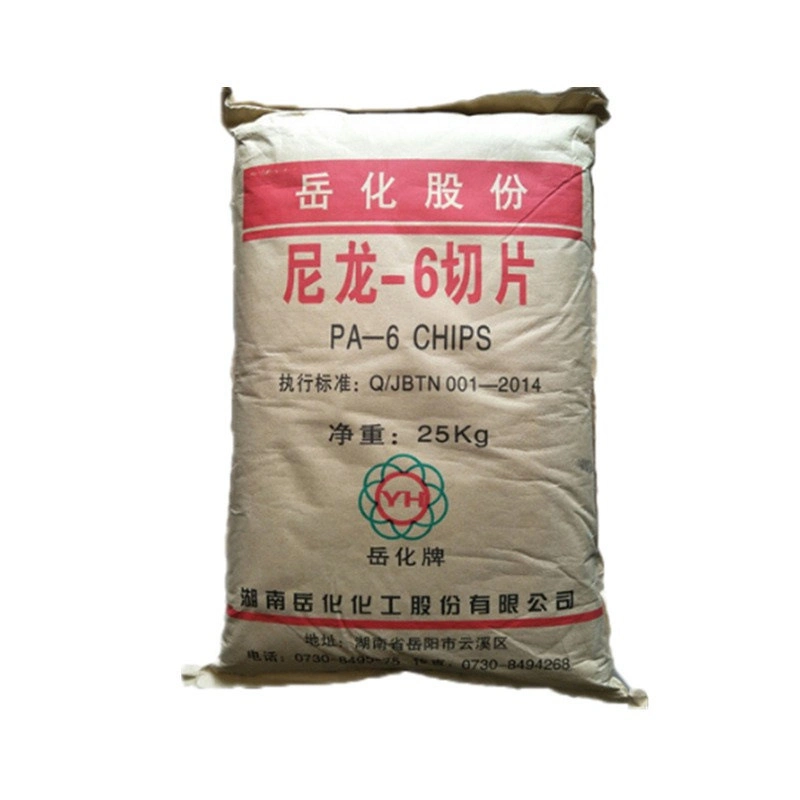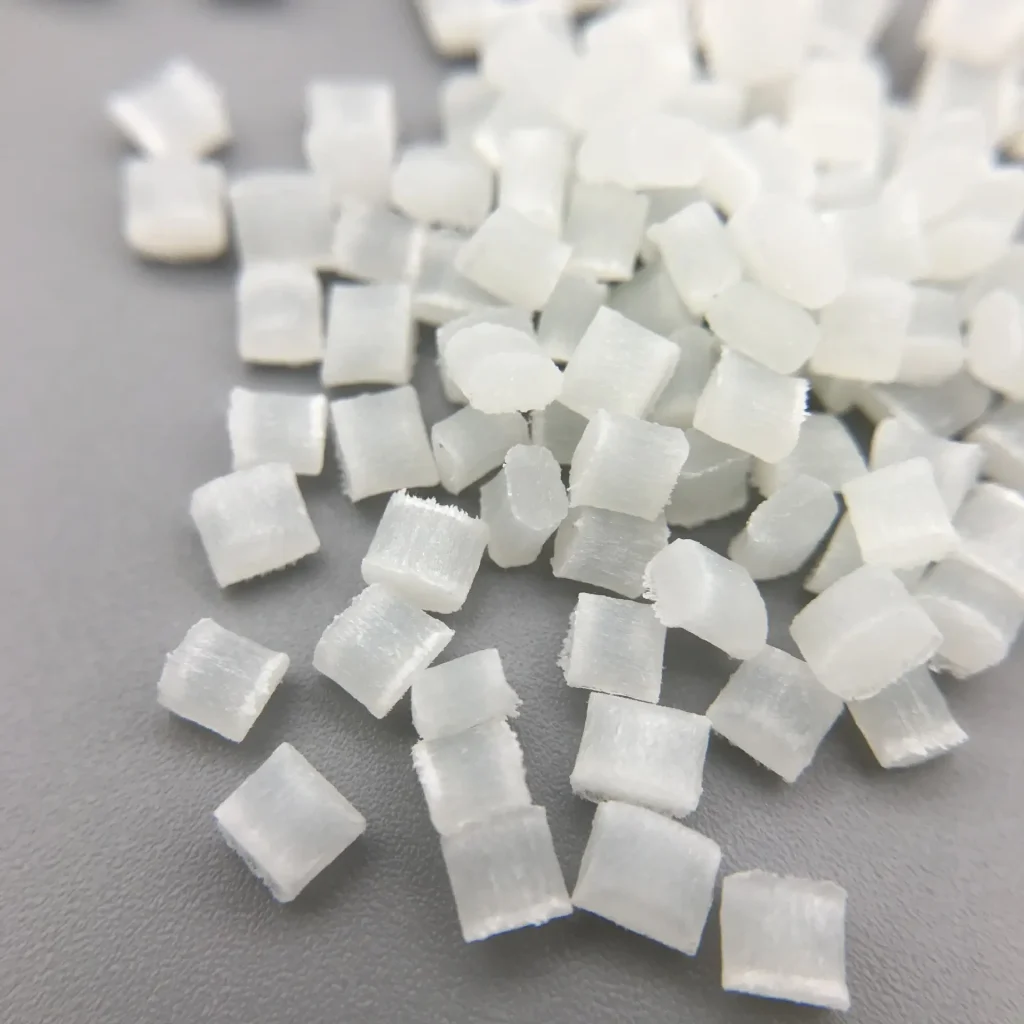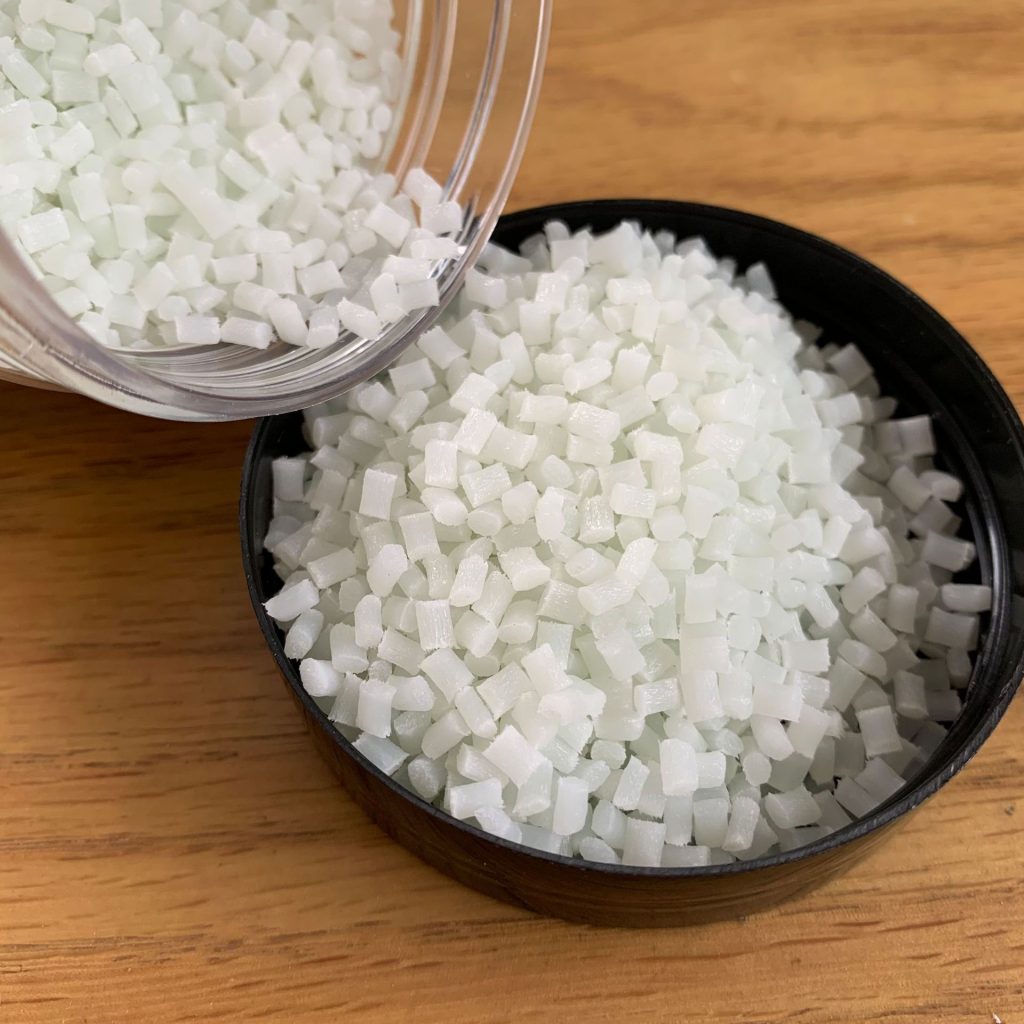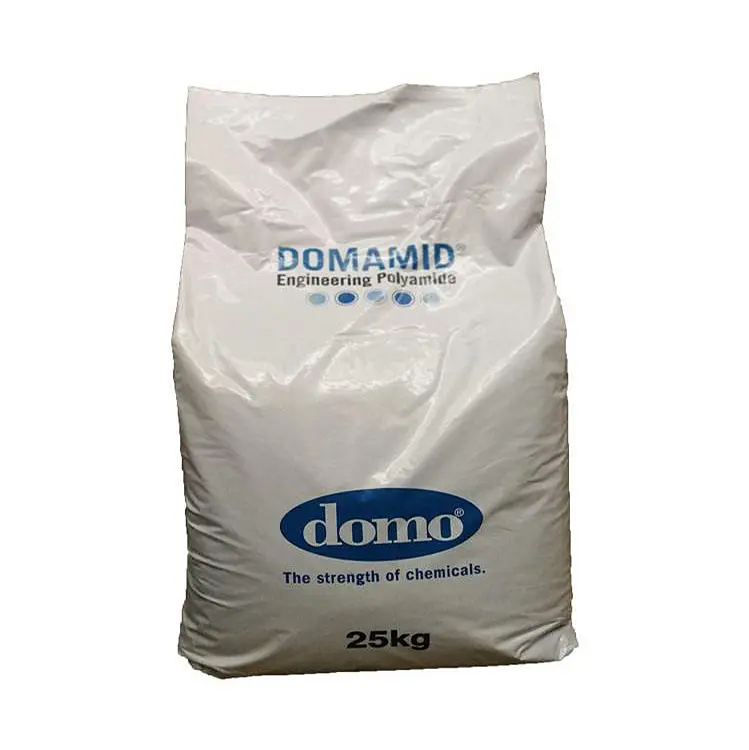
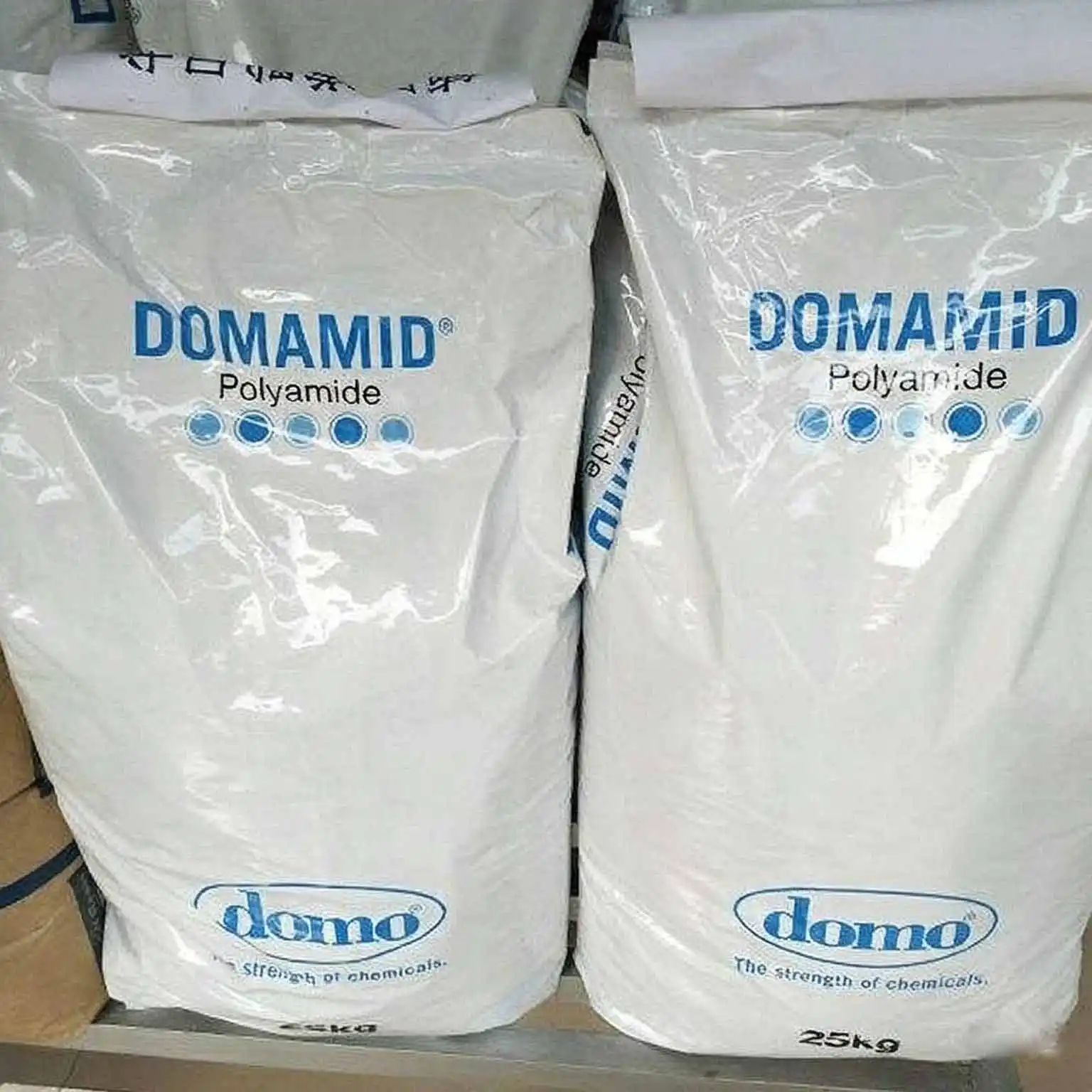
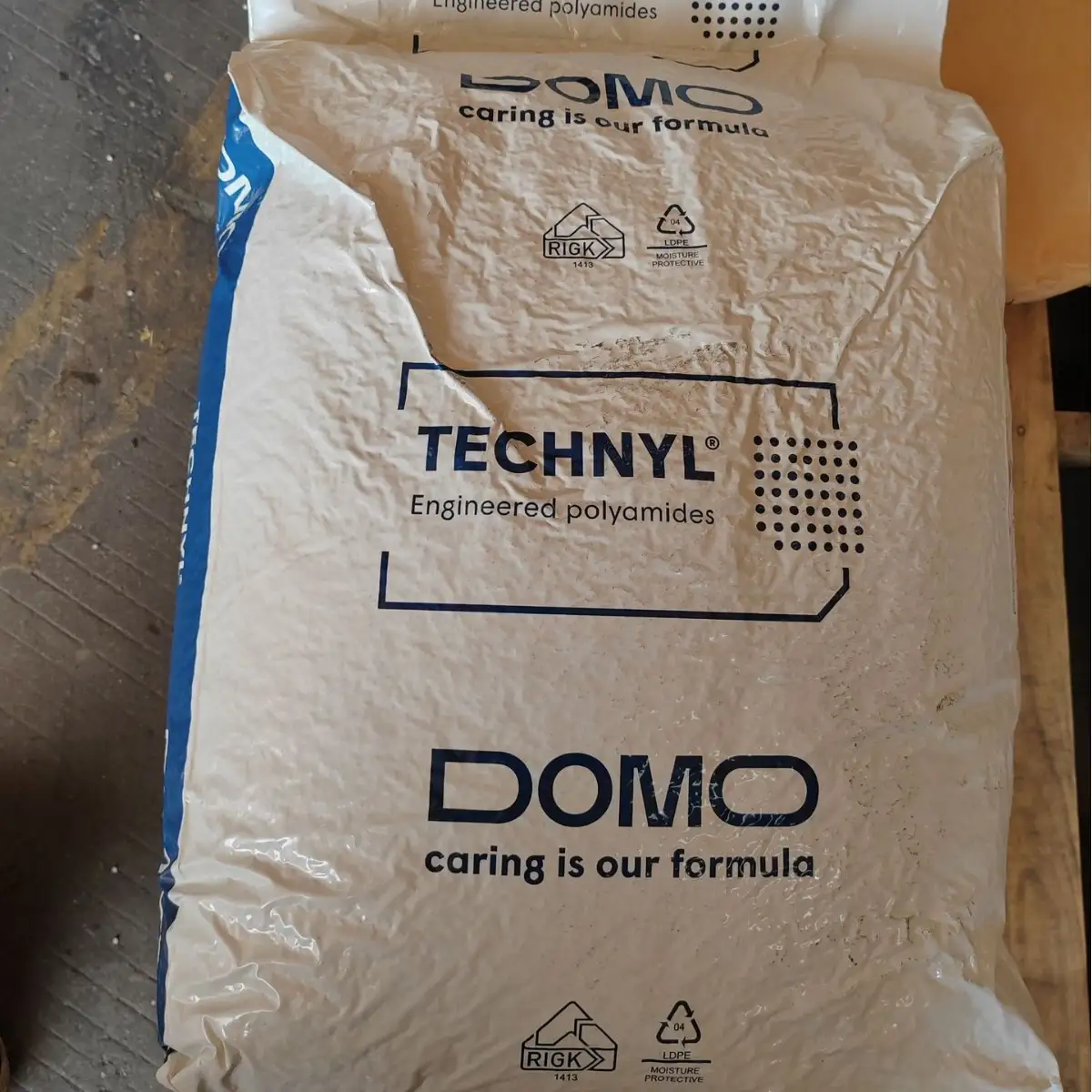
Discover DOMAMID® FR 6V0M by DOMO Chemicals—a halogen-free, PA6 injection molding resin with UL 94 V-0 flame retardancy (1.5 mm) and high CTI (600V). Perfect for electrical, electronic, and automotive components requiring top fire safety and insulation.
| Manufacturer | DOMO Chemicals |
|---|---|
| Density | 1.17 g/cm³ |
| Tensile Strength at Yield | 80.0 MPa |
| Elongation at Break | 15 % |
| Flexural Modulus | 3200 MPa |
Note: See the product description for additional technical specifications
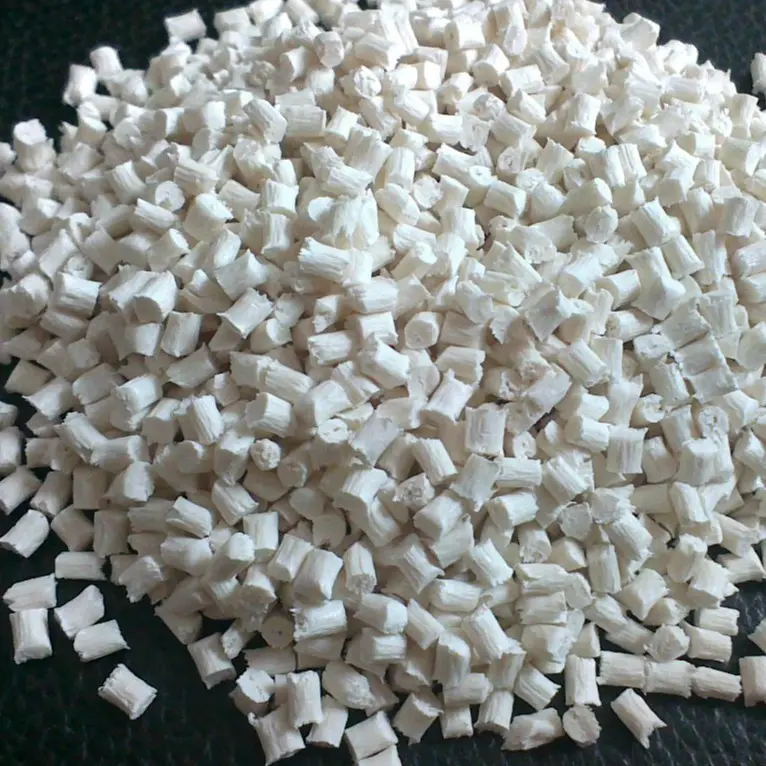
DOMAMID® FR 6V0M is a polyamide 6 (PA6, nylon 6) halogen-free flame-retardant injection molding resin produced by DOMO Chemicals (formerly the engineering plastics division of Solvay/Rhodia). This material is supplied in milky white or natural opaque cylindrical pellets. It is an unreinforced virgin resin featuring a halogen-free, low-phosphorus, phosphorus-nitrogen synergistic flame-retardant system that achieves a V-0 rating with a UL Yellow Card number of E170540. The core characteristic of 6V0M lies in its combination of the inherent high strength, high rigidity, and excellent processing flowability of PA6 with eco-friendly halogen-free flame retardancy—offering a UL 94 flame retardant rating of V-0 (at 1.5 mm), a Glow Wire Flammability Index (GWFI) of 960 °C, and a halogen- and red phosphorus-free formulation that produces low smoke and non-toxic gases during combustion. Designed specifically for injection molding processes, this grade is widely applied in electrical and electronic, automotive electrical, and industrial component sectors where strict requirements exist for fire safety, electrical insulation, and environmental compliance. It stands out as one of the benchmark grades balancing safety and sustainability within the DOMAMID® portfolio.
| Physical Properties | Test Value | Test Unit | Test Standard |
| Density, dry | 1.17 | g/cm³ | ISO 1183 |
| Mold shrinkage, perpendicular, dry (50% RH, 23 °C, 72 h) | 0.90-1.1 | % | ISO 2577 |
| Mold shrinkage, parallel, dry (50% RH, 23 °C, 72 h) | 0.90-1.1 | % | ISO 2577 |
| Mechanical Properties | Test Value | Test Unit | Test Standard |
| Tensile modulus, dry | 3400 | MPa | ISO 527-2/1 |
| Tensile modulus, conditioned | 1500 | MPa | ISO 527-2/1 |
| Tensile stress at yield, dry | 80 | MPa | ISO 527-2/50 |
| Tensile stress at yield, conditioned | 40 | MPa | ISO 527-2/50 |
| Tensile strain at break, dry | 15 | % | ISO 527-2/50 |
| Tensile strain at break, conditioned | > 50 | % | ISO 527-2/50 |
| Flexural modulus, dry (2 mm/min) | 3200 | MPa | ISO 178 |
| Flexural modulus, conditioned (2 mm/min) | 1300 | MPa | ISO 178 |
| Flexural strength, dry (2 mm/min) | 120 | MPa | ISO 178 |
| Flexural strength, conditioned (2 mm/min) | 50 | MPa | ISO 178 |
| Charpy notched impact strength, dry (23 °C) | 4 | kJ/m² | ISO 179 1eA |
| Charpy notched impact strength, conditioned (23 °C) | 10 | kJ/m² | ISO 179 1eA |
| Charpy unnotched impact strength, dry (23 °C) | 80 | kJ/m² | ISO 179 1eU |
| Izod notched impact strength, dry (23 °C) | 3.5 | kJ/m² | ISO 180/1A |
| Izod notched impact strength, conditioned (23 °C) | 10 | kJ/m² | ISO 180/1A |
| Izod unnotched impact strength, dry (23 °C) | 70 | kJ/m² | ISO 180/1U |
| Thermal Properties | Test Value | Test Unit | Test Standard |
| Deflection temperature under load, dry, unannealed (0.45 MPa) | 180 | °C | ISO 75-2/B |
| Deflection temperature under load, dry, unannealed (1.8 MPa) | 70 | °C | ISO 75-2/A |
| Vicat softening point, dry | 205 | °C | ISO 306/B50 |
| Melting temperature, dry | 221 | °C | ISO 11357-3 |
| Burning rate, dry | < 100 | mm/min | FMVSS 302 |
| Flammability rating, dry (1.5 mm) | V-0 | — | UL 94 |
| Glow Wire Flammability Index (GWFI), dry (1-3 mm) | 960 | °C | IEC 60695-2-12 |
| Glow Wire Ignition Temperature (GWIT), dry (1-3 mm) | 750 | °C | IEC 60695-2-13 |
| Electrical Properties | Test Value | Test Unit | Test Standard |
| Surface resistivity, dry | 1.00E+13 | ohms | IEC 60093 |
| Volume resistivity, dry | 1.00E+15 | ohms·cm | IEC 60093 |
| Comparative Tracking Index (CTI), Solution A, dry | 600 | V | IEC 60112 |
The technical data sheet (TDS) of DOMAMID® FR 6V0M material from DOMO Chemicals corporation, if there are differences, please refer to the official website of DOMO Chemicals.
Halogen-Free and Low-Phosphorus Eco-Friendly Flame Retardancy: Utilizes a phosphorus-nitrogen synergistic intumescent flame-retardant system, free of halogens and red phosphorus. It produces low smoke, low toxicity, and no dripping during combustion, complying with RoHS, REACH, and increasingly strict environmental regulations, making it a sustainable alternative to traditional brominated flame-retardant PA6.
UL 94 V-0 High Flame Retardancy Rating: Achieves a V-0 rating at a 1.5 mm thickness, complemented by a GWFI of 960 °C and GWIT of 750 °C glow-wire performance, making it suitable for electrical components with zero tolerance for fire safety risks.
Excellent Electrical Insulation Properties: Features a volume resistivity of up to 1.0E+15 Ω·cm and a CTI of 600 V (Solution A), capable of withstanding high-voltage arcing environments, serving as an ideal base material for high-voltage electrical parts such as circuit breakers, relays, and connectors.
High Strength and High Rigidity: Offers a dry tensile strength of 80 MPa and a flexural modulus of 3200 MPa, representing a high-rigidity tier among unreinforced virgin resins and allowing for partial metal replacement to achieve weight reduction.
Good Processing Flowability and Broad Processing Window: Features a melt temperature of 230–250 °C and a mold temperature of 60–80 °C, offering favorable filling behavior for thin-walled parts, smooth demolding, and suitability for high-speed injection molding and mass production.
High CTI and Arc Resistance: A CTI of 600 V enables the material to maintain good leakage resistance under humid and contaminated environments, extending the service life of electrical products.
Electrical & Electronics: Circuit breaker housings, relay bases, terminal blocks, power sockets, switch panels, electrical connectors, electricity meter housings, and LED driver housings—leveraging V-0 flame retardancy and high CTI to ensure electrical safety.
Automotive Electrical: New energy vehicle battery module brackets, high-voltage connectors, charging gun housings, fuse boxes, and ECU housings—meeting automotive-grade flame retardancy and halogen-free environmental requirements.
Industrial Control: Industrial relay modules, PLC module housings, inverter heat sink housings, and servo drive structural components.
Consumer Electronics: Laptop adapter housings, router/set-top box housings, power tool housings, and home appliance control panels.
Photovoltaic & New Energy: Solar junction boxes, combiner box structural components, and charging pile housings (orange high-voltage dedicated grades can also be selected from the compatible TECHNYL® ONE series).
Note: 6V0M is an unreinforced virgin resin. If higher rigidity, lower shrinkage, or higher HDT is required, DOMO DOMAMID® 6G25V0EF (25% glass fiber reinforced halogen-free flame retardant) or 6LVG series glass fiber reinforced grades can be selected.
Q1: Must 6V0M be dried before processing? What is the recommended process?
A: PA6 easily absorbs moisture, and trace amounts of moisture can cause hydrolytic degradation, silver streaks, bubbles, and a decline in mechanical properties. Hot air drying at 75–85 °C for 2–4 hours is recommended to ensure a moisture content of ≤ 0.2%; the drying air dew point should be below -30 °C. The recommended melt temperature is 230–250 °C, and the mold temperature is 60–80 °C (higher mold temperatures help promote uniform crystallization and reduce internal stresses). Injection speed should be medium to fast to avoid excessive shear heat leading to the decomposition of the flame retardant.
Q2: What are the core advantages of 6V0M compared to brominated flame-retardant PA6?
A: Brominated flame-retardant PA6 offers high flame-retardant efficiency and lower cost, but it releases corrosive and toxic gases such as HBr during combustion, and certain brominated substances have been restricted by EU POPs regulations. 6V0M adopts a halogen-free, low-phosphorus, phosphorus-nitrogen intumescent flame-retardant system that forms a dense char layer on the surface during combustion to insulate oxygen, releasing gases with low smoke, low toxicity, and zero corrosiveness, better aligning with global environmental regulations (RoHS/REACH/EPEAT) and brand owners’ green procurement requirements. The trade-off is a slightly higher cost, while its CTI performance generally outperforms brominated solutions.
Q3: What is the compliance certification status of this grade?
A: 6V0M holds UL Yellow Card certification (Number E170540), a UL 94 V-0 rating (1.5 mm), complies with the RoHS directive and REACH regulation restricted substance requirements, and has passed the FMVSS 302 burning rate test. TDS, SDS, COA, and original manufacturer compliance declarations are available for each batch. For food contact or medical applications, specific formulations must be confirmed and submitted for third-party testing, as this grade is not specifically designed for food/medical uses.
Q4: Can 6V0M be reinforced with glass fiber? How do properties change after reinforcement?
A: 6V0M itself is a virgin resin platform, and DOMO has developed derivative grades such as 6G25V0EF (25% glass fiber reinforced halogen-free flame retardant) and 6G30V0 on this platform. After adding 25–30% chopped glass fibers, the heat deflection temperature (1.8 MPa) can increase from 70 °C to over 200 °C, the flexural modulus doubles, and the warpage is controlled below 0.015 mm/mm, making it suitable for structural parts with higher demands on dimensional stability and heat resistance. If a reinforced solution is needed, it is recommended to directly select the corresponding grade rather than blending it yourself.
Submit your inquiry today and receive a professional competitive price tailored to your project requirements.