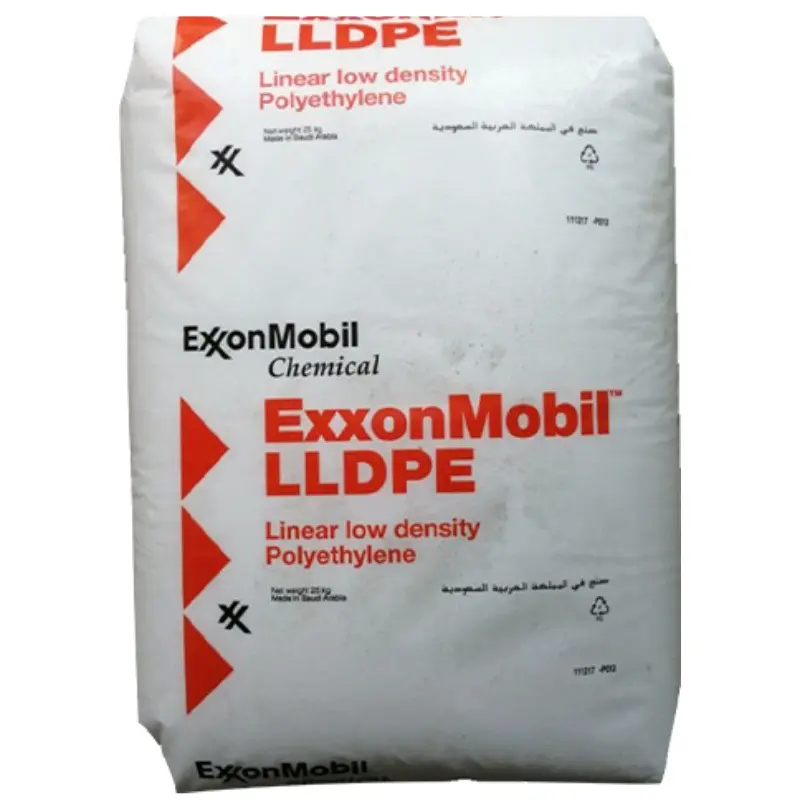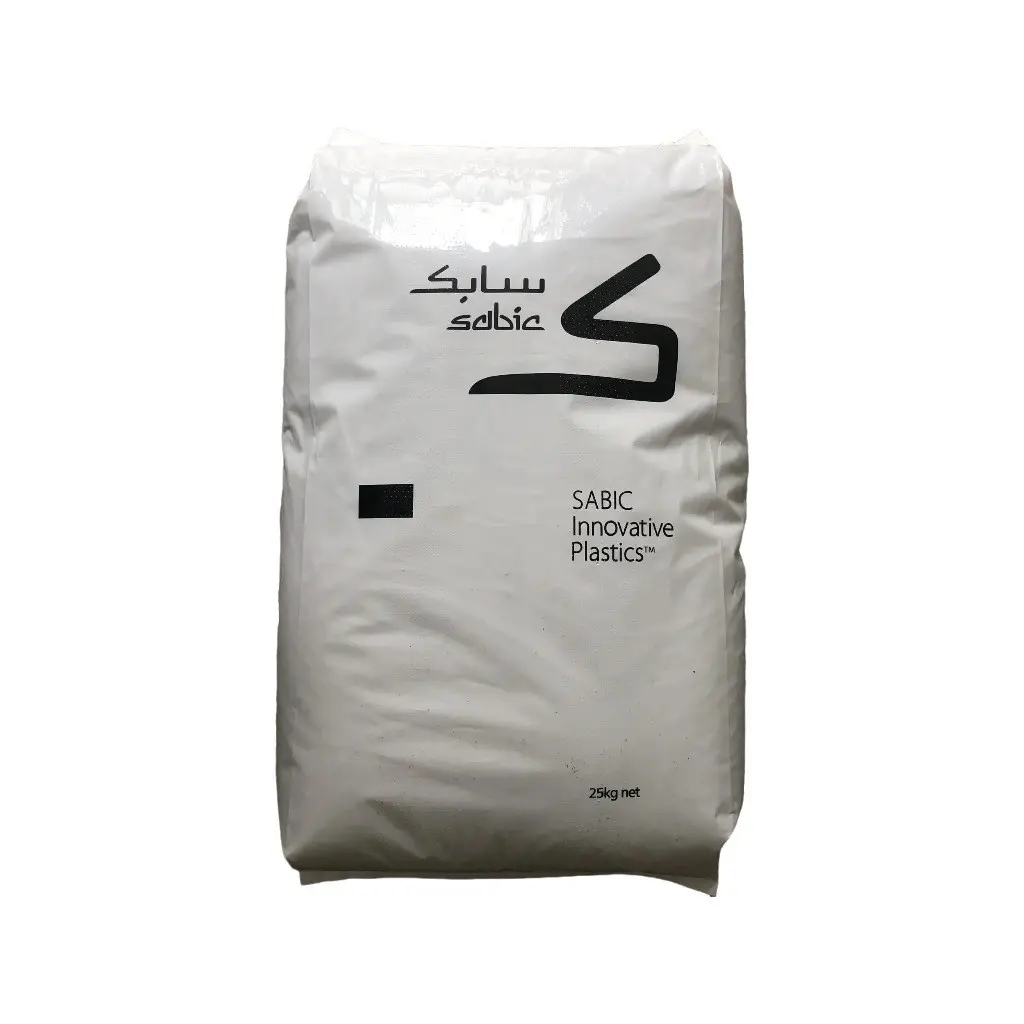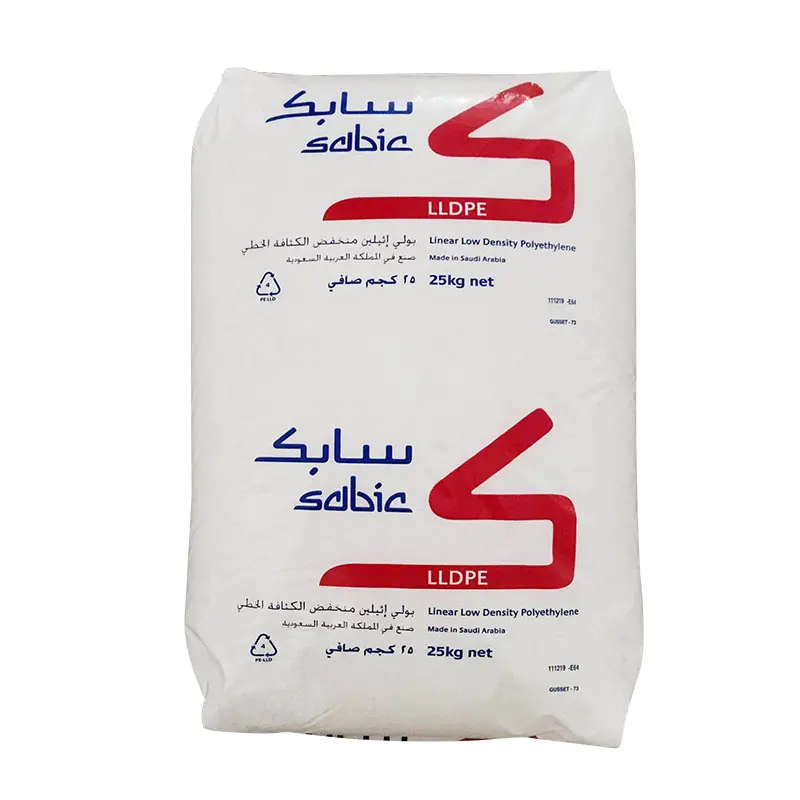
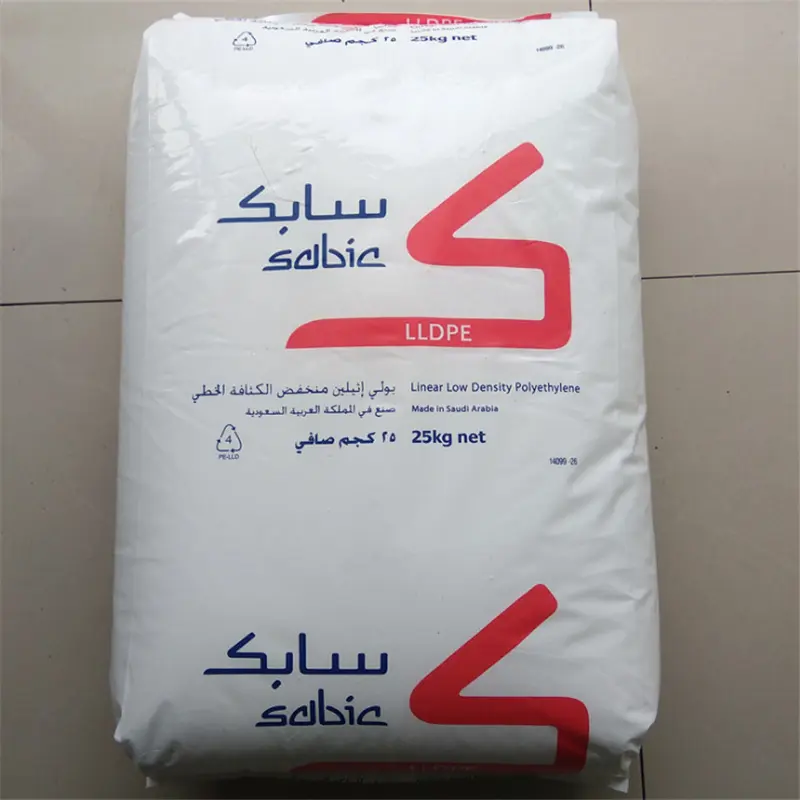
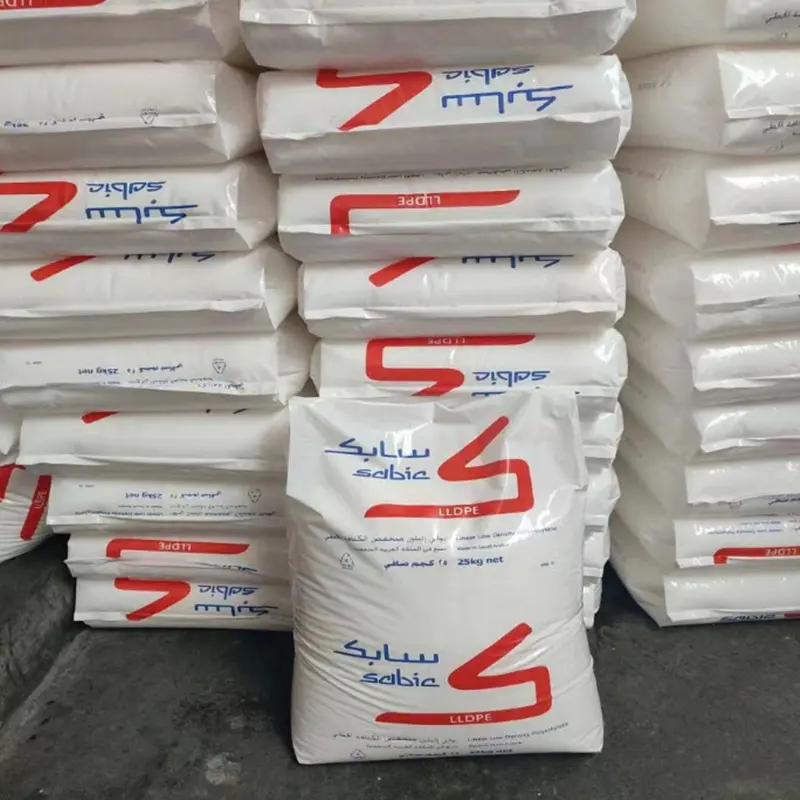
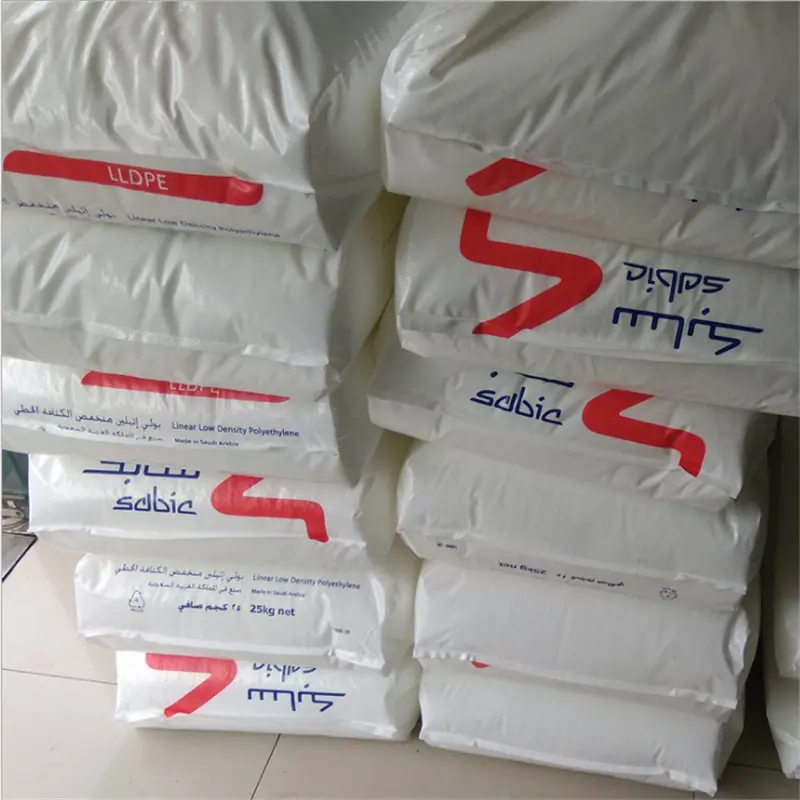
SABIC LLDPE 218WJ is a TNPP-free C4-butene linear low-density polyethylene resin designed for blown film extrusion with built-in slip and antiblock additives.
| Manufacturer | SABIC |
|---|---|
| Density | 0.918 g/cm³ |
| MFR | 2.0 g/10min |
| Vicat Softening Point | 98 °C |
| Haze | 13 % |
Note: See the product description for additional technical specifications
SABIC® LLDPE 218WJ is a general-purpose C4-butene linear low-density polyethylene (C4-LLDPE) from the SABIC 218 series. Formulated without TNPP (tris(nonylphenyl) phosphite), it is specifically designed for blown film extrusion. In the general packaging film market, this grade represents a cost-effective, proven choice positioned between basic LDPE and premium metallocene LLDPE, delivering a balanced combination of processing stability, mechanical strength, and optical performance.
It appears as natural cylindrical pellets and comes pre-blended with 1500 ppm slip agent and 3500 ppm antiblock agent. It can be fed directly into extruders without supplementary additives, significantly reducing the risk of poor film opening and blocking during film production. SABIC® 218WJ has passed multiple food contact compliance certifications, making it a reliable base resin for general packaging applications such as shopping bags, carrier bags, garbage bags, thin liners, and co-extruded laminated films.
| Property | Value | Unit | Test Standard |
| Density | 0.918 | g/cm³ | ASTM D1505 / ISO 1183 |
| Melt Flow Rate (190 °C / 2.16 kg) | 2 | g/10min | ASTM D1238 |
| Property | Value | Unit | Test Standard |
| Secant Modulus, 1% Secant, Parallel (MD) | 220 | MPa | ASTM D882 |
| Secant Modulus, 1% Secant, Normal (TD) | 260 | MPa | ASTM D882 |
| Tensile Strength at Yield, Parallel (MD) | 12 | MPa | ASTM D882 |
| Tensile Strength at Yield, Normal (TD) | 10 | MPa | ASTM D882 |
| Tensile Strength at Break, Parallel (MD) | 35 | MPa | ASTM D882 |
| Tensile Strength at Break, Normal (TD) | 29 | MPa | ASTM D882 |
| Tensile Elongation at Break, Parallel (MD) | 700 | % | ASTM D882 |
| Tensile Elongation at Break, Normal (TD) | 750 | % | ASTM D882 |
| Elmendorf Tear Strength, Parallel (MD) | 130 | g | ASTM D1922 |
| Elmendorf Tear Strength, Normal (TD) | 320 | g | ASTM D1922 |
| Dart Drop Impact | 833.6 | kN/m | ASTM D1709 |
| Property | Value | Unit | Test Standard |
| Vicat Softening Point | 98 | °C | ASTM D1525 |
| Property | Value | Unit | Test Standard |
| Gloss (60°) | 80 | — | ASTM D2457 |
| Haze | 13 | % | ASTM D1003 |
| Property | Value | Unit | Test Standard |
| Puncture Resistance | 63 | J/m | Internal Method |
The technical data sheet (TDS) of SABIC® LLDPE 218WJ material from SABIC corporation, if there are differences, please refer to the official website of SABIC.
Direct Processing Without Drying (Low Energy & Streamlined Steps): LLDPE has extremely low moisture absorption. SABIC® 218WJ typically requires no pre-drying prior to extrusion, saving energy and shortening startup times.
Built-in Slip and Antiblock Package (Superior Film Handling): Pre-blended with 1500 ppm slip agent and 3500 ppm antiblock agent, ensuring easy film opening, smooth rewinding, and efficient bag-making while minimizing scrap and downtime caused by blocking.
TNPP-Free Formulation (Food Contact Compliant): Formulated without TNPP, meeting food contact regulatory frameworks including EU 1935/2004, EU 10/2011, and German BfR polyethylene recommendations, making it ideal for food and consumer packaging films.
Balanced Mechanical Strength and Optical Performance: Features a dart drop impact of 833.6 kN/m and puncture resistance of 63 J/m, combined with a 60° gloss of 80 and haze of 13%, delivering an outstanding balance between strength and aesthetic clarity in general packaging.
Wide Processing Window (Excellent Bubble Stability): Recommended melt temperature ranges from 185 °C to 205 °C with a blow-up ratio of 2.0 to 3.0. It maintains thermal stability at elevated temperatures, making it suitable for continuous blown film production.
Cost-Optimized General-Purpose Resin: As a C4-butene LLDPE, SABIC® 218WJ strikes an optimal balance between cost and performance, perfect for general bag and packaging applications that do not demand extreme downgauging or ultra-high clarity.
Retail & Daily Utility Bags: Shopping bags, carrier bags, and trash bags represent core applications for SABIC® 218WJ. The combination of 2.0 g/10min MFR and 0.918 g/cm³ density provides sufficient melt strength and toughness during blown film processing, yielding reliable load capacity and tear resistance in final bag products.
Thin Liners & Protective Films: Used for industrial liners, agricultural films, or refuse collection liners. It leverages high tensile elongation at break (MD 700%, TD 750%) and puncture resistance to maintain structural integrity even when down-gauged.
Co-extrusion & Laminated Structures: Serves as a sealant layer or toughness core layer in multi-layer co-extruded films paired with PA, EVOH, or LDPE for flexible food and consumer packaging. Its TNPP-free formulation provides a compliant foundation for food contact structures.
General Consumer Packaging: Ideal for secondary outer packaging, textile bags, mailing envelopes, and general goods packaging requiring basic strength and clarity without the cost premium of metallocene-level optics.
Q1: Does SABIC 218WJ require pre-drying before blown film processing?
Generally no. LLDPE naturally exhibits minimal moisture absorption. Under standard storage conditions, 218WJ can be processed directly without pre-drying. If the material has been exposed to high humidity for extended periods or damaged packaging causes moisture accumulation, short-term drying at around 70 °C can be applied to avoid bubbles or fish eyes in the film. Storage environments should remain dry and ventilated, below 50 °C, and shielded from direct sunlight.
Q2: What are the main differences between SABIC 218WJ and metallocene LLDPE (mLLDPE), and how should I choose?
SABIC 218WJ is a C4-butene LLDPE, whereas metallocene LLDPE utilizes metallocene catalyst systems yielding narrower molecular weight distribution and more uniform comonomer incorporation. mLLDPE typically offers superior dart impact, puncture resistance, and lower seal initiation temperatures, but carries a higher price point. SABIC 218WJ is positioned as a cost-effective general-purpose blown film resin: for cost-sensitive shopping bags, garbage bags, and liners where extreme downgauging or ultra-low sealing temperatures are not critical, 218WJ offers ample performance. If the end product demands high puncture resistance at low thickness or a broader sealing window, metallocene grades should be evaluated. Within the SABIC 218 series, grades like 218NT are also available for higher stiffness requirements.
Q3: Is SABIC 218WJ compliant for food contact packaging, and what documentation should be requested?
Yes, SABIC 218WJ is a food contact compliant grade. Its formulation and production processes align with EU 1935/2004 and EU 10/2011 overall migration limits and substance listings, appear on the German BfR polyethylene recommendation list, and comply with FDA 21 CFR 177.1520 olefin polymer provisions in the US. Upon procurement, buyers should request a Declaration of Compliance (DoC), Overall & Specific Migration Limit (OML/SML) supporting documents, and the batch Certificate of Analysis (COA). Note that final packaging compliance responsibility rests with converters and brand owners based on actual end-use conditions (food types, contact time, and temperature); resin compliance declarations serve as the starting point of this evaluation chain.
Submit your inquiry today and receive a professional competitive price tailored to your project requirements.