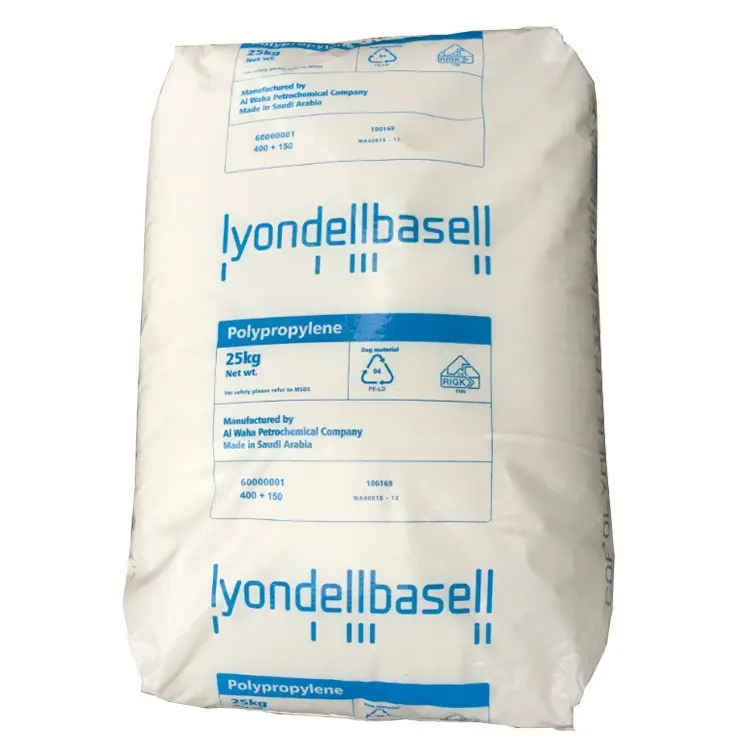
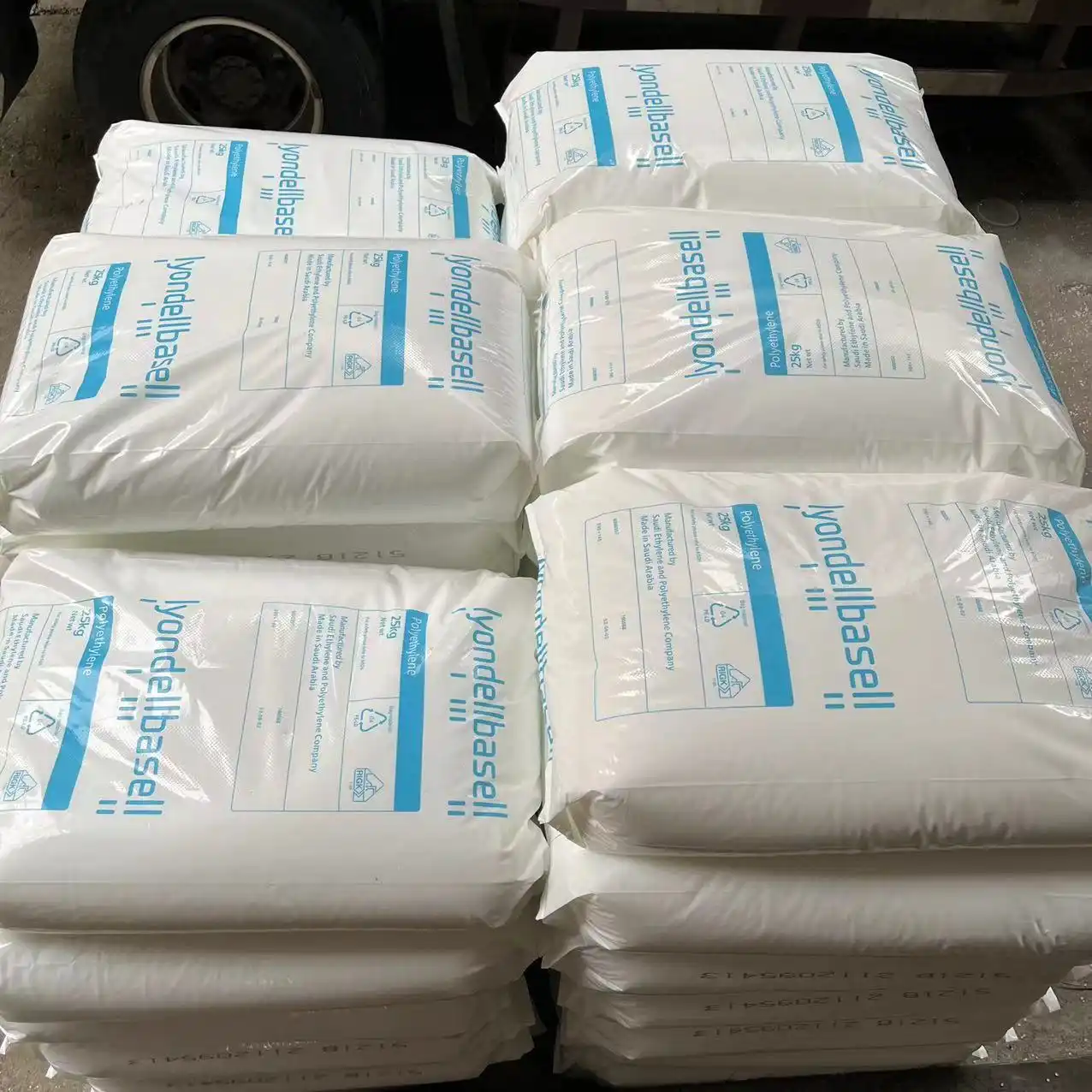
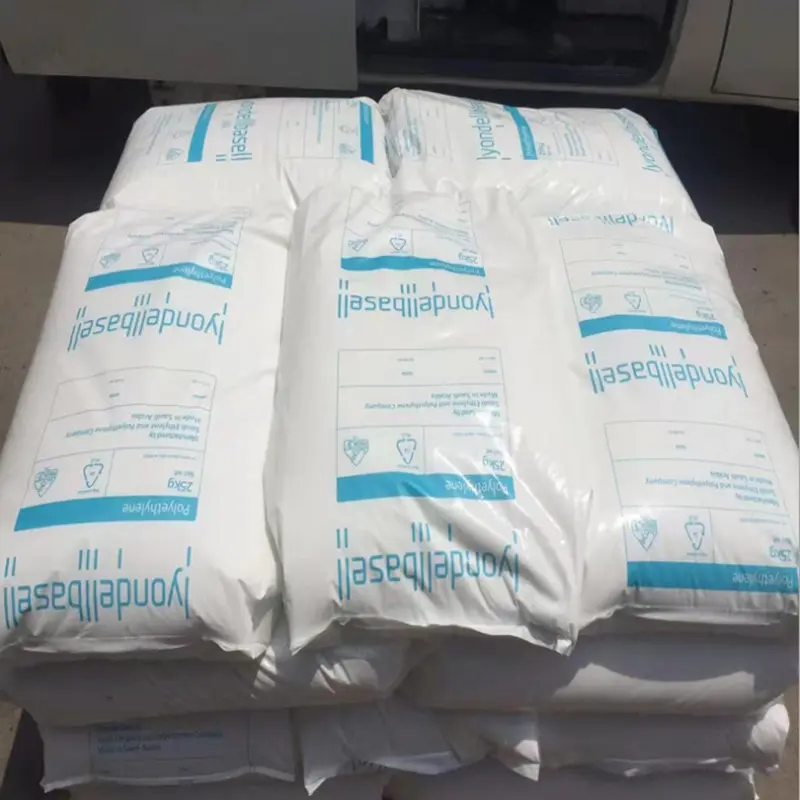
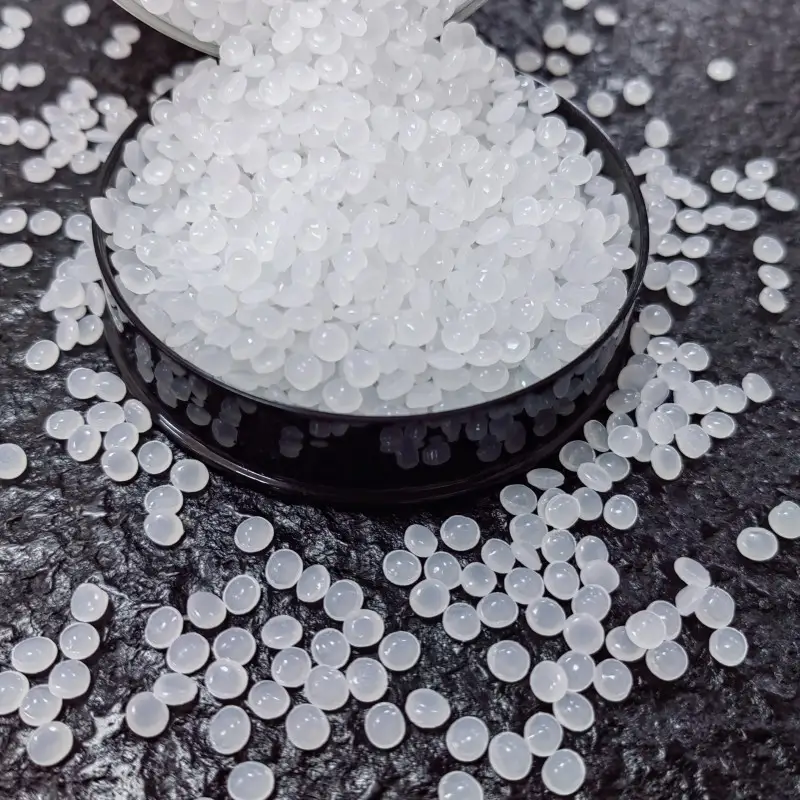
LyondellBasell Lupolen 2426H is a film-grade low-density polyethylene (LDPE) resin featuring high optical quality, balanced mechanical strength, and excellent processing stability, widely used for blown and cast film applications.
| Manufacturer | LyondellBasell |
|---|---|
| Density | 0.924 g/cm³ |
| MFR | 1.9 g/10min |
| Tensile Modulus | 260 MPa |
| Tensile Strength at Yield | 11.0 MPa |
Note: See the product description for additional technical specifications
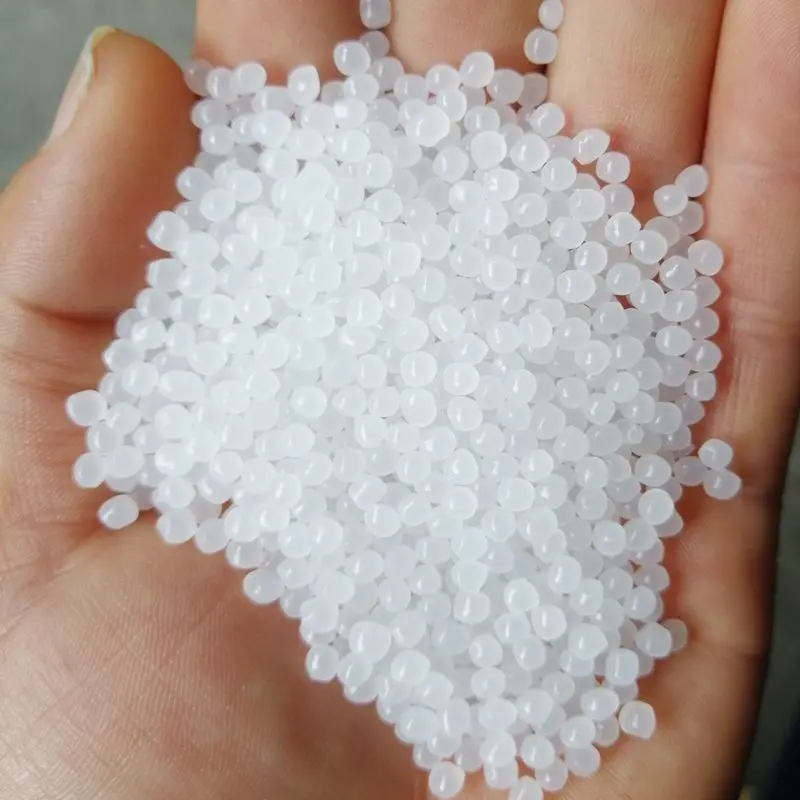
Lupolen® 2426H is a film-grade low-density polyethylene (LDPE) resin produced by LyondellBasell Industries. The material is in the form of milky-white translucent cylindrical pellets, with a density of 0.924 g/cm³ and a melt flow rate of 1.9 g/10 min (190 °C, 2.16 kg). It is a specialized grade for blown/cast film applications featuring a medium melt flow rate and high optical quality. The formulation incorporates built-in erucic acid slip agent (500 ppm) and natural silica antiblocking agent (1000 ppm), resulting in a film friction coefficient below 0.20 after production, along with good antiblock properties and machine runability. This grade is widely used as a benchmark reference grade in the flexible packaging film industry, renowned for its balanced processing stability, optical performance (50 μm blown film haze < 8%, 60° gloss > 100), and heat-seal adaptability. It primarily targets flexible packaging applications such as food packaging films, shrink films, composite substrates, hygiene product films, and inner liner bags.
| Property | Test Value | Test Unit | Test Standard |
| Density | 0.924 | g/cm³ | ISO 1183 |
| Melt Volume-Flow Rate (MFR) (190 °C, 2.16 kg) | 1.9 | g/10 min | ISO 1133 |
| Property | Test Value | Test Unit | Test Standard |
| Tensile Modulus | 260 | MPa | ISO 527-1, -2 |
| Tensile Stress at Yield | 11 | MPa | ISO 527-1, -2 |
| Coefficient of Friction, Blown Film | < 0.20 | — | ISO 8295 |
| Property | Test Value | Test Unit | Test Standard |
| Vicat Softening Temperature (A/50) | 94 | °C | ISO 306 |
| Melting Temperature (DSC) | 111 | °C | ISO 11357-3 |
| Property | Test Value | Test Unit | Test Standard |
| Haze | < 8.00 | % | ASTM D1003 |
| Gloss (20°) | > 50 | — | ASTM D2457 |
| Gloss (60°) | > 100 | — | ASTM D2457 |
| Property | Test Value | Test Unit | Test Standard |
| Failure Energy (50 μm Blown Film) | 4 | J/mm | DIN 53373 |
The technical data sheet (TDS) of Lupolen® 2426H material from LyondellBasell corporation, if there are differences, please refer to the official website of LyondellBasell.
High Optical Quality: The 50 μm blown film features a haze of less than 8% and a 60° gloss exceeding 100, providing high film clarity and print reproduction, making it suitable for consumer packaging sensitive to appearance.
Wide and Stable Processing Window: An MFR of 1.9 g/10 min combined with the broad molecular weight distribution of LDPE delivers good bubble stability. The recommended extrusion temperature is 160–200 °C, suitable for high-speed blown film and cast film production lines.
Low Friction and Anti-Blocking Design: Built-in 500 ppm erucic acid slip agent + 1000 ppm silica results in a film coefficient of friction < 0.2, ensuring smooth film feeding on automatic packaging machines and preventing caking during warehouse stacking.
Balanced Mechanical Properties and Toughness: MD tensile strength of 25 MPa, TD elongation at break of 600%, and a dart drop F50 of 110 g provide puncture and drop resistance that meet lightweight to medium-weight flexible packaging requirements.
Good Heat-Seal Adaptability: Low-temperature heat-sealing characteristics of LDPE combined with stable melt flow allow dry lamination or extrusion coating with substrates such as PP, PET, and aluminum foil, featuring a low heat-seal initiation temperature and controllable strength.
Food Flexible Packaging: Bread bags, inner layers of stand-up snack pouches, frozen food bags, fruit and vegetable preservation films, and supermarket roll bags.
Shrink and Bundling Packaging: Multi-bottle beverage bundling shrink films, cosmetic gift box shrink sleeves, and pallet stretch hood films (blended with LLDPE to enhance stiffness).
Composite Substrates and Lamination: LDPE heat-seal layers dry-laminated with BOPP/PET/aluminum foil, milk powder can inner liners, and outer transparent films for sauce pouches.
Hygiene and Daily-Use Films: Sanitary napkin/diaper outer films, garbage bags, courier bags, clothing dust-proof inner liners, and industrial liner films.
Q1: Does Lupolen 2426H require drying before processing?
A1: LDPE has an extremely low moisture absorption rate, and 2426H typically does not require forced drying under sealed original packaging conditions. However, if the packaging is damaged or the ambient humidity remains above 70% for an extended period, a hot air treatment at 60–80 °C for 1–2 hours is recommended to prevent trace moisture from causing film pinholes or increased haze at the die head.
Q2: How should 2426H be blended with LLDPE or HDPE in blown film applications?
A2: Pure 2426H offers excellent optical and heat-seal properties, though its stiffness and puncture resistance are slightly lower. Adding 10–20% LLDPE can improve puncture and tear resistance, making it suitable for heavy-duty packaging. HDPE provides high stiffness but has a narrow heat-seal window and increased haze, and is generally not recommended for major blending. 2426H is better suited as a transparent heat-seal layer rather than a load-bearing skeleton layer.
Q3: Can this grade be used for food contact or pharmaceutical packaging?
A3: The base resin complies with general food contact frameworks (subject to verification against regional market regulations such as FDA or EC 10/2011), but the manufacturer’s statement does not recommend it for medical and pharmaceutical applications. When used for food packaging, it must be ensured that printing inks, laminating adhesives, and post-processing all comply with corresponding food-grade regulations; compliance of the finished product cannot be judged solely on the base resin.
Q4: How should batch numbers and compliance documents be verified during procurement?
A4: TDS, SDS, COA, and region-specific Product Stewardship Bulletins (PSB) can be requested for each batch. In trade operations, it is recommended to confirm original factory anti-counterfeiting labels or authorized distribution chains to avoid differences caused by vague substitutions with “equivalent grades” (variations in slip/antiblock agent ratios directly affect high-speed packaging performance).
Submit your inquiry today and receive a professional competitive price tailored to your project requirements.