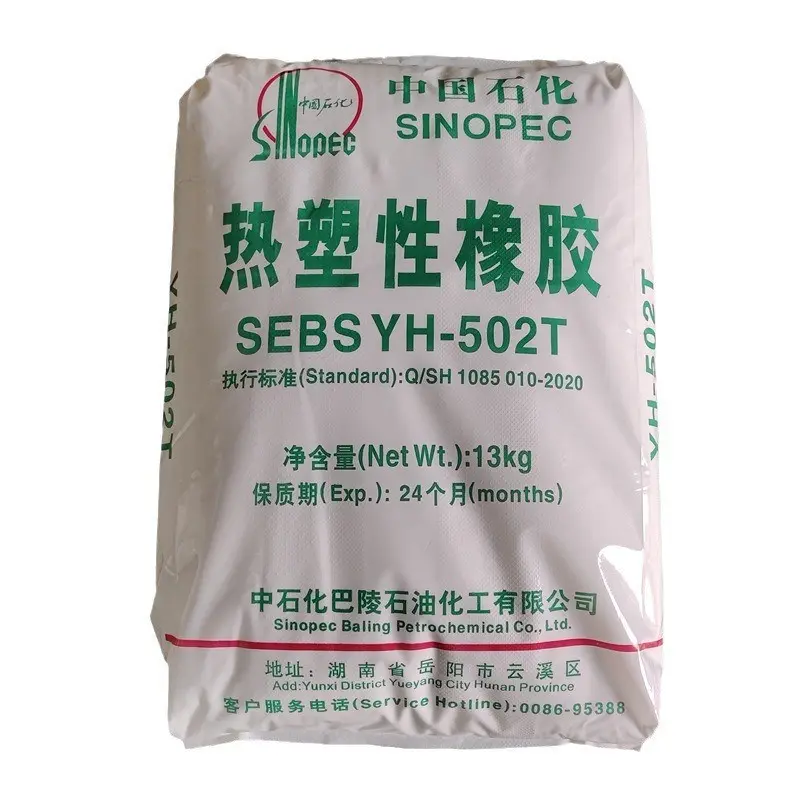
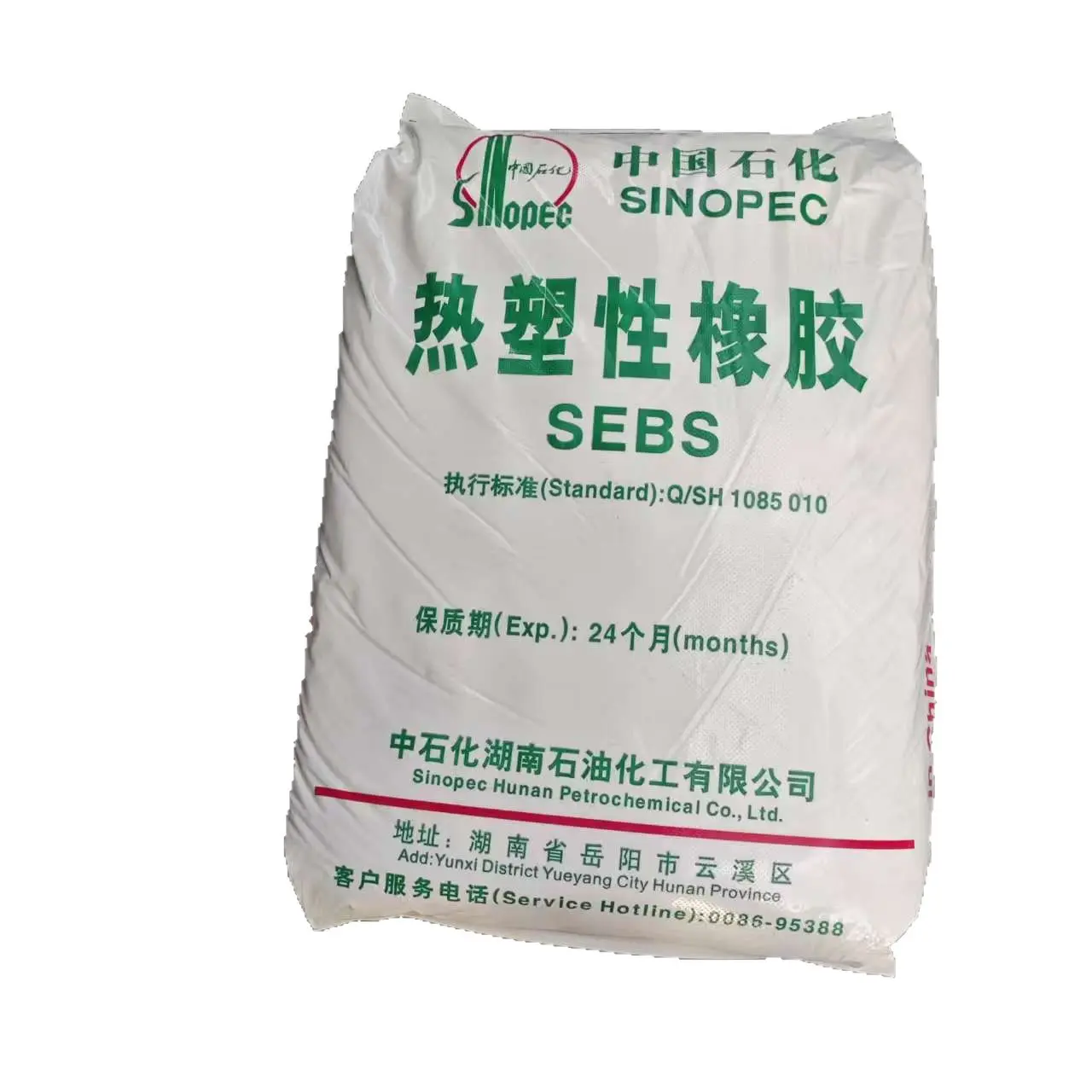
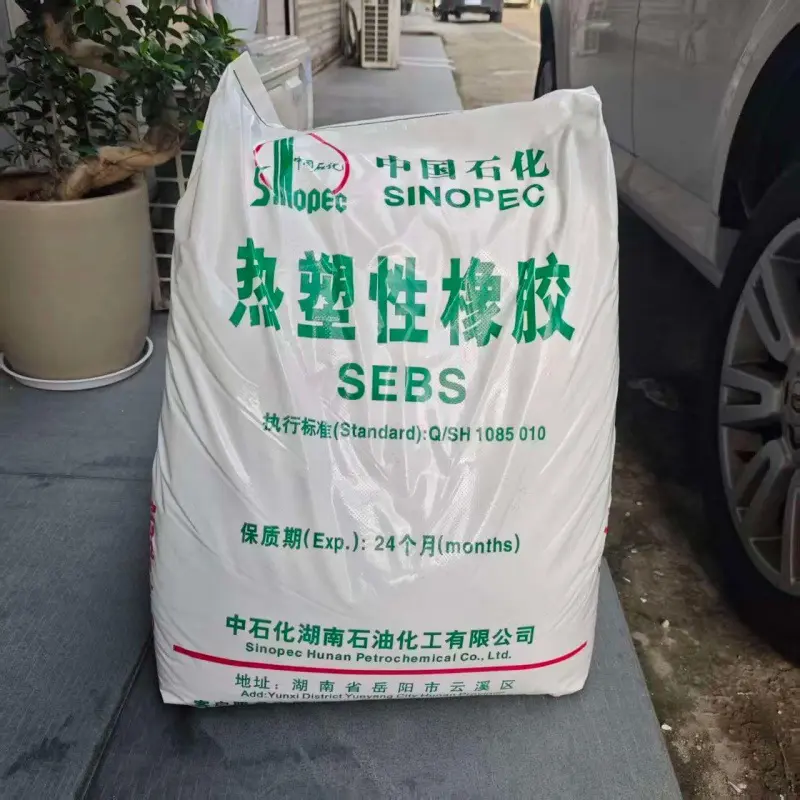
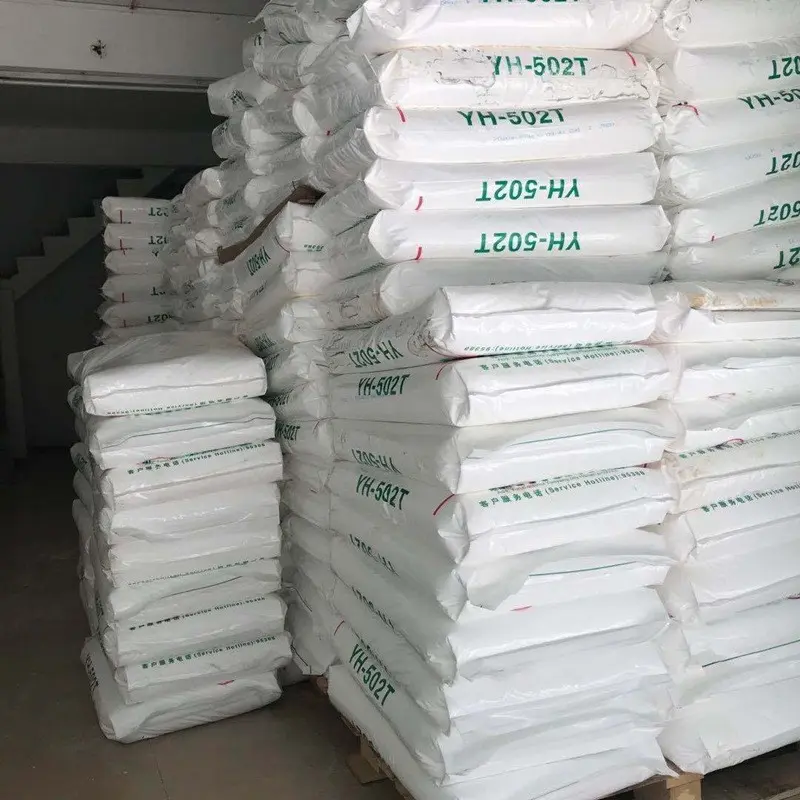
Sinopec Baling Petrochemical SEBS YH-502 is a high-performance hydrogenated thermoplastic elastomer offering exceptional weather resistance, high elasticity, and processing stability for automotive parts and compounds.
| Manufacturer | Baling Petrochemical |
|---|---|
| Volatile Matter | ≤0.5 % |
| MFR | 2.0 – 6.0 g/10min |
| Tensile Strength | ≥20 MPa |
| Elongation at Break | ≥450 % |
Note: See the product description for additional technical specifications
YH-502T SEBS by Sinopec Baling Petrochemical, SEBS YH-502 is a high-performance hydrogenated styrene-butadiene-styrene block copolymer, holding a pivotal market position in the domestic and international thermoplastic elastomer (TPE) industry. In terms of physical appearance, the product typically presents as granules. Backed by its exceptional molecular structure design, YH-502 combines the high strength of plastics with the high elasticity of rubber, making it highly favored in modern industrial manufacturing. This material is widely used in plastic modification, high-end footwear materials, automotive components, medical device accessories, wire and cables, and various consumer goods for soft-touch injection molding and extrusion applications.
| Property | Test Value | Test Unit | Test Standard |
| Volatile Matter | ≤0.5 | % | ASTM D5668 |
| Bound Styrene | 35 – 37 | % | ASTM D5775 |
| Melt Flow Rate (MFR) (230°C, 5.0 kg) | 2.0 – 6.0 | g/10min | ASTM D1238 |
| Property | Test Value | Test Unit | Test Standard |
| Tensile Strength | ≥20 | MPa | ASTM D412 |
| Elongation at Break | ≥450 | % | ASTM D412 |
| Hardness (Shore A) | 75 – 85 | Shore A | ASTM D2240 |
| Property | Test Value | Test Unit | Test Standard |
| Vicat Softening Point | Approx. 95 | °C | ASTM D1525 |
The technical data sheet (TDS) of Baling Petrochemical SEBS YH-502 material from Sinopec Baling Petrochemical corporation, if there are differences, please refer to the official website of Sinopec Baling Petrochemical.
Outstanding Weather Resistance and Anti-Aging Performance: Due to the hydrogenation saturation of the double bonds in the polymer backbone, this material exhibits strong resistance to ultraviolet rays, ozone, and thermal-oxidative aging, preventing yellowing or cracking during long-term outdoor exposure.
Exceptional Mechanical Resilience: Possesses excellent tensile strength and high elongation at break, enabling it to rapidly recover its original shape after enduring mechanical deformation, providing superior tactile feel and elastic support.
Good Processing Fluidity: Features a stable melt flow rate and strong adaptability, perfectly matching conventional thermoplastic processing equipment and supporting various molding processes such as injection molding, extrusion, and blow molding.
Superior Blending and Modification Capability: Achieves excellent compatibility and blending with general-purpose plastics such as PP and PE, as well as various softening oils and fillers, allowing customers to easily adjust hardness and cost according to actual requirements.
Outstanding Environmental Safety: Complies with international environmental compliance standards, contains no toxic heavy metals or harmful plasticizers, and is friendly to human skin.
Automotive Industry: Widely used for manufacturing automotive interior parts, dust covers, weather strips, shock-absorbing pads, and various soft buttons and armrest trims.
Consumer Electronics & Home Appliances: Used to produce electronic product protective casings, anti-slip overmolding for tool handles, household appliance shock-absorbing feet, and various daily consumer soft-rubber accessories.
Medical Devices: Can be applied in medical tubing, protective masks, and syringe accessories that require high biocompatibility, regular sterilization, or non-toxic safety properties.
Polymer Modification & Cables: Utilized as a toughening agent for resins like PP/PE, or for manufacturing insulation layers and jackets for low-smoke zero-halogen flame-retardant wires and cables.
Q1: Does Baling Petrochemical SEBS YH-502 require drying prior to processing?
A: Although SEBS raw materials have an extremely low moisture absorption rate, trace condensation may adhere to the surface after long-distance transport or high-humidity storage. To avoid bubbles, silver streaks, or surface defects during high-temperature injection molding or extrusion, it is recommended to dry the pellets in a hot-air circulating drying oven at 60–70°C for 2 to 4 hours prior to processing.
Q2: What are the core advantages of YH-502 compared to conventional SBS?
A: The biggest difference lies in aging resistance. Conventional SBS contains unsaturated double bonds in its molecular chain, making it highly susceptible to oxidative cleavage under ultraviolet light and air, which leads to yellowing and embrittlement. In contrast, YH-502 undergoes hydrogenation saturation, significantly enhancing its weather resistance, UV resistance, and high-low temperature performance, thereby greatly extending its service life.
Q3: Does this grade comply with EU RoHS, REACH, and other environmental compliance requirements?
A: Yes. The SEBS YH-502 produced by Sinopec Baling Petrochemical strictly adheres to international environmental regulations. Out-of-factory products can provide supporting documentation compliant with RoHS, REACH, and relevant food-contact regulations, fully meeting the export compliance demands of major global markets.
Submit your inquiry today and receive a professional competitive price tailored to your project requirements.