Is ABS PA-758 Recyclable? Understanding the Sustainability of Transparent ABS
In the modern manufacturing landscape, the sustainability of plastic materials is as critical as their technical performance. For industries utilizing POLYLAC® PA-758—a specialized transparent ABS produced by Chimei—the question of recyclability is a frequent concern for procurement officers and product designers alike.
This article provides a professional analysis of the recyclability, technical properties, and environmental impact of ABS PA-758.
What is ABS PA-758?
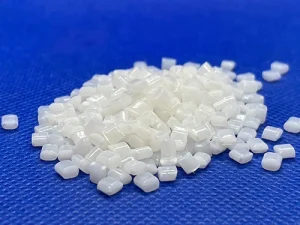
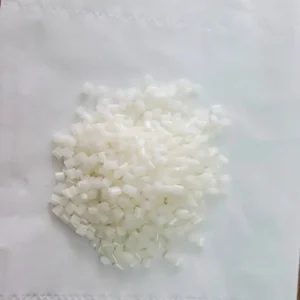
ABS PA-758 is a MABS (Methyl Methacrylate Acrylonitrile Butadiene Styrene) resin. Unlike standard opaque ABS, PA-758 is engineered for high transparency, good flowability, and chemical resistance. It is widely used in household appliances, toys, and medical housing where clarity is paramount.
Is ABS PA-758 Recyclable?
Yes, ABS PA-758 is technically recyclable. As a thermoplastic, PA-758 can be melted and reshaped multiple times without significant chemical degradation. However, its classification and the recycling process involve specific technical nuances:
1. Resin Identification Code (RIC)
Under the ASTM international standard, ABS typically falls under Category 7 (OTHER). While it is recyclable, it is not as universally collected in municipal curbside programs as PET (Category 1) or HDPE (Category 2).
2. The Challenge of Transparency
The primary value of PA-758 lies in its optical clarity. During the recycling process:
- Contamination Risk: If PA-758 is mixed with standard colored ABS or other resins like PC or PMMA, it loses its transparency, resulting in a “milky” or opaque recycled pellet.
- Material Grading: To maintain high quality, PA-758 must be recycled in a closed-loop system or dedicated post-industrial recycling stream where it is kept separate from opaque materials.
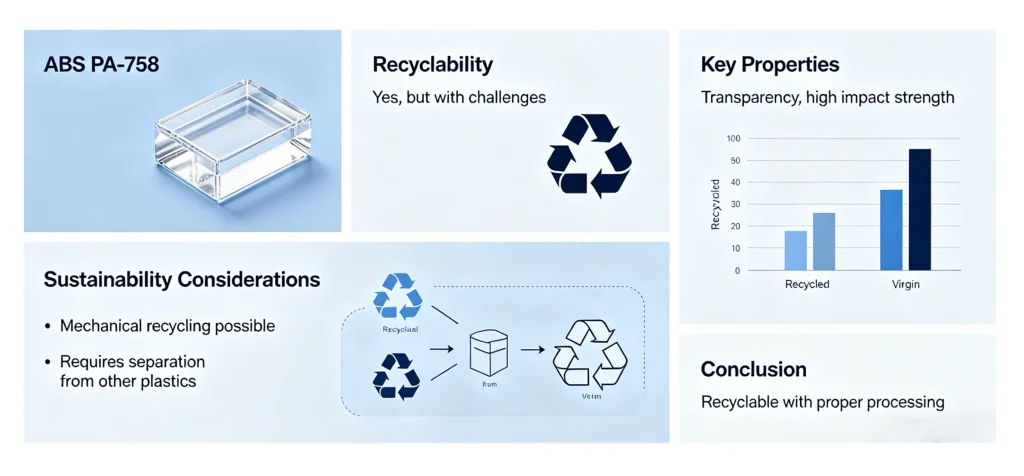
Technical Specifications & Recycling Performance
Understanding the technical limits of regrind material is essential for maintaining product integrity.
| Property | Data (Virgin PA-758) | Impact of Recycling |
| Transparency | High (Clear) | Decreases with heat history |
| Melt Flow Index | 40 g/10 min (typical) | May increase slightly |
| Tensile Strength | ~42 MPa | Generally stable for 1-2 cycles |
| Impact Strength | Moderate | Sensitive to thermal degradation |
Best Practices for Processing Recycled PA-758
For manufacturers looking to integrate regrind PA-758 into their production lines, we recommend the following:
- Strict Sorting: Ensure that no colored ABS or PVC contaminants enter the granulator.
- Drying Protocols: ABS is hygroscopic. Recycled PA-758 must be dried at 80°C for 2-4 hours to prevent silver streaks and bubbles in the final product.
- Blending Ratios: We typically recommend a maximum of 20% regrind mixed with virgin PA-758 to ensure that optical properties and mechanical strength remain within industrial tolerances.
Conclusion: Balancing Performance and Responsibility
ABS PA-758 is an excellent choice for high-end transparent applications. While it is fully recyclable, maintaining its premium optical properties requires disciplined material management. By implementing professional recycling protocols, businesses can reduce waste and lower their environmental footprint without sacrificing product quality.
Looking for high-quality ABS PA-758 or technical TDS/MSDS data? As a professional distributor of Chimei materials, we provide objective technical support and consistent supply for your international trade needs.