If you are in manufacturing, automotive, or electronics, you have likely heard of ABS resin—but do you know what it is and what its key properties are? Acrylonitrile Butadiene Styrene (ABS resin) is one of the most widely used engineering thermoplastics globally, favored for its unique balance of strength, toughness, and processability. This guide will provide a detailed breakdown of everything you need to know about ABS resin, from its composition to price-influencing factors, helping you gain a comprehensive understanding and resolve any related questions.
What is ABS Resin (Acrylonitrile Butadiene Styrene)?
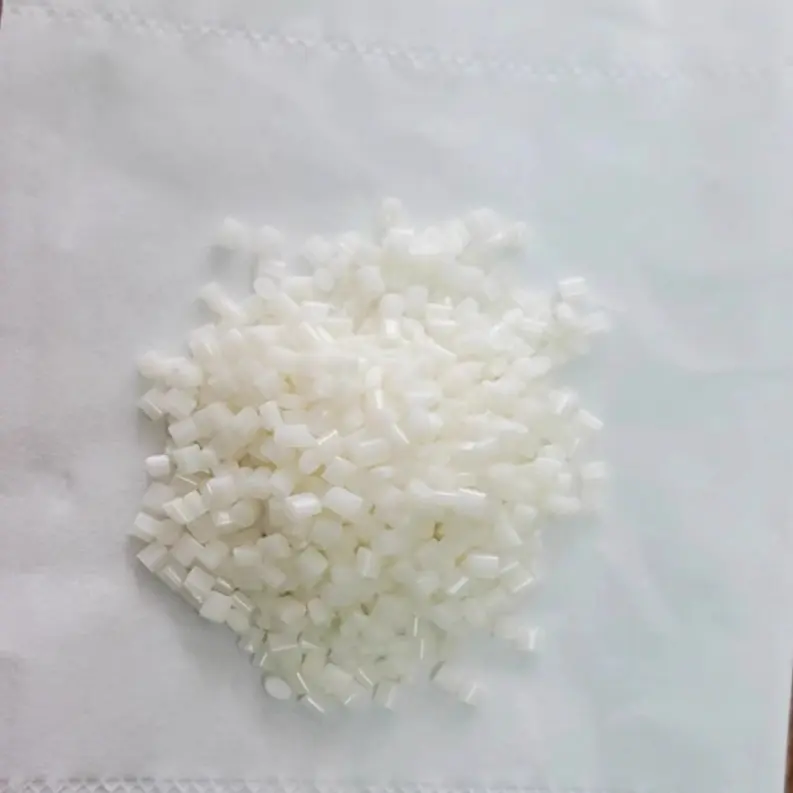
ABS resin, full name Acrylonitrile Butadiene Styrene, is a thermoplastic ABS polymer synthesized from three key monomers: acrylonitrile, butadiene, and styrene. Each monomer contributes unique characteristics to the final material, creating a versatile ABS material that outperforms many general-purpose plastics:
- Acrylonitrile: Provides chemical resistance, thermal stability, and rigidity, allowing ABS resin to resist erosion from acids, alkalis, and oils.
- Butadiene: Adds toughness and impact resistance, maintaining performance even in low-temperature environments (down to -20°C) to prevent the material from becoming brittle.
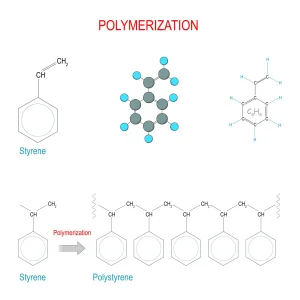
- Styrene: Gives the material a smooth, glossy surface while enhancing processability, allowing ABS resin to be easily molded via injection molding, extrusion, or 3D printing.
This unique combination of properties makes ABS resin the material of choice for countless applications, ranging from household appliances and automotive parts to industrial components.
Key Properties of ABS Material
As a versatile material, its performance depends on a balance of mechanical, thermal, and chemical properties, making it adaptable to various scenarios:
- Mechanical Strength: ABS resin possesses high impact resistance and dimensional stability, making it suitable for load-bearing parts like automotive trim and electronic housings.
- Processability: With a melting temperature of 220-260°C (it has no fixed melting point due to its amorphous structure), it can be colored, painted, or electroplated to meet customization needs.
- Chemical Resistance: It resists erosion from water, alcohol, and most oils, though it can be swollen by chlorinated hydrocarbons or corroded by concentrated sulfuric acid.
- Thermal Stability: It operates stably within a range of -20°C to 80°C, with modified grades (such as heat-resistant ABS) capable of withstanding temperatures up to 130°C.
These characteristics make ABS resin suitable for both functional prototyping and end-product manufacturing, perfectly balancing durability and workability.
Common Applications of ABS Resin
The versatility of this polymer allows it to be used in nearly every industry. Here are the most common application scenarios:
- Automotive Industry: Interior trim, bumpers, dashboard components, and door panels—thanks to its impact resistance and lightweight properties.
- Electronics Industry: Computer housings, keyboard keycaps, TV enclosures, and connector parts—due to its excellent electrical insulation.
- Household Appliances: Refrigerator liners, washing machine components, and small kitchen appliances (like blender housings)—because it is durable and easy to clean.
- Consumer Goods: Luggage, building blocks (such as LEGO), protective cases, and safety helmets—owing to its toughness and moldability.
- Industrial Sector: Pipes, tool housings, and 3D printing filaments—where strength or heat resistance can be enhanced through modification.

ABS Resin Price: What Factors Affect Cost?
Understanding the ABS resin price helps in gaining a more comprehensive grasp of this material. Key factors influencing the price include:
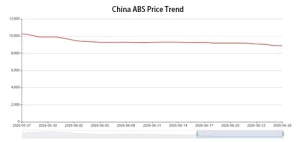
- Raw Material Costs: As downstream chemical products, the market prices of the three monomers (acrylonitrile, butadiene, styrene) are influenced by fluctuations in the costs of crude oil, naphtha, and coal-to-olefins. In particular, the price trends of styrene and acrylonitrile directly determine the production cost of ABS resin.
- Grade and Modification: Standard ABS resin is relatively affordable, while modified grades (heat-resistant, flame-retardant, or transparent ABS) can be 10%-30% higher due to additional additives and complex processing.
- Supply and Demand: Overcapacity (such as the expansion of ABS capacity in China in 2025) may lead to price decreases, while high demand from the automotive and electronics industries can push costs up.
- Suppliers and Logistics: Reliable suppliers with integrated production (self-sufficient in monomers) may offer more competitive pricing. Transportation costs and lead times also affect the final price, which is particularly evident for international buyers.
As of 2026, global ABS resin prices typically range from $1,100 to $1,700 per ton, depending on product grade and supplier. Partnering with a trusted supplier can help secure stable pricing through long-term contracts or bulk discounts.
Final Summary of ABS Resin
ABS resin (Acrylonitrile Butadiene Styrene) is a versatile, high-performance polymer that achieves a perfect balance between strength, toughness, and processability—making it an indispensable material in modern manufacturing. Whether you produce automotive parts, electronics, or consumer goods, understanding the properties and price factors of this material will help you fully recognize the value of ABS resin.