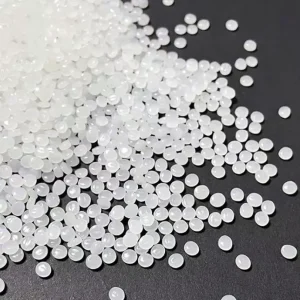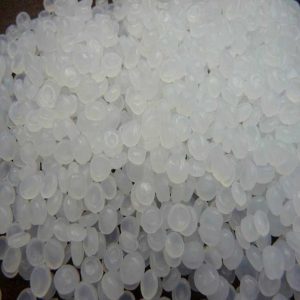
In the field of plastics processing and trade, HDPE (High-Density Polyethylene) has consistently been a mainstream market choice due to its outstanding durability and cost-effectiveness. This article provides a direct look at the core value of this material and practical selection references.
Key Advantages of HDPE
- Tough and Durable: Compared to standard plastics, HDPE has higher strength and maintains excellent impact resistance even in low-temperature environments, making it resistant to brittle fracturing.
- Chemical Corrosion Resistance: It possesses extreme resistance to strong acids, alkalis, and most chemical solvents, making it ideal for storing chemical products.
- Environmental Safety and Hygiene: It meets food safety standards, is non-toxic and odorless, and has a high recycling rate (Recycle Code #2).
- Stress Crack Resistance: It features good environmental stress crack resistance (ESCR), which determines its long service life in pressure piping applications.
Core Application Scenarios
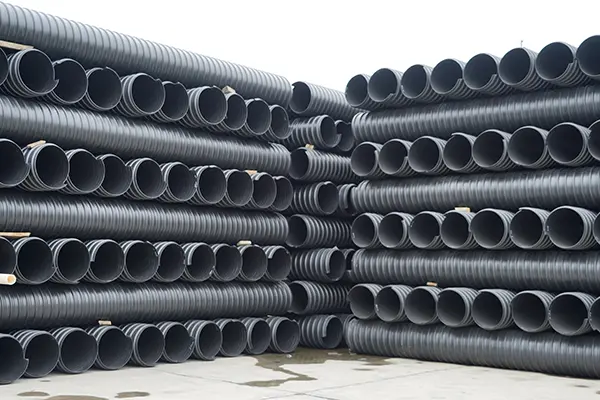
- Piping Systems: Widely used in municipal water supply and drainage, gas transmission, and wear-resistant mining pipes, with a service life of over 50 years.
- Hollow Blow Molding: Used to manufacture various specifications of chemical drums, lubricant bottles, laundry detergent containers, and automotive fuel tanks.
- Injection Molded Products: Including plastic pallets (forklift pallets), trash cans, turnover boxes, and durable outdoor furniture.
- Films and Packaging: Used for heavy-duty packaging bags, shopping bags, and industrial liner films.
Selection Precautions (Buyer’s Guide)
When purchasing HDPE raw materials (such as Chimei PA-758, LG, SABIC, and other branded grades), be sure to focus on these core indicators:
- Melt Flow Rate (MFR):
- Low MFR: Suitable for extruded pipes or large blow-molded drums (the material is “thicker” and resists sagging).
- High MFR: Suitable for injection molding (better fluidity for quickly filling molds).
- Density: The higher the density, the better the rigidity and heat resistance of the material, though toughness may decrease relatively.
- Processing Grade: Confirm whether it is injection grade, blow molding grade, or film grade. Grades for different processes should not be mixed, as this can increase the defect rate.
Summary
HDPE is one of the most balanced plastic materials in terms of comprehensive performance. Whether in engineering pipes requiring strength or food packaging requiring safety, choosing the right grade is key to ensuring product quality.