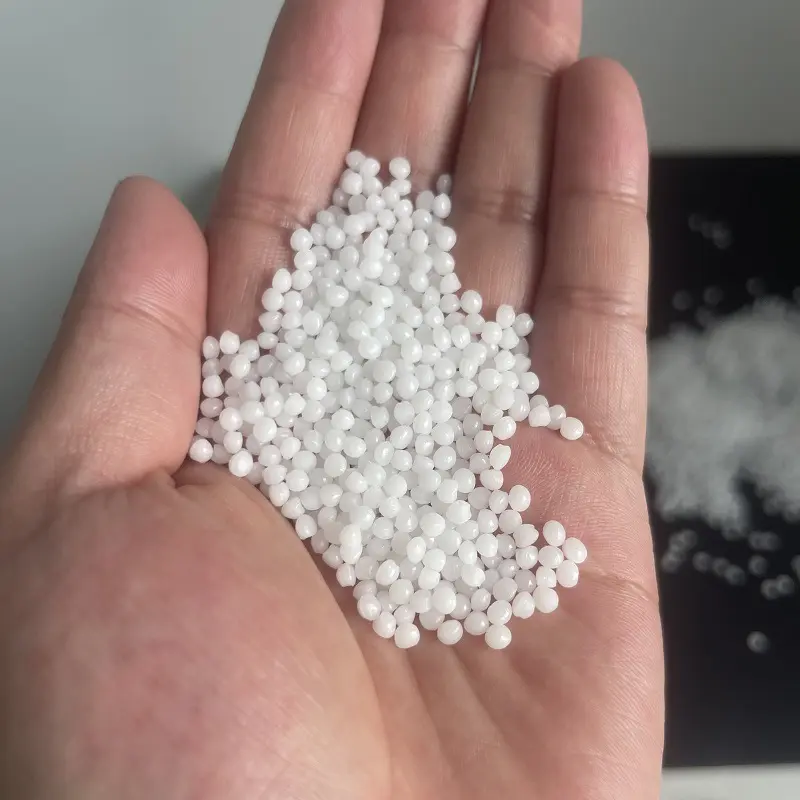
YUNCON® M270 is a high-flow POM-C injection molding resin from Yuntianhua, offering exceptional fluidity, mechanical strength, and chemical resistance for efficient thin-wall molding.
| Manufacturer | YUNTIANHUA |
|---|---|
| Density | 1.41 g/cm³ |
| MFR | 27 g/10min |
| Tensile Strength at Yield | 62 MPa |
| Elongation at Break | 25 % |
Note: See the product description for additional technical specifications
YUNCON® M270 is a high-flow, injection-molding grade polyoxymethylene copolymer (POM-C), a crystalline engineering plastic polymerized from formaldehyde, commonly known in the industry as “Delrin” or “Polyacetal”. Its performance profile can be summarized as “priority on fluidity, balancing rigidity and dimensional stability”: with a melt mass-flow rate of 27 g/10min (190 °C, 2.16 kg) which belongs to the high-flow tier among copolymer POM, combined with a tensile yield strength of 62 MPa, a tensile modulus of 2,700 MPa, a heat deflection temperature of 98 °C (1.8 MPa load), and a UL 94 HB flammability rating, making it better suited for thin-walled, long-flow, and multi-cavity mold high-efficiency molding scenarios rather than specialty operating conditions.
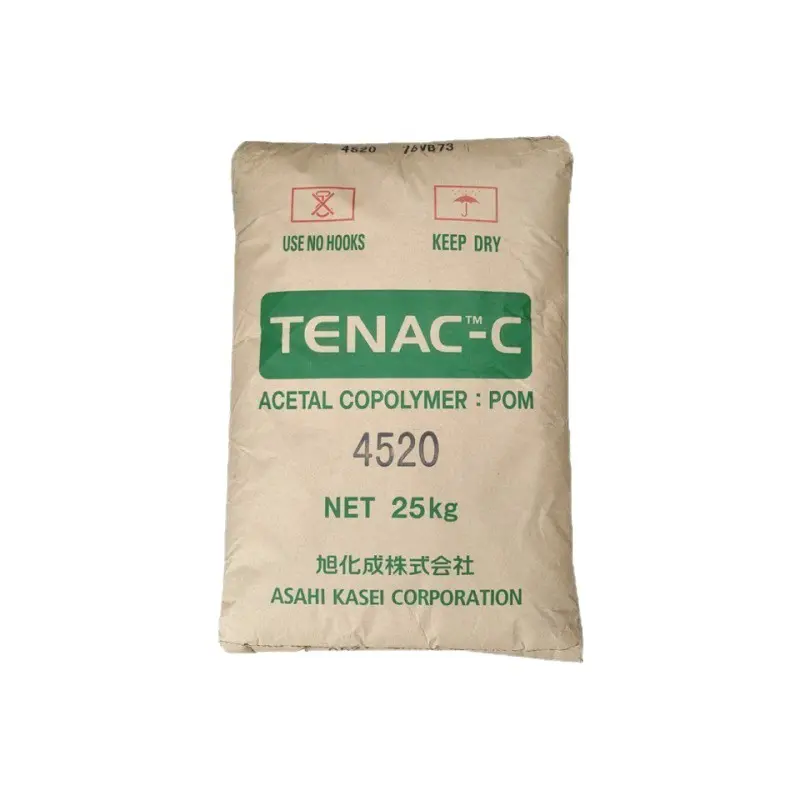
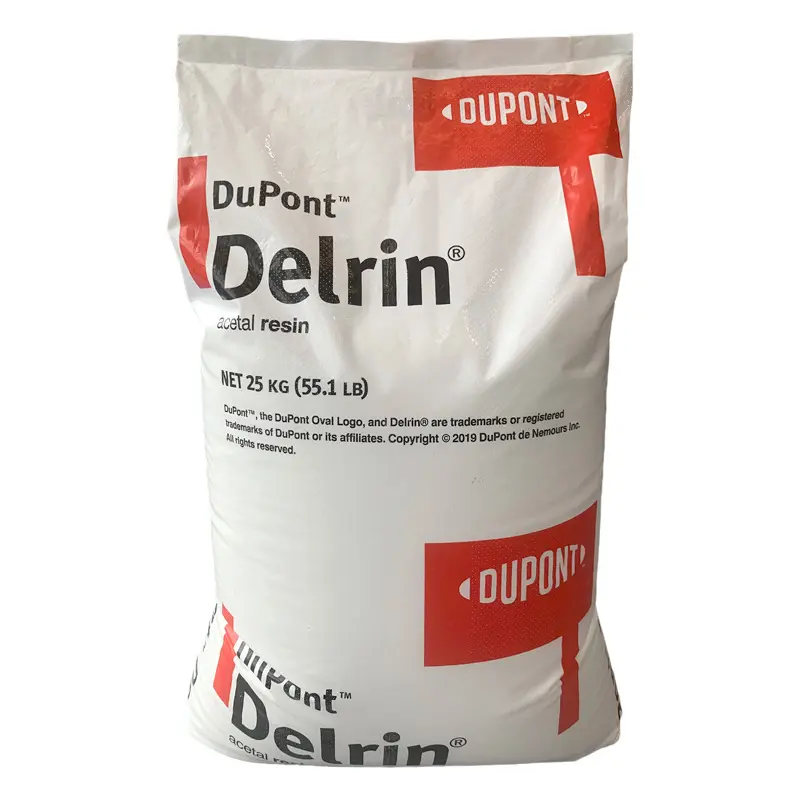
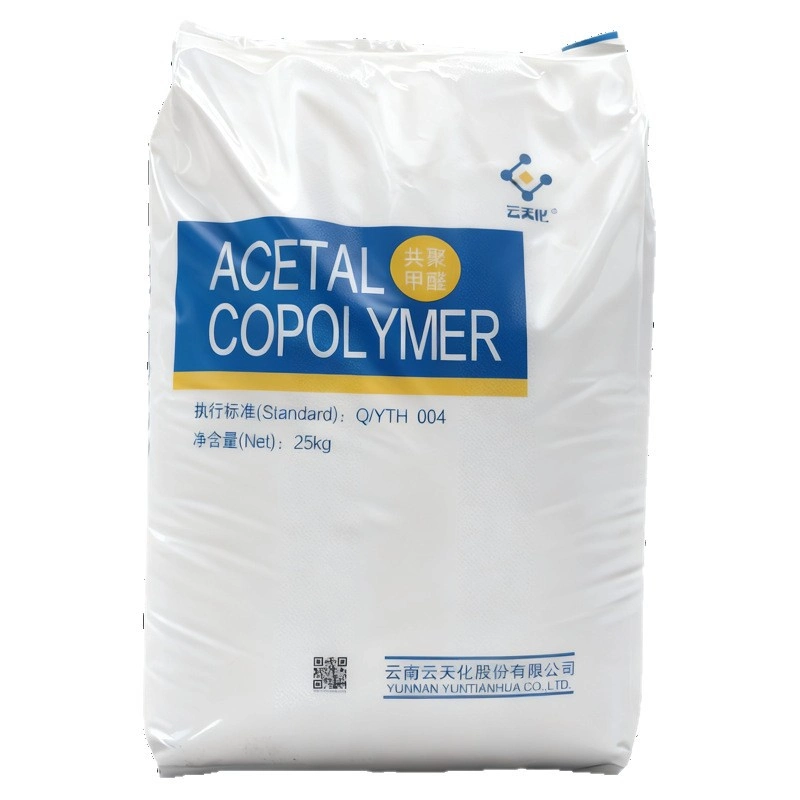
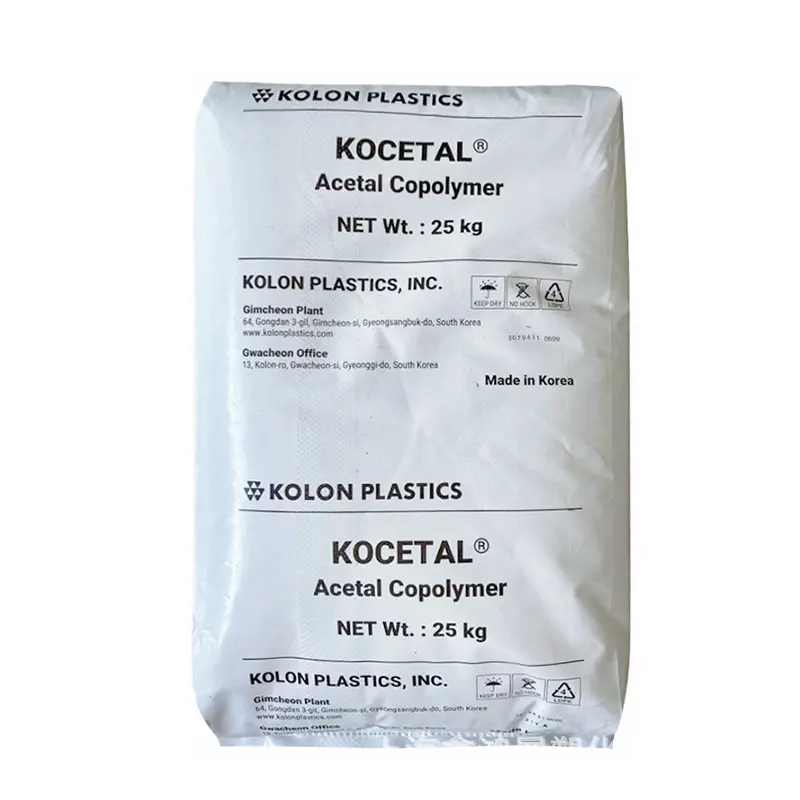
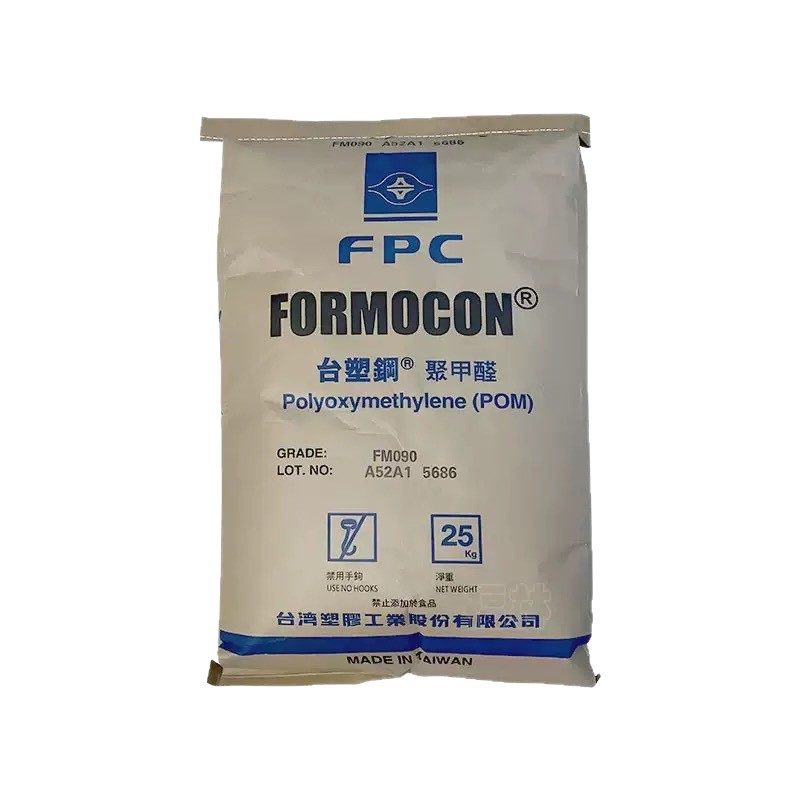
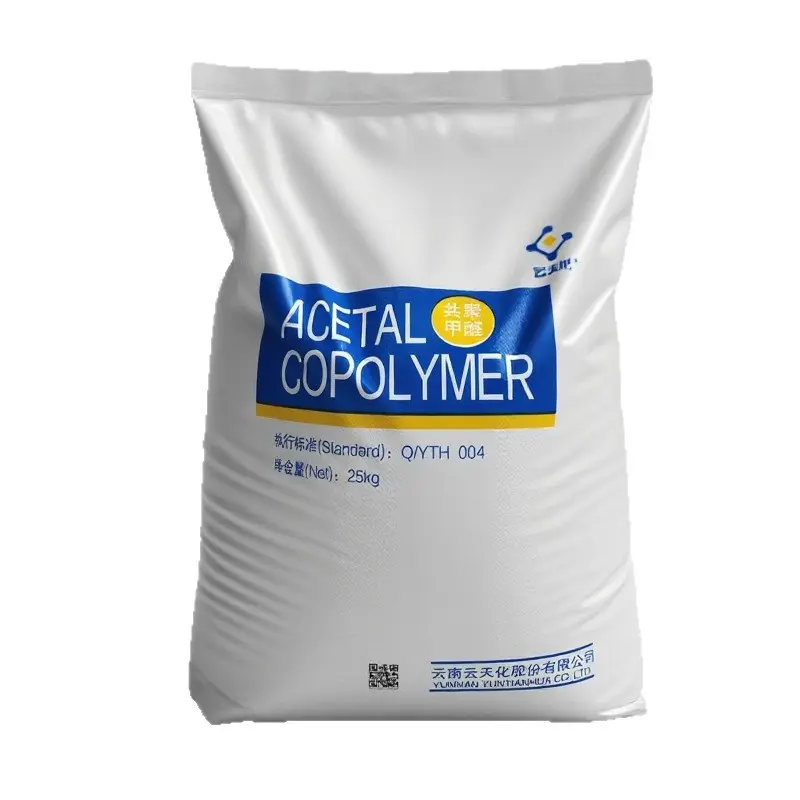
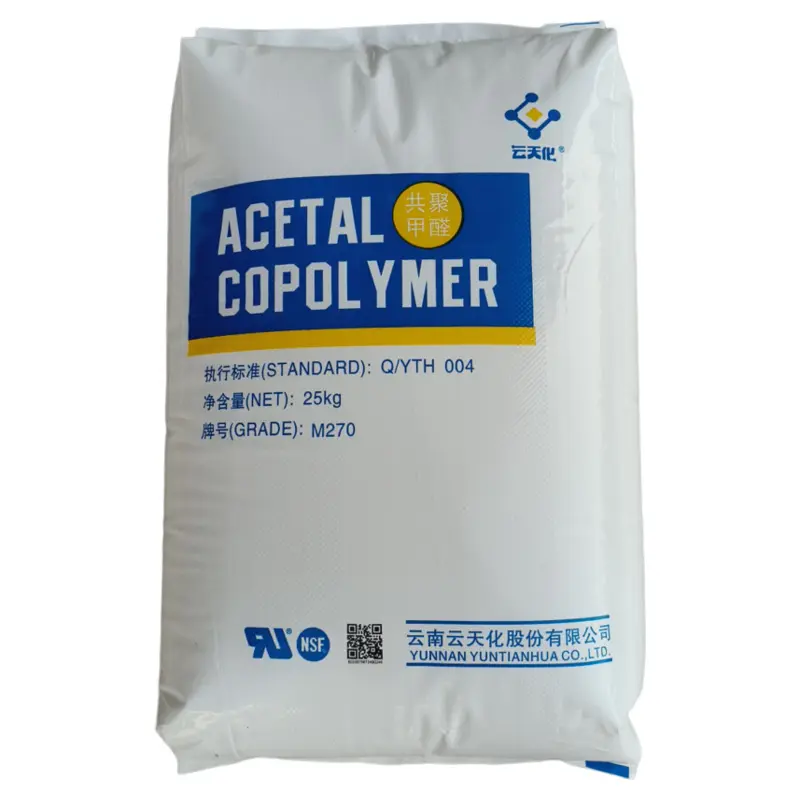
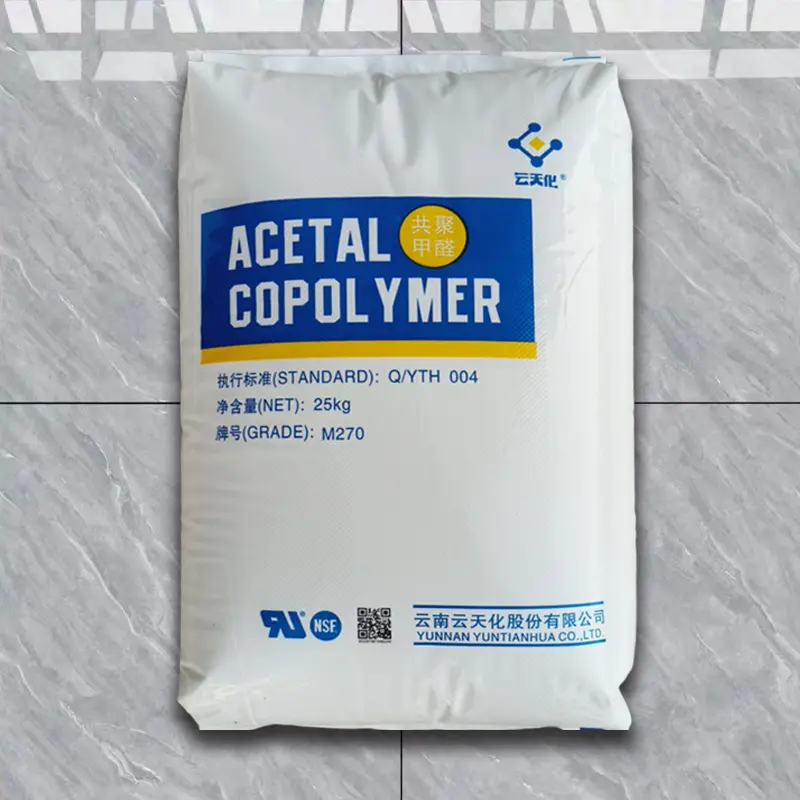
It is naturally white or milky white granular pellets, typically opaque in appearance (thin-walled parts exhibit a slight translucent feel), with standard packaging in 25 kg bags. Typical applications cover automotive fuel systems and transmission components, electrical switches and connector structural parts, internal appliance transmission and water-resistant parts, industrial fasteners and bushings, as well as daily consumer goods such as lighters and aerosol valves.
| Project Content | Details |
| Material Category | Copolymer POM (POM-C), Injection Molding High-Flow Grade |
| Physical Appearance | White or milky white granular pellets, opaque in natural color (thin-walled parts slightly translucent); standard packaging in 25 kg bags |
| Key Performance Profile | Melt flow rate 27 g/10min (190 °C, 2.16 kg); tensile yield strength 62 MPa; tensile modulus 2,700 MPa; heat deflection temperature 98 °C (1.8 MPa) |
| Grade Positioning | Designed for high-efficiency molding in thin-walled, long-flow paths, and multi-cavity molds; a general-purpose mainstay grade suitable for batch structural parts |
| Manufacturer | Yunnan Yuntianhua Co., Ltd.; POM production bases: Shuifu (Yunnan), Changshou (Chongqing) |
Product Positioning: M270 belongs to the most densely demanded general-purpose high-flow grade of copolymer POM. It does not pursue extreme rigidity or maximum impact strength, but instead strikes a balance among fluidity, rigidity, and cost, making it more commonly used as a “mainstay material” for batch structural parts.
Main Application Fields: Automotive (fuel system and interior mechanical parts), Electrical & Electronics (switch and connector structural parts), Home Appliances (internal transmission and water-resistant parts), Industrial Hardware (fasteners, bushings, chain links), and Daily Consumer Goods (lighters, aerosol valves, spray nozzles).
| Physical Property | Test Value | Test Unit | Test Standard |
| Density | 1.41 | g/cm³ | ISO 1183 |
| Melt Mass-Flow Rate (MFR) 190 °C, 2.16 kg | 27 | g/10min | ISO 1133 |
| Water Absorption 24 h, 23 °C | 0.5 | % | ISO 62 |
| Mechanical Property | Test Value | Test Unit | Test Standard |
| Tensile Modulus | 2,700 | MPa | ISO 527-1 |
| Tensile Stress at Yield | 62 | MPa | ISO 527-2 |
| Tensile Strain at Break | 25 | % | ISO 527-2 |
| Flexural Modulus | 2,550 | MPa | ISO 178 |
| Flexural Strength | 89 | MPa | ISO 178 |
| Charpy Notched Impact Strength | 4.5 | kJ/m² | ISO 179 1eA |
| Thermal Property | Test Value | Test Unit | Test Standard |
| Heat Deflection Temperature, Unannealed 1.8 MPa | 98 | °C | ISO 75-2/A |
| Flammability Rating | HB | — | UL 94 |
The technical data sheet (TDS) of Yuntianhua M270 POM material from Yuntianhua corporation, if there are differences, please refer to the official website of Yuntianhua.
High Flow Brings Molding Freedom: A melt mass-flow rate of 27 g/10min (190 °C, 2.16 kg) falls into the high-flow tier of copolymer POM, capable of filling thin-walled, long-flow, and multi-cavity molds, helping to reduce injection pressure, shorten molding cycles, and minimize short shots and weld line defects.
Good Balance of Rigidity and Strength: A tensile modulus of 2,700 MPa, flexural modulus of 2,550 MPa, flexural strength of 89 MPa, and tensile yield strength of 62 MPa are sufficient to withstand continuous loads of structural parts such as gears, snaps, and bushings, leaving a safety margin in compact designs.
Low Water Absorption and Dimensional Stability: A water absorption rate of 0.5% (24 h, 23 °C) is typical within low-hygroscopicity systems of copolymer POM; the disturbance of humidity variations on dimensions and electrical properties is far less than that of moisture-sensitive materials like PA, making it suitable for long-term use in humid environments or precision parts requiring tight assembly tolerance control.
Toughness Adapted for Assembly and Moving Parts: A tensile strain at break of 25% and a Charpy notched impact strength of 4.5 kJ/m² can withstand the elastic deformation of snap-fit assemblies and gear meshing impacts. This value represents the typical trade-off for high-flow grades—when pursuing fluidity and thin-wall filling capability, impact toughness is usually lower than that of low-flow, high-viscosity grades, which should be cross-checked against actual loading conditions during selection.
Chemical Resistance and Self-Lubricating Wear Resistance: Copolymer POM exhibits good resistance to organic greases, fuels, synthetic detergents, and most neutral chemicals, while possessing self-lubricating and low-friction characteristics, making it suitable for oil-free sliding and transmission components. Its hydrolysis resistance is excellent, allowing long-term use in hot water up to 80 °C.
Thermal Stability and Wide Processing Window: The thermal stability of copolymer POM is superior to homopolymer POM, featuring a broader processing temperature window and lower risk of degradation. The heat deflection temperature is 98 °C (1.8 MPa, unannealed), meeting the heat resistance requirements of most indoor structural parts.
UL 94 HB Flammability Rating (Matching Non-Mandatory Flame Retardant Occasions): Suitable for conventional structural parts not requiring flame retardancy certification; if components are bound by UL 94 V-0 or appliance glow-wire (GWIT/GWFI) clauses, flame-retardant modified grades should be used instead of direct HB grade design.
Automotive Components: Fuel system peripheral parts, window regulator and door lock mechanism gears, wiper transmission gears, safety belt mechanical parts, instrument panel internal structural parts, and clips. The selection basis lies in the resistance to fuels, greases, and lubricating media, as well as the wear-resistant and low-friction performance required for gear parts; high fluidity supports thin-walled, multi-cavity batch molding.
Electrical & Electronics: Switch and socket internal structural parts, connector housings and skeletons, relay and solenoid valve parts, power tool switch components. Low water absorption brings stable dimensional accuracy and insulation performance, serving as a key prerequisite for precision electrical components; in such occasions without mandatory flame retardancy clauses, the HB grade can meet conventional structural requirements.
Home Appliances: Washing machine and dishwasher internal structural parts, transmission gears and cams, water pump impellers, knobs, and mechanical linkage parts. The material has good resistance to synthetic detergents, and its hydrolysis resistance supports application scenarios exposed to damp or warm/hot water environments over the long term.
Industrial Hardware & Transmission Parts: Precision fasteners such as screws, nuts, and rivets, conveyor chain links, bushings, bearing cages, and rollers. Self-lubricating and low-friction characteristics reduce the need for external lubrication, lowering maintenance costs and contamination risks.
Daily Consumer Goods: Lighter housings and internal components, aerosol valves and spray nozzles, zipper teeth and sliders, valve parts. These products generally require efficient molding of small, thin-walled structures and stable chemical resistance, which directly matches the high-flow positioning of M270.
Scenarios That May Require Re-evaluation: Parts in long-term contact with strong acids and strong oxidizing agents (such as concentrated nitric acid), and medical parts requiring high-intensity gamma-ray sterilization—copolymer POM does not hold an advantage under such conditions, and it is recommended to switch to more adaptable material systems.
Q1: Does YUNCON® M270 need to be dried prior to injection molding? What are the recommended conditions?
A1: Copolymer POM itself has very low hygroscopicity, and raw materials in new, well-sealed packaging can usually be processed directly. However, if the moisture content of the raw material exceeds approximately 0.1% (e.g., exposed to a humid environment for a long time after opening, regrind material, or material processed through water-cooling/water-ring pelletizing), drying is mandatory: it is recommended to dry at 80–90 °C for 3–4 hours, using a dehumidifying dryer for better results, and regularly sampling moisture content. Care should be taken to avoid over-drying or prolonged high-temperature retention; copolymer POM carries the risk of degradation and formaldehyde release under high temperatures and long residence times. Dried raw materials should be used promptly to avoid re-adsorbing moisture.
Q2: How to choose between M270 and PC, PMMA, and homopolymer POM (POM-H)?
A2: The positioning differences among them are distinct:
Q3: What does UL 94 HB stand for? What if the project requires V-0 or glow-wire ratings?
A3: UL 94 HB is the lowest rating in horizontal burning tests, meaning that the material burns at a rate not exceeding the specified limit (no more than 40 mm/min for thicknesses of 3–13 mm) when placed horizontally, and does not imply that the material possesses flame-retardant capabilities. If the whole-machine standard of the component (such as IEC 60335-1 for unattended household appliance insulation materials) requires a UL 94 V-0 rating, a glow-wire flammability index GWFI ≥ 850 °C, or an ignition temperature GWIT ≥ 775 °C, it should not be designed directly with an HB grade; instead, flame-retardant modified POM or other flame-retardant material systems (such as flame-retardant PC, PC-ABS, or flame-retardant PBT) must be adopted and the compliance of the entire unit re-verified.
Q4: How to confirm RoHS, REACH, and food-contact compliance?
A4: The public grade data sheets of this grade state compliance with FDA, RoHS, and PFOS restriction requirements, which can cover the compliance needs of most consumer electronics, home appliances, and daily consumer goods. When batch procurement or terminal customers require compliance documentation, it is recommended to request the latest version of the RoHS/REACH conformity declaration, FDA compliance documents, and the UL Yellow Card number from the supplier, with the current documents officially issued by the manufacturer prevailing—this is also the principle pointed to by the technical data disclaimer on this page.
Q5: How much shrinkage should be reserved for mold design? What other molding precautions are there?
A5: Copolymer POM is a crystalline material, and the molding shrinkage rate of unmodified grades typically falls within the 2.0–2.5% range, exhibiting anisotropy depending on wall thickness, mold temperature, and gate direction. It is recommended to determine the final shrinkage value based on supplier processing guidelines and actual trial-molding data. Molding key points include: mold temperature is typically controlled at 80–100 °C (higher mold temperatures improve crystallinity and dimensional stability, but prolong cycles); melt temperature should preferably be kept at the lower limit within the supplier’s recommended window to reduce the risk of degradation; injection speed can be relatively fast to prevent premature melt solidification. In addition, long-term contact with strong acids and strong oxidizing agents should be avoided, as well as barrel processes involving high shear and long residence times.
Submit your inquiry today and receive a professional competitive price tailored to your project requirements.