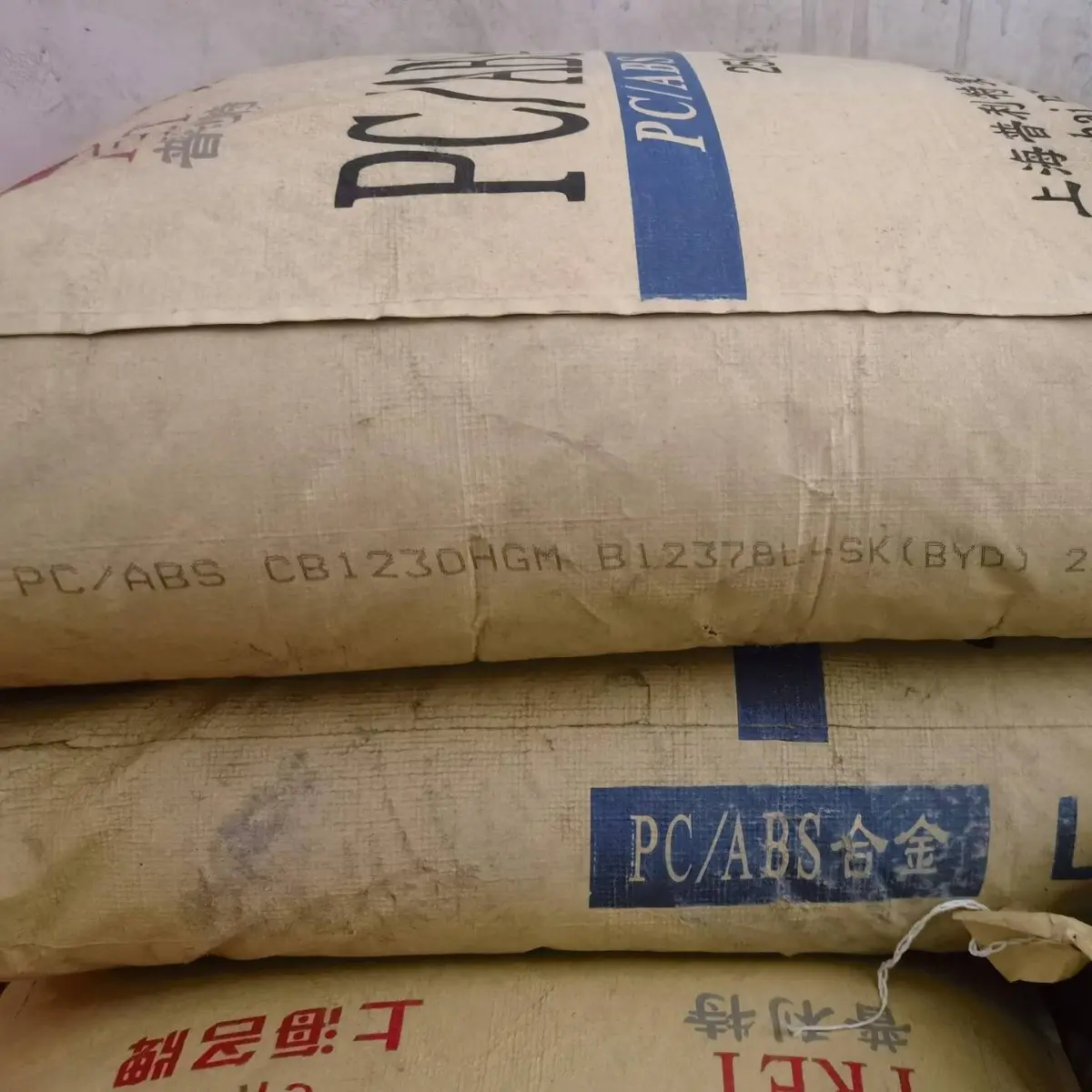
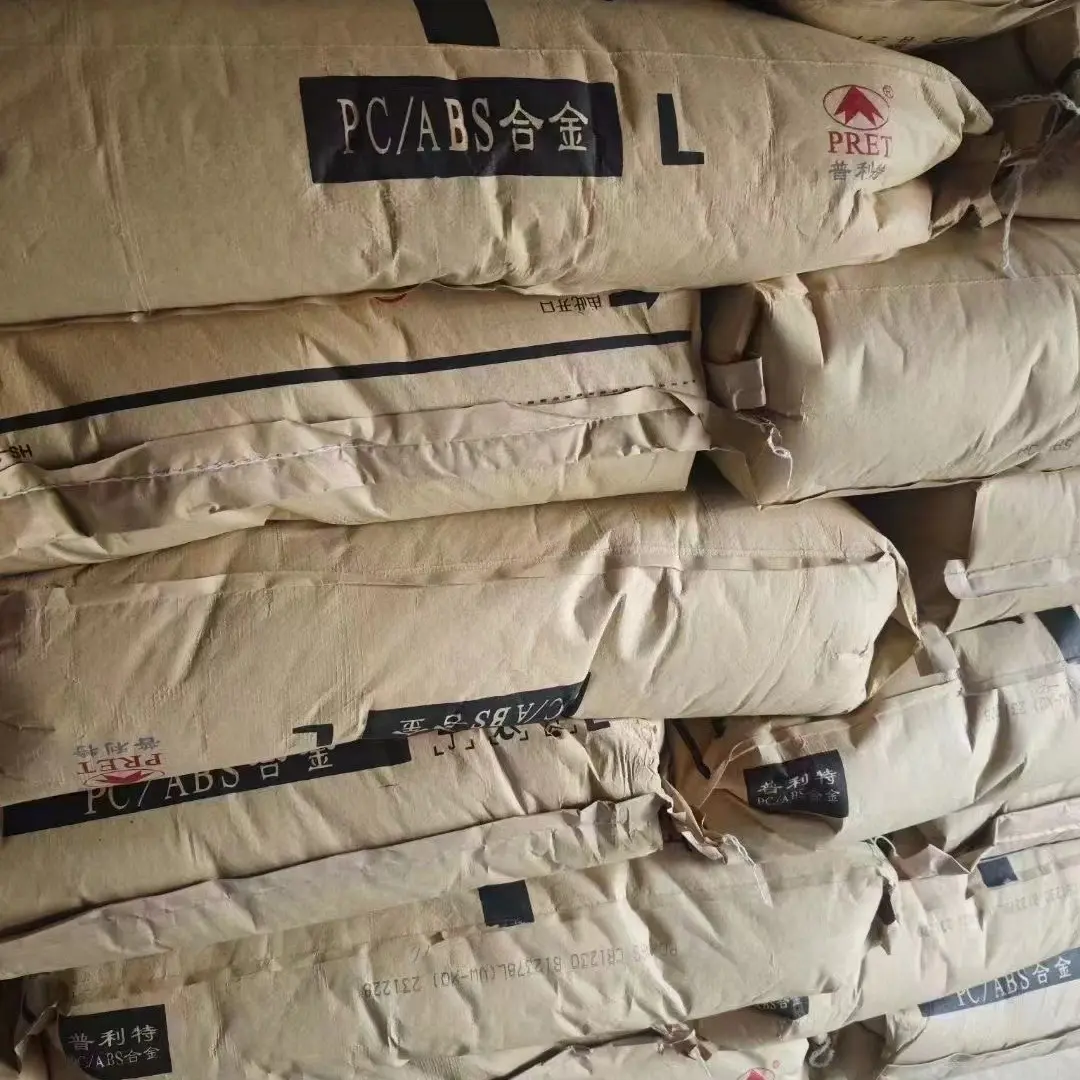
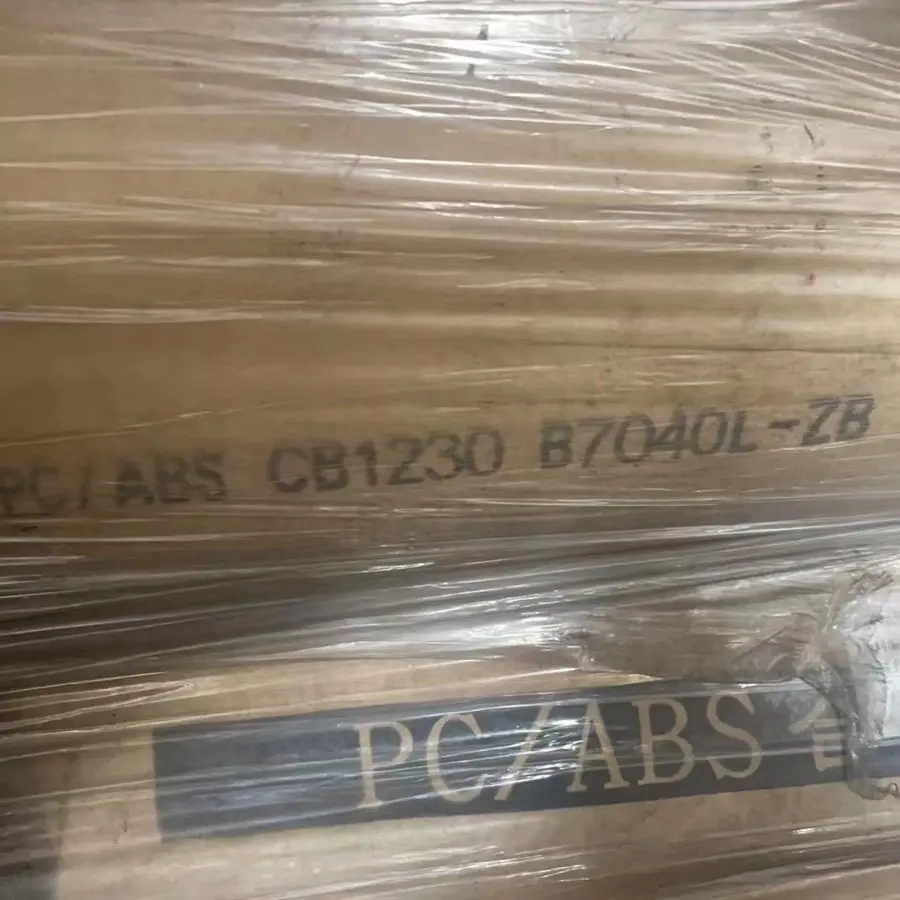
PRET Retom® CB1230 PC/ABS TDS and selection guide: Vicat 122 °C, 32 kJ/m² notched impact at -30 °C, low emission — for pillars, door trim strips, armrests, grilles and spoilers.
| Manufacturer | PRET |
|---|---|
| Density | 1.13 g/cm³ |
| MFR | 20 g/10min |
| Tensile Strength at Yield | 53 MPa |
| Elongation at Break | ≥50 % |
Note: See the product description for additional technical specifications
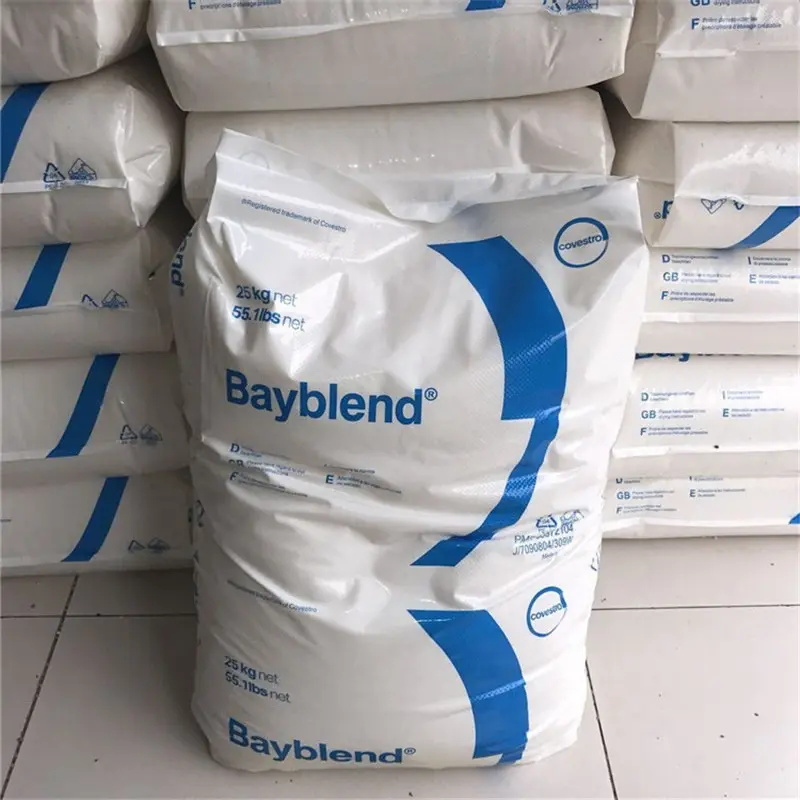
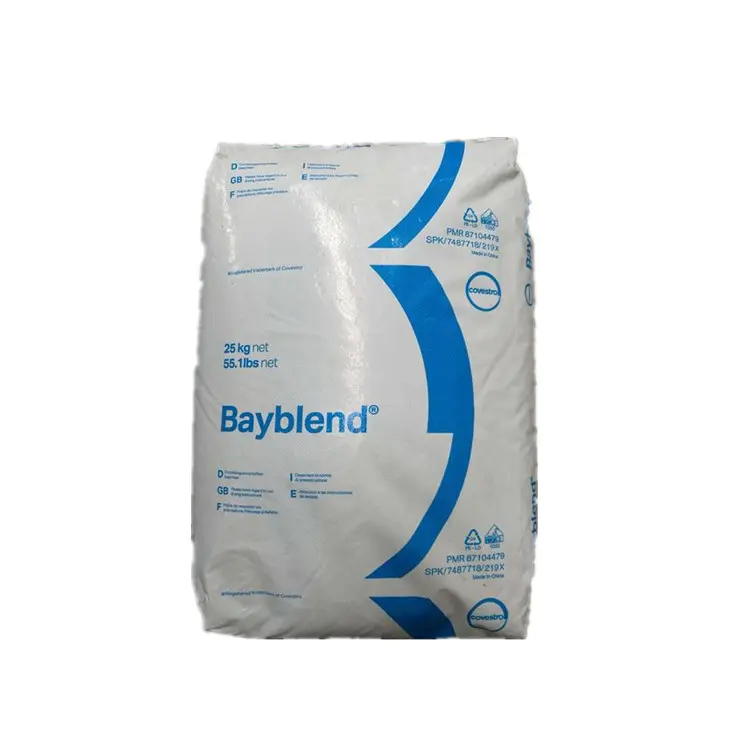
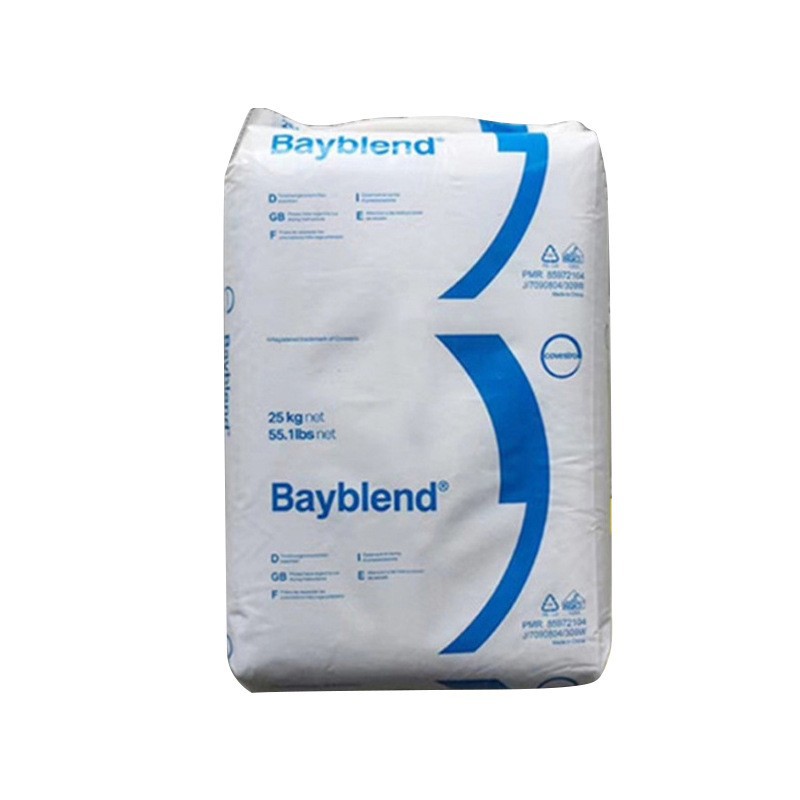
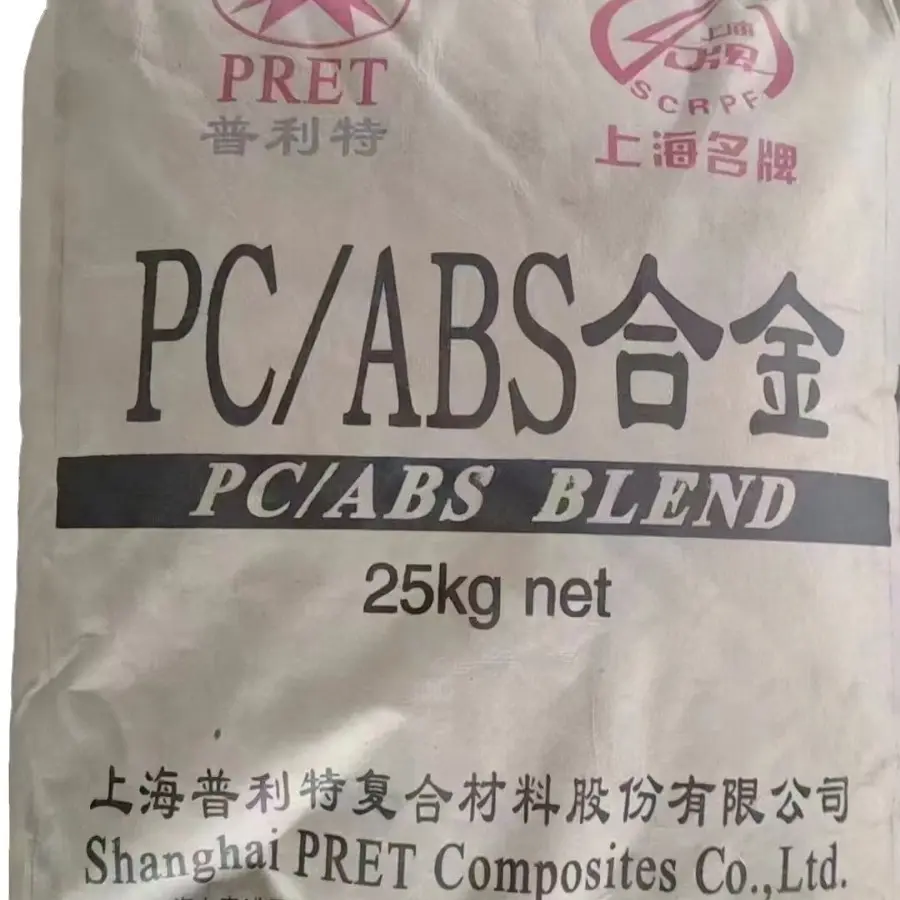
Manufacturer: Shanghai Pret Composites Co., Ltd. (PRET), material brand Retom®. This grade is produced in both China and the United States and is supplied worldwide by ZiJun Plastics.
Category: PC/ABS alloy (polycarbonate / acrylonitrile-butadiene-styrene blend) — an engineering thermoplastic alloy. By combining the heat resistance and dimensional stability of polycarbonate with the processing flow and surface quality of ABS, PC/ABS has become one of the most widely used engineering plastic alloys in automotive interiors and electrical/electronics applications.
Appearance: Pellets, injection-molding grade. Specific color and appearance follow the manufacturer’s color card and the delivered lot; batch samples can be provided on request for confirmation before mass production.
Market position and main applications: CB1230 is the representative grade in the Retom® PC/ABS platform positioned for high heat resistance, high impact strength and low emission. It is listed in OEM approvals (GMW15581P-ABS+PC-T2/T5, GS93016:2021), which helps streamline material approval and validation for OEM projects. Its typical applications cover automotive interior and exterior trim: pillars, door trim strips, armrests, grilles and spoilers — parts that must simultaneously deliver appearance quality, heat performance and controlled odor/VOC emission.
| Physical Properties | Test Value | Unit | Test Standard |
| Density 23 °C |
1.13 | g/cm³ | ISO 1183-1 |
| Melt index, mass 260 °C, 5 kg |
20 | g/10min | ISO 1133-1 |
| Mechanical Properties | Test Value | Unit | Test Standard |
| Tensile strength, yield 50 mm/min |
53 | MPa | ISO 527-2 |
| Tensile strain, break 50 mm/min |
≥ 50 | % | ISO 527-2 |
| Flexural strength 2 mm/min, 64 mm |
82 | MPa | ISO 178 |
| Tensile modulus 2 mm/min, 64 mm |
2300 | MPa | ISO 178 |
| Charpy impact strength, notched 23 °C |
55 | kJ/m² | ISO 179-1/A |
| Charpy impact strength, notched -30 °C |
32 | kJ/m² | ISO 179-1/A |
| Thermal Properties | Test Value | Unit | Test Standard |
| Vicat softening temperature B50 0 |
122 | °C | ISO 306 |
| Heat deflection temperature 0.45 MPa, 120 °C/h |
122 | °C | ISO 75-2 |
| Heat deflection temperature 1.8 MPa, 120 °C/h |
101 | °C | ISO 75-2 |
| Burning rate | 29 | mm/min | ISO 3795 |
The technical data sheet (TDS) of Retom® CB1230 PC/ABS material from PRET corporation, if there are differences, please refer to the official website of PRET.
Automotive interior parts (core application): According to the manufacturer’s typical application list, CB1230 is used for interior parts such as pillars, door trim strips and armrests. These parts share the same requirements: a relatively high heat rating, consistent appearance and surface quality, and controlled in-cabin odor and emission — the core territory of PC/ABS alloys.
Automotive exterior and trim parts: The same official list includes exterior/trim parts such as grilles and spoilers, where the priorities are impact resistance and dimensional stability under outdoor conditions. Because these parts are permanently exposed to weather, we recommend confirming coating or wrapping processes and full-part validation conditions before finalizing the material.
Adjacent applications (evaluate case by case): For non-automotive parts that also value heat resistance, impact strength and low emission — for example appliance housings, consumer-electronics structural parts, and injection-molded parts that must combine surface quality with structural strength — CB1230 is worth evaluating; however, such applications usually bring additional appearance, certification or safety requirements. Please share the part drawing and operating conditions (temperature, load, contact media, certification requirements) so we can confirm the selection.
Applications requiring separate confirmation: For food-contact, medical and biocompatibility-related uses, the TDS of this grade does not cover the corresponding compliance data — these must be confirmed with the manufacturer separately. If a project explicitly requires a UL94 V-0 rating, we recommend switching to the flame-retardant grade in the same family (e.g. Retom® CB1230R, officially positioned as high-impact, V-0 flame retardant, used for battery module covers and wire-harness isolation plates).
Q1: How should CB1230 be dried before injection molding?
A1: PC/ABS alloys are moisture-sensitive: residual moisture can cause silver streaks and bubbles on the part surface and can affect mechanical performance. The common industry practice is hot-air drying at 100–110 °C for 2–4 hours (longer for thicker material beds), ideally with a desiccant dryer; please follow the manufacturer’s processing guide and your actual equipment conditions for the exact temperature and time. For reference, PC/ABS is typically processed with a melt temperature of 240–270 °C, and mold temperature should be set according to the appearance requirements of the part.
Q2: How does CB1230 differ from standard ABS and from pure PC?
A2: The positioning differences can be summarized as follows (this table describes material families in general terms and is not a performance commitment for any specific grade):
| Comparison | Standard ABS | PC/ABS alloy (e.g. CB1230) | Pure PC |
| Heat resistance | Medium | Relatively high (Vicat 122 °C) | High |
| Impact strength (especially at low temperature) | Medium | High (32 kJ/m² at -30 °C) | Very high |
| Processing flow | Good | Good (MFR 20 g/10min) | Lower; higher processing temperature |
| Surface and painting compatibility | Good | Good — suited to interior appearance requirements | Moderate |
| Typical use | General housings, appliance parts | Automotive interior and trim parts | Transparent structural parts, high-heat parts |
Q3: What compliance documents are available? Is the material RoHS / REACH compliant? What is its UL94 rating?
Q3: The manufacturer’s TDS, MSDS and related documents are available with shipments, and we can assist in obtaining compliance declarations matching the delivered lot; the latest RoHS, REACH and similar compliance documents issued by the manufacturer prevail. Please note in particular that the official TDS of CB1230 does not list a UL94 flammability rating (the “burning rate 29 mm/min” in the table is an ISO 3795 test item and is not a UL94 classification). If your project requires UL94 V-0, please verify the manufacturer’s UL Yellow Card information or choose the flame-retardant grade CB1230R instead.
Q4: Will the material become brittle in low-temperature service?
A4: The data shows a notched Charpy impact strength of 32 kJ/m² at -30 °C versus 55 kJ/m² at 23 °C — a meaningful drop, but still a usable level of toughness and normal behavior for PC/ABS. If the part operates at even lower temperatures or under continuous dynamic loading, we recommend a dedicated falling-weight or low-temperature impact validation before freezing the design.
Submit your inquiry today and receive a professional competitive price tailored to your project requirements.