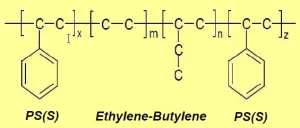
In the global polymer materials and thermoplastic elastomer (TPE) sectors, styrene-ethylene-butylene-styrene (SEBS) block copolymers have become essential core raw materials for automotive components, medical devices, cable coatings, high-end adhesives, and soft-touch consumer goods due to their exceptional weather resistance, aging resistance, outstanding elasticity, and eco-friendly properties.
With the continuous evolution of global supply chains and fluctuations in the macroeconomic environment, chemical procurement managers and manufacturers are more focused than ever on SEBS price trends and market dynamics. This article provides an in-depth analysis of current global SEBS price drivers, regional supply-demand patterns, and recommended procurement strategies for businesses.
Introduction
As a hydrogenated derivative of SBS, SEBS features a main polymer chain free of unsaturated double bonds, resulting in a qualitative leap in UV resistance, ozone resistance, and thermal performance. As downstream application fields continually expand toward higher-end and more precision-oriented sectors, global demand for high-performance SEBS maintains steady growth.
However, in recent years, price volatility in upstream basic chemical raw materials, fluctuations in international logistics costs, and uneven regional distribution of production capacity have made SEBS pricing and supply chain stability core indicators in B2B procurement decision-making. Real-time mastery of the market pulse and an understanding of the underlying logic behind pricing are crucial for companies to control production costs and safeguard supply chain security.
Overview of the Global SEBS Market
1. Capacity Distribution and Core Applications
Currently, global SEBS production capacity is primarily concentrated among a small number of large petrochemical enterprises in Asia (China, Japan), North America, and Europe. From a consumption standpoint, the main application segments for SEBS include:
- Automotive Industry: Automotive interior trim parts, sealing strips, vibration-damping components, and wire harness overmolding.
- Medical & Healthcare: Medical infusion tubes, syringe plungers, and reusable medical device tubing (meeting extremely high biocompatibility requirements).
- Cables & Electronics: Environmentally friendly flame-retardant cable compounds, soft-touch consumer electronics housings, and keypads.
- Compounding & Adhesives: Widely used as a toughening agent for PP and PE modification, or applied in hot melt pressure-sensitive adhesives (HMPSA).
2. Market Demand Growth Drivers
As traditional rubber and PVC materials face stricter environmental regulatory limits, SEBS—which combines the processing convenience of thermoplastics with the elasticity of rubber—has ushered in broader substitution opportunities amid the wave of sustainable development. In particular, trends toward new energy vehicle lightweighting and medical device harmlessness have further driven up market demand for high-quality SEBS grades.
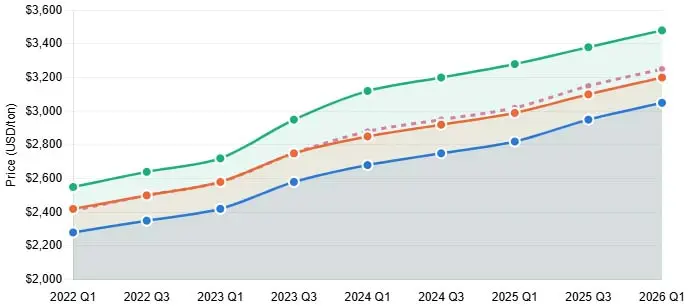
Key Factors Driving SEBS Price Fluctuations
To accurately forecast SEBS price trends, a deep understanding of its cost and supply-demand structure is essential:
1. Upstream Basic Raw Material Cost Transmission
The synthesis of SEBS heavily relies on basic petrochemical raw materials, primarily butadiene, styrene, and the catalysts and hydrogen costs required during the hydrogenation stage. Dramatic fluctuations in crude oil prices directly transmit to upstream monomers, subsequently forming rigid cost support or downward pressure on SEBS ex-factory prices.
2. Supply-Demand Relationships and Capacity Utilization
With the release of certain new capacities alongside maintenance and overhauls of legacy facilities, global supply and demand exhibit structural imbalances: competition in mid-to-low-end general-purpose grades has intensified, while high-end grades featuring high melt flow rates, high transparency, or special rheological performance continue to face structural shortages during specific periods.
3. Macroeconomics and Logistics Costs
Fluctuations in international ocean freight rates, port congestion, and the impact of geopolitics on cross-border supply chains directly determine the actual landing procurement costs for overseas buyers.
Regional Market Performance & Price Trends
1. Asia-Pacific Region (China and Southeast Asia)
The Asia-Pacific region is the world’s largest SEBS production and consumption hub. The continuous expansion of domestic capacity and technological upgrades in China have diversified market supply. However, due to intense competition, overall pricing features narrow fluctuations aligned with raw material costs.
2. Europe, Americas, and Overseas Markets
Demand for specific high-performance, strictly certified, and medical-grade SEBS remains stable in European and American markets. However, due to high domestic chemical production costs and long-distance logistics, import dependency is relatively high, and prices typically incorporate a higher logistics and regulatory premium.
Sourcing & Purchasing Strategies in a Volatile Market
In a market environment characterized by both price volatility and supply chain uncertainty, B2B procurement teams can adopt the following strategies to optimize costs:
- Multi-Channel Supply Chain Layout: Avoid over-reliance on a single supplier and establish a regionalized backup supplier pool.
- Close Tracking of Upstream Raw Material Dynamics: Coordinate procurement batches reasonably by referencing weekly and monthly reports on butadiene and styrene, avoiding cyclical price peaks.
- Seeking Cost-Effective Premium Raw Material Alternatives: Under the premise of meeting terminal product performance requirements, actively test and introduce stable, high-performance SEBS elastomer raw materials and matching grades provided by professional suppliers, effectively lowering comprehensive procurement costs while ensuring quality.
Conclusion & Future Outlook
Looking ahead, the SEBS market will continue to evolve toward high performance, differentiation, and environmental sustainability. Although cyclical fluctuations in upstream raw materials will continue to cause short-term price disturbances, from a long-term perspective, as application technologies mature, the global demand foundation for SEBS remains solid.
For manufacturing enterprises, deeply understanding market trends, meticulously managing procurement cycles, and establishing long-term strategic partnerships with reliable raw material suppliers will be the optimal path to navigate market cycles and maintain product competitiveness.