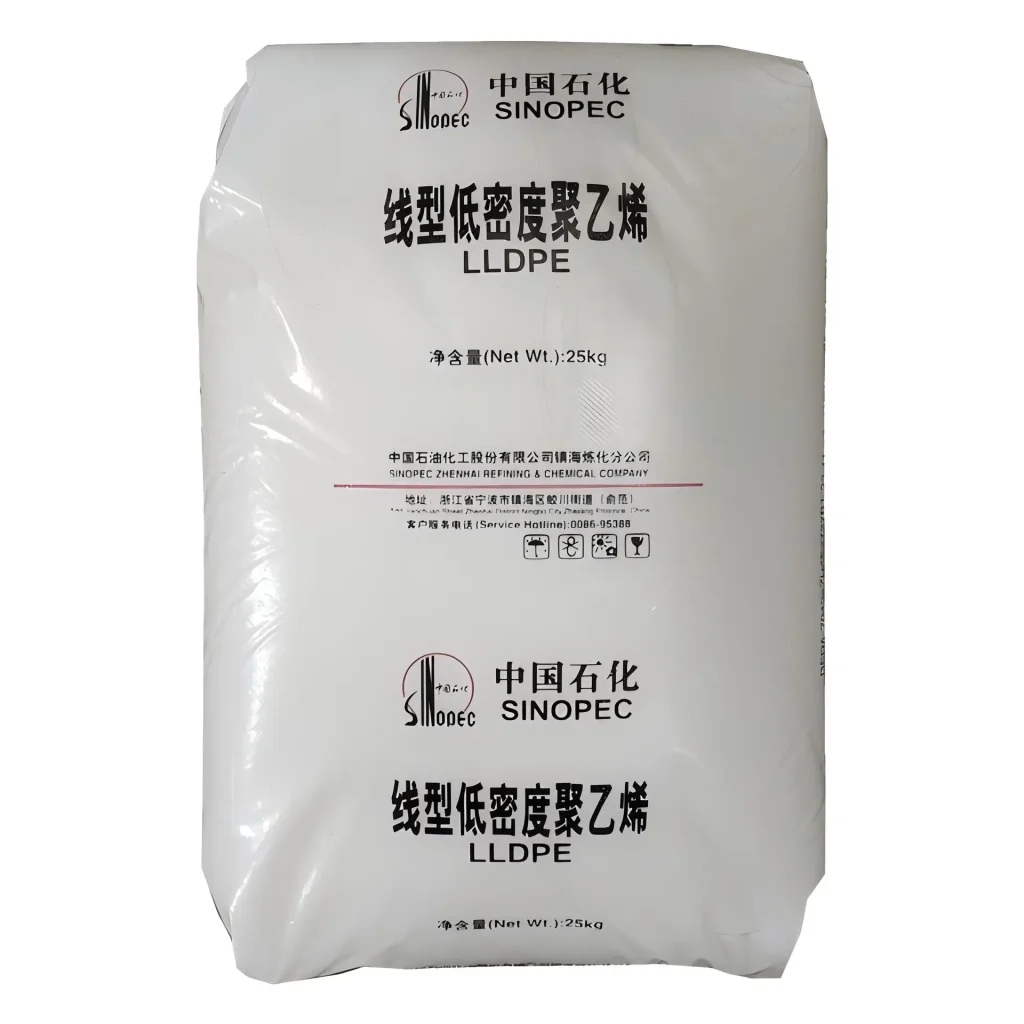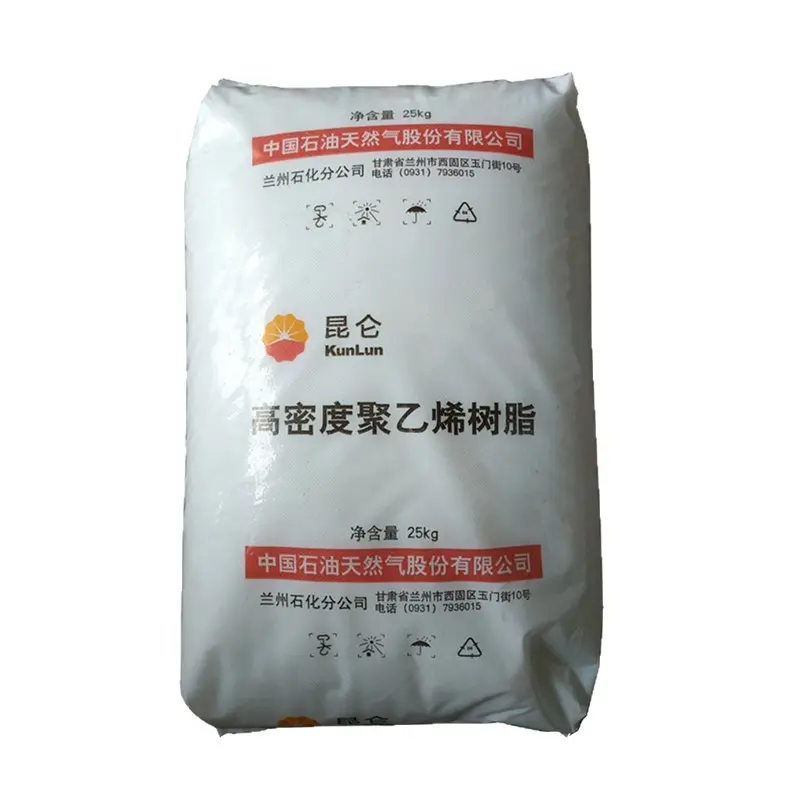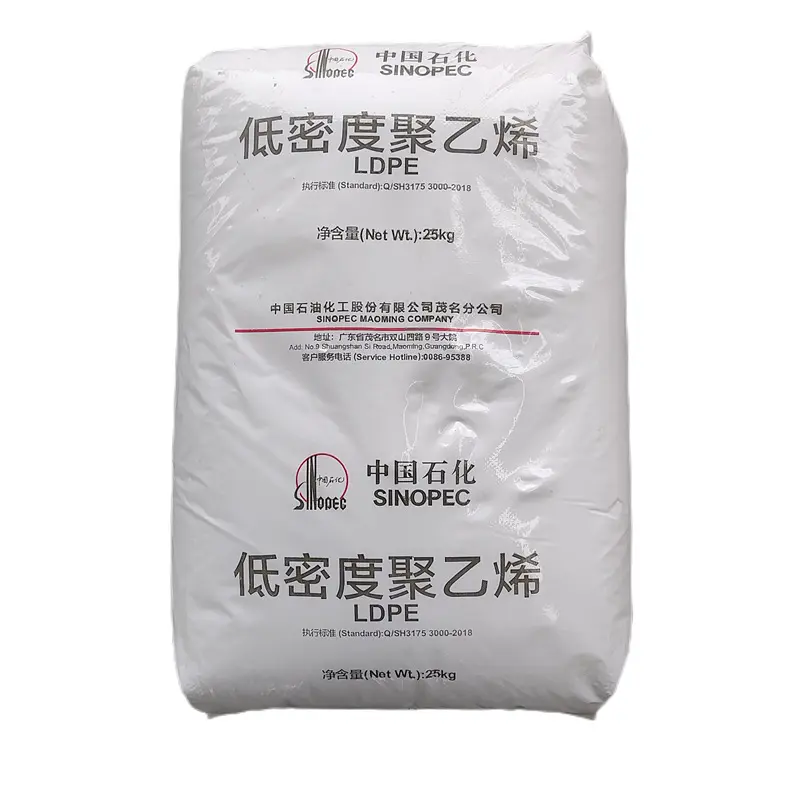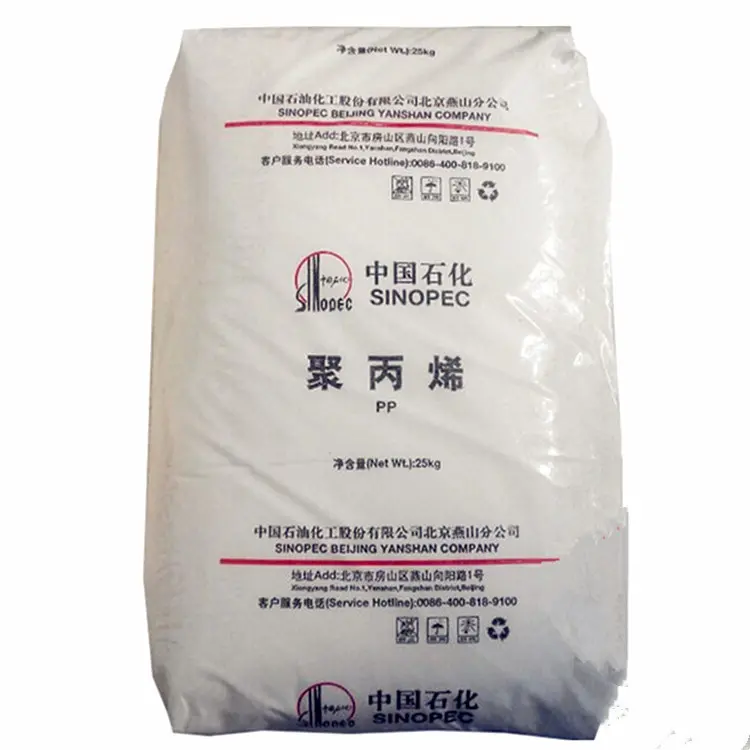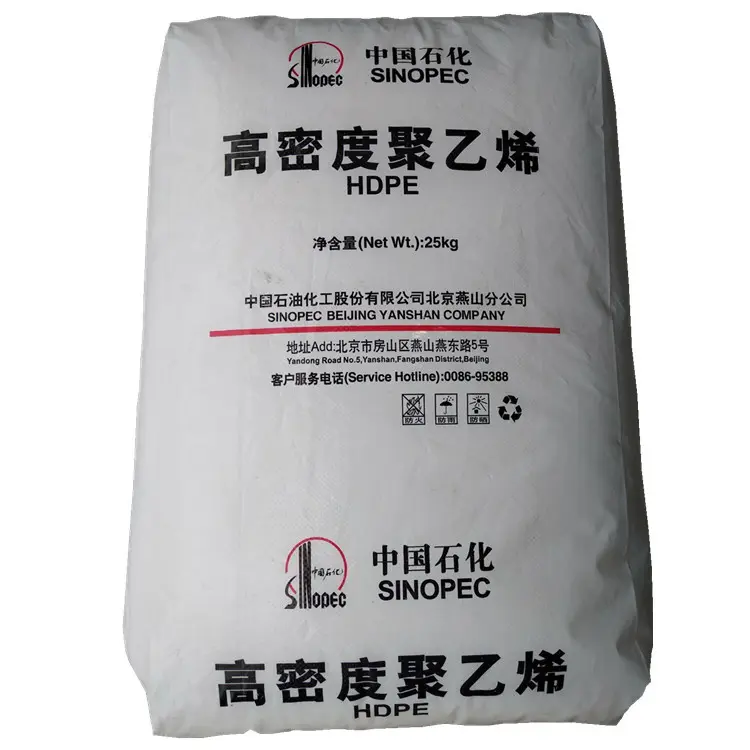
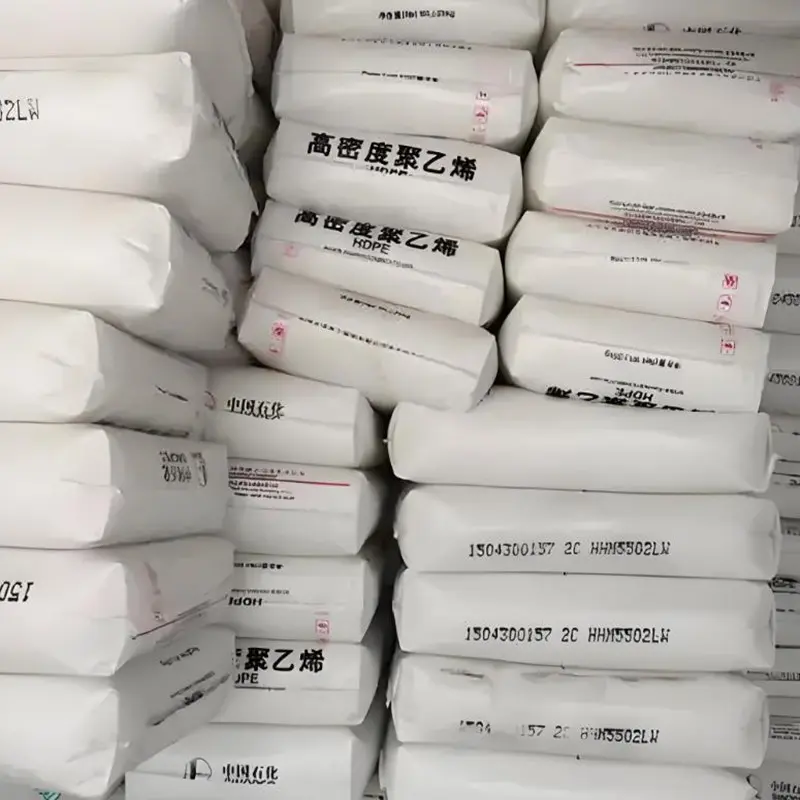
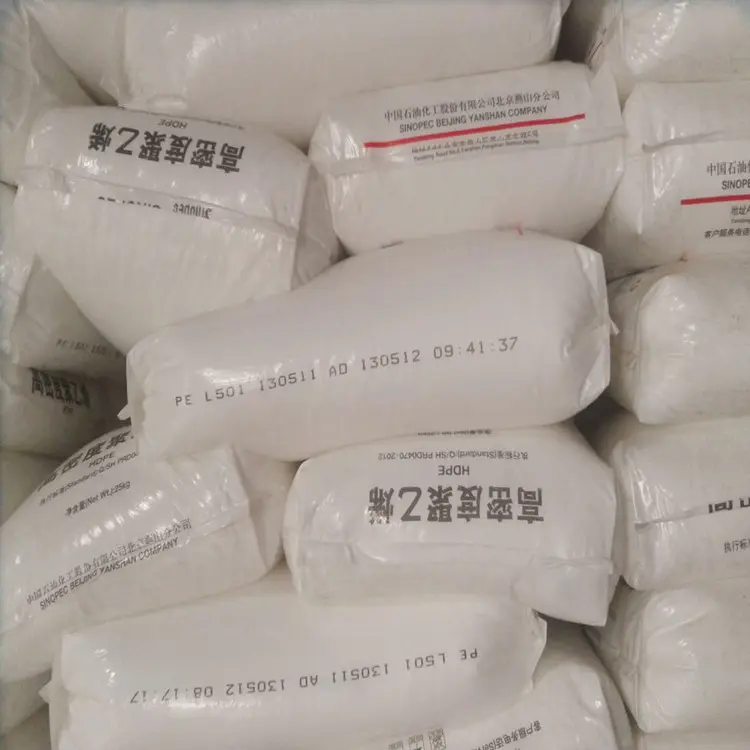
SINOPEC Yanshan HDPE 6100M is a PE80 extrusion resin with 0.16 g/10min MFR and 600h ESCR, ideal for municipal water, gas pressure pipes, and agricultural irrigation.
| Manufacturer | Sinopec Yanshan |
|---|---|
| MFR | 0.16 g/10min |
| Density | 0.951 g/cm³ |
| Tensile Strength at Yield | 18 MPa |
| Elongation at Break | 500 % |
Note: See the product description for additional technical specifications
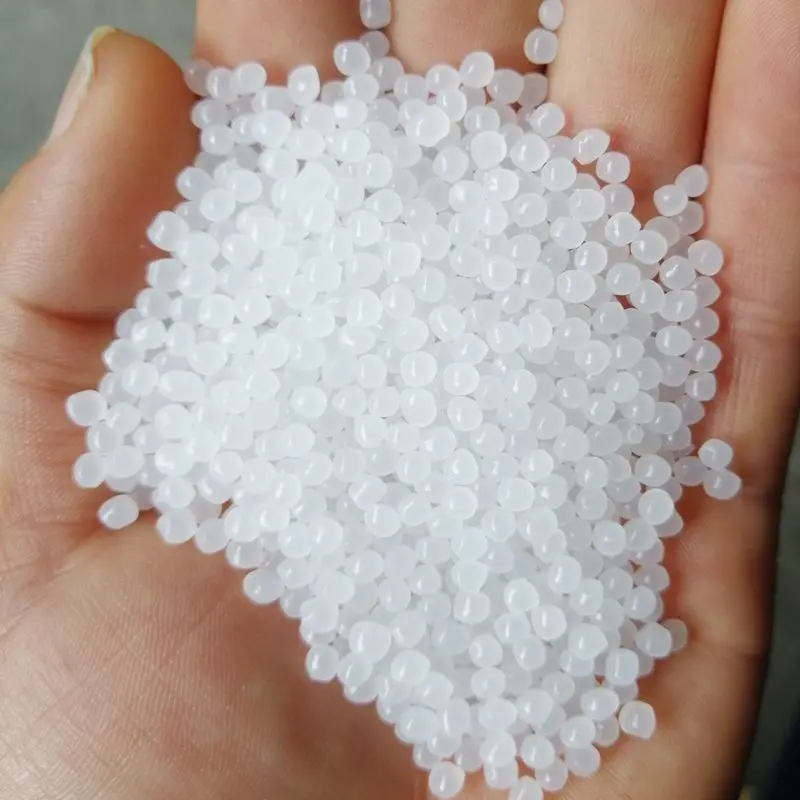
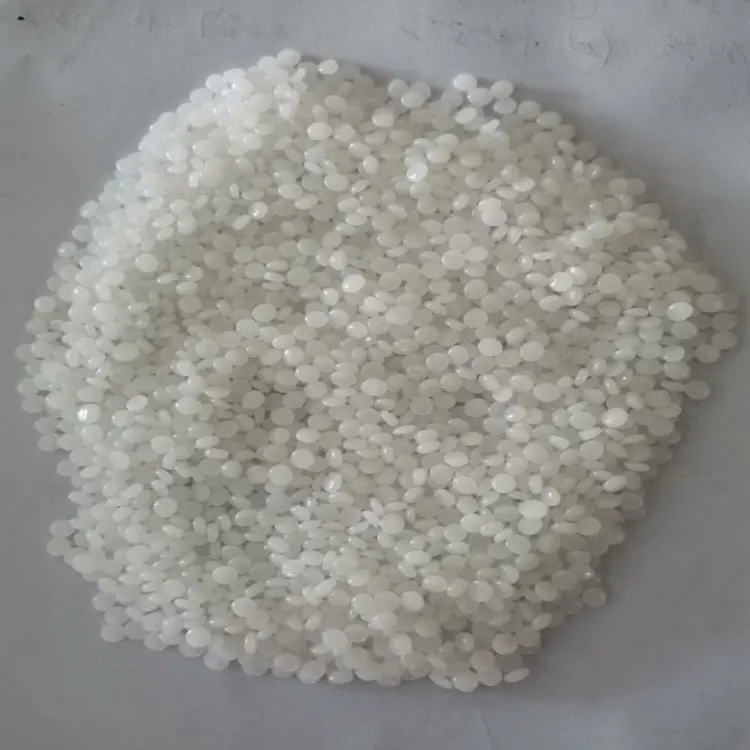
SINOPEC Yanshan HDPE 6100M extrusion-grade resin is produced by SINOPEC Beijing Yanshan Company. As a benchmark raw material for large-diameter pipe production in China, 6100M is widely recognized in the industry as an ideal choice for PE80 pressure pipe applications. The product appears as white or natural cylindrical pellets with a uniform particle size distribution. SINOPEC Yanshan’s deep expertise in polyethylene catalyst technology endows 6100M with outstanding batch-to-batch stability. In the plastic piping industry, 6100M is not only the base material for producing polyethylene pipes, but also the “backbone” material that ensures the long-term safe operation of municipal water supply, agricultural irrigation, and industrial conveyance systems.
| Properties | Typical Value | Unit | Test Method |
| Melt Flow Rate | 0.16 | g/10min | GB/T 3682 |
| Density | 0.951 | g/cm³ | GB/T 1033 |
| Tensile Stress at Yield | 18 | MPa | GB/T 1040 |
| Elongation at Break | 500 | % | GB/T 1040 |
| Environmental Stress Cracking Resistance | 600 | h | GB/T 1842 |
The technical data sheet (TDS) of HDPE 6100M material from SINOPEC corporation, if there are differences, please refer to the official website of SINOPEC.
Choosing HDPE 6100M brings the following core advantages to your production efficiency and final product quality:
Excellent Environmental Stress Cracking Resistance (ESCR): This is a key indicator for PE80 materials. The ESCR duration of 6100M can reach over 600 hours, which means pipes manufactured from it can withstand internal and external pressures as well as chemical corrosion over the long term, greatly reducing the risk of brittle failure under high-pressure gas or water supply operating conditions.
Balance of High Stiffness and Impact Resistance: While reaching a high stiffness level with a density of 0.951 g/cm³, it maintains excellent low-temperature flexibility. This prevents pipes from cracking easily during winter low-temperature storage, transportation, and installation.
Extremely Low Melt Flow Rate (MFR): A flow rate of 0.16 g/10min ensures extremely high melt strength during the extrusion process. This is crucial for producing large-diameter, thick-walled pipes, ensuring that the pipes maintain their structural stability and do not sag or collapse after exiting the die.
Significant Cleanliness: SINOPEC Yanshan’s process control keeps impurities and colored particles in 6100M extremely low (first-grade product impurity count ≤20 particles/kg). High cleanliness not only means a better product appearance, but also reduces internal stress concentration points within the pipe, extending its service life.
Wide Processing Temperature Window: Academic research indicates that 6100M maintains good plasticizing effects across a wide temperature range of 180°C to 220°C, offering strong adaptability to processing equipment and reducing energy consumption and tuning difficulties during production.
With its PE80 standard certification, HDPE 6100M is widely used in pressure piping and specialty extrusion fields:
Pressure Water Supply and Gas Pipelines: As a dedicated PE80 grade material, it is primarily used to manufacture municipal water supply networks and natural gas transmission pipelines. Its long-term hydrostatic strength ensures operational safety under geological shifts and pressure fluctuations.
Agricultural Irrigation Systems: In the field of farmland irrigation, 6100M is used to produce large-diameter drainage pipes, main irrigation pipes, and underground buried pipelines. Its chemical corrosion resistance effectively resists erosion from soil pesticides, fertilizers, and UV aging.
Industrial and Mining Applications: Used to produce mining tailings pipelines, slurry discharge pipes, and industrial wastewater pipes. Its high wear resistance and excellent resistance to slow crack growth (SCG) enable it to handle the transport of media containing solid particles.
Communication and Power Conduit Pipes: Leveraging its high stiffness and good electrical insulation properties, 6100M is also widely used to manufacture protective conduits for underground telecommunication and power cables, providing a durable physical barrier.
Q1: Does HDPE 6100M belong to PE100 or PE80 grade materials?
A1: According to industry classification standards, SINOPEC Yanshan 6100M belongs to the PE80 grade (Minimum Required Strength MRS ≥ 8.0 MPa). Although it does not possess the higher short-term strength of PE100, it features outstanding flexibility and environmental stress cracking resistance, making it particularly suitable for low-pressure gas transmission, water transmission, and trenchless piping projects where long-term hydrostatic strength demands are not at the absolute maximum but crack resistance requirements are stringent.
Q2: What are the recommended screw temperatures and pressures when processing 6100M to produce pipes?
A2: Based on relevant research and factory practices, a “low-temperature extrusion” strategy is recommended. It is suggested to control the barrel temperature at 180–210°C, the die head temperature at 200–220°C, and the melt temperature preferably between 200–210°C. Due to the low MFR, it is necessary to ensure sufficient screw torque and adequate cooling to avoid material degradation caused by excessive shear heat.
Q3: Is this material suitable for producing drinking water pipes? Are there environmental compliance concerns?
A3: Yes, HDPE 6100M is commonly recommended for drinking water pipe production. This grade of resin produced by SINOPEC Yanshan undergoes strict hygiene standard control during production, and the products meet the sanitary safety requirements for drinking water transmission pipelines after testing. Furthermore, the material is an eco-friendly polyolefin that complies with international environmental directives such as RoHS.
Submit your inquiry today and receive a professional competitive price tailored to your project requirements.