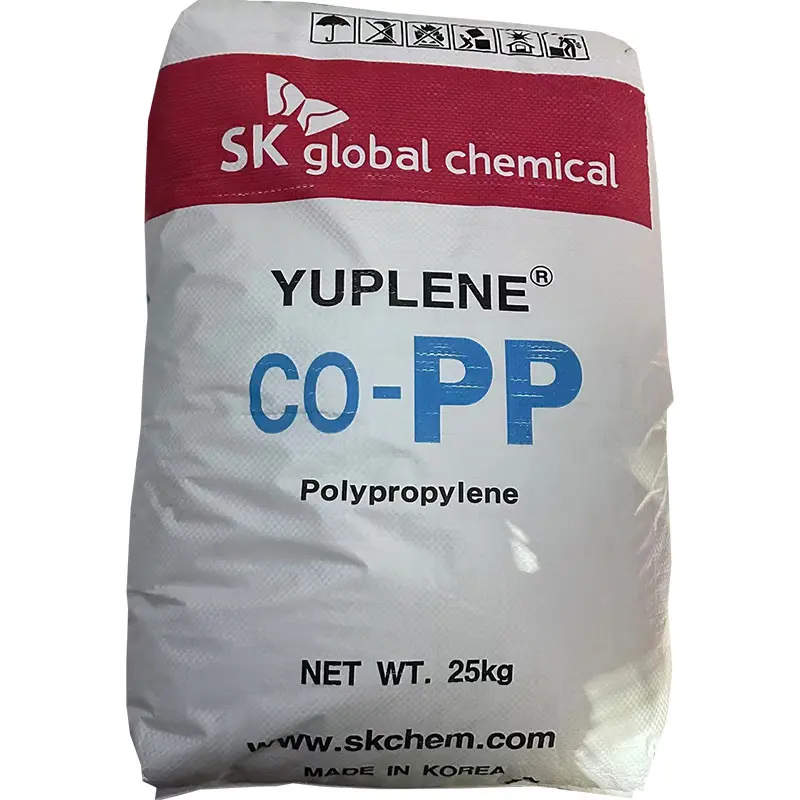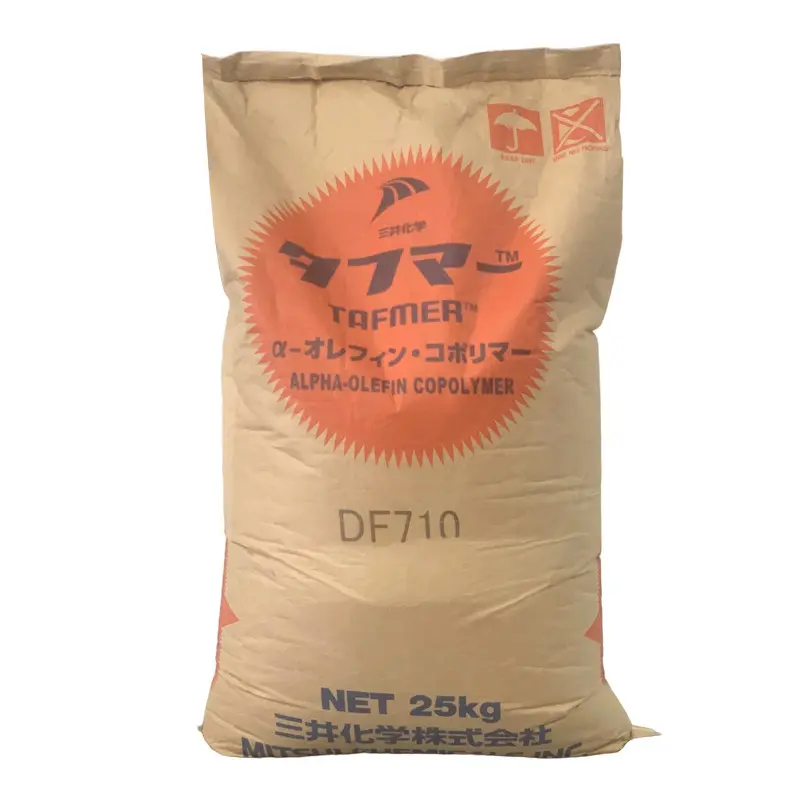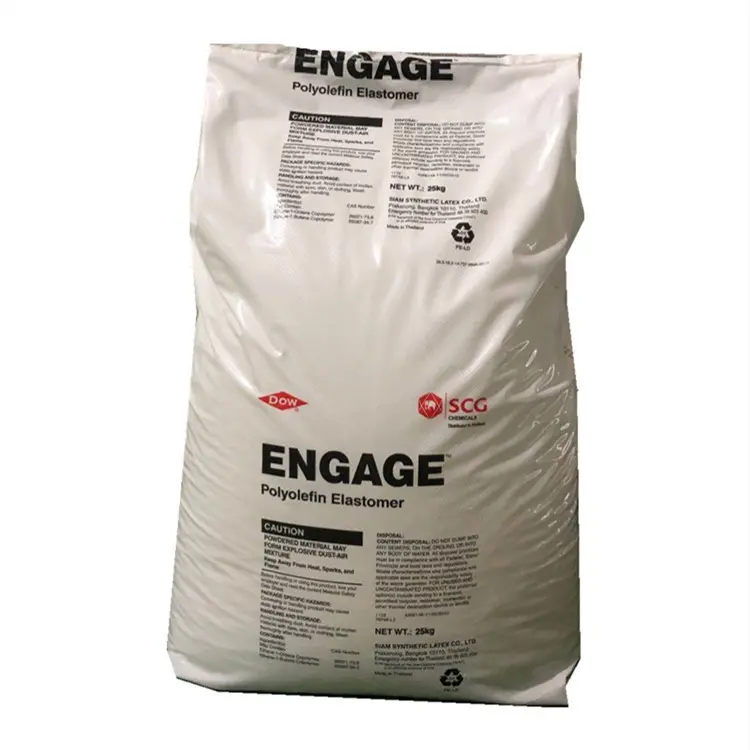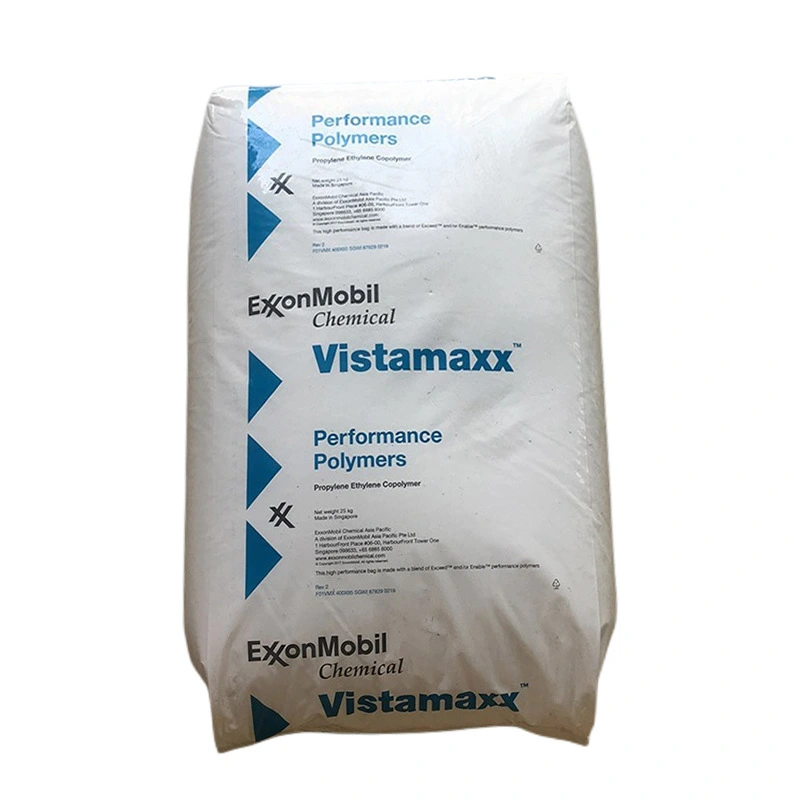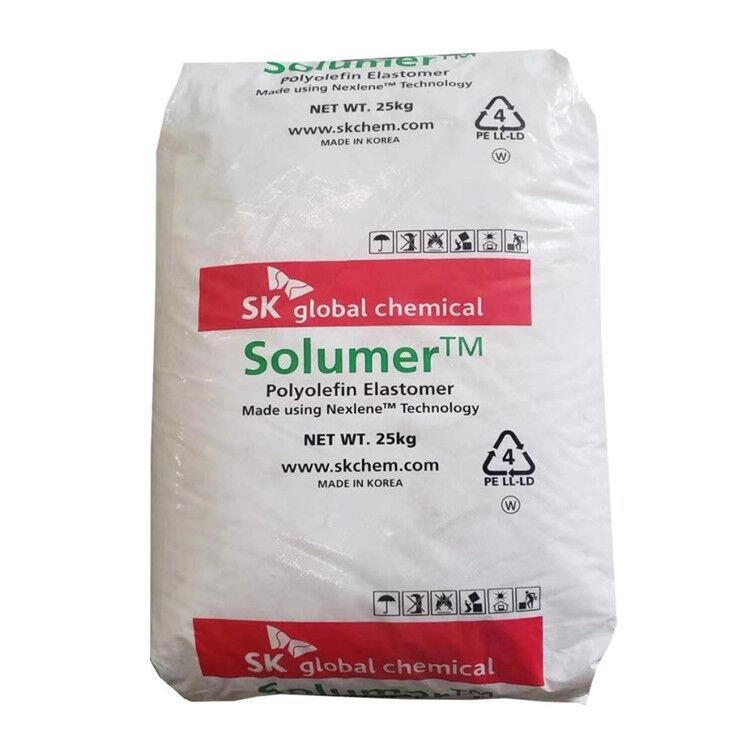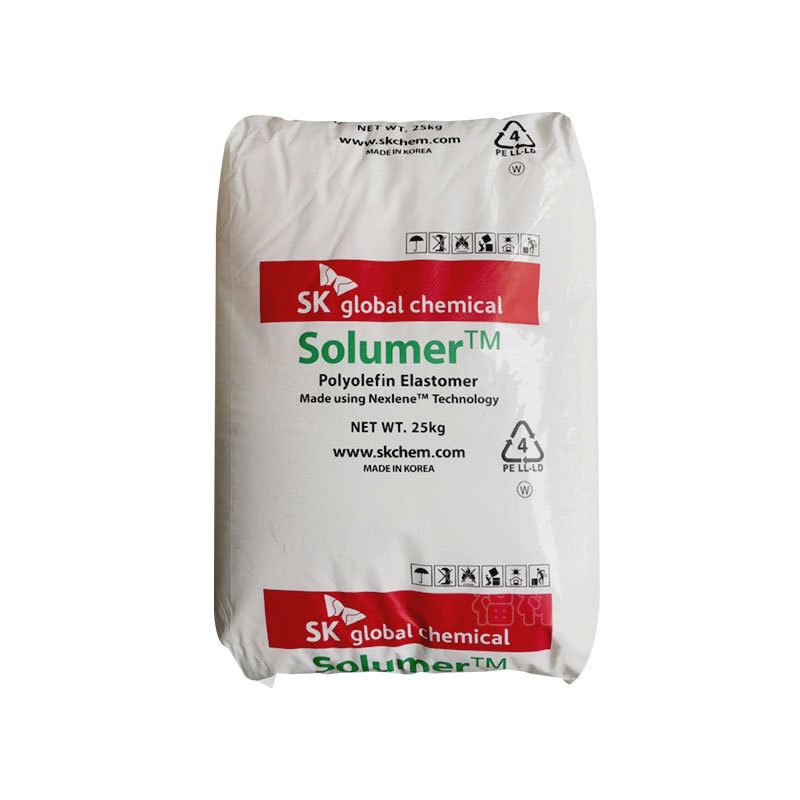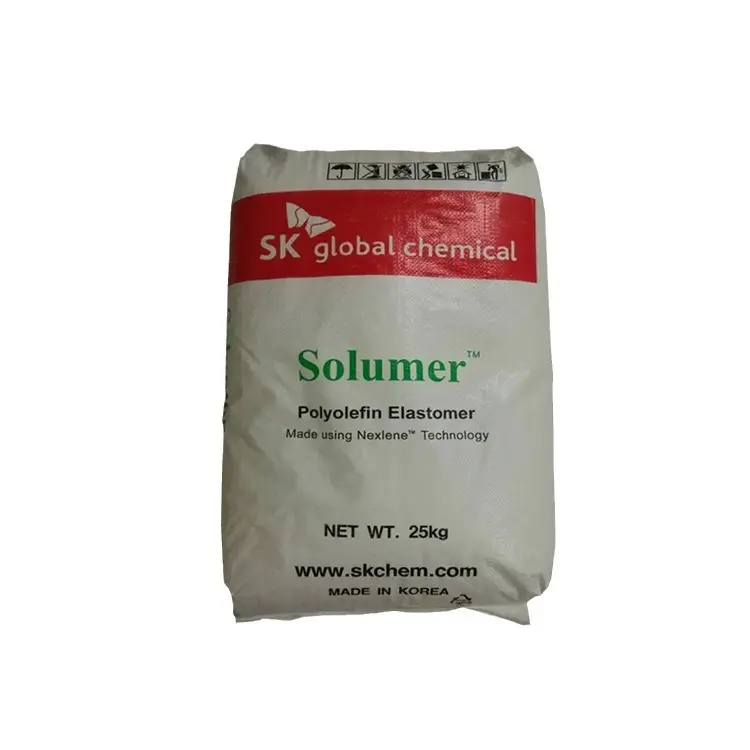
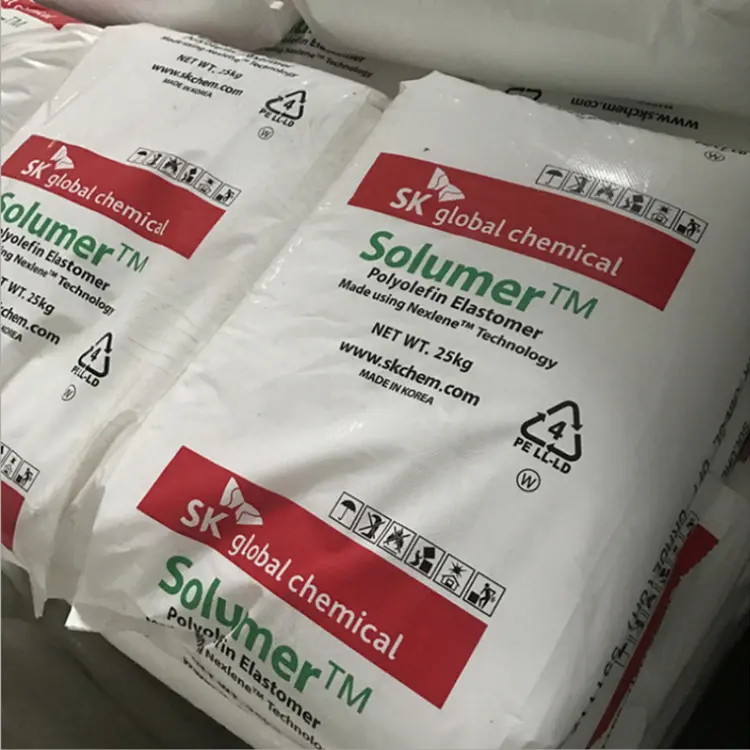
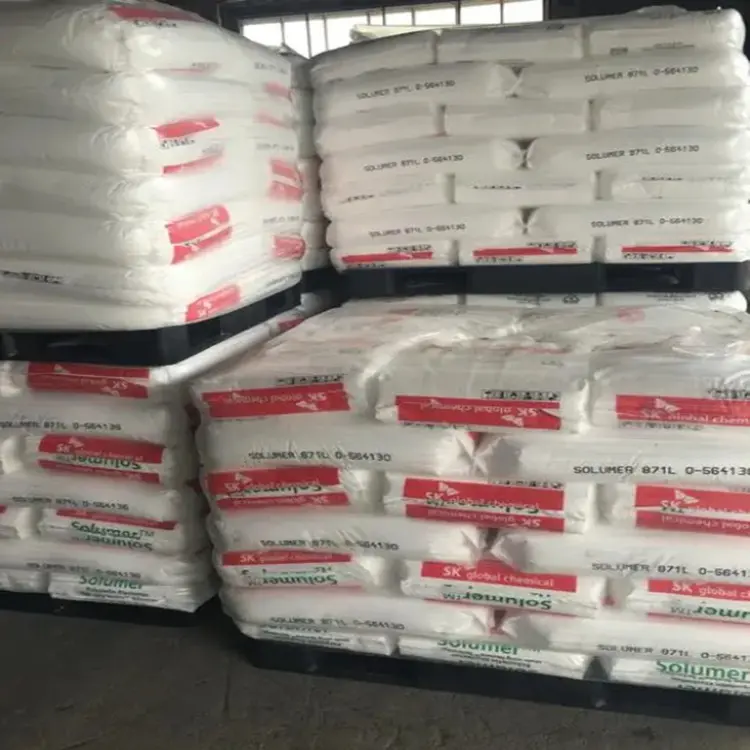
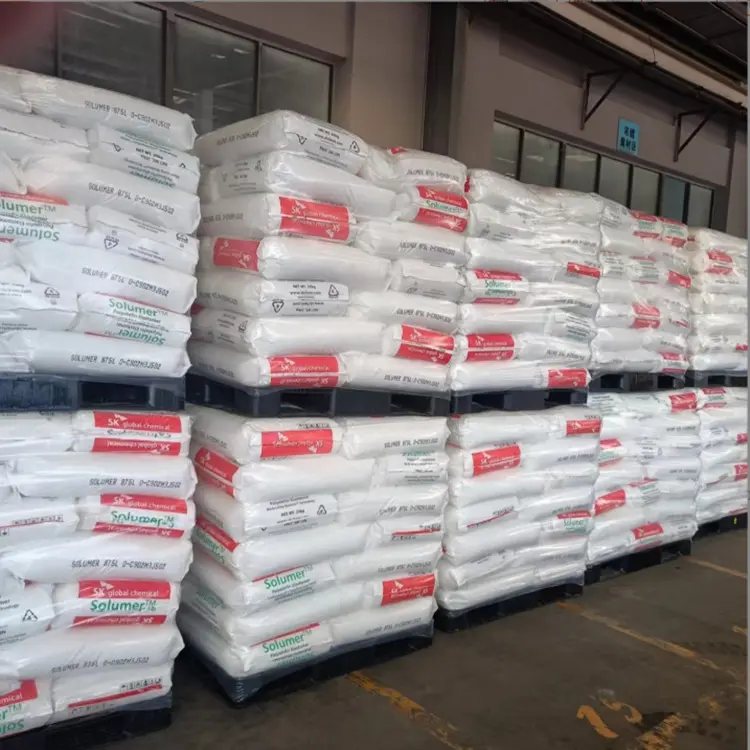
SK POE 883 is a high-performance polyolefin elastomer (POE) resin produced via metallocene catalyst technology. It features low density, high elasticity, and excellent impact strength at low temperatures. Available in standard 25kg packaging with Technical Data Sheets (TDS) for industrial applications.
| Manufacturer | SK chemicals |
|---|---|
| Density | 0.88 g/cm³ |
| MFR | 3.0 g/10min |
| Elongation at Break | >800 % |
Note: See the product description for additional technical specifications
SK POE 883 is a high-performance Polyolefin Elastomer (POE) produced by SK Group. It combines the flexibility of rubber with the processability of plastic, making it a highly cost-effective modification material in the global industrial sector.
Core Selling Points:
Superior Toughening Effect: Its extremely low crystallinity makes it an ideal impact modifier for PP and PE.
Excellent Electrical Insulation: Outstanding dielectric properties make it a top choice for high-end cable sheathing materials.
Efficient Processing: Good fluidity helps shorten injection cycles and reduce production energy consumption.
As a professional plastic resin material wholesaler in China, ZiJun Plastics is committed to providing global customers with technical benchmarking and stable original factory supply chain support.
To ensure precise production processes, the core technical parameters of SK POE 883 are listed below. These data are based on strict laboratory testing environments.
| Properties | Typical Value | Test Method | Condition |
| Density | 0.88 g/cm³ | ASTM D1505 | 23°C |
| Melt Flow Rate (MFR) | 3.0 g/10min | ASTM D1238 | 190°C / 2.16kg |
| Mooney Viscosity | 15 MU | ASTM D1646 | ML 1+4 @121°C |
| Shore Hardness | 82 | ASTM D2240 | Shore A |
| Tensile Strength | 11.5 MPa | ASTM D638 | 500mm/min |
| Elongation at Break | >800 % | ASTM D638 | 500mm/min |
Professional Tip: Testing environments significantly impact elastomer data. Ensure material benchmarking is conducted in ISO standard laboratories (23°C, 50% humidity).
The versatility of SK POE 883 allows it to dominate core positions in several long-tail search industries:
Automotive: Primarily used in manufacturing car bumpers, dashboards, and interior parts. Its high elasticity significantly improves the low-temperature impact resistance of vehicles.
Wire & Cable: Due to its excellent halogen-free flame retardant filling capability, it is widely used in optical cable coatings and low-voltage insulation cables.
Footwear: Used as a modifier for EVA foaming in midsoles to increase resilience and reduce permanent deformation.
Packaging Film: Blended with PE to produce stretch wrap films, improving puncture resistance.
To help buyers choose between budget and performance, we compare POE 883 with similar materials:
| Dimension | SK POE 883 | EVA (18% VA Content) | EPDM |
| Impact Resistance | Excellent (Linear Structure) | Good | Superior |
| Aging Resistance | Excellent (Saturated Backbone) | Average | Excellent |
| Processing Cost | Lower (No Vulcanization) | Lower | Higher (Complex Process) |
| Typical Application | Plastic Modification, Cable | Footwear, Hot Melt Glue | Sealing Strips, Heavy Duty Hoses |
To obtain the best physical properties for the product, it is recommended to follow these processing parameters:
Drying: Although POE has extremely low water absorption, it is recommended to dry at 60°C – 70°C for 2 hours to eliminate surface silver streaks.
Injection Temperature Range:
Rear: 160°C – 175°C
Middle: 180°C – 195°C
Nozzle: 200°C – 210°C
Mold Temperature: Recommended to be kept between 20°C – 40°C to ensure fast setting of the elastomer.
Notes: When mixing POE with PP, it is recommended to increase back pressure to ensure uniform compounding.
Q1: Can SK POE 883 be mixed with recycled materials?
A: Yes. POE 883 has strong compatibility and is often used as a “compatibilizer” to help recycled PP or PE recover some of their mechanical properties.
Q2: Compared to the 875 or 895 series, what is the advantage of 883?
A: The Melt Flow Rate (MFR 3.0) of 883 is at a moderate level, which provides a perfect balance between extrusion and injection molding, offering the best versatility.
Q3: Does this material comply with environmental directives?
A: Yes. SK POE 883 fully complies with RoHS 2.0 and REACH standards and is widely used in electronic and food-contact packaging exported to Europe and the United States.
Submit your inquiry today and receive a professional competitive price tailored to your project requirements.