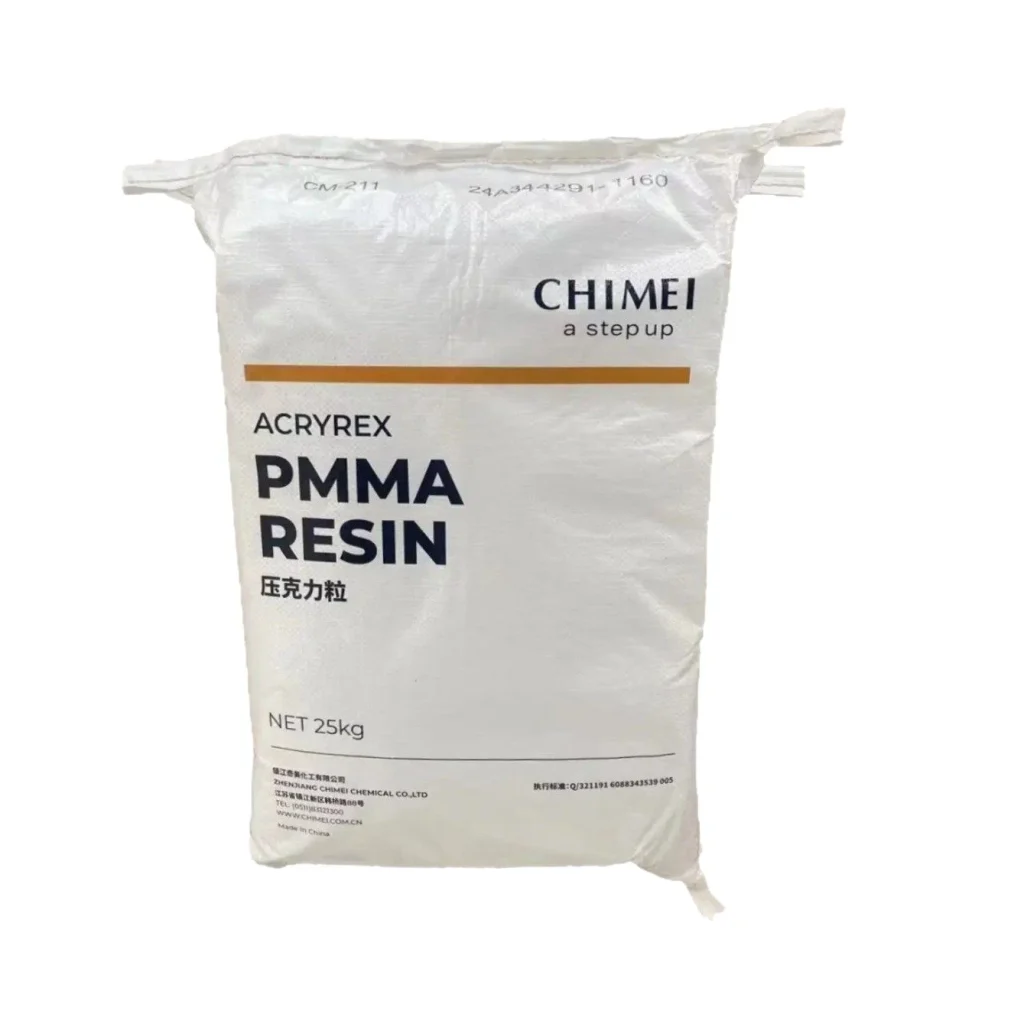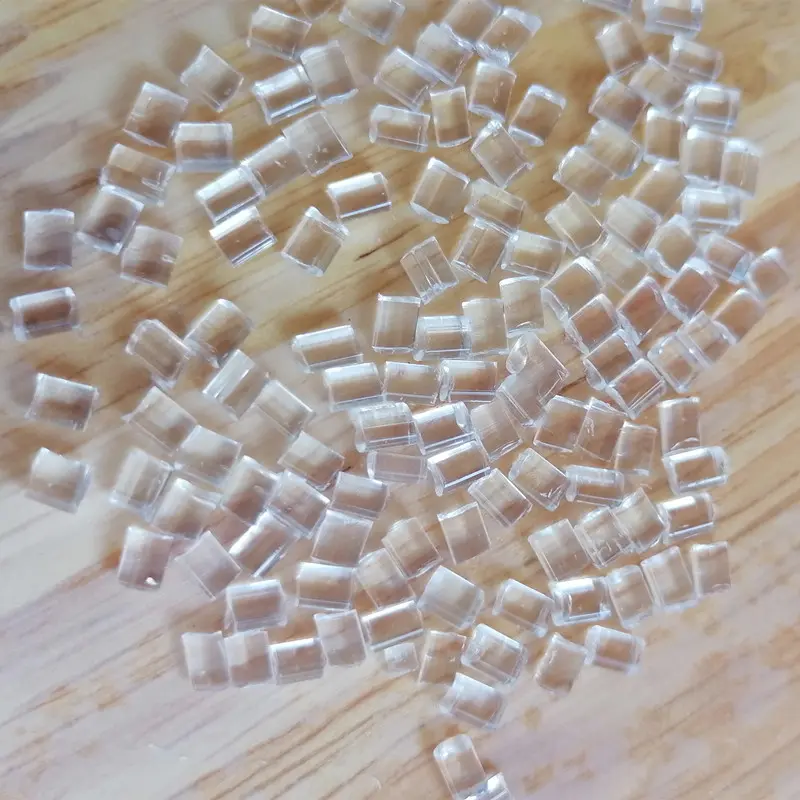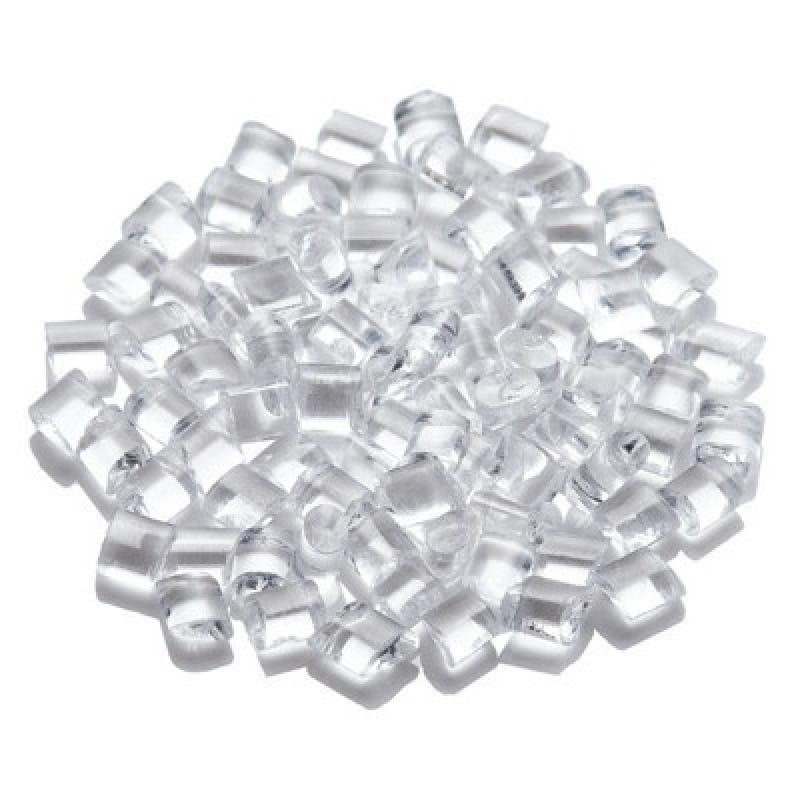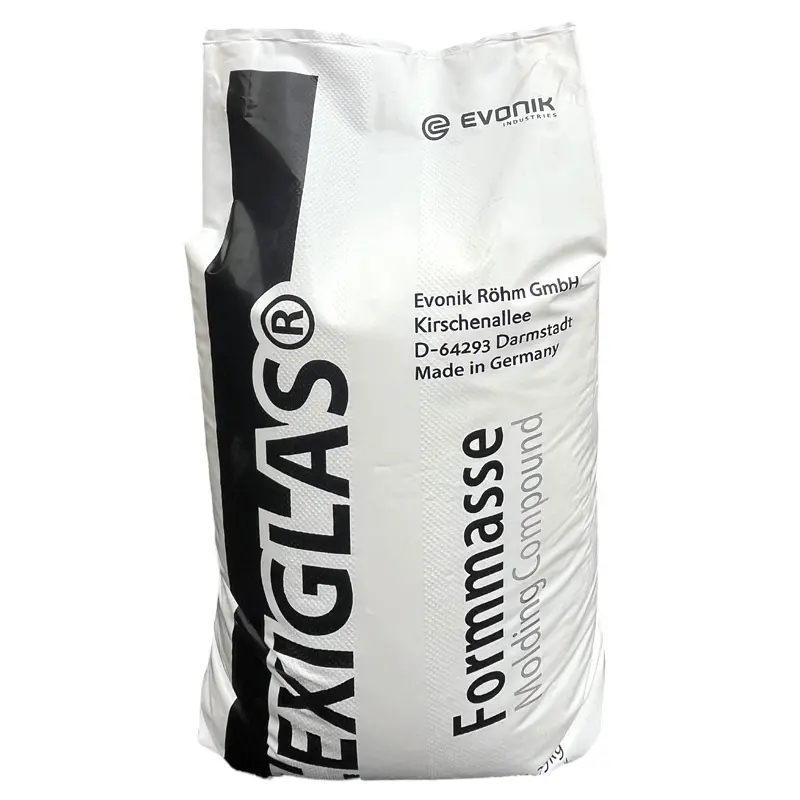
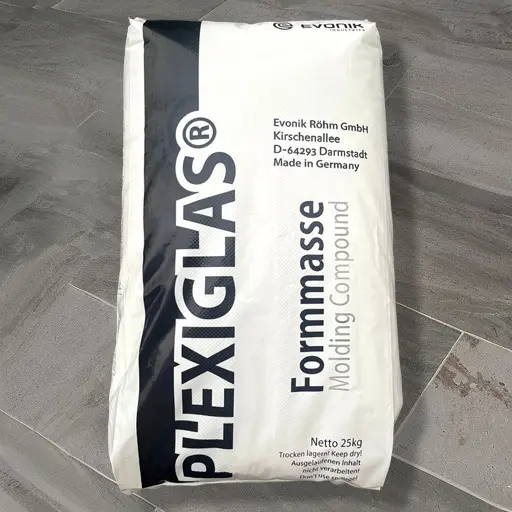
Röhm GmbH Plexiglas® 8N PMMA is a high-clarity, heat-resistant acrylic resin designed for automotive lighting, optics, and precision injection molding applications.
| Manufacturer | Röhm |
|---|---|
| Density | 1.19 g/cm³ |
| MFR | 3.57 g/10min |
| Tensile Strength at Break | 77 MPa |
| Elongation at Break | 5.5 % |
Note: See the product description for additional technical specifications
Manufacturer: Röhm GmbH
Category: PMMA (Polymethyl Methacrylate / Acrylic)
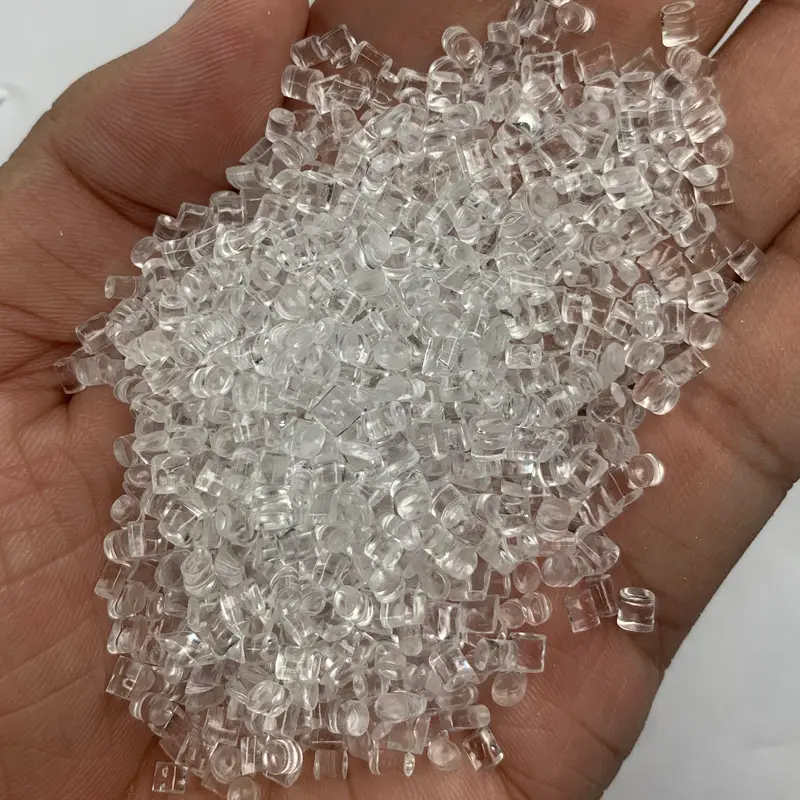
Appearance: Transparent Pellets
Röhm GmbH Plexiglas® 8N is a classic, high-quality general-purpose PMMA (polymethyl methacrylate) resin. As a benchmark product in the transparent engineering plastics industry, this grade is renowned for its exceptional optical clarity and outstanding weatherability. Featuring a melt flow index (230°C, 3.8 kg) of 3.57 g/10min, it offers balanced melt flowability. Plexiglas® 8N is widely utilized in precision injection molding applications demanding high transparency and long-term resistance to yellowing, making it an ideal choice for automotive lighting, high-end optical components, and consumer electronics housings.
| Property | Value / Unit | Test Standard |
| Density | 1.19 g/cm³ | ISO 1183 |
| Melt Mass-Flow Rate (MFR) (230°C / 3.8 kg) |
3.57 g/10min | ISO 1133 |
| Property | Value / Unit | Test Standard |
| Tensile Strength at Break | 77 MPa | ISO 527 |
| Tensile Strain at Break | 5.5 % | ISO 527 |
| Tensile Modulus | 3300 MPa | ISO 527 |
| Charpy Unnotched Impact Strength (23°C) | 20 kJ/m² | ISO 179 |
| Property | Value / Unit | Test Standard |
| Coefficient of Linear Thermal Expansion (CLTE), Flow (0 – 50°C) |
80.0 μm/m-°C | ASTM E831 |
| Heat Deflection Temperature (0.46 MPa) | 103 °C | ISO 75 |
| Heat Deflection Temperature (1.8 MPa) | 98 °C | ISO 75 |
| Vicat Softening Temperature (B50) | 108 °C | ISO 306 |
| Glass Transition Temperature (Tg) | 117 °C | ISO 11357-2 |
| Flammability Rating (1.6 mm) | HB | IEC 707 |
| Property | Value / Unit | Test Standard |
| Refractive Index | 1.49 | ISO 489 |
| Haze | ≤ 0.50 % | ASTM D1003 |
| Luminous Transmittance, Visible | 92 % | DIN 5036 |
The technical data sheet (TDS) of Plexiglas® 8N material from Röhm GmbH corporation, if there are differences, please refer to the official website of Röhm GmbH.
Exceptional Optical Clarity: Delivers high visible light transmittance of 92% and low haze of ≤0.50%, imparting superior visual clarity and a premium glass-like texture to finished parts.
Superior Weatherability & Yellowing Resistance: The PMMA matrix inherently possesses excellent UV resistance, ensuring color stability and light transmission under long-term outdoor exposure or thermal radiation from light sources.
High Surface Hardness & Scratch Resistance: Offers higher surface hardness compared to standard transparent plastics, making components resistant to scratches during assembly, transportation, and daily cleaning.
Stable Thermal Performance: Features a Vicat softening point of 108°C and a heat deflection temperature (1.8 MPa) of 98°C, meeting long-term usage requirements in elevated temperature environments inside automotive lighting and electronic appliances.
Excellent Injection Processability: Exhibits stable melt flow rates, compatible with standard injection molding equipment, making it easy to mold thin-walled and complex optical structures with high yield rates.
Automotive Lighting: LED taillight covers, signal lamp lenses, interior light guide trims, and rearview mirror base transparent parts (relying on its balanced heat resistance and high transmittance).
Optics & Displays: Precision light guide plates, light guides, instrument panels, indicator lenses, and illuminated signage lettering.
Consumer & Commercial Lighting: LED luminaire covers, linear lighting housings, ad light box diffuser panels, and semi-outdoor fixture outer lenses.
Appliances & Electronics: High-end washing machine window rings, air conditioner indicator windows, small appliance transparent panels, and consumer electronics decorative parts.
Industrial Transparent Parts: Non-structural protective shields, equipment inspection windows, and display prop structural elements.
Material Selection Tip: The baseline flammability rating of Plexiglas® 8N is UL 94 HB (1.6mm), making it unsuitable for flame-retardant parts requiring mandatory V-0 certification; unmodified PMMA exhibits notched brittleness and is not recommended for structural parts subject to drop impacts; food-contact or medical applications require verification of original manufacturer compliance statements and end-use migration testing.
Q1: Must Plexiglas® 8N be dried prior to injection molding? What are the recommended conditions?
A1: Drying is mandatory. PMMA is extremely sensitive to trace moisture; molding without proper drying easily leads to silver streaks, bubbles, surface haze, and discoloration. Desiccant dryer processing at 80–95°C for 2–4 hours (not exceeding 98°C) is recommended to reach a target moisture content below 0.05%. Use sealed hopper systems after drying to prevent re-absorption.
Q2: How should one choose between Plexiglas® 8N and PC (Polycarbonate) transparent resins?
A2: Plexiglas® 8N provides purer light transmission (free of bluish/greenish tints), superior UV weatherability and yellowing resistance compared to non-weatherable PC, along with cost advantages and ease of coloring. Choose 8N if the project demands “ultra-high clarity + outdoor yellowing resistance + automotive/optical components”; opt for weatherable PC or PC/ABS alloys if the part requires “high impact resistance + long-term high-temperature tolerance (>120°C) + V-0 flame retardancy”.
Q3: How can RoHS and UL compliance documentation for this material be verified?
A3: Commercial-grade Plexiglas® 8N is typically supplied with RoHS, REACH SVHC statements, TDS/MSDS, and batch-specific Certificates of Analysis (COA). Its UL 94 HB flammability rating must be cross-verified against the original UL Yellow Card listing for grade name, color, and thickness (1.6mm), rather than relying solely on the grade name. Automotive lighting projects should request corresponding material approval listings.
Q4: What are the lead times and packaging options for procurement and delivery?
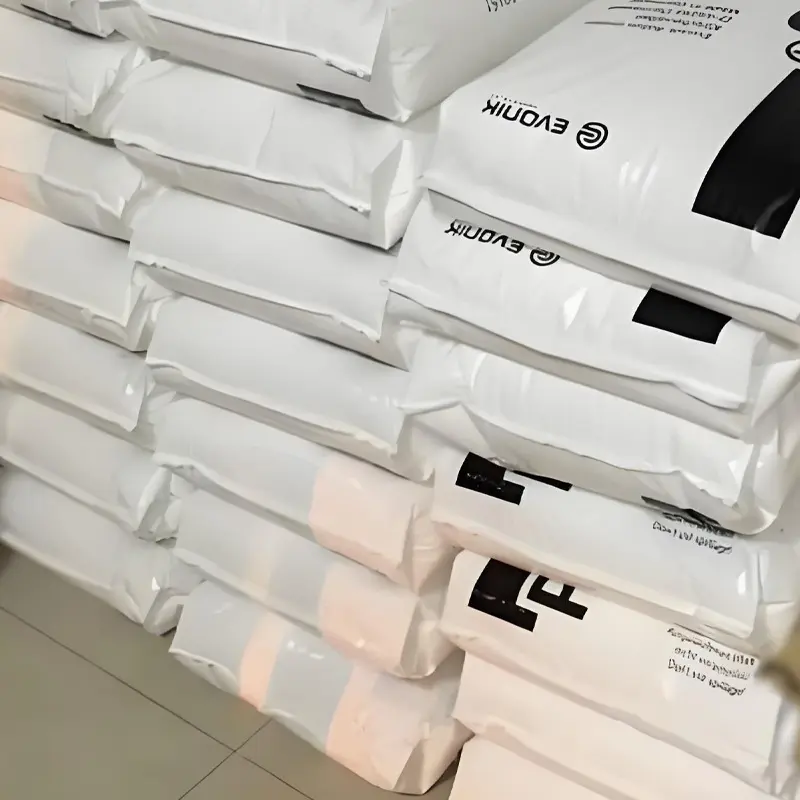
A4: Standard packaging consists of 25kg moisture-proof composite bags (with 500kg bulk bags available in select regions). Classified as non-hazardous cargo (Non-DG), it supports Full Container Load (FCL) or Less than Container Load (LCL) sea freight. Standard trade terms include FOB / CIF / CFR, with payment terms accepted via T/T or sight L/C. Sampling for drying and injection molding trial runs is recommended to lock in process parameters before scaling up to mass production.
Submit your inquiry today and receive a professional competitive price tailored to your project requirements.