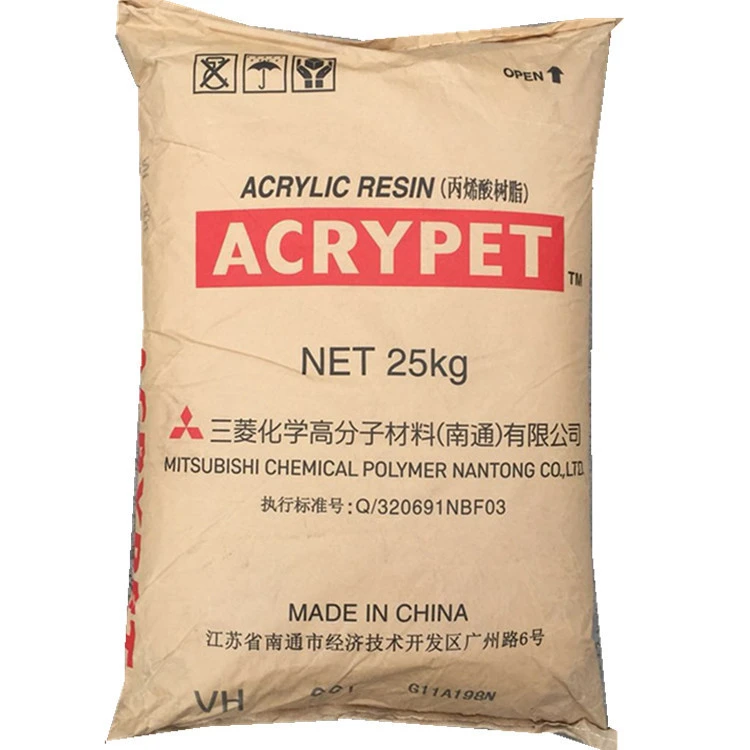
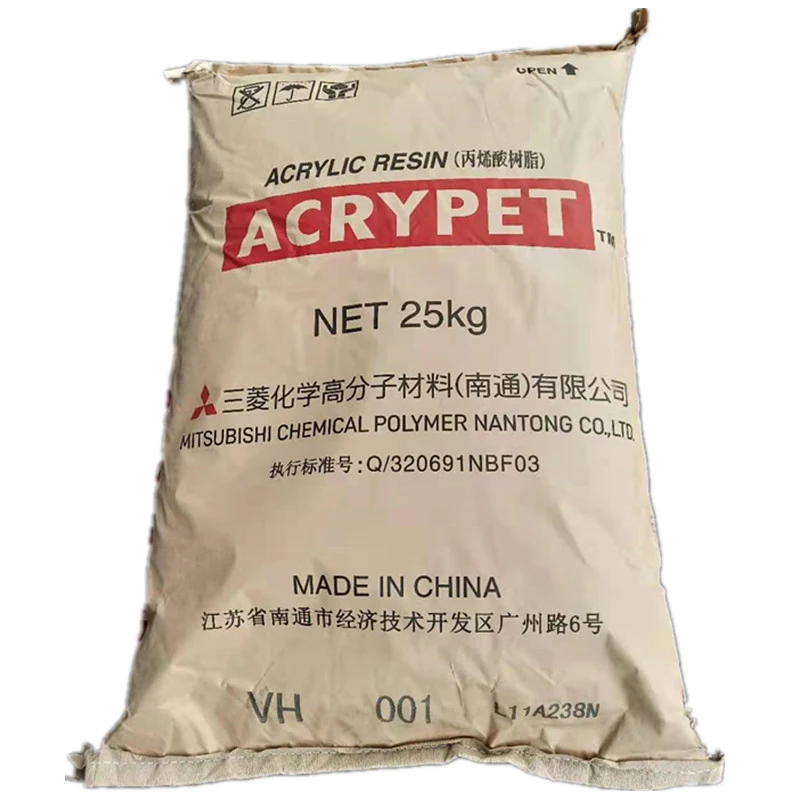
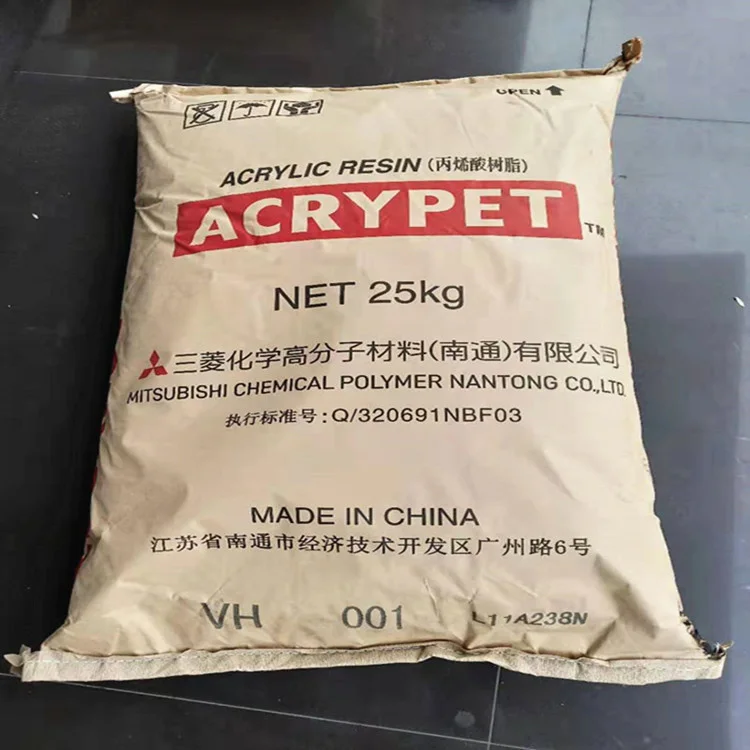
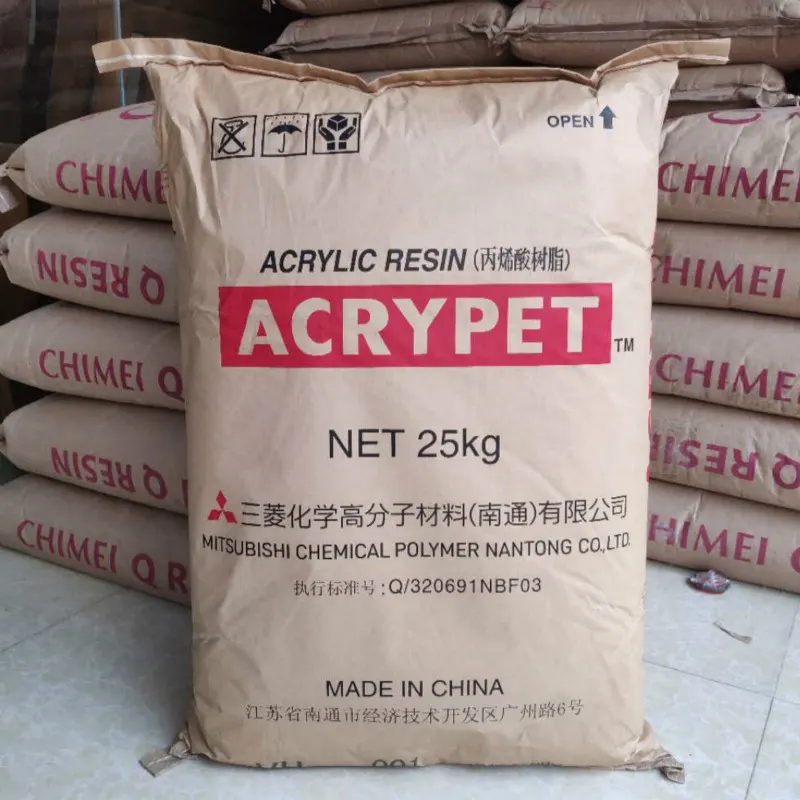
Get the technical data sheet (TDS) & specifications of virgin Mitsubishi Chemical VH001 PMMA resin. Discover its 93% light transmittance, high hardness, thermal resistance, and premium applications in automotive, optics, and luxury packaging.
| Manufacturer | Mitsubishi Chemical |
|---|---|
| Density | 1.19 g/cm³ |
| MFR | 2.5 g/10 min |
| Flexural Modulus | 3040 MPa |
| Izod Notched Impact | 15.68 J/m |
Note: See the product description for additional technical specifications
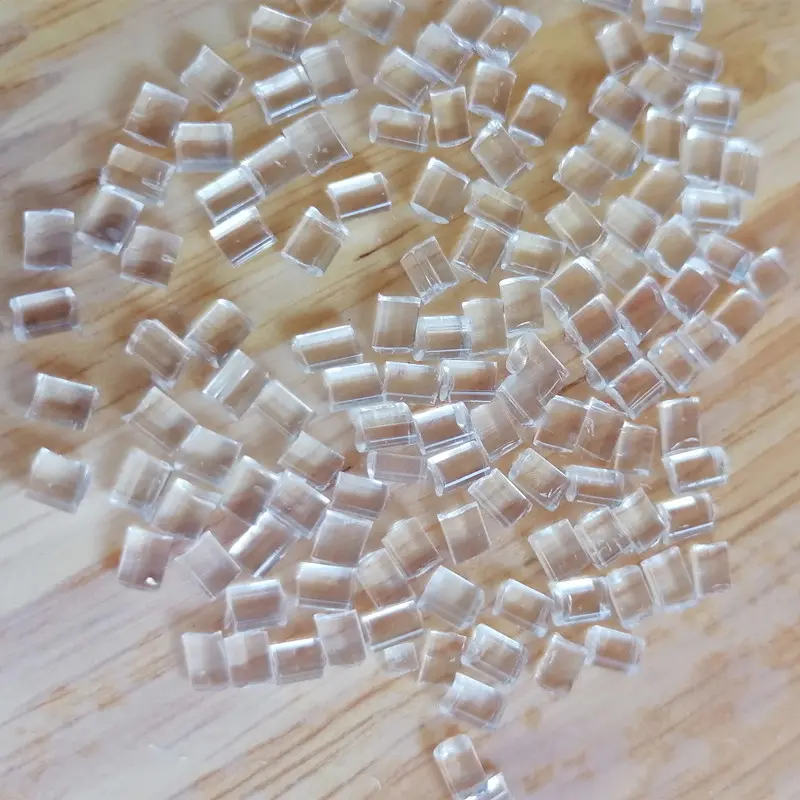
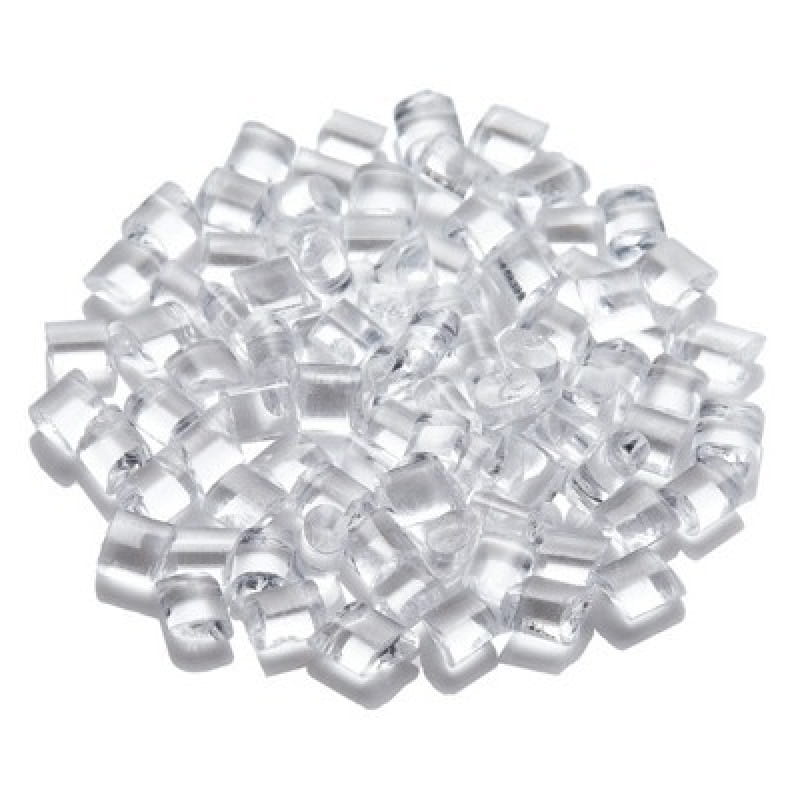
Mitsubishi Chemical VH001 PMMA (Polymethyl Methacrylate) is a premium optical-grade specialty engineering plastic developed and manufactured by the global polymer material giant, Mitsubishi Chemical. Physically, this resin appears as high-purity transparent granules (Granules/Pellets), possessing exceptional crystal clarity and outstanding surface gloss.
As a benchmark product in the acrylic resin industry, Mitsubishi Chemical VH001 PMMA enjoys a prestigious reputation in the global B2B manufacturing sector. With its excellent light transmittance, outstanding weatherability, and stable processing flowability, it has become the preferred specialty compounding and injection molding raw material for high-end optical displays, automotive exteriors, precision electronics, and luxury consumer packaging industries.
The following data strictly corresponds to the original manufacturer’s technical properties, providing a digital selection reference for your engineering needs:
| Physical Properties | Test Value | Test Unit | Test Standard |
| Density | 1.19 | g/cm3 | ASTM D722 |
| Water Absorption(24 hr) | 0.3 | % | ASTM D570 |
| Mold Shrinkage | 0.2-0.6 | % | ASTM D955 |
| Melt Mass-Flow Rate (MFR)(3.8 kg, 230 °C) | 2.5 | g/10 min | ASTM D1238 |
| Rockwell Hardness | 100 | — | ASTM D785 |
| Mechanical Properties | Test Value | Test Unit | Test Standard |
| Tensile Strength | 72.5 | MPa | ASTM D638 |
| Tensile Strain | 5 | % | ASTM D638 |
| Flexural Strength | 108 | MPa | ASTM D790 |
| Flexural Modulus | 3040 | MPa | ASTM D790 |
| Compressive Strength | 108 | MPa | ASTM D695 |
| Izod Notched Impact Strength | 15.68 | J/m | ASTM D2556 |
| Thermal Properties | Test Value | Test Unit | Test Standard |
| Specific Heat | 0.35 | Cal/(g*°C) | Internal Method |
| Linear Thermal Expansion Coefficient (CTE), Parallel | 6.00E-05 | cm/cm/°C | ASTM D696 |
| Deflection Temperature Under Load (DTUL)(1.8 MPa) | 102 | °C | ASTM D648 |
| Thermal Conductivity | 5.00E-04 | cal/s/cm/°C | ASTM D177 |
| Vicat Softening Point)1 kg) | 116 | °C | ASTM D1525 |
| Electrical Properties | Test Value | Test Unit | Test Standard |
| Volume Resistivity | > 1.0E+15 | Ohms*cm | JIS K6911 |
| Surface Resistivity | > 1.0E+16 | ohms | JIS K6911 |
| Dielectric Constant(60 Hz) | 3.7 | — | JIS K6911 |
| Dielectric Strength | 20 | kV/mm | JIS K6911 |
| Dielectric Dissipation Factor(60 Hz) | 0.05 | — | JIS K6911 |
| Optical Properties | Test Value | Test Unit | Test Standard |
| Light Transmittance | 93 | % | ASTM D1003 |
| Refractive Index | 1.49 | — | ASTM D542 |
The technical data sheet (TDS) of Mitsubishi Chemical VH001 PMMA material from Mitsubishi Chemical corporation, if there are differences, please refer to the official website of Mitsubishi Chemical.
Exceptional Optical Transparency: This grade features a high light transmittance of up to 93% and a refractive index of 1.49, closely approaching the optical limits of plastic materials, delivering pristine clarity and ultra-low haze comparable to inorganic glass.
Outstanding Rigidness & Hardness: With a Rockwell hardness of 100 and a flexural modulus of 3040 MPa, it provides finished parts with excellent scratch resistance, wear resistance, and long-term dimensional stability.
Superior Thermal Resistance: Its Vicat softening point reaches 116°C, and the heat deflection temperature is 102°C (under 1.8 MPa). It demonstrates remarkably high heat rigidity among standard PMMA materials, withstanding internal heat accumulation within automotive lamps and electronic devices.
Optimized Processing Flowability: A melt index of 2.5 g/10 min ensures uniform melt filling in complex, long-flow, or thin-walled molds, effectively minimizing stress birefringence and gas mark defects during the molding process.
The high-value physical characteristics of Mitsubishi Chemical VH001 PMMA allow it to excel across various demanding industrial fields:
Automotive & Transportation: Due to its inherent, superior resistance to UV aging and high surface hardness, it is widely utilized in manufacturing automotive taillight covers, instrument cluster lenses, center console display panels, and pillar pillars.
Optics & Consumer Electronics: As an ideal optical-grade medium, it is commonly used to produce light guide plates (LGPs) for liquid crystal displays (LCDs), backlight modules, high-end smartphone camera lenses, LED lighting lenses, and optical windows.
Premium Appliances & Instrumentation: Used for precision laboratory equipment observation windows, micro-pipettes, and transparent control panels or windows for luxury household appliances (such as coffee makers and microwave ovens).
Luxury Packaging: Leveraging its excellent chemical inertness and glass-like visual texture, it is broadly applied in export-grade premium cosmetic bottle caps, thick-walled containers, and perfume outer shells.
Q: What are the recommended drying conditions for Mitsubishi Chemical VH001 PMMA prior to injection molding?
A: PMMA is somewhat hygroscopic (this product has a water absorption rate of 0.3%), and moisture can directly cause silver streaks or bubbles on the surface of finished parts. It is highly recommended to pre-dry the material using a hot-air circulating oven or a dehumidifying dryer before injection molding. The recommended drying conditions are: temperature of 80°C – 85°C for 4 – 6 hours. The hopper should remain sealed during processing to prevent the material from re-absorbing moisture.
Q: What unique advantages does VH001 PMMA offer compared to standard Polycarbonate (PC) materials?
A: Compared to PC materials, VH001 PMMA exhibits a higher light transmittance (93% versus approximately 89% for PC). Furthermore, its scratch resistance (surface hardness) and UV yellowing resistance are significantly superior to standard PC. Additionally, PMMA maintains much lower birefringence (low residual internal stress) after molding, making it ideal for high-precision optical lenses and display panels, though its impact strength is lower than that of PC.
Q: Does this material grade comply with EU RoHS and related international environmental compliance standards?
A: Yes. Virgin, prime VH001 PMMA resin manufactured by Mitsubishi Chemical is strictly prohibited from containing hazardous heavy metals such as lead, mercury, cadmium, and hexavalent chromium, as well as flame retardants like Polybrominated Biphenyls (PBB) and Polybrominated Diphenyl Ethers (PBDE) during production, fully complying with the EU RoHS Directive and REACH Regulations. For specific environmental compliance certificates (such as UL Yellow Cards or Halogen-Free reports), please contact your supplier to request the original manufacturer’s technical compliance documentation.
Submit your inquiry today and receive a professional competitive price tailored to your project requirements.