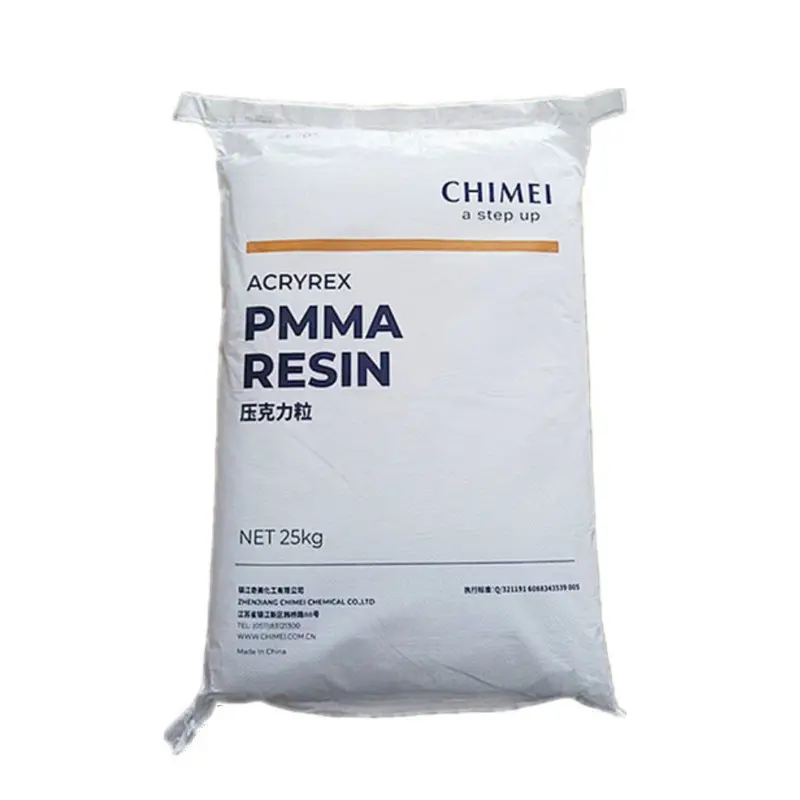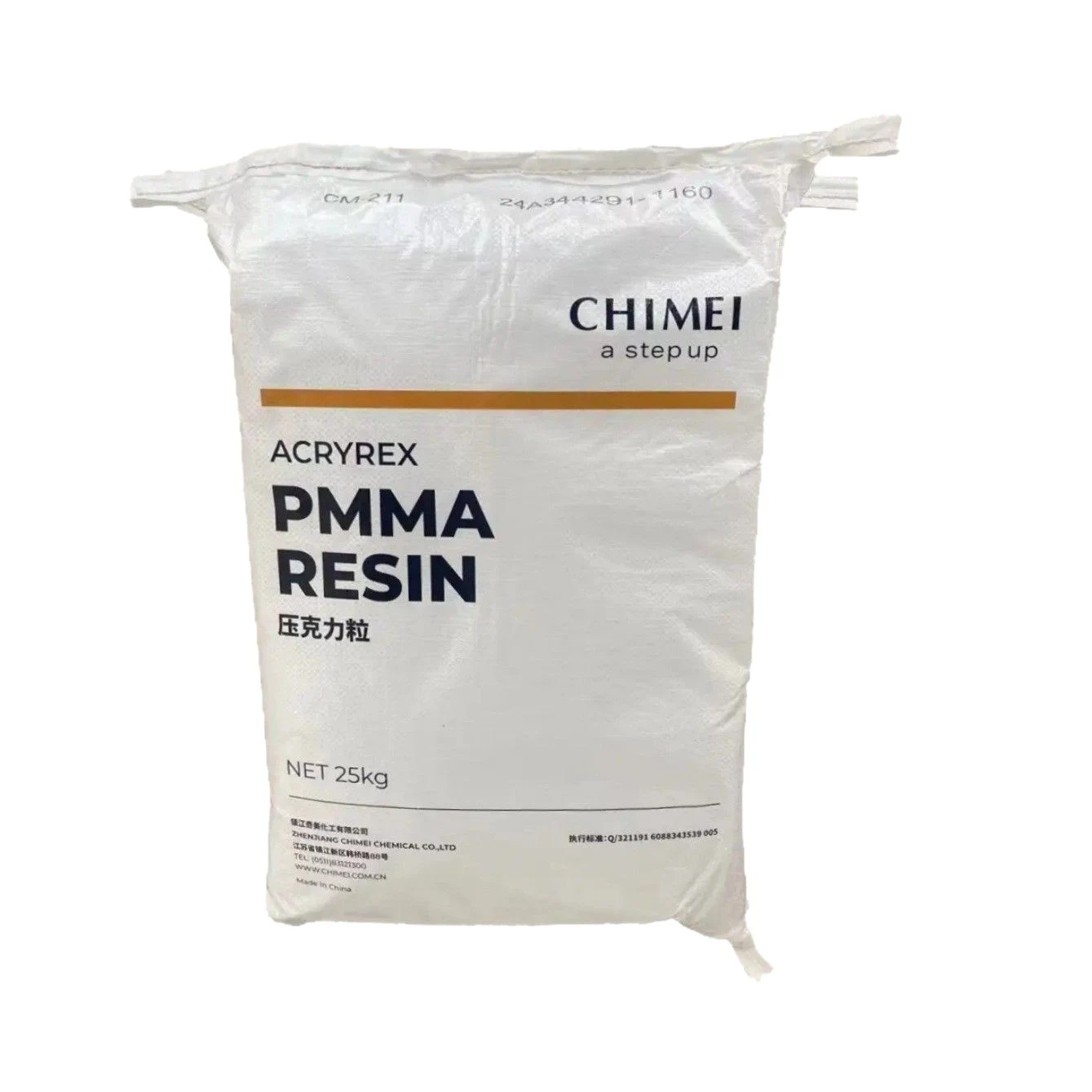
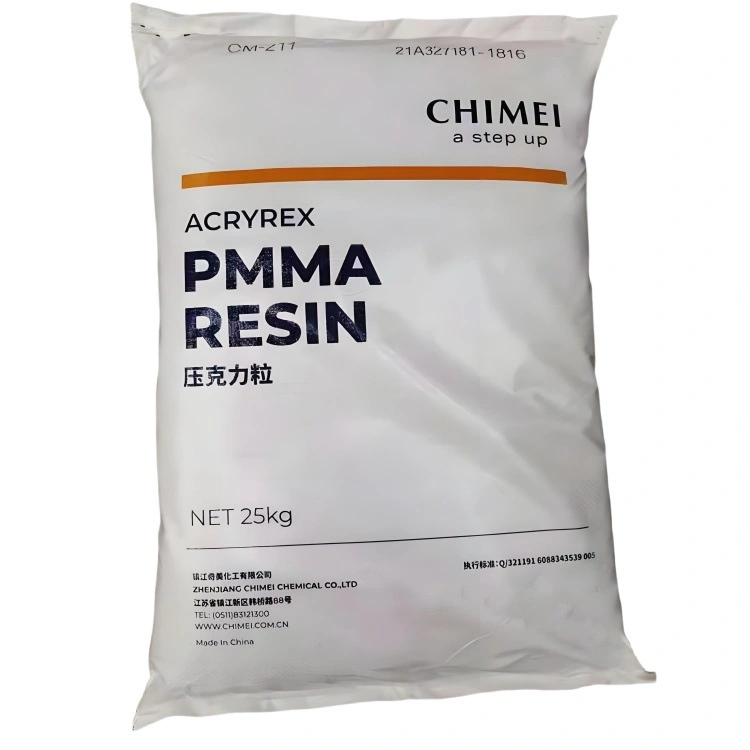
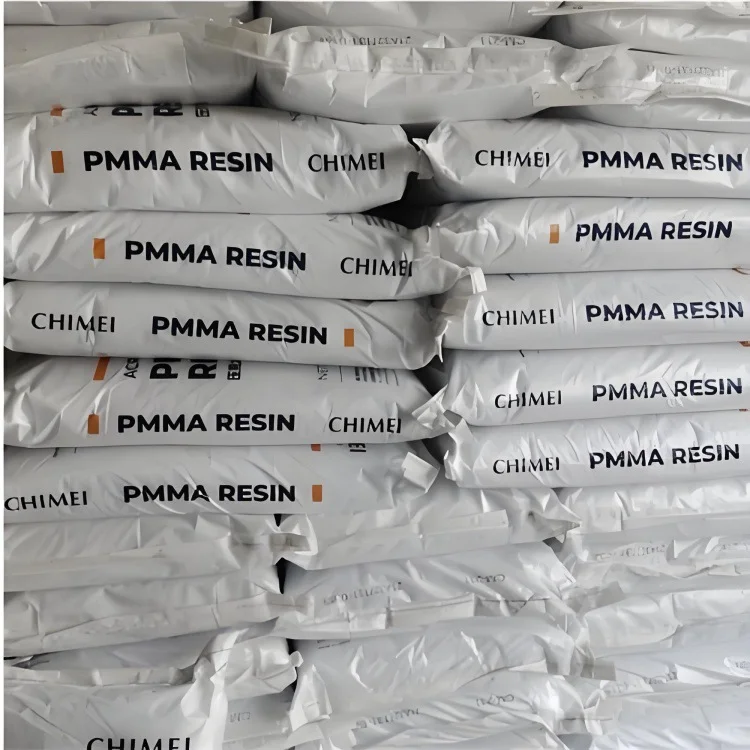
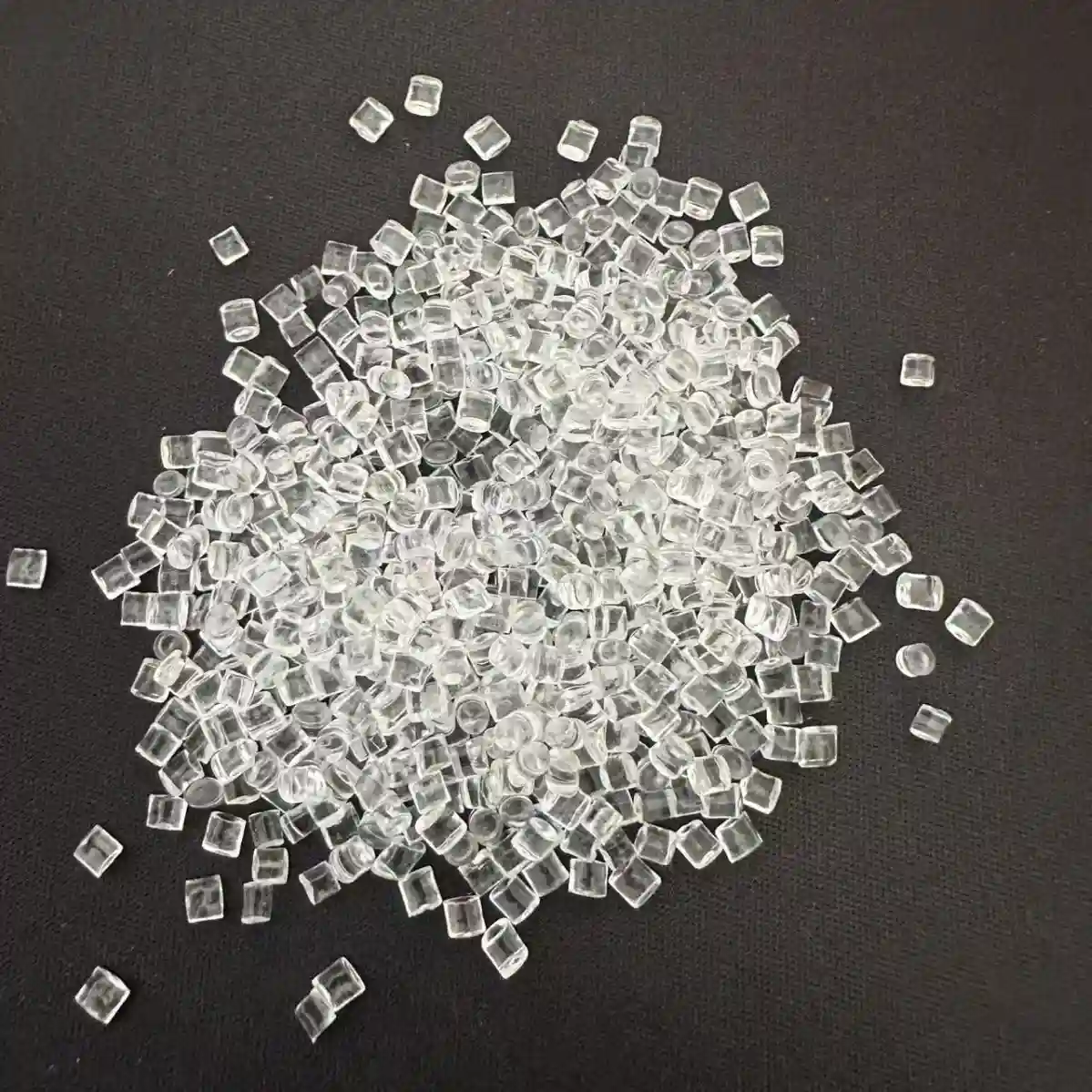
CHIMEI ACRYREX® CM-211 PMMA is a high-flow injection molding grade acrylic resin with 17 cm³/10 min MVR, 92% optical clarity, and M-84 hardness. Formulated for thin-walled electronics, household appliances, automotive lenses, and complex decorative parts.
| Manufacturer | Chimei |
|---|---|
| Density | 1.19 g/cm³ |
| MVR | 17 cm³/10 min |
| Tensile Strain at Break | 7 % |
| Flexural Modulus | 3200 MPa |
Note: See the product description for additional technical specifications
Manufacturer: ChiMei Corporation. With its production base located at Zhenjiang ChiMei, it stands as a world-leading supplier of plastic and rubber materials.
Material Classification: Polymethyl Methacrylate (PMMA), commonly known as Acrylic or Plexiglass.
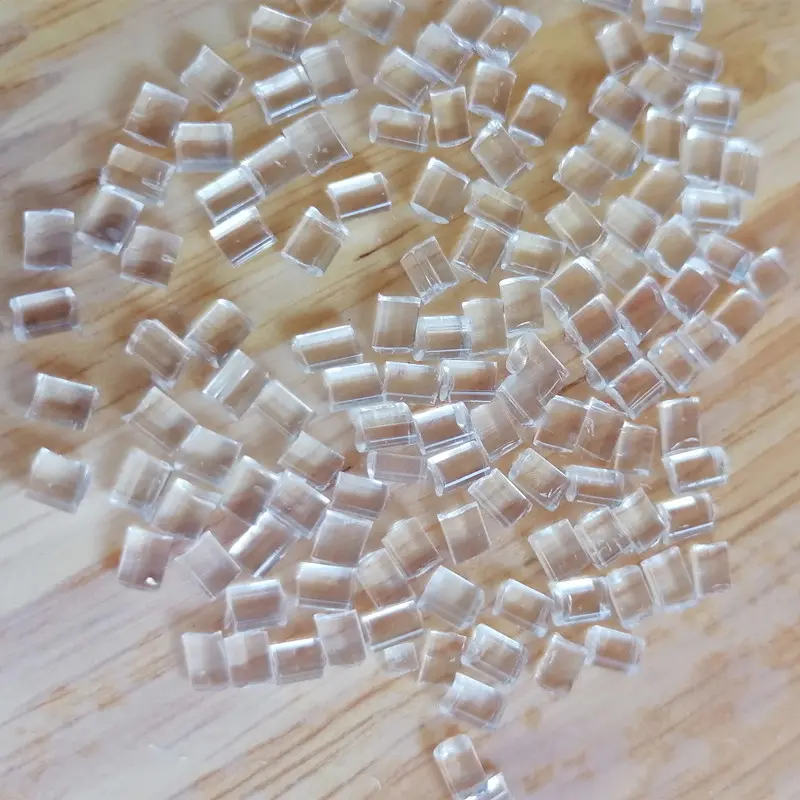
Physical Appearance: Transparent grade pellets, appearing colorless and transparent with extremely high gloss.
Industry Status & Product Positioning: CHIMEI ACRYREX® CM-211 is a highly representative high-flow, injection molding grade PMMA material within ChiMei’s acrylic product portfolio. Drawing upon thirty years of profound experience in manufacturing acrylic sheets, ChiMei Corporation integrated advanced continuous process technology from the United States to successfully develop the ACRYREX® series molding compounds using Methyl Methacrylate (MMA) as the primary raw material. This series delivers excellent weatherability, heat resistance, ultra-high transparency, and gloss. Within the product lineup, CM-211 is positioned specifically as a “high-flow, easy-molding” solution, engineered for the injection molding of complex geometries and thin-walled products.
Core Application Fields: Leveraging its outstanding flowability, superior optical clarity, and stable physical and chemical properties, CM-211 is widely utilized in the following areas:
Electronic Boards / Nameplates
Audio Panels
Household Appliances
Intricate, hard-to-mold decorative items and thin-walled parts
| Physical Properties | Test Value | Unit | Test Standard |
| Density (23 °C) | 1.19 | g/cm³ | ISO 1183 |
| Melt Volume-Flow Rate(230 °C, 3.8 kg) | 17 | cm³/10 min | ISO 1133 |
| Rockwell Hardness (M-Scale) | 84 | — | ASTM D785 |
| Mechanical Properties | Test Value | Unit | Test Standard |
| Tensile Stress (50 mm/min) | 60 | MPa | ISO 527 |
| Tensile Strain at Break (50 mm/min) | 7 | % | ISO 527 |
| Flexural Modulus (2 mm/min) | 3200 | MPa | ISO 178 |
| Flexural Strength (2 mm/min) | 90 | MPa | ISO 178 |
| Charpy Notched Impact Strength (-30 °C) | 1.6 | kJ/m² | ISO 179 |
| Thermal Properties | Test Value | Unit | Test Standard |
| Vicat Softening Temperature (50 °C/hr) | 103 | °C | ISO 306 |
| Heat Deflection Temperature (HDT), Unannealed | 76 | °C | ISO 75-2 |
| Flammability Rating (1.5 mm) | HB | — | UL 94 |
The technical data sheet (TDS) of ACRYREX® CM-211 material from ChiMei Corporation. If there are differences, please refer to the official website of ChiMei Corporation.
CHIMEI ACRYREX® CM-211 stands out among numerous PMMA materials due to the following core advantages:
Exceptional High Flowability: Belonging to a low-viscosity PMMA grade, CM-211 features a high melt flow rate of 17 cm³/10 min, offering superb flow characteristics. This allows it to effortlessly fill complex, thin-walled, or multi-cavity molds, significantly reducing injection molding difficulty while maximizing production efficiency.
Ultimate Optical Clarity: As the definitive trait of premium acrylic, CM-211 boasts a light transmittance of up to 92% and a refractive index of 1.491. It provides end products with a crystal-clear visual performance which, combined with its high surface gloss, markedly elevates product aesthetics.
Excellent Heat Resistance & Dimensional Stability: The material features a high Vicat softening temperature of 103 °C and a heat deflection temperature (HDT) of 76 °C. Coupled with a low mold shrinkage rate (0.2% – 0.6%), CM-211 maintains its precise shape and dimensions under thermal stress or long-term load without warping or cracking.
High Surface Hardness & Scratch Resistance: Reaching a Rockwell hardness of M-84, CM-211 delivers excellent surface scratch resistance. This ensures the exterior remains pristine and free from blemishes over extended use, making it ideal for display panels and high-gloss components that demand long-lasting aesthetics.
Easy Processability & Compliance: Specifically optimized for injection molding, CM-211 provides a wide processing window and short cycle times. Furthermore, the product complies with PFOA, PFOS, and RoHS directives, holds a UL 94 HB flammability rating, and exhibits exceptional consistency across its physical, chemical, optical, and electrical properties.
With its unique combination of high flowability and optical transparency, CHIMEI PMMA CM-211 is the ideal material choice for multiple industries:
Electronic Nameplates & Display Panels: Used to manufacture nameplates for various electronic products, e-reader panels, TV bezels, and standard audio panels. Its high transparency ensures crystal-clear display output, while its high hardness protects the surface from daily wear and tear.
Appliance Exterior Components: Widely applied in household appliances (such as washing machine control panels, refrigerator storage bins, and transparent water tanks for coffee makers). Its superior chemical and UV resistance prevents yellowing over long-term use.
Instrument Cluster Covers & Signal Lenses: In the automotive industry, CM-211 is perfectly suited for transparent instrument panel covers and motorcycle/automotive indicator light housings (often paired with heat-resistant grades like CM-205). Compared to traditional glass, PMMA offers significant weight reduction and superior impact resistance, contributing to vehicle lightweighting and safety.
Intricately Shaped Decorations: The high-flow behavior makes CM-211 the premier choice for complex structural decorative parts that are otherwise difficult to process via conventional injection molding. Examples include premium cosmetics caps, transparent knobs, illuminated signage, and jewelry display cases.
Optical Lenses & Light Guide Plates: In the LED lighting sector, CM-211 is used for optical lenses, light guides, or diffusers, where its high light transmittance maximizes luminous flux utilization.
Q1: What is the main difference between CHIMEI PMMA CM-211 and regular general-purpose acrylics (such as CM-207)?
A: The definitive advantage of CM-211 lies in its superior flowability. CM-211 is a high-flow injection molding grade with a melt volume-flow rate (MVR) of approximately 17 cm³/10 min, offering exceptional flow performance, whereas CM-207 is typically a standard-flow or general-purpose grade. If your product mold involves intricate geometries, micro-textures, thin-walled structures, or long flow paths, choosing CM-211 significantly lowers injection pressure, eliminates short shots, and substantially improves yield rates.
Q2: What are the recommended drying and molding process parameters for processing CHIMEI PMMA CM-211?
A: To ensure optimal optical clarity and mechanical properties in the final part, the following processing guidelines should be strictly maintained:
Pre-Drying: Because PMMA is hygroscopic, it must be dried before processing. It is recommended to use a hot-air circulating dryer set at 70 – 75 °C for at least 4 hours to reduce moisture content below 0.05%, preventing silver streaks or bubbles.
Barrel Temperature: The recommended barrel temperature range is 180 °C – 215 °C. The nozzle temperature should not exceed 220 °C to prevent material degradation and discoloration.
Mold Temperature: Suggested mold temperatures range between 30 °C – 72 °C depending on part thickness. Higher mold temperatures (50 – 72 °C) help achieve superior surface gloss and minimize residual internal stress.
Q3: What environmental and compliance certifications does CHIMEI PMMA CM-211 currently hold?
A: CHIMEI ACRYREX® CM-211 complies with stringent international environmental regulations. It has successfully passed RoHS testing, verifying that it is free from hazardous substances such as lead, mercury, and cadmium. Additionally, it meets the threshold limits for PFOA and PFOS and carries a UL Yellow Card certification (including a UL 94 HB flammability rating), ensuring global market acceptance and seamless export compliance.
Submit your inquiry today and receive a professional competitive price tailored to your project requirements.