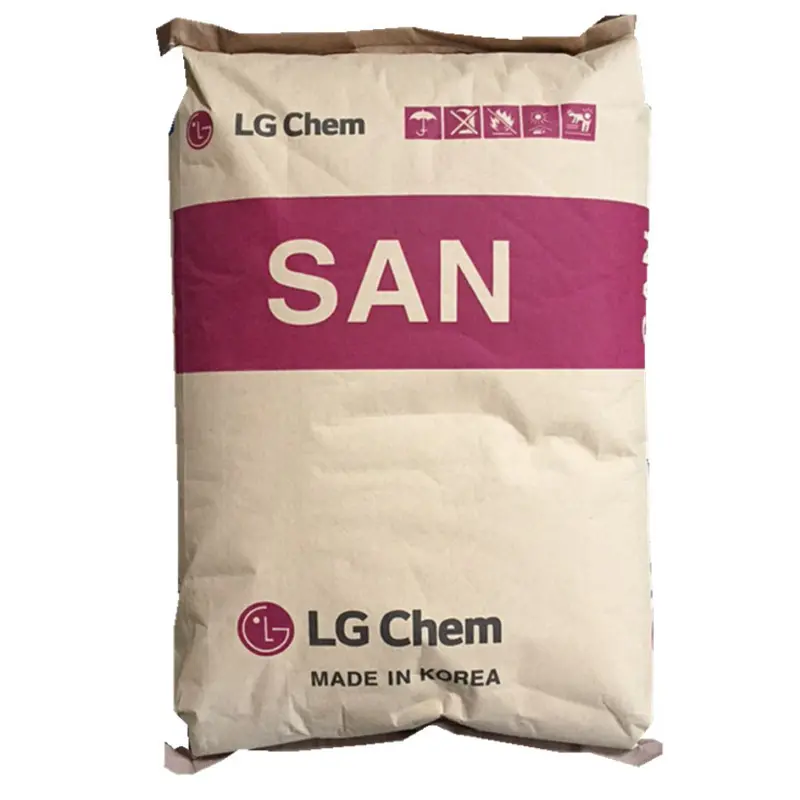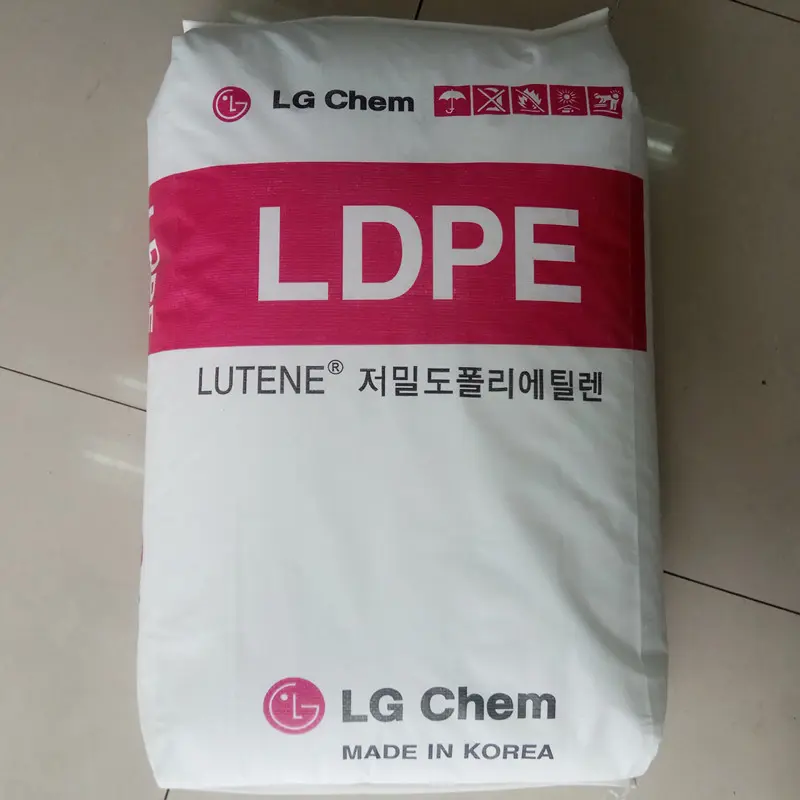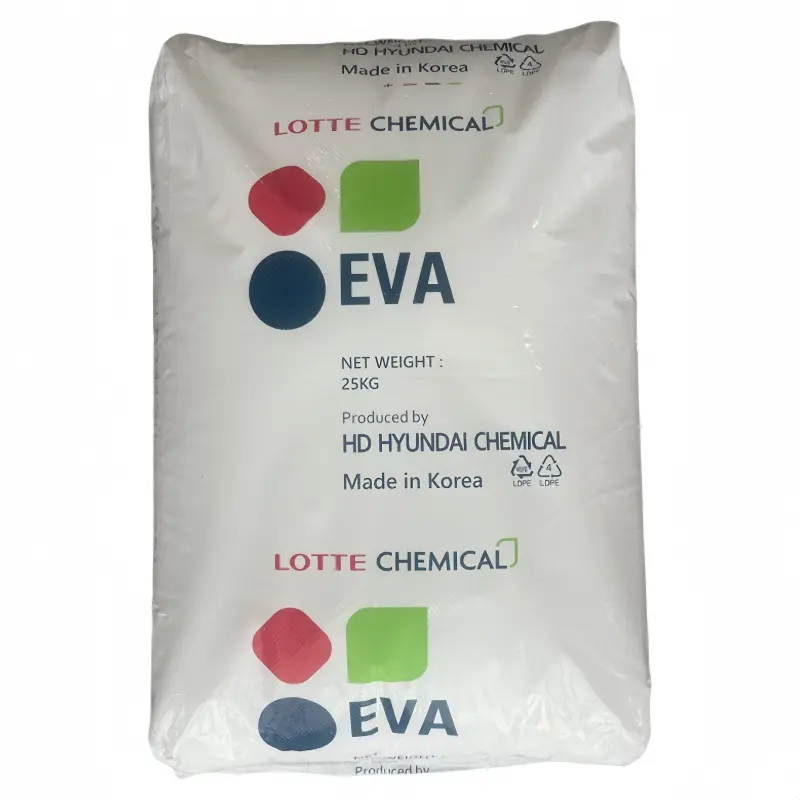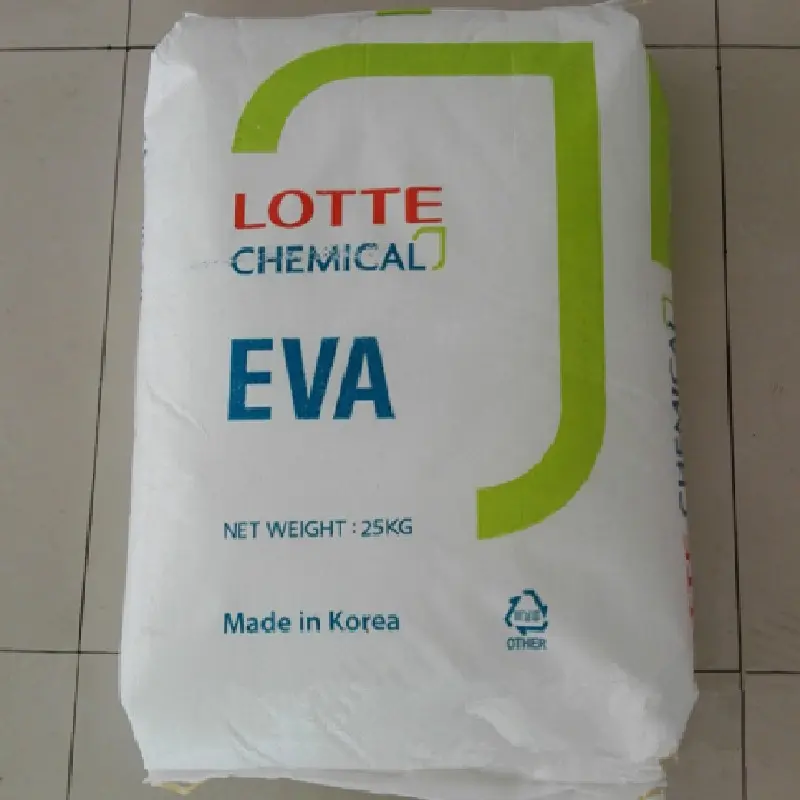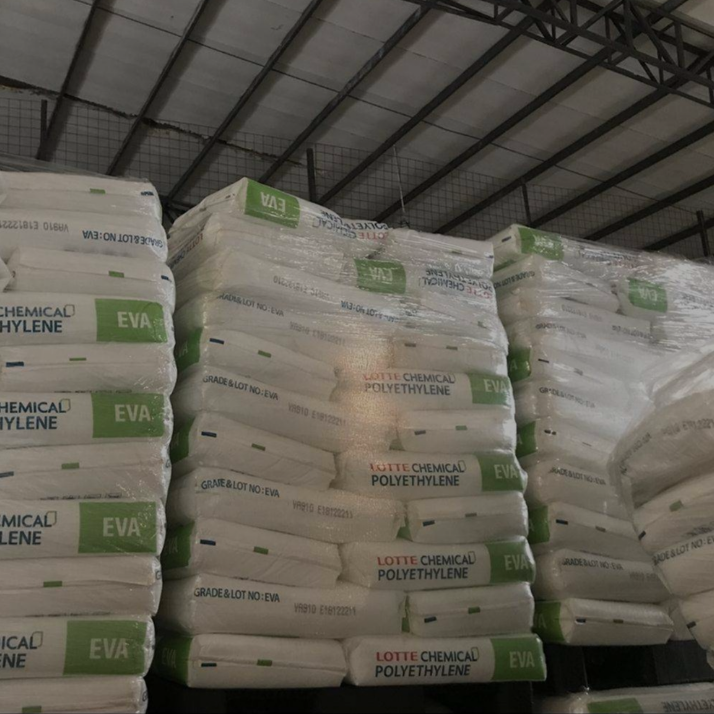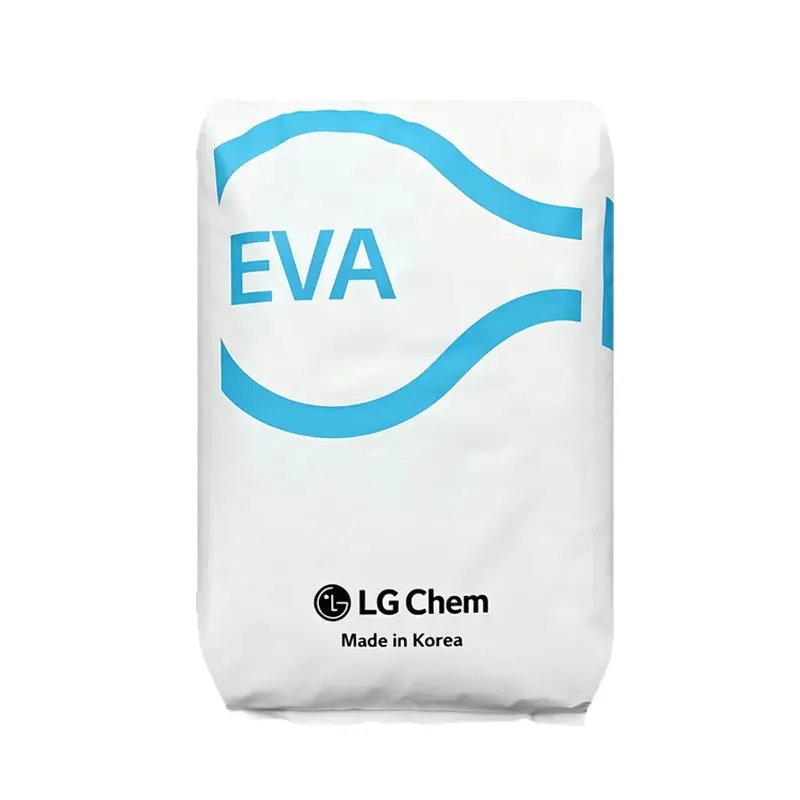
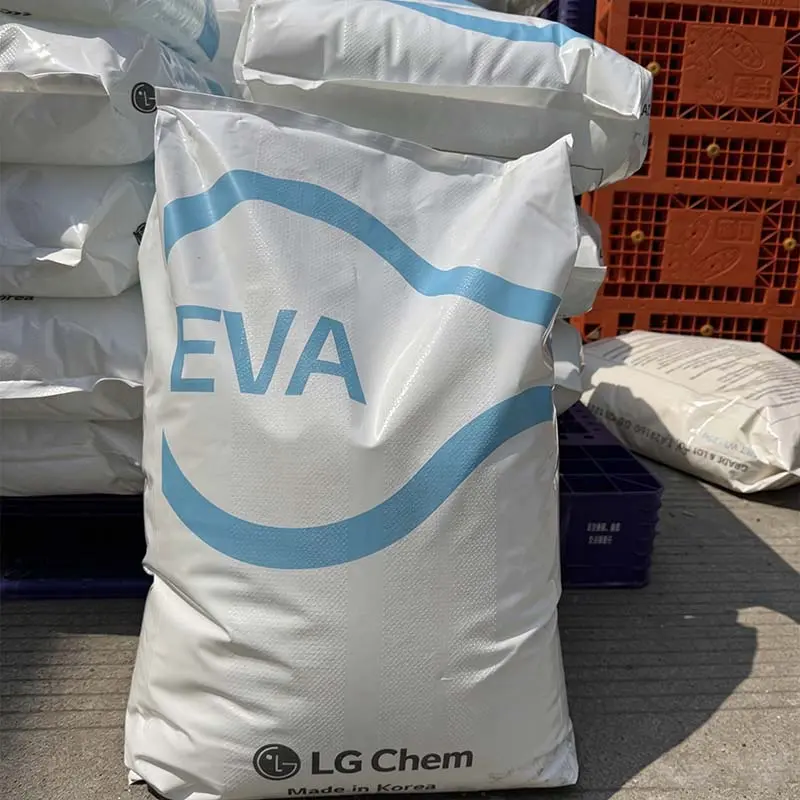
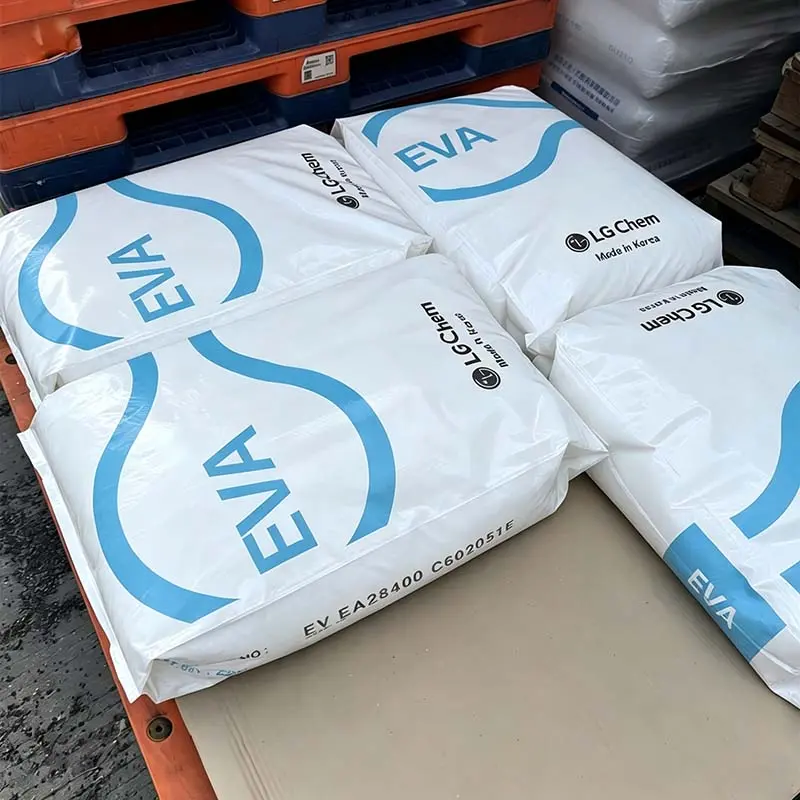
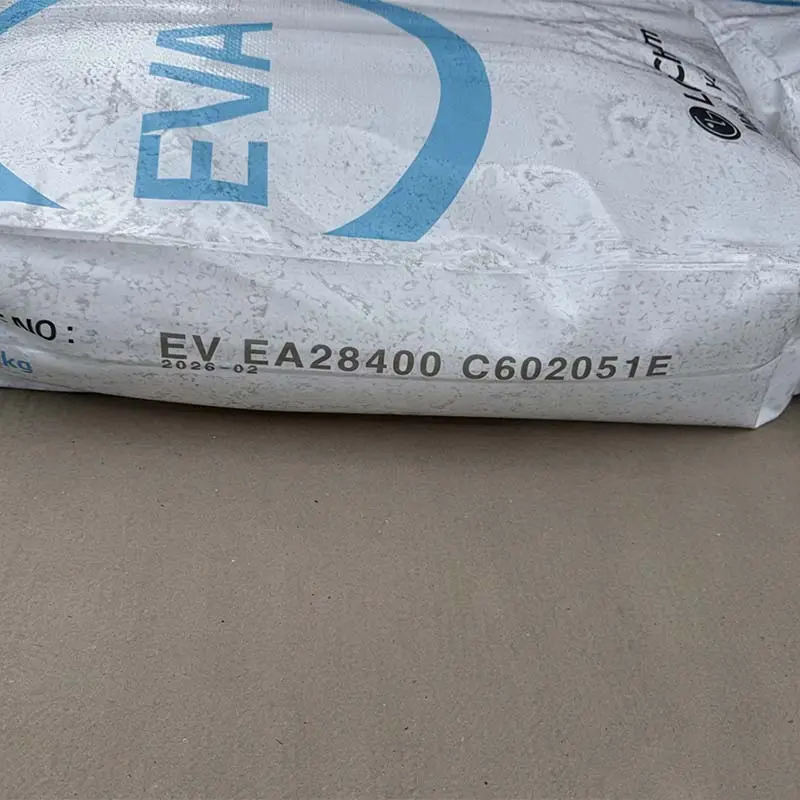
LG Chem EVA EA28400 is an ultra-high melt flow rate ethylene-vinyl acetate copolymer featuring a 28% vinyl acetate content, designed as a flexible base resin for hot-melt adhesives, coatings, and specialized compound formulations.
| Manufacturer | LG Chem |
|---|---|
| Density | 0.945 g/cm³ |
| MFR | 400 g/10min |
| Tensile Strength at Break | 2.00 MPa |
| Elongation at Break | 900 % |
Note: See the product description for additional technical specifications
This product is manufactured by LG Chem and belongs to the ethylene-vinyl acetate copolymer (EVA) hot-melt grade raw material. The product appears as uniform natural-colored pellets with no impurities, agglomeration, or clumping. EA28400 has a vinyl acetate content of 28 wt% and a melt flow rate of 400 g/10min, featuring an ultra-high melt flow rate, making it a mainstream EVA base resin widely used in hot-melt adhesive systems. The material possesses excellent flexibility and substrate wetting and bonding capabilities, adapting to hot-melt extrusion and hot-melt compounding processing technologies, and is widely applied in fields such as hot-melt adhesives, coatings, and modified composite systems.
| Physical Properties | Test Value | Test Unit | Test Standard |
| Density | 0.945 | g/cm³ | ASTM D1505 |
| Melt Flow Rate (190 ℃, 2.16 kg) | 400 | g/10min | Internal Method |
| Vinyl Acetate Content | 28 | wt% | Internal Method |
| Durometer Hardness (Shore A, Compression Molded) | 68 | — | ASTM D2240 |
| Mechanical Properties | Test Value | Test Unit | Test Standard |
| Tensile Strength at Break, Compression Molded (50 mm/min) | 2 | MPa | ASTM D638 |
| Tensile Strain at Break, Compression Molded (50 mm/min) | 900 | % | ASTM D638 |
The technical data sheet (TDS) of LG Chem EVA EA28400 material from LG Chem corporation, if there are differences, please refer to the official website of LG Chem.
A VA content of 28% paired with an ultra-high melt index of 400 g/10min provides excellent low-temperature fluidity, which can lower hot-melt adhesive processing temperatures and reduce the risk of high-temperature thermal degradation in the system.
Extremely high elongation at break and outstanding material flexibility enable the prepared hot-melt adhesive layer to possess good anti-deformation capability, enhancing vibration resistance and peel resistance in bonding systems.
Offers good wetting properties on various substrates such as non-wovens, plastics, metals, and paper, with excellent compatibility with paraffin, tackifying resins, and antioxidants, providing ample space for formula compounding.
Stable processing window and good thermal stability, making it suitable for continuous large-scale hot-melt adhesive production lines, and less prone to production abnormalities such as exudation or discoloration.
Stable batch performance consistency; as a globally universal hot-melt grade EVA brand, it features a mature supply chain, facilitating long-term formula standardization production.
Lower hardness results in a soft finished adhesive film, suitable for end products that do not allow rigid adhesive layers and require flexible bonding.
Hot-melt adhesive industry: Base material for disposable hygiene product back-coatings, pressure-sensitive hot-melt adhesives, packaging carton-sealing hot-melt adhesives, and label hot-melt adhesives.
Inks and coatings sector: Hot-melt coatings, plastic composite coatings, water-based/hot-melt ink carrier resins.
Plastic modification systems: Polyolefin toughening modification masterbatches, compatibilizer base materials, flexible modification carriers for filling systems.
Photovoltaics and packaging compounding: Simple composite film bonding layers, low-temperature composite hot-melt intermediates.
Handicrafts and building materials: Hot-melt fillers, flexible sealant base raw materials.
A: EVA has low moisture absorption, and standard feeding can be performed under regular storage conditions; if exposed to a humid environment for a long time, hot-air drying at 60–70 ℃ for 2 hours is recommended to avoid bubbles and pinhole defects in the compound caused by trace moisture.
A: EA28400 has an extremely high melt index, focusing on low-temperature processing and low-viscosity hot-melt adhesive formulations; low melt index EVA with the same VA content possesses higher melt strength, making it suitable for products requiring higher cohesive strength and thick adhesive layers. The two cannot be directly substituted for each other.
A: Original manufacturer TDS, MSDS, and batch COA inspection reports can be requested from the supplier; this grade supports RoHS and REACH compliance audits. If used in food-contact scenarios, corresponding food-contact certification data must be obtained in advance and a comprehensive formula evaluation must be completed.
A: The recommended processing temperature range is 160–190 ℃. Avoid prolonged retention at high temperatures exceeding 200 ℃ to prevent thermal oxidative degradation of the resin, which would affect compound color and bonding performance.
Submit your inquiry today and receive a professional competitive price tailored to your project requirements.