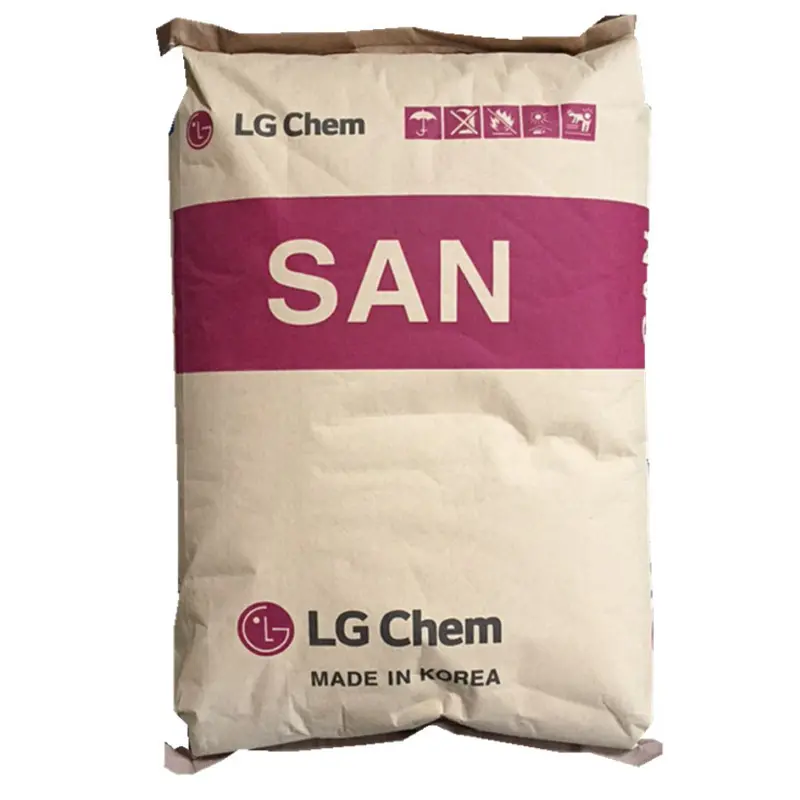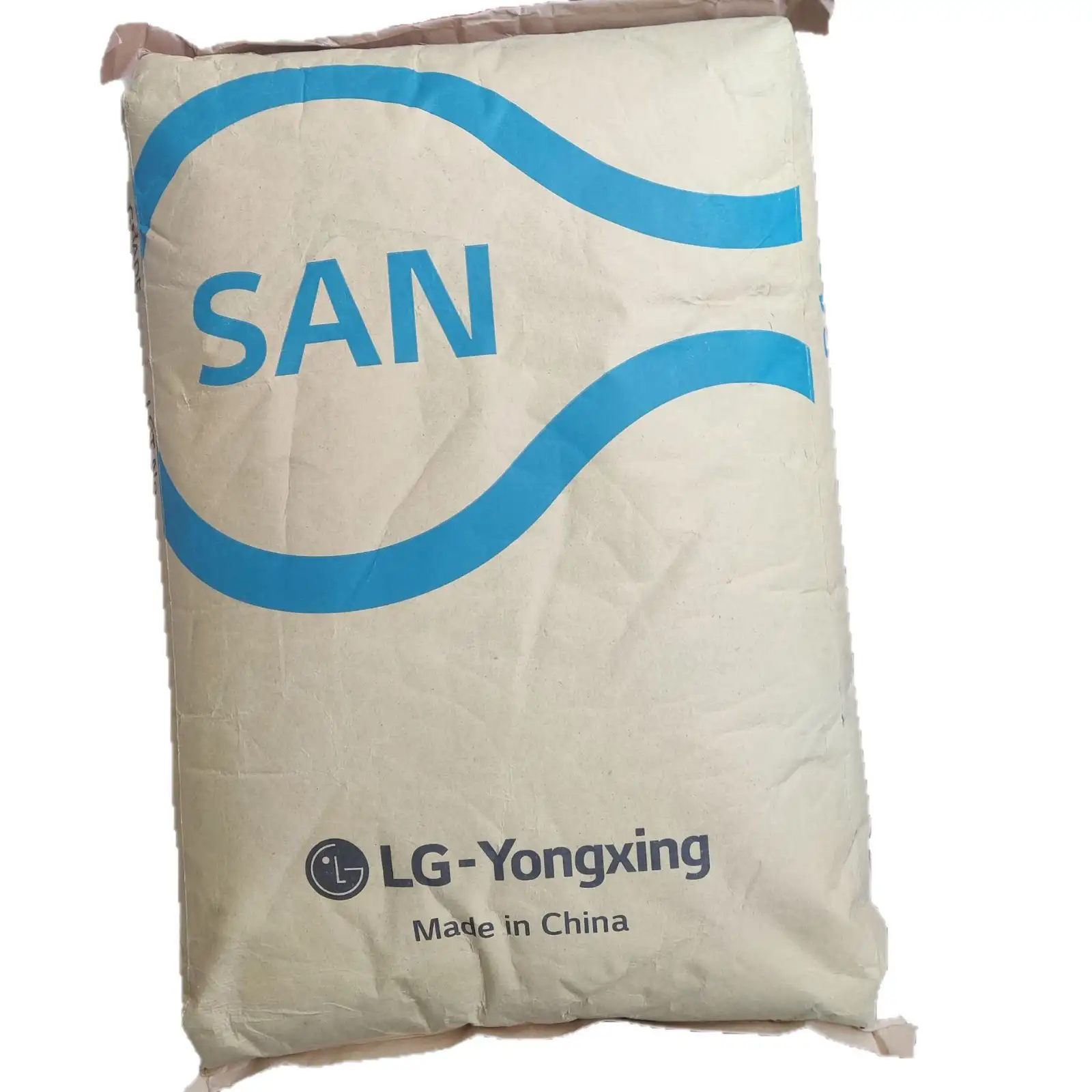
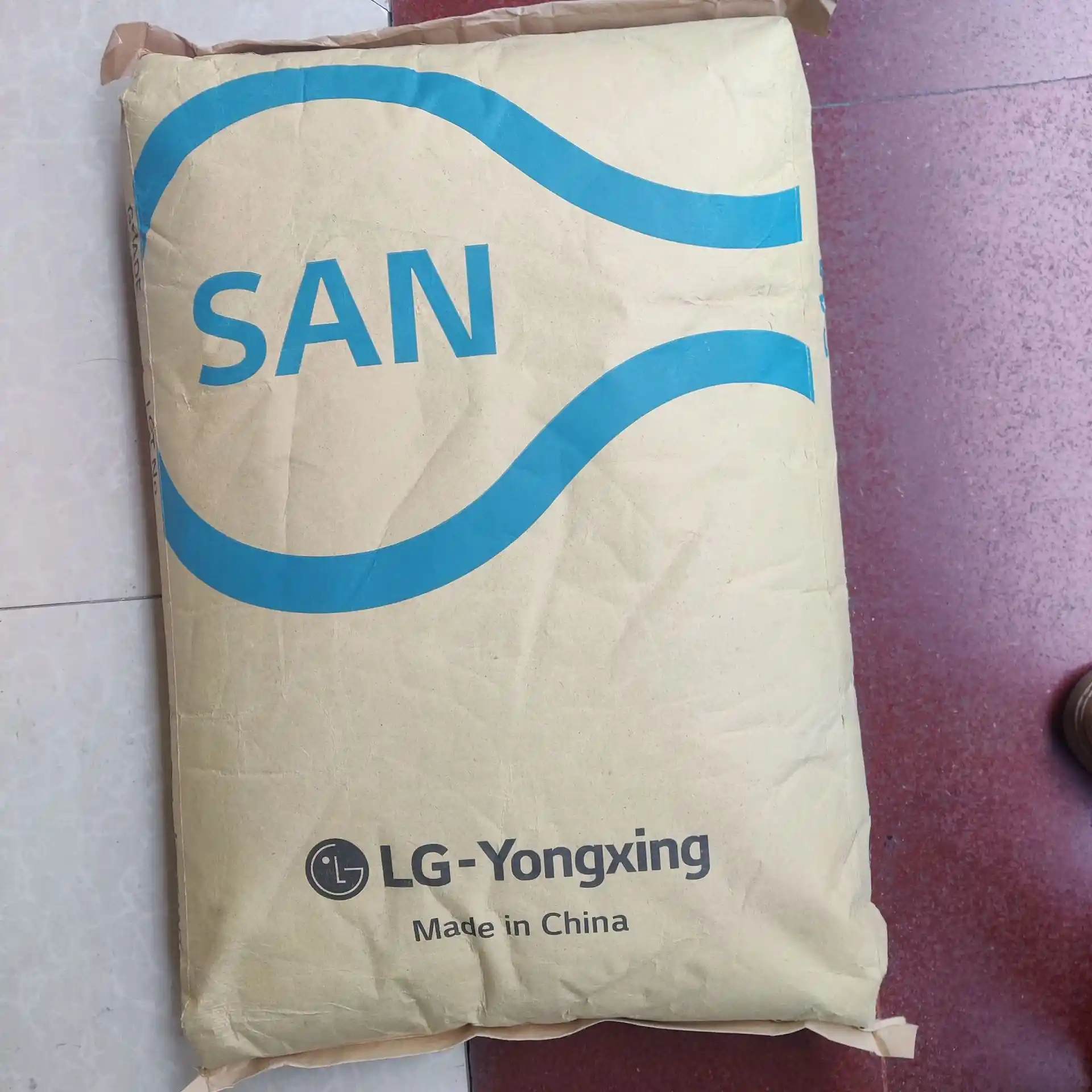
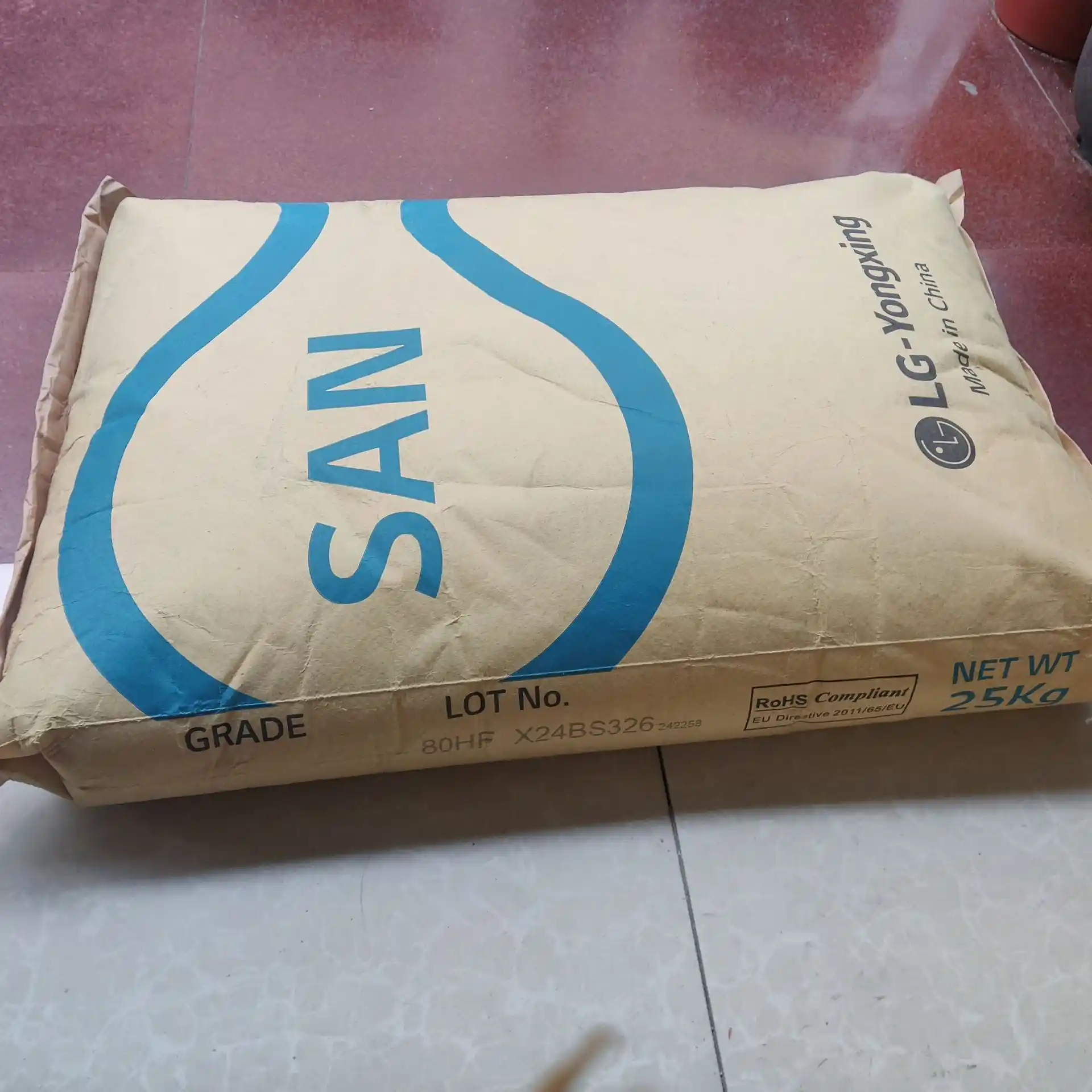
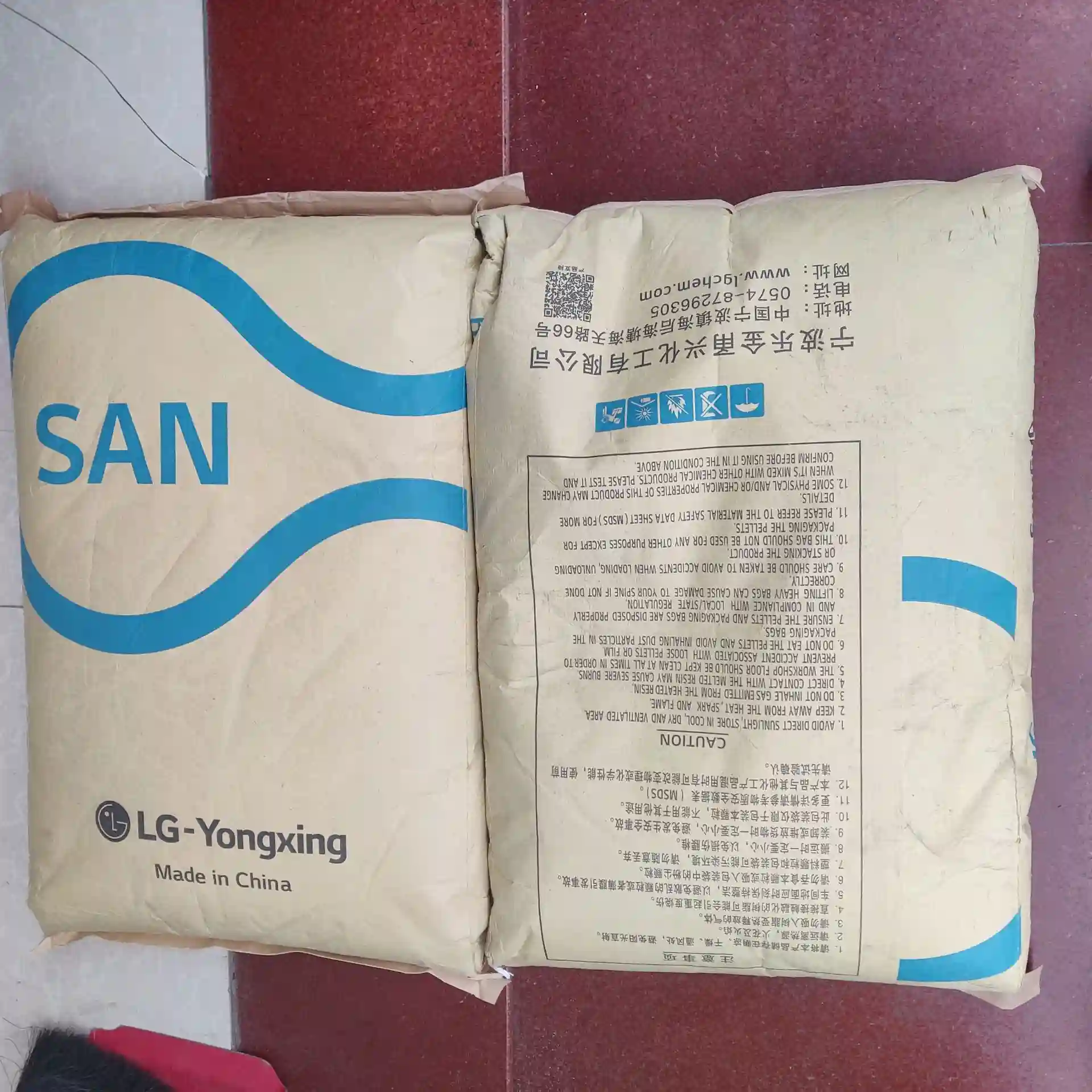
LG Chem SAN 80HF is a SAN (Styrene-Acrylonitrile copolymer) general-purpose transparent plastic independently developed and mass-produced by South Korea’s LG Chem.
| Manufacturer | LG Chem |
|---|---|
| Density | 1.07 g/cm³ |
| MVR | 3.0 g/10min |
| Tensile Strength at Yield | 73.5 MPa |
| Elongation at Break | 6.0 % |
Note: See the product description for additional technical specifications
LG Chem SAN 80HF is a SAN (Styrene-Acrylonitrile copolymer) general-purpose transparent plastic independently developed and mass-produced by South Korea’s LG Chem. Its factory-original form consists of uniform cylindrical natural transparent pellets, free of impurities, non-yellowing, and with stable light transmission performance.
As the star grade with the largest circulation and balanced comprehensive processing performance in LG Chem’s SAN product line, 80HF has long been one of the standard transparent substrates for the global home appliance, daily necessity, and consumer electronics industries. This is due to its stable melt fluidity, high rigidity, excellent transparent texture, and moderate chemical resistance, granting it a very high market share in the low-to-mid-end transparent injection molding market.
This material balances mass production processing convenience with finished product appearance texture, adapting to mainstream injection molding processes. It is widely used in civil injection molded products such as food contact containers, small appliance transparent components, cosmetic packaging, stationery, and electronic transparent housings, making it the preferred raw material for pursuing cost-effective transparent hard plastics.
| Physical Properties | Value | Unit | Test Standard |
| Density | 1.07 | g/cm³ | ASTM D792 |
| Melt Flow Rate, Mass (200 ℃, 5 kg) | 3 | g/10min | ASTM D1238 |
| Melt Flow Rate, Mass(220 ℃, 10 kg) | 29 | g/10min | ASTM D1238 |
| Melt Flow Rate, Mass (230 ℃, 3.8 kg) | 10 | g/10min | ASTM D1238 |
| Mold Shrinkage, Parallel (3.2 mm) | 0.20-0.60 | % | ASTM D955 |
| Rockwell Hardness R | 123 | — | ASTM D785 |
| Mechanical Properties | Value | Unit | Test Standard |
| Tensile Modulus (1 mm/min, 3.2 mm) | 3110 | MPa | ASTM D638 |
| Tensile Strength, Yield (50 mm/min, 3.2 mm) | 73.5 | MPa | ASTM D638 |
| Tensile Strain, Break (50 mm/min, 3.2 mm) | 6 | % | ASTM D638 |
| Flexural Modulus (15 mm/min, 3.2 mm) | 3630 | MPa | ASTM D790 |
| Flexural Strength (15 mm/min, 3.2 mm) | 122 | MPa | ASTM D790 |
| Izod Impact Strength, Notched (6.4 mm, 23 ℃) | 9.8 | J/m | ASTM D256 |
| Thermal Properties | Value | Unit | Test Standard |
| Heat Deflection Temperature, Unannealed (1.8 MPa, 6.4 mm) | 92 | ℃ | ASTM D648 |
| Vicat Softening Point (120 ℃/h, 50 N, Rate B, Loading 2) | 100 | ℃ | ASTM D1525 |
| Flammability Rating (1.6 mm) | HB | — | UL 94 |
| Flammability Rating (3.2 mm) | HB | — | UL 94 |
The technical data sheet (TDS) of LG Chem SAN 80HF material from LG Chem corporation, if there are differences, please refer to the official website of LG Chem.
High Transparency and High Gloss Appearance: Virgin transparent substrate, excellent light transmittance, and high surface gloss of injection-molded finished products. It presents a translucent texture without secondary polishing, suitable for packaging and housing products with high appearance requirements.
High Rigidity and Surface Hardness: Rockwell R hardness of 123, with outstanding tensile and flexural modulus performance. Finished products are scratch-resistant and not easily deformed, offering stable dimensions for long-term use. The mold parallel shrinkage rate is only 0.20~0.60%, allowing for controllable tolerances in precision small part molding.
Balanced Flow and Processing Performance: Moderate melt index ranges under multiple conditions and excellent melt fluidity. It adapts to thin-walled and complex-structure injection molded parts, featuring short injection molding cycles. It is less prone to appearance defects such as flow marks and bubbles, ensuring a higher mass production yield.
Stable Basic Heat Resistance: Vicat softening point of 100°C. Its short-term heat resistance meets daily warm water contact scenarios, and it does not easily deform in ordinary household hot water environments, making it suitable for daily necessities like water cups and crisper containers.
Excellent Chemical Resistance: Resistant to common daily chemical and food media such as alcohol, weak detergents, and vegetable oils. Long-term contact does not easily cause whitening or cracking, making it suitable for cosmetic containers and food packaging products.
Cost-Effective General-Purpose Transparent Material: Compared with high-end transparent plastics like PMMA and PC, LG Chem SAN 80HF has a lower raw material cost and less comprehensive molding loss, making it suitable for cost-reduction production of large-volume civil products.
Transparent drinking cups, crisper box housings, food storage containers, transparent bottle caps, cosmetic cream jars, lipstick cases, and perfume bottle transparent covers. It withstands daily grease and cleaning solvents, and its transparency meets product display requirements.
Small coffee machine transparent windows, blender/breaker transparent cups, air conditioner control panel transparent decorative parts, washing machine transparent knobs, and rice cooker transparent observation covers. Strong rigidity makes it scratch-resistant, adapting to the long-term usage conditions of home appliances.
Transparent mouse housings, keyboard decorative covers, student transparent rulers, pen holders, folders, and transparent storage boxes. Good molding fluidity ensures stable production of fine textures and thin-walled structures.
Transparent assembly toys, display ornament housings, and gift transparent packaging boxes. It features no precipitation, non-yellowing, and is safe and compliant, meeting the basic usage requirements for children’s toys.
Instrument transparent observation windows, small equipment protective covers, and connector transparent housings. Stable dimensional shrinkage ensures precision assembly tolerances.
Q1: What are the recommended drying conditions for LG Chem SAN 80HF before injection molding?
A: SAN materials readily absorb moisture from the air, which can cause injection-molded products to exhibit silver streaks, bubbles, or a hazy white appearance. It is recommended to dry the material at 80~85°C using hot air for more than 4 hours; if environmental humidity is high, this can be extended to 6 hours. Ensure the moisture content is controlled below 0.05% before processing on the machine.
Q2: How should I choose between LG Chem SAN 80HF and PMMA (Acrylic)? What are the core differences?
A: Both are transparent plastics, but their applicable scenarios are clearly differentiated:
Transparency: PMMA has higher light transmittance and better surface gloss; SAN 80HF has slightly lower light transmittance, and both are relatively brittle materials that are prone to cracking upon impact.
Chemical Resistance: SAN has stronger resistance to alcohol and detergents, whereas PMMA is prone to cracking and whitening when exposed to high-concentration alcohol.
Cost: The raw material price of SAN 80HF is lower than PMMA, making it more cost-effective for mass production.
Heat Resistance: The heat resistance of SAN 80HF (Vicat softening point 100°C) is comparable to or slightly higher than standard PMMA, and neither is suitable for long-term high-temperature environments; for daily room-temperature applications and contact with daily chemical/food containers, LG Chem SAN 80HF is preferred.
Q3: Does LG Chem SAN 80HF comply with RoHS environmental standards, and does it have UL certification?
A: The base grade of LG Chem’s original SAN 80HF complies with the EU RoHS 2.0 hazardous substance restrictions and can be exported to European and North American markets. Its flammability rating is UL94 HB (1.6mm/3.2mm specimens); it is not halogen-free and has no V0 flame-retardant modification, making it suitable only for general civil products without high flame-retardant requirements. If customers require high flame-retardant or halogen-free specifications, please consult regarding LG Chem’s modified SAN series grades.
Q4: Can SAN 80HF be blended and modified with PC? Does the molding temperature need to be adjusted?
A: SAN has good compatibility with PC, and the industry commonly uses SAN 80HF as a blending substrate for PC/ABS and PC/SAN alloys. The conventional injection molding temperature range for pure SAN 80HF is 220~250°C. If blended with PC, the barrel temperature should be increased to 240~270°C, and the mold temperature controlled at 50~70°C, which can reduce delamination and peeling defects.
Submit your inquiry today and receive a professional competitive price tailored to your project requirements.