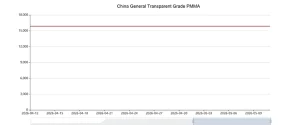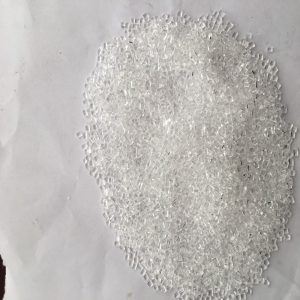
Polymethyl Methacrylate, or PMMA for short, is commonly known as acrylic or plexiglass. It is a synthetic thermoplastic polymer material formed by the free-radical polymerization of methyl methacrylate monomers, belonging to the acrylic resin family. Industrialized as early as the 1930s, PMMA is today one of the most widely produced and utilized transparent plastics globally.
Core Features
The primary advantages of PMMA are concentrated in two areas: optical performance and weather resistance.
Excellent Optical Performance: PMMA features a light transmittance of up to 92%, which is higher than that of standard glass (approx. 80%-85%) and polycarbonate (PC, approx. 86%-89%), offering a glass-like crystal clarity. It has a refractive index of 1.49 and strong UV resistance. Even under long-term outdoor exposure, it maintains its transparency without yellowing, making it exceptionally well-suited for outdoor applications.
Good Physical and Mechanical Properties: PMMA has a density of approximately 1.17-1.20 g/cm³, which is roughly half that of glass, yet it provides nearly 10 times the impact strength of glass. It possesses a relatively high surface hardness among thermoplastics, making it more scratch-resistant than polycarbonate. However, PMMA is inherently brittle with lower toughness than polycarbonate, its long-term service temperature generally does not exceed 80°C, and it lacks resistance to organic solvents such as acetone and toluene.
Prominent Eco-friendly Attributes: PMMA itself is a non-toxic material, completely free of harmful substances like formaldehyde, bisphenol A (BPA), phthalates, and heavy metals. Furthermore, PMMA is 100% recyclable. In 2026, research teams developed a chemical recycling technology capable of depolymerizing PMMA back into its monomers under low-temperature conditions of 120-180°C, laying a solid foundation for a circular economy in materials.
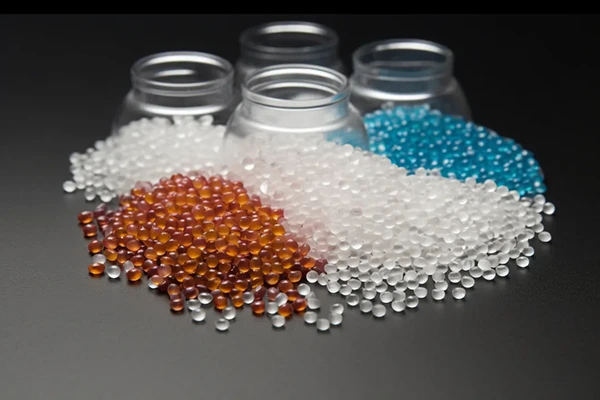
Primary Application Fields
Leveraging its exceptional transparency and weatherability, PMMA occupies an irreplaceable position across multiple industries.
Architecture & Building Materials: PMMA sheets are widely utilized in architectural curtain walls, skylights, acoustic barriers, residential sanitary ware (such as acrylic bathtubs), as well as advertising lightboxes and signage. Its translucent texture offers a wealth of design possibilities for building exteriors.
Automotive Industry: The automotive sector represents a vital market for PMMA. Components like tail light covers, instrument panels, and panoramic sunroofs made from PMMA leverage its superior light transmittance and lightweight characteristics to reduce overall vehicle weight. Certain high-end vehicle models have also begun adopting PMMA for manufacturing LiDAR protective lenses.
Electrical & Electronics: PMMA is utilized in manufacturing LED lighting diffuser plates, light guide plates (LGPs) for flat-panel displays, optical fiber communication materials, as well as transparent buttons and casings for electronic products. Heat-resistant modified PMMA can withstand high temperatures above 105°C, making it suitable for electronic components with specific thermal dissipation requirements.
Medical & Consumer Goods: Due to its excellent biocompatibility, PMMA is a mainstream choice for artificial dental materials, bone cement (bone fixative), and medical blood containers. It is also extensively used to manufacture contact lenses, stationery, spectacle lenses, and daily-use transparent containers.
Global Market Size & Trends
The global polymethyl methacrylate market size was valued at approximately USD 5.31 billion in 2025 and is projected to reach USD 8.16 billion by 2034, growing at a compound annual growth rate (CAGR) of 4.9%. In terms of consumption volume, global PMMA consumption stands at approximately 3.21 million metric tons in 2026, with sheets accounting for a 38.19% market share. The Asia-Pacific region, particularly China, represents the world’s largest production and consumption market for PMMA.
Safety & Regulatory Compliance
PMMA is not only safe and non-toxic, but it has also secured food contact material and medical device certifications across mainstream global markets.
US FDA Certification: Complies with the FDA 21 CFR 177.1010 standard, permitting its use in containers or components intended for contact with non-alcoholic foods.
EU Compliance Certification: Meets the requirements of the EU 10/2011 regulation for plastic materials intended to come into contact with food, as well as the safety and inertness principles of EC 1935/2004.
Biocompatibility Certification: Has passed ISO 10993-5 (cytotoxicity), ISO 10993-10 (sensitization), and ISO 10993-23 (irritation) testing, qualifying it as a safe material for medical devices and food containers.
Comparison of PMMA with Other Transparent Materials
Compared to glass, PMMA is lighter in weight, more impact-resistant, and less prone to shattering; however, its surface hardness is lower than that of glass, making it more susceptible to scratches over long-term use. Compared to polycarbonate, PMMA exhibits higher light transmittance (92% vs. 86%-89%), superior UV resistance, and better scratch resistance, while its cost is typically 30%-50% lower than that of polycarbonate; nevertheless, its impact strength and thermal resistance are significantly lower than those of polycarbonate. Consequently, PMMA is the preferred choice for scenarios demanding extreme transparency and outdoor weatherability, whereas polycarbonate is prioritized for applications requiring high impact resistance or thermal stability.
In summary, PMMA is a well-established thermoplastic engineering plastic that integrates excellent optical performance, weather resistance, lightweight characteristics, and eco-friendly recyclability. For global B2B buyers, the extensive applicability of PMMA across the architectural, automotive, electronic, and medical sectors—coupled with its international compliance certification framework—renders it a vital alternative to glass and polycarbonate.