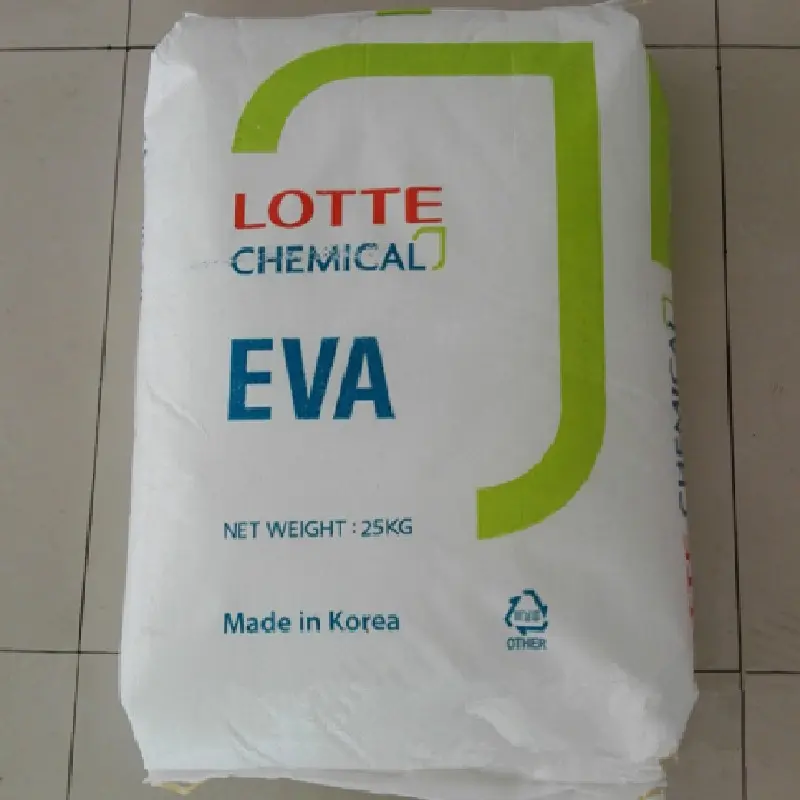
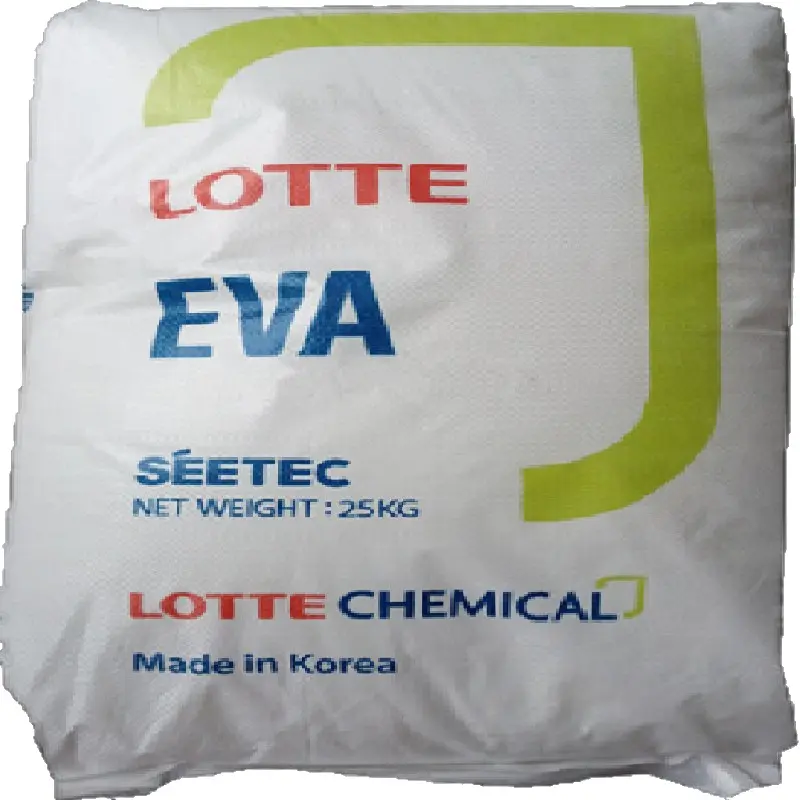
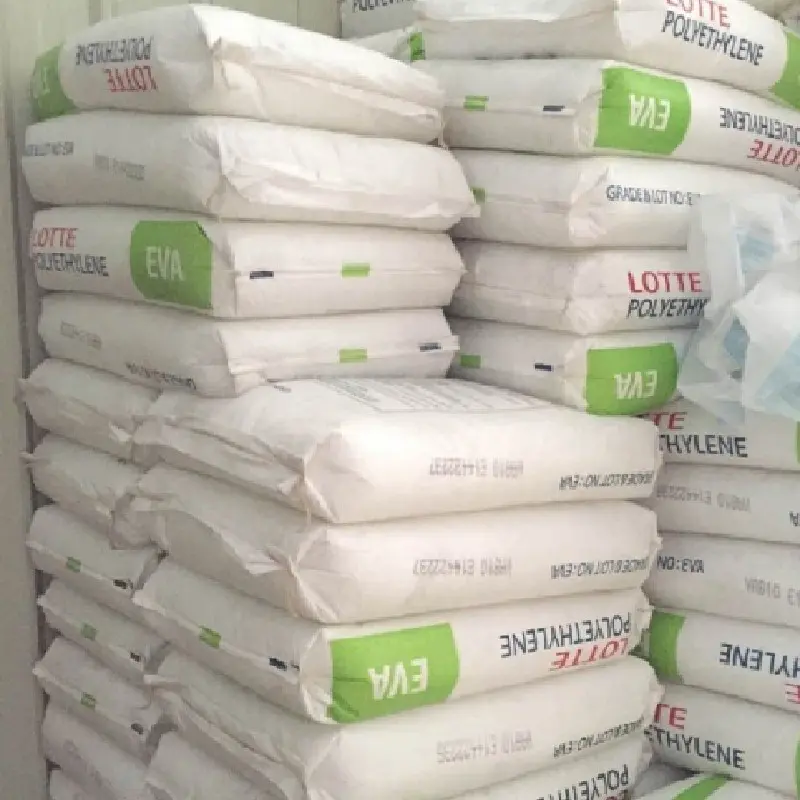
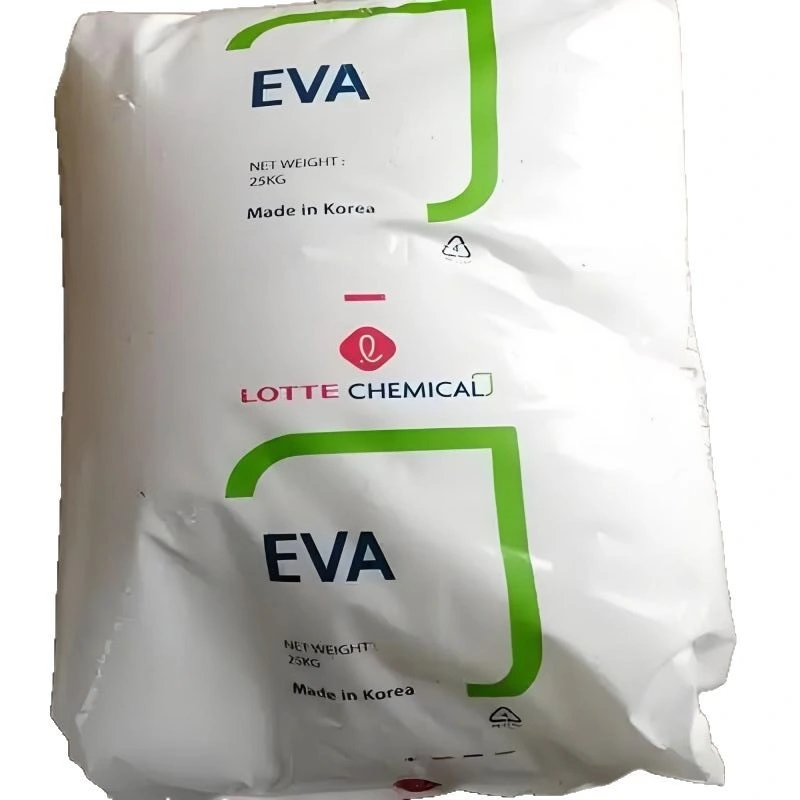
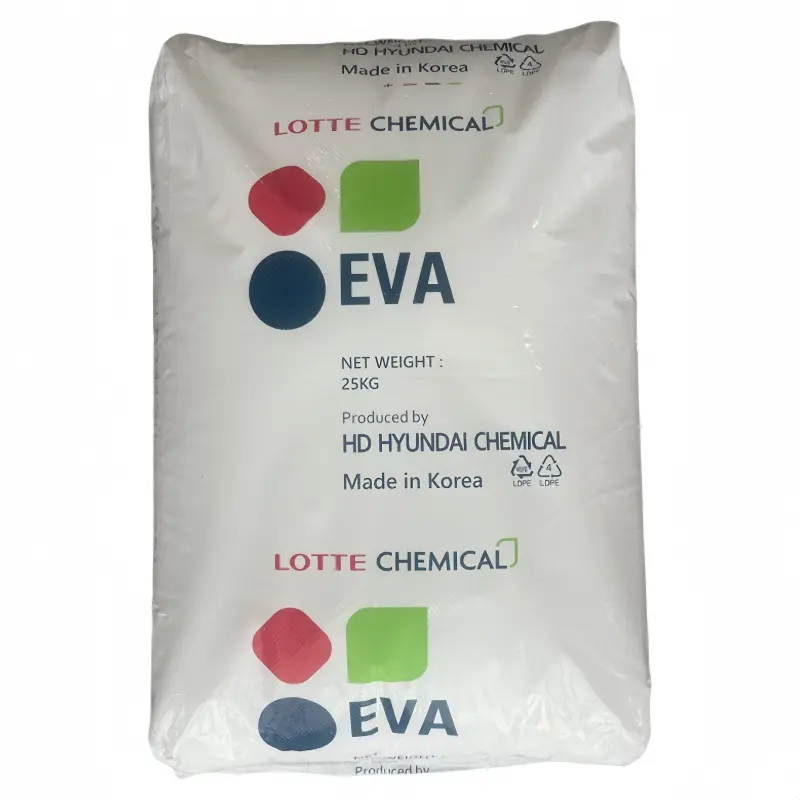
In modern industrial manufacturing, selecting the right Ethylene Vinyl Acetate (EVA) copolymer is crucial for product durability and flexibility. Lotte EVA VS430, produced by Lotte Chemical, is a premium-grade resin renowned worldwide for its excellent balance of processability and physical properties.
Superior Flexibility and Elasticity: Maintains excellent impact resistance even in low-temperature environments.
Excellent Foaming Ratio: Uniform closed-cell structure makes it the top choice for high-end footwear and protective packaging.
Outstanding Compatibility: Easily blends with pigments or other polymers to meet customized modification needs.
Technical Data Sheet (TDS)
For engineers, precise experimental data is the core of assessing material suitability. Below are the key physical parameters and corresponding testing standards for Lotte EVA VS430.
Physical Properties
| Property |
Value |
Unit |
Test Standard |
| Density |
0.939 |
g/cm3 |
ASTM D1505 |
| Melt Flow Index (MFR) |
2.5 |
g/10min |
ASTM D1238 (190∘C,2.16kg) |
| Vinyl Acetate (VA) Content |
19 |
wt% |
Internal Method |
| Shore Hardness D |
34 |
— |
ASTM D2240 |
Mechanical Properties
| Property |
Value |
Unit |
Test Standard |
| Tensile Strength at Break |
19.1 |
MPa |
ASTM D638 |
| Tensile Strain at Break |
740 |
% |
ASTM D638 |
Key Applications
The versatility of Lotte EVA VS430 allows it to perform exceptionally across several high-standard industries:
Footwear Industry: Due to its superb foaming response and resilience, VS430 is commonly used for manufacturing athletic midsoles, slippers, and various functional insoles.
Solar Cell Encapsulation: With its high light transmittance and weather resistance, modified VS430 can be used for solar panel encapsulation films.
Hot Melt Adhesives & Coatings: Utilizing its low melting point and strong adhesion, VS430 is a core base material for high-strength hot melt glue sticks and bookbinding adhesives.
Industrial Packaging & Padding: Used to manufacture high-grade electronic shock-absorbing pads (foamed EVA), providing ultimate cushioning protection.
Product Comparison: EVA VS430 vs. Other Grades
Understanding the differences between grades is vital when making purchasing decisions:
VS430 vs. Low VA Grades (e.g., VA < 15%):
VS430 features a 19% VA content, meaning it is softer, more transparent, and offers better low-temperature crack resistance than lower VA grades. If your product requires a premium feel and flexibility, VS430 is the superior choice.
VS430 vs. High MI Grades:
A low melt index of 2.5 ensures that VS430 has stronger melt strength during the foaming and extrusion process, resulting in finer, more supportive pore structures compared to high MI materials which are more suited for simple injection molded parts.
Processing Guidelines
To ensure Lotte EVA VS430 achieves optimal performance, please refer to the following processing parameters:
Drying: Although EVA has low water absorption, drying at 45°C – 55°C for 2-3 hours is recommended to obtain perfect surface gloss.
Injection/Extrusion Temperature:
Feed zone: 130°C – 150°C
Compression zone: 160°C – 180°C
Die/Nozzle: 170°C – 190°C
Mold Temperature: Recommended to be maintained between 20°C – 40°C to accelerate cooling and improve demolding efficiency.
Technical Tip: Avoid melt temperatures exceeding 230°C, as EVA may undergo thermal decomposition, releasing corrosive acetic acid gas.
FAQ
Q1: Does Lotte EVA VS430 comply with environmental standards?
Yes, the Lotte EVA VS430 we supply fully complies with RoHS and REACH international environmental regulations. It is free of heavy metals and phthalates, making it suitable for global export trade.
Q2: What is the main advantage of VS430?
Its core advantage lies in the perfect balance of mechanical performance and flexibility provided by the 19% VA content, especially in precision foaming where its stability outperforms many general-purpose grades.
Q3: Does ZiJun Plastics provide samples for testing?
Certainly. We understand the importance of testing in industrial production. We can provide small samples for your engineering team to perform trial runs. Please contact our sales team for the latest quotes and technical documents (MSDS/TDS).