Basic Concepts
Definition and Basic Characteristics of LLDPE
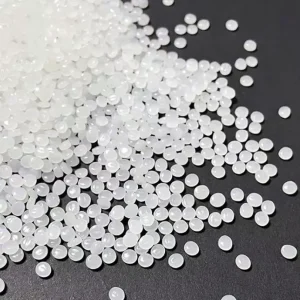
Linear Low-Density Polyethylene (LLDPE) is a copolymer featuring a linear backbone structure with numerous short branches along the main chain. It is produced through the catalytic copolymerization of ethylene with minor amounts of higher alpha-olefins (such as 1-butene, 1-hexene, or 1-octene).
- Compared to conventional high-pressure low-density polyethylene (LDPE), LLDPE lacks long-chain branching in its molecular structure, which endows it with unique physical and mechanical properties.
- Its core characteristics include exceptional tensile strength, superior puncture and tear resistance, outstanding environmental stress crack resistance (ESCR), and favorable low-temperature impact performance.
Why Temperature Control Matters
During the processing of thermoplastic plastics, temperature is a critical variable that dictates final product quality and manufacturing stability.
- For LLDPE, precise temperature control directly impacts resin plasticization efficiency, melt flowability, and molecular chain orientation.
- Uncontrolled temperatures can lead not only to unstable extrusion and surface defects (such as gels, cloudiness, or surface roughness) but may also trigger thermal degradation or crosslinking of the polymer at elevated temperatures, severely deteriorating its mechanical performance.
Core Technical Parameters
Melting Temperature of LLDPE
- Definition of Melting Point: The melting point of LLDPE refers to the temperature range over which its crystalline polymer structures transition into a viscous flow state, reflecting the thermodynamic characteristics of the material shifting from solid to liquid.
- Typical Melting Range: Due to variations in comonomer type, content, and polymerization technology, the standard crystalline melting point of LLDPE typically falls between 120 °C and 130 °C.
- Influencing Factors:
- Comonomer Type and Density: The length and frequency of short-chain branches interfere with the perfection of crystalline domains; higher branching levels and lower densities generally result in a decreased melting point.
- Thermal History and Processing Conditions: Crystallinity varies with cooling rates, leading to some degree of fluctuation in melting intervals during Differential Scanning Calorimetry (DSC) testing.
Processing Temperature Range of LLDPE
- Standard Processing Temperature: To achieve optimal plasticization and smooth extrusion flowability for LLDPE, the overall standard processing temperature range is generally set between 180 °C and 260 °C.
- Temperature Requirements by Process:
- Film Extrusion: As the primary application for LLDPE, barrel and die temperatures during blown film processing are typically controlled around 170 °C to 220 °C to ensure bubble stability and proper draw-down ratios.
- Pipe & Profile Extrusion: Temperatures across extruder zones and dies are generally set between 180 °C and 230 °C to guarantee sufficient melt strength for shaping.
- Injection Molding: Because injection molding requires lower melt viscosity to rapidly fill complex molds, processing temperatures are generally higher, typically adjusted within the 200 °C to 260 °C range.
Key Points of Temperature Control
Consequences of Excessively High or Low Temperatures
- Problems Caused by Excessively High Temperatures:
- Triggers thermal degradation or oxidative chain scission of polyolefin molecules, causing a sharp drop in melt strength.
- Generates unpleasant odors, discoloration, or degraded charred particles, and can even form gels and bubbles in film products.
- Extends cooling and solidification time, reducing overall production efficiency.
- Problems Caused by Excessively Low Temperatures:
- Incomplete resin plasticization where certain pellets fail to melt entirely, resulting in rough extrudate surfaces, fish-eyes, or unplasticized particles.
- Noticeable increase in screw torque and motor load, potentially leading to equipment wear or system shutdown.
- High internal stress concentrations in products, leading to significantly lower tensile strength and impact performance.
Best Practices for Temperature Control
- How to Accurately Control Temperature:
- Implement segmented precision temperature control (stepwise temperature profiling from the feed zone, compression zone, and metering zone to the die).
- Regularly calibrate temperature controllers and thermocouples to ensure responsive performance from barrel heating bands and cooling blowers.
- Common Troubleshooting:
- If periodic fluctuations in extrusion pressure occur, check whether the feed zone temperature is too low or if feeding is inconsistent.
- If misty streaks appear on the film surface, it typically indicates excessive die lip temperatures or localized overheating and degradation, requiring a downward adjustment of the die temperature settings.
Conclusion
Core Recommendations and Sourcing Guidance
In actual industrial manufacturing, processing LLDPE requires not only strictly aligning temperature profiles with the technical data sheets (TDS) of specific grades but also dynamically fine-tuning them based on equipment models, screw designs, and environmental temperature and humidity conditions.
As a professional global supply chain partner for high-performance polymer materials, ZiJun Plastics is dedicated to providing you with exceptional engineering plastics and raw material support. If you have any inquiries regarding specific grade selections, processing parameter optimizations, or bulk procurement, please feel free to reach out to our technical support and sales teams for professional solutions.