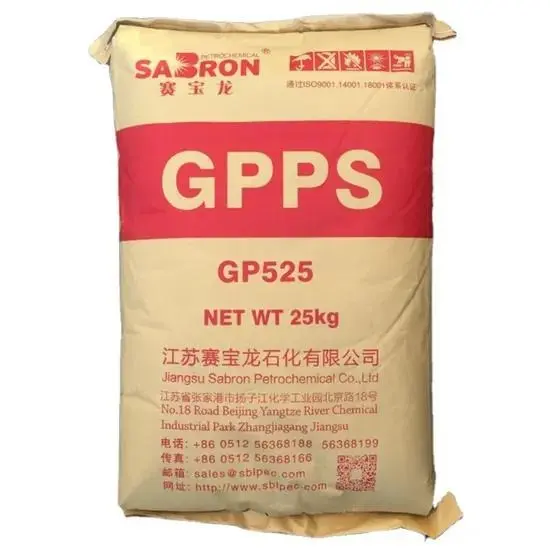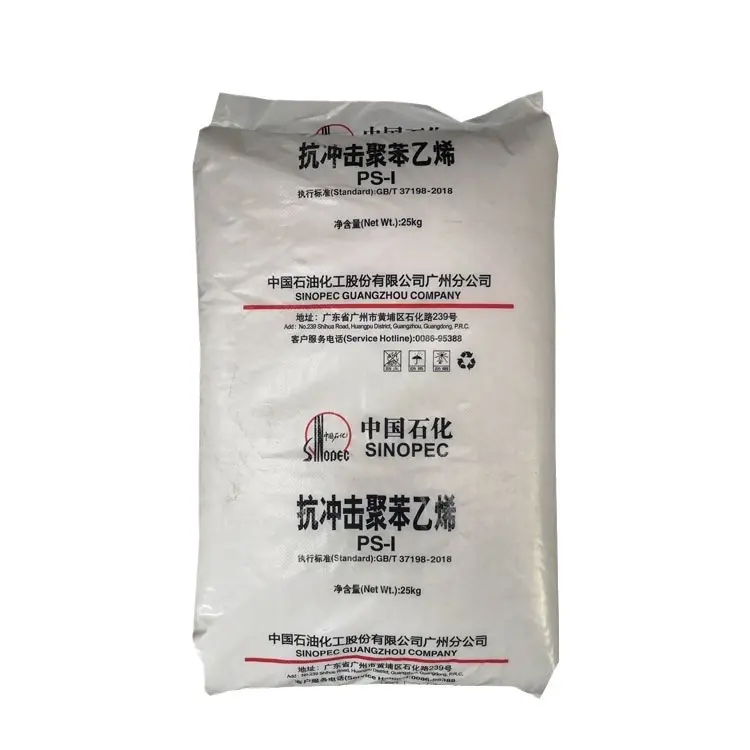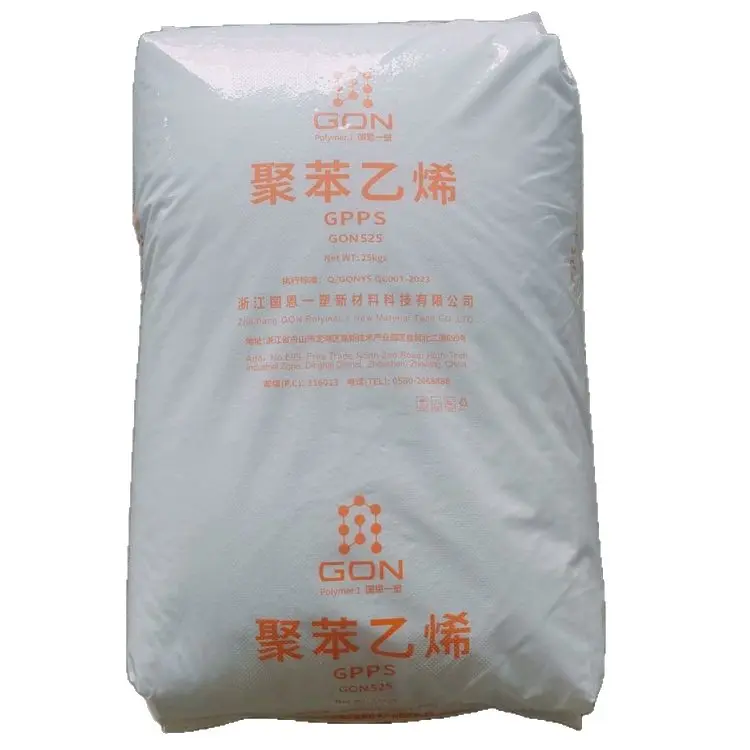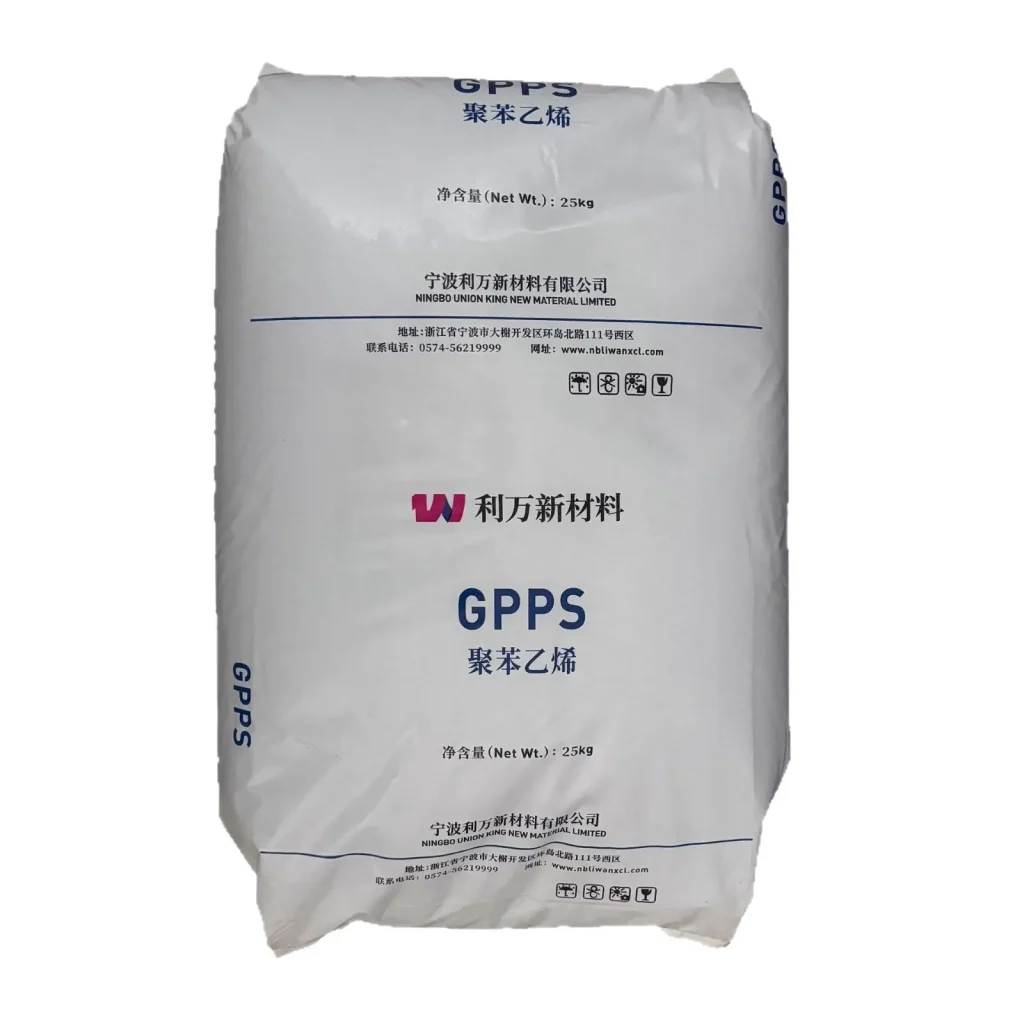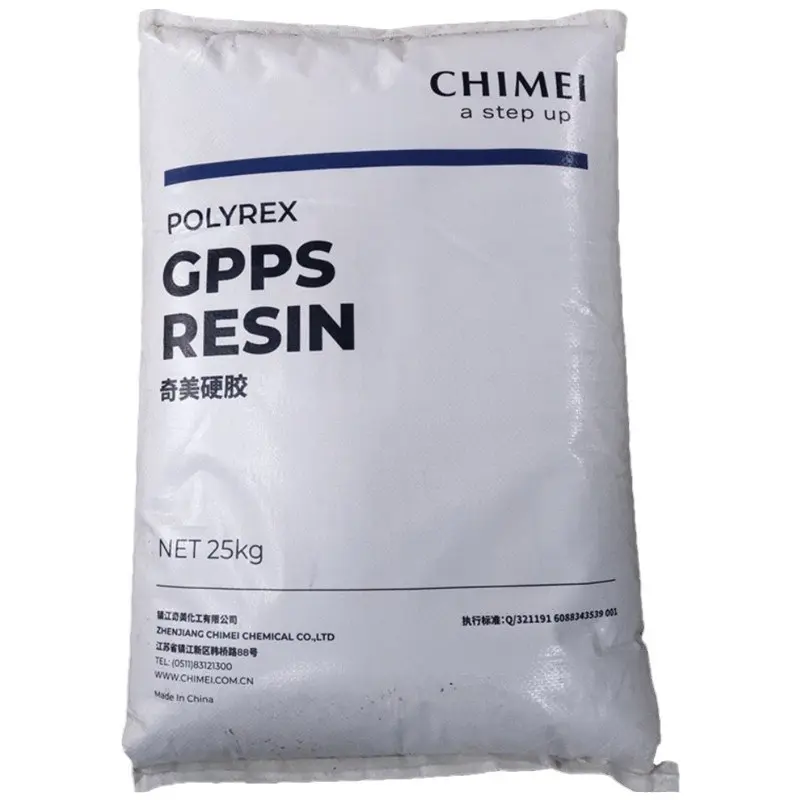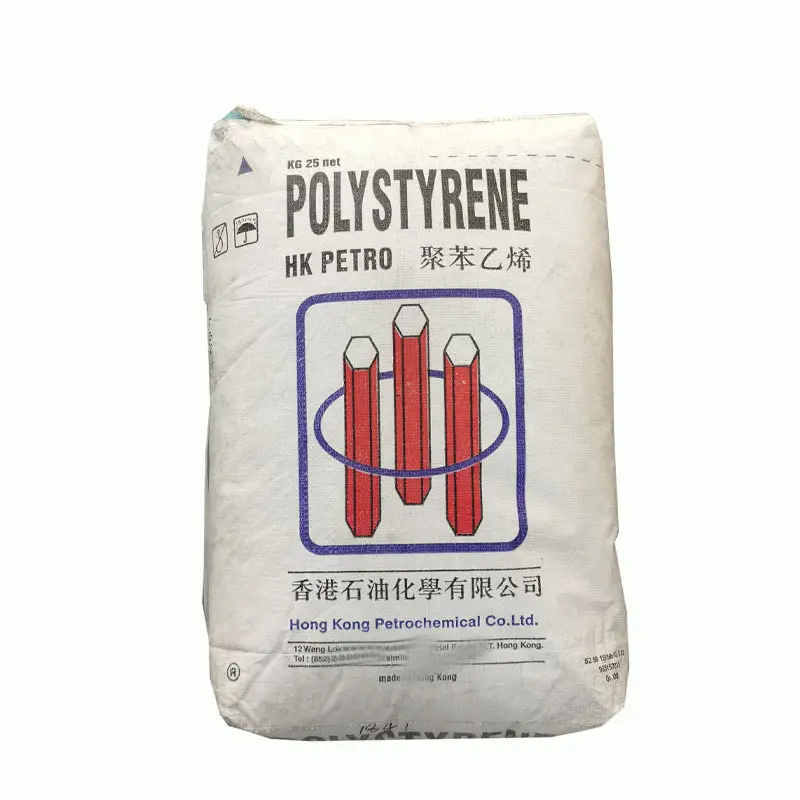
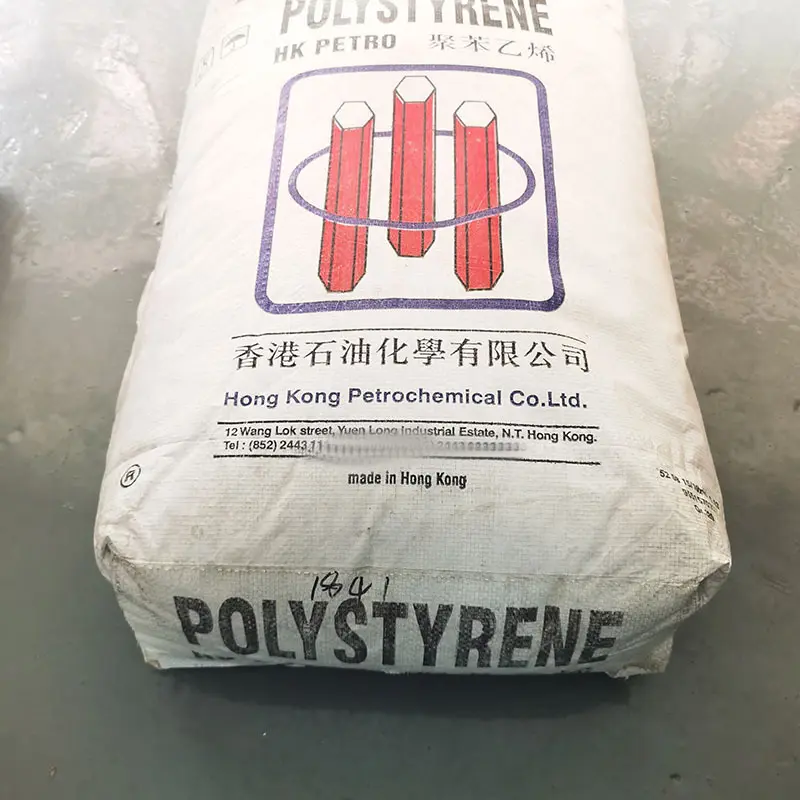
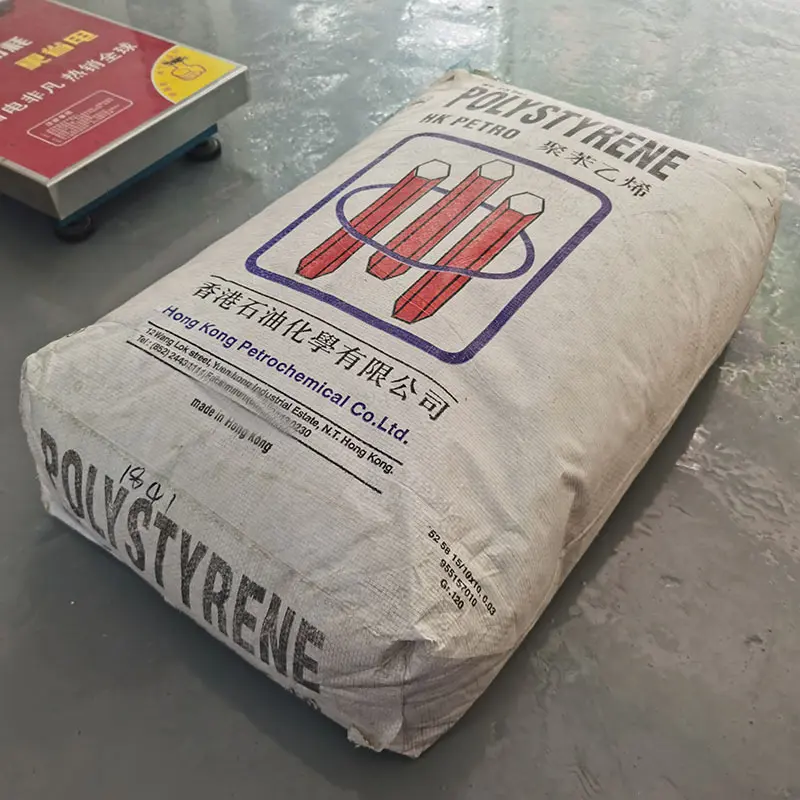
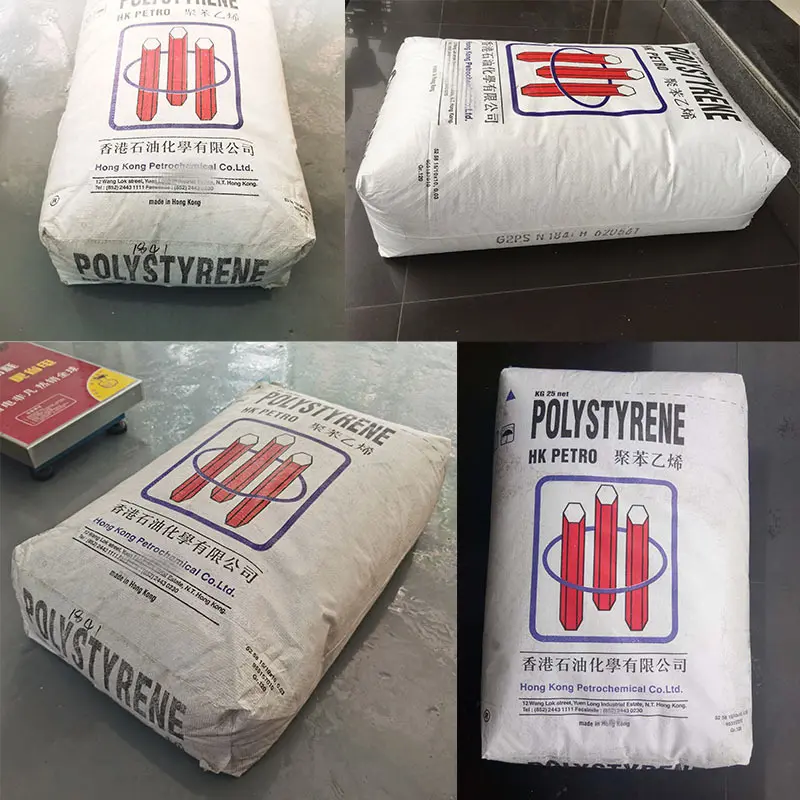
Hong Kong Petrochemical N 1841 H GPPS is a crystal-clear, high-flow injection molding grade featuring an MFR of 10 g/10min, Rockwell R 80 hardness, and 101 °C Vicat softening temperature. Ideal for transparent packaging, appliance parts, and housewares.
| Manufacturer | Hong Kong Petrochemical |
|---|---|
| Density | 1.04 g/cm³ |
| MFR | 10 g/10min |
| Elongation at Break | 1.8 % |
| Izod Notched Impact | 13 J/m |
Note: See the product description for additional technical specifications
Manufacturer: Hong Kong Petrochemical
Category: GPPS (General Purpose Polystyrene)
Appearance: Transparent / Crystal-clear pellets, high gloss, low haze, delivering a clear, rigid plastic texture post-molding.
Hong Kong Petrochemical N 1841 H is a high-flow, high-rigidity General Purpose Polystyrene (GPPS) injection molding grade. Featuring a melt flow rate (MFR) of 10 g/10min (200 ℃ / 5 kg), it exhibits exceptional mold-filling performance and surface mold replication in thin-walled, high-speed molding scenarios. It serves as a standard benchmark raw material for transparent daily necessities, packaging containers, clear appliance components, and consumer electronic display panels.
Within the GPPS portfolio, N 1841 H occupies a well-defined position: delivering a balanced combination of “crystal transparency, high rigidity, easy mold release, and lot-to-lot consistency” for injection molders demanding superior aesthetic clarity and high mass-production efficiency. For design engineers, its performance value lies in its high hardness (Rockwell R 80), heat deflection temperature of 84 ℃, and Vicat softening temperature of 101 ℃ (1 kg load). With fully traceable technical data, it seamlessly adapts to standard three-stage screws and multi-cavity molds, facilitating process stabilization and high-volume manufacturing replication.
| Property | Test Condition | Value / Unit | Test Standard |
| Density | — | 1.04 g/cm³ | ASTM D792 |
| Apparent Density | — | 0.65 kg/dm³ | ASTM D1895 |
| Melt Flow Index (MFI) | Condition G (200 ℃, 5 kg) | 10 g/10min | ASTM D1238 |
| Rockwell Hardness | R Scale | 80 | ASTM D785 |
| Property | Test Condition | Value / Unit | Test Standard |
| Izod Impact Strength, Notched | 23 ℃, 3.2 mm | 13 J/m | ASTM D256 |
| Tensile Strength | Type I specimen, 3.2 mm thickness – Speed B | 45 MPa | ASTM D638 |
| Tensile Strain at Break | Type I specimen, 3.2 mm thickness – Speed B | 1.8 % | ASTM D638 |
| Modulus of Elasticity | Type I specimen, 3.2 mm thickness – Speed B; Tensile properties | 3,250 MPa | ASTM D638 |
| Modulus of Elasticity | 3.2 mm specimen; Flexural properties | 3,200 MPa | ASTM D790 |
| Flexural Strength | Max; 3.2 mm specimen | 80 MPa | ASTM D790 |
| Property | Test Condition | Value / Unit | Test Standard |
| Deflection Temperature Under Load (HDT) | 12.7 mm, 1.82 MPa | 84.0 ℃ | ASTM D648 |
| Vicat Softening Temperature | 1 kg load | 101 ℃ | ASTM D1525 |
| Vicat Softening Temperature | 5 kg load | 95 ℃ | ASTM D1525 |
The technical data sheet (TDS) of N 1841 H GPPS material from Hong Kong Petrochemical corporation, if there are differences, please refer to the official website of Hong Kong Petrochemical.
High Transparency & Gloss Finish: Inherent GPPS light transmittance and uniform light refraction produce molded parts with crystal-like clarity and mirror surface gloss, perfectly suited for high-aesthetic consumer products.
High Flowability & Easy Moldability (MFR 10 g/10min): Rapid melt filling minimizes short shots in thin-walled, multi-cavity, and intricate geometry molds, effectively shortening cycle times and boosting per-machine productivity.
High Rigidity & Dimensional Stability: With a tensile modulus of 3,250 MPa, flexural modulus of 3,200 MPa, and Rockwell hardness of R 80, molded parts display high stiffness and minimal warpage, ideal for lightweight structural parts that must retain shape under load.
Clear Thermal & Processing Window: Heat deflection temperature of 84 ℃ and Vicat softening point of 101 ℃ simplify machine barrel and mold temperature setups, preventing thermal degradation or cold flow lines.
Lot-to-Lot Consistency & Cost Efficiency: Stable hardness, rheological, and thermal metrics enable long-term continuous injection molding, helping processors control scrap rates and raw material expenditures.
Packaging & Containers: Clear candy boxes, cosmetic inserts, disposable food packaging, clamshell blister trays, and transparent label windows—leveraging high clarity and fast melt filling.
Appliances & Consumer Electronics: Humidifier water tanks/covers, small appliance control panels, remote control housings, transparent socket windows, and indicator light covers.
Housewares & Daily Necessities: Clear storage containers, clothes hanger hooks, stationery casings, retail display stands, and decorative gift packaging components.
Toys & Crafts: Transparent building block elements, scale model housings, decorative optical lenses, and festive light fixtures (non-outdoor weatherable parts).
Industrial Auxiliary Components: Non-load-bearing transparent instrument covers, test fixture viewing windows, and low-voltage electrical casings.
Material Selection Boundaries: N 1841 H is an unmodified, non-impact-resistant GPPS grade with a notched impact strength of only 13 J/m. Being inherently brittle, it is not recommended for components subject to frequent drops, flexural stress, or sub-zero impact environments; HIPS or PS/elastomer alloys should be specified when impact toughness is required. Additionally, GPPS possesses limited chemical resistance and should avoid prolonged exposure to alcohols, oils, fats, and aromatic hydrocarbons.
Q1: Does N 1841 H require pre-drying prior to processing? What are the recommended conditions?
A1: GPPS exhibits low moisture absorption. Under standard injection molding environments (ambient humidity <60%), it can be processed directly without pre-drying. However, if surface silver streaks, splay marks, or moisture bubbles appear on optical-grade transparent parts, hot-air drying at 70–80 ℃ for 2–3 hours is recommended to achieve a target moisture content <0.1%. Ensure closed material transfer post-drying to prevent moisture regain.
Q2: How do I choose between N 1841 H (GPPS) and HIPS?
A2:
Choose GPPS (N 1841 H) for applications requiring high transparency, high rigidity, low raw material cost, and clear aesthetic finishes.
Choose HIPS for applications requiring drop resistance, high impact toughness, or secondary deep-draw thermoforming.
GPPS is crystal clear yet brittle; HIPS is opaque yet tough. Selection should be governed by whether the end product experiences mechanical shock or impact, rather than color preference alone.
Q3: How are compliance documents provided? How can I confirm RoHS / REACH / UL status?
A3: Technical Data Sheets (TDS), Safety Data Sheets (SDS/MSDS), and Certificates of Analysis (COA) can be provided per shipment batch. RoHS and REACH SVHC compliance relies on official manufacturer statements and certified third-party testing reports. Standard GPPS is inherently non-flame-retardant; N 1841 H does not carry a formal UL 94 flame rating and should not be used in components requiring mandatory flame-retardant certifications. Dedicated flame-retardant PS grades must be selected for V-2 or V-0 requirements.
Submit your inquiry today and receive a professional competitive price tailored to your project requirements.