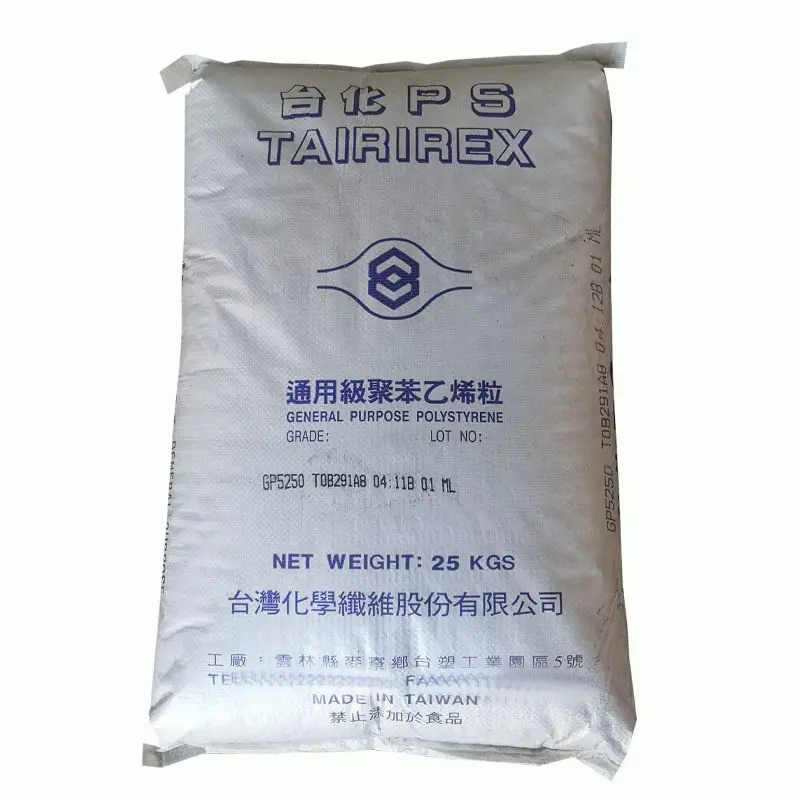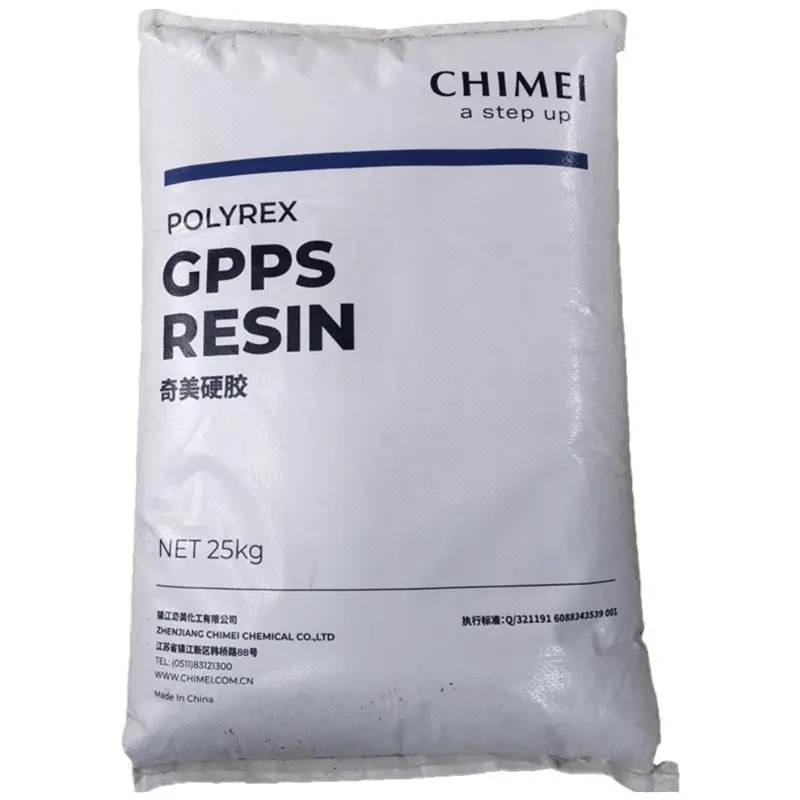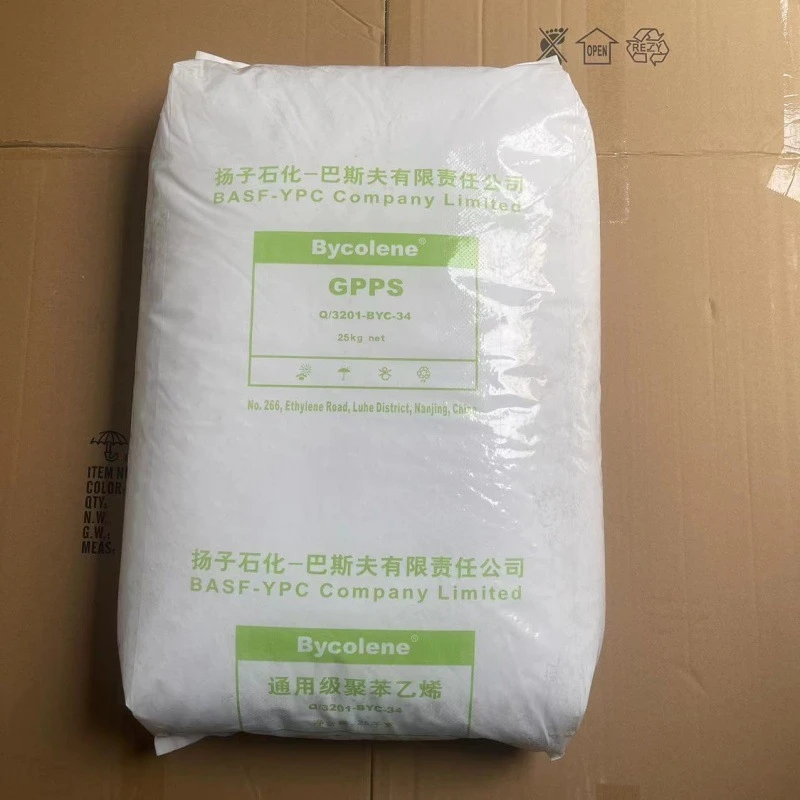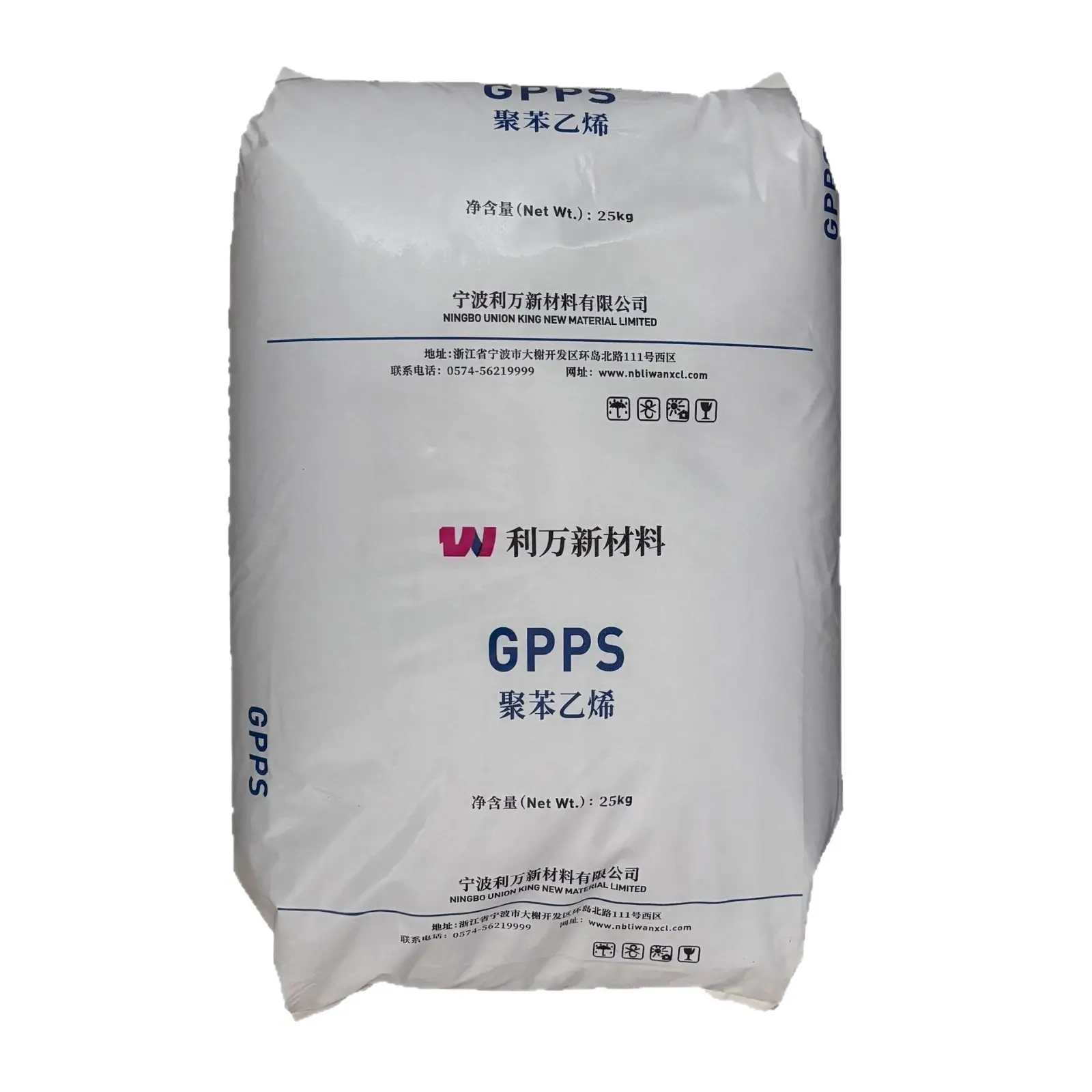
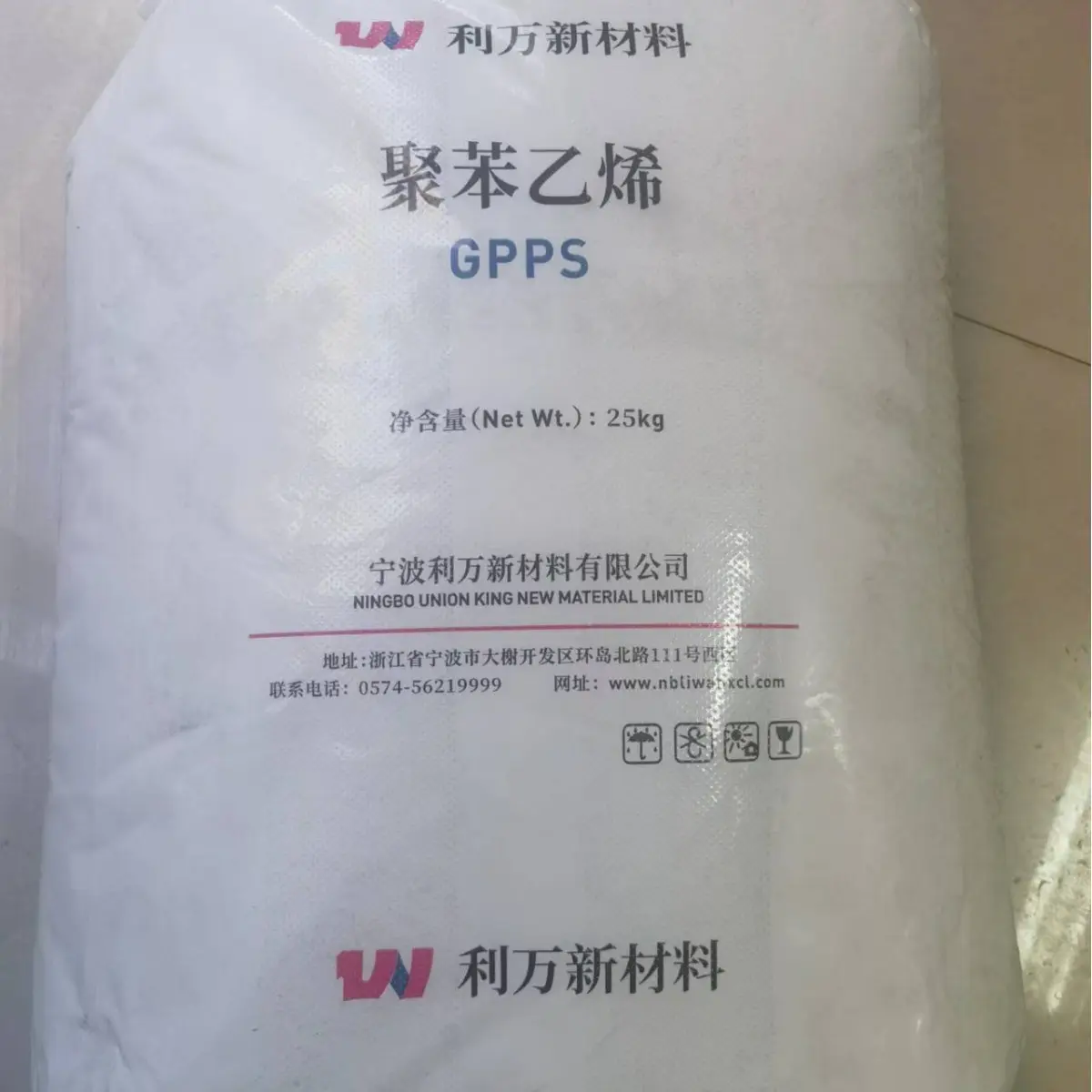
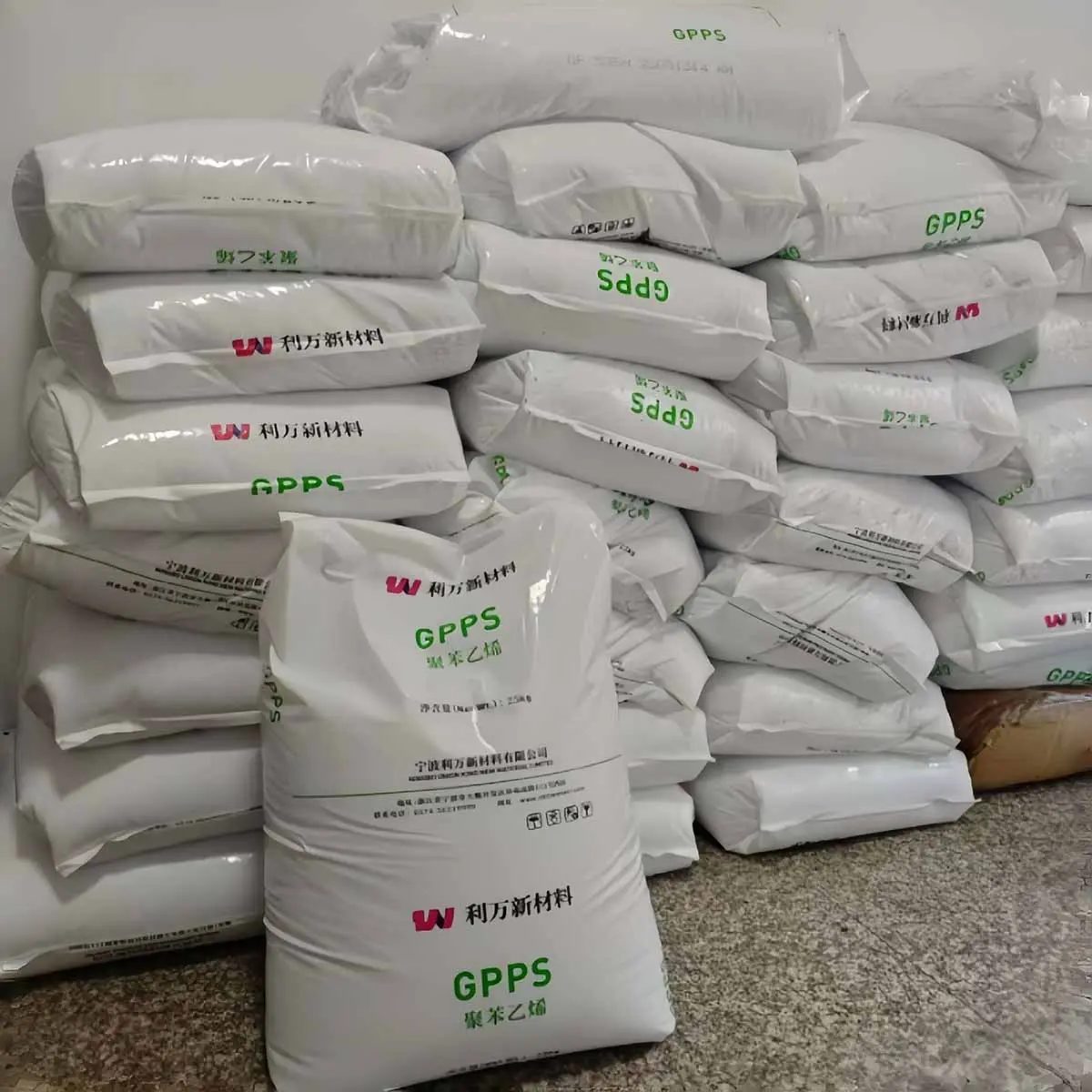
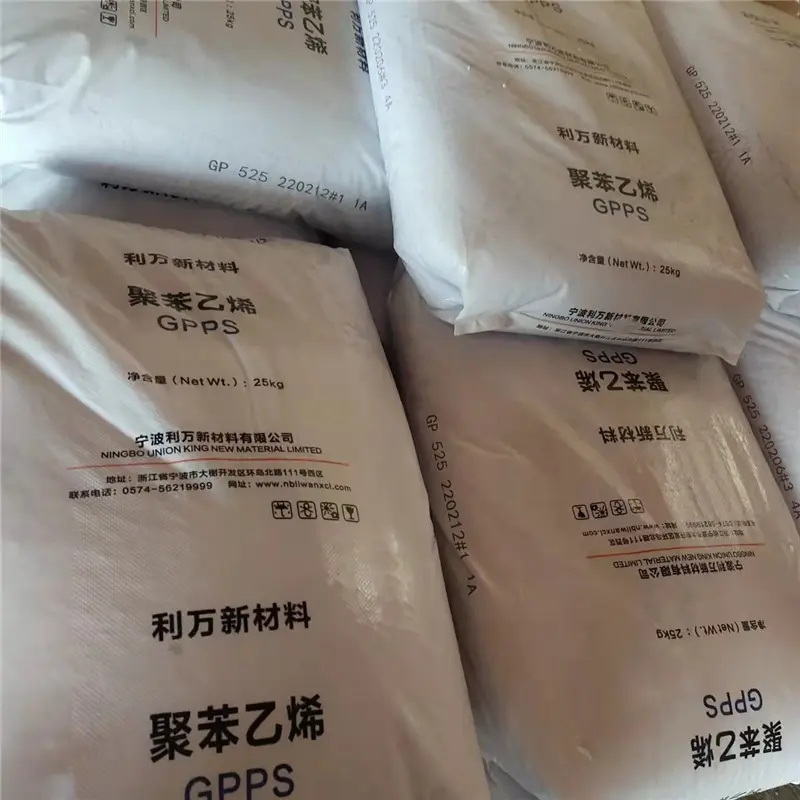
Ningbo Liwan GPPS GP 525 is a high-transparency, medium-flow general-purpose polystyrene resin offering excellent rigidity and optical clarity, ideal for transparent packaging, stationery, and household appliances.
| Manufacturer | Ningbo Liwan |
|---|---|
| MFR | 8.0 g/10min |
| Izod Notched Impact | 1.43 kJ/m² |
| Tensile Strength | 47.0 MPa |
| Vicat Softening Point | 94.1 °C |
Note: See the product description for additional technical specifications
GP 525 is a general-purpose polystyrene (GPPS) injection molding grade produced by Ningbo Liwan. The material appears as colorless, transparent, glossy cylindrical pellets and is an amorphous, highly transparent, medium-flow thermoplastic resin with a melt flow rate (MFR) of 8 g/10 min (GB/T 3682.1). With a combination of 89.9% light transmittance, a Vicat softening point of 94.1 °C, and a tensile strength of 47.0 MPa within the GPPS system, GP 525 is positioned for non-structural injection-molded parts that require a balance of visual clarity, rigid support, and processing efficiency. This grade is widely used in daily commodities, stationery, thin-wall packaging, transparent appliance covers, and decorative parts, serving as one of the highly referenced domestic GPPS baseline grades in the circulation market.
| Property | Test Condition | Value | Unit | Test Method |
| Melt Flow Rate (MFR) | — | 8 | g/10 min | GB/T 3682.1-2018 |
| Property | Test Condition | Value | Unit | Test Method |
| Tensile Strength | — | 47 | MPa | GB/T 1040.2-2006 |
| Notched Izod Impact Strength | — | 1.43 | kJ/m² | GB/T 1843-2008 |
| Property | Test Condition | Value | Unit | Test Method |
| Vicat Softening Point | — | 94.1 | °C | GB/T 1633-2000 |
| Property | Test Condition | Value | Unit | Test Method |
| Light Transmittance | — | 89.9 | % | GB/T 2410-2008 |
The technical data sheet (TDS) of GPPS GP 525 material from Ningbo Liwan corporation, if there are differences, please refer to the official website of Ningbo Liwan.
High Transparency and Gloss: Features a light transmittance of 89.9%, maintaining a clear appearance from pellets to finished parts. It is suitable for packaging and display pieces that require contents to be visible, and the surface is easy to polish and vacuum metallize.
Medium Flowability and Molding Efficiency: An MFR of 8 g/10 min belongs to easily moldable ranges in GPPS. Combined with its amorphous characteristics, it is ideal for high-speed injection molding of thin-walled daily goods, stationery, and multi-cavity molds with short cycles and minimal flash.
Dimensional Stability and Rigidity: GPPS mold shrinkage is approximately 0.4%–0.7%. With a tensile strength of 47 MPa, GP 525 parts are crisp and deformation-resistant, making them suitable for non-load-bearing structures such as trays, housings, and display stands.
Low Water Absorption and Electrical Insulation: Extremely low water absorption (<0.1%) ensures stable performance and dimensions in humid environments; high volume/surface resistivity allows for low-frequency insulating parts and internal transparent separation sheets in home appliances.
Cost and Processing Friendly: No drying required (under sealed packaging), featuring a broad processing temperature window (180–260 °C melt, 20–60 °C mold temperature). Unit costs are significantly lower than PMMA and PC, making it ideal for high-volume general transparent parts.
Food and Cosmetic Packaging: Yogurt cups, jelly cups, disposable cutlery, cosmetic bottle caps and transparent outer covers, perfume base stands, and candy packaging blister trays.
Stationery and Consumer Goods: Transparent rulers, pen barrels, folder clasps, storage boxes, display props, and non-load-bearing transparent toy parts.
Home Appliances and Electronics: Television/radio transparent windows, indicator light covers, internal insulation separators, and small appliance panel trim strips.
Industrial and Decorative: CD/DVD cases, blister inserts, advertising sign backboards, and low-voltage electrical transparent housings.
Note: GPPS is inherently brittle and exhibits poor resistance to alcohols and aromatic solvents; it is not recommended for long-term contact with grease, alcohol wiping, or high impact load scenarios. For impact resistance, choose HIPS; for weather and UV resistance, choose PMMA; and for high toughness and heat resistance, choose PC.
Q1: Does GP 525 need to be dried before processing?
A1: GPPS has an extremely low moisture absorption rate (24 h water absorption <0.05%) and typically does not require drying when kept in original sealed packaging and moderate environmental humidity (<70%). If packaging is damaged or stored open during the rainy season, hot air drying at 60–80 °C for 1–2 hours is recommended to prevent melt silver streaks and bubbles from affecting the appearance of transparent parts.
Q2: How to choose between GP 525, PMMA, and PC?
A2: All three are transparent, but their positioning differs. GP 525 offers 89.9% light transmittance, the lowest cost, and the highest brittleness, making it suitable for static visual packaging/stationery. PMMA offers >92% light transmittance, weather resistance, and scratch resistance, making it suitable for outdoor signage and optical parts. PC offers 88–90% light transmittance with extremely high impact resistance (notched impact dozens of times higher than GPPS), making it suitable for protective shields and safety lenses. Selection relies on four key factors: solvent contact, impact exposure, outdoor use, and budget.
Q3: Can this grade be used for food contact applications? How to obtain compliance documents?
A3: While the GPPS base resin itself can be used for food contact, whether GP 525 is listed under specific market food-grade certifications (such as FDA 21 CFR 177.1640, EU 10/2011, or GB 4806.7) depends on batch formulations and manufacturer declarations. During procurement, TDS, SDS, COA, and food contact compliance statements for the corresponding markets can be requested from the supplier. Before use in cutlery or cups, finished products must be submitted to a third-party testing agency for confirmation; compliance cannot be judged solely on the base resin. Routine commercial versions of this grade largely comply with RoHS/REACH restricted substance requirements, while UL yellow cards must be verified separately based on specific thicknesses and masterbatch formulations.
Q4: How to adjust injection molding parameters for GP 525 to reduce internal stress and silver streaks?
A4: It is recommended to set the melt temperature to 200–230 °C (avoiding prolonged periods >250 °C to prevent thermal degradation), mold temperature to 30–50 °C, medium-fast injection speed to facilitate mold filling, and back pressure to 0.5–1.0 MPa. GPPS is sensitive to shear, so screw speeds should not be excessively high. If parts are used for transparent displays, annealing at 60–70 °C for 1–2 hours can be performed to eliminate internal stress and reduce subsequent cracking and “stress whitening” risks.
Submit your inquiry today and receive a professional competitive price tailored to your project requirements.