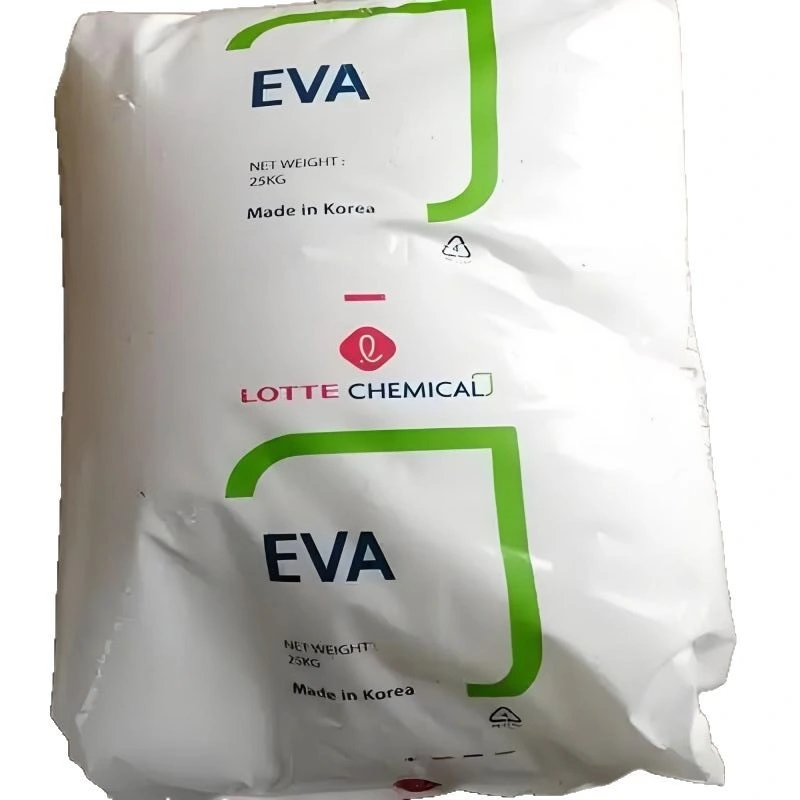
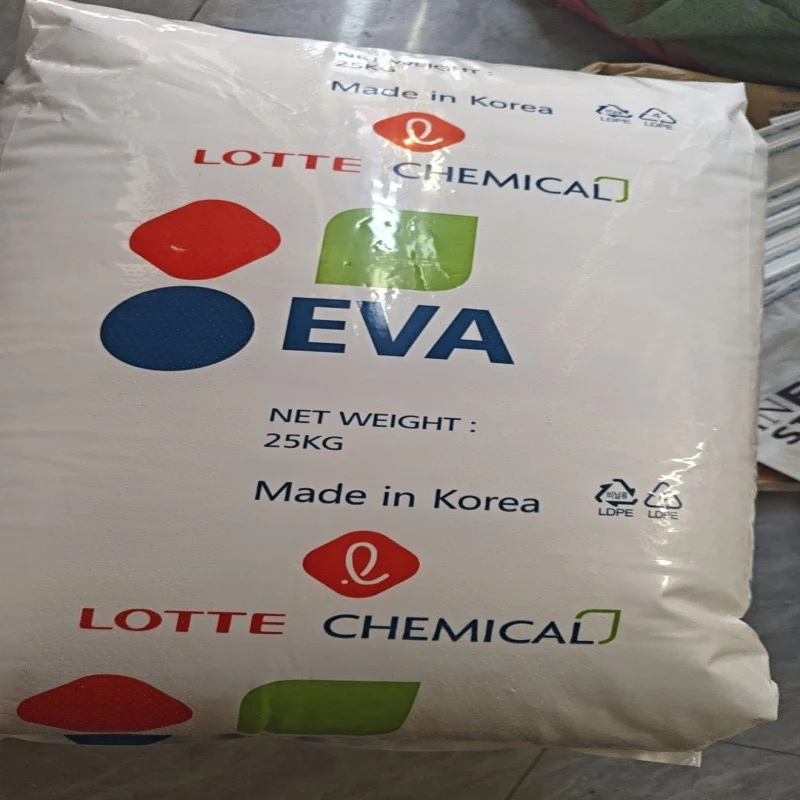
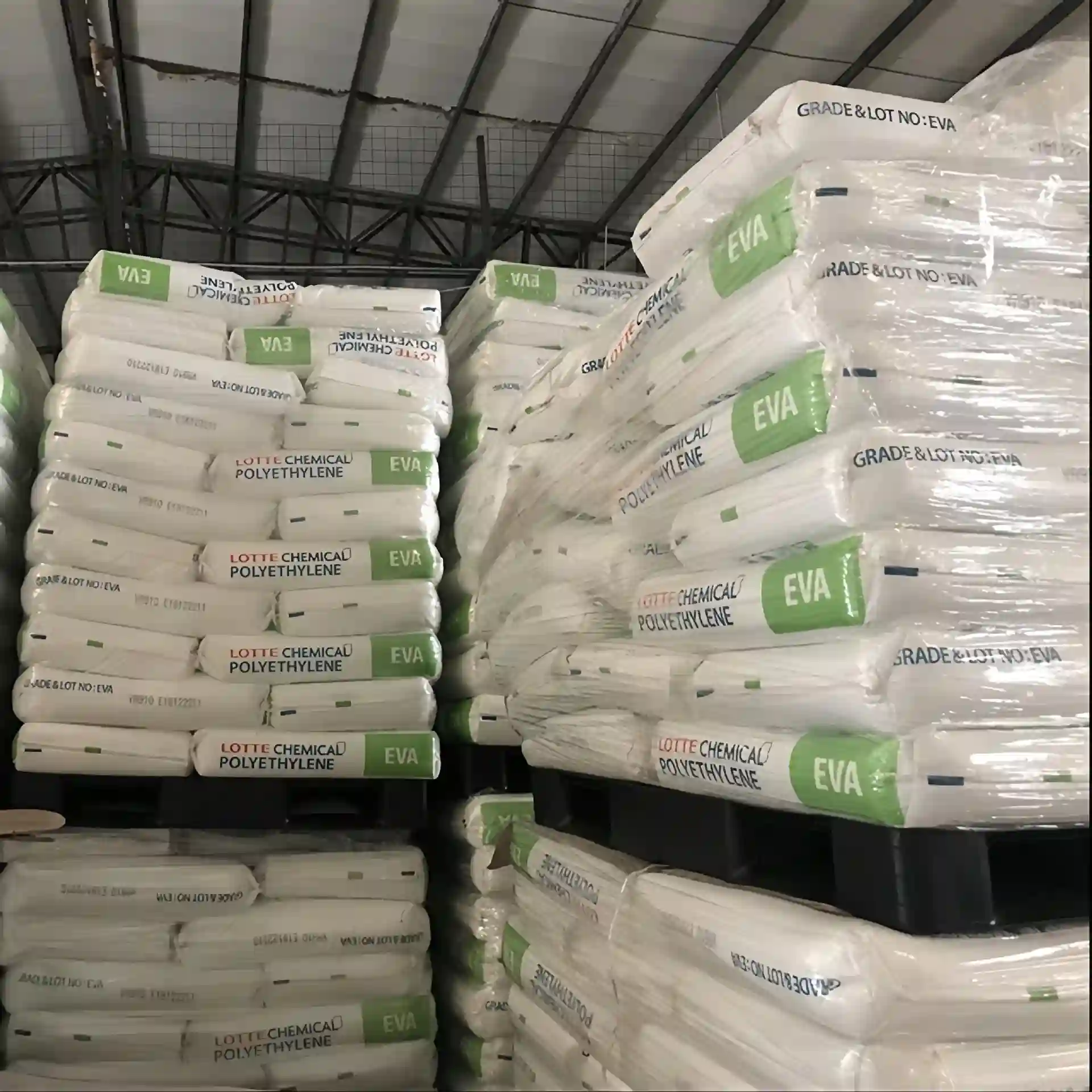
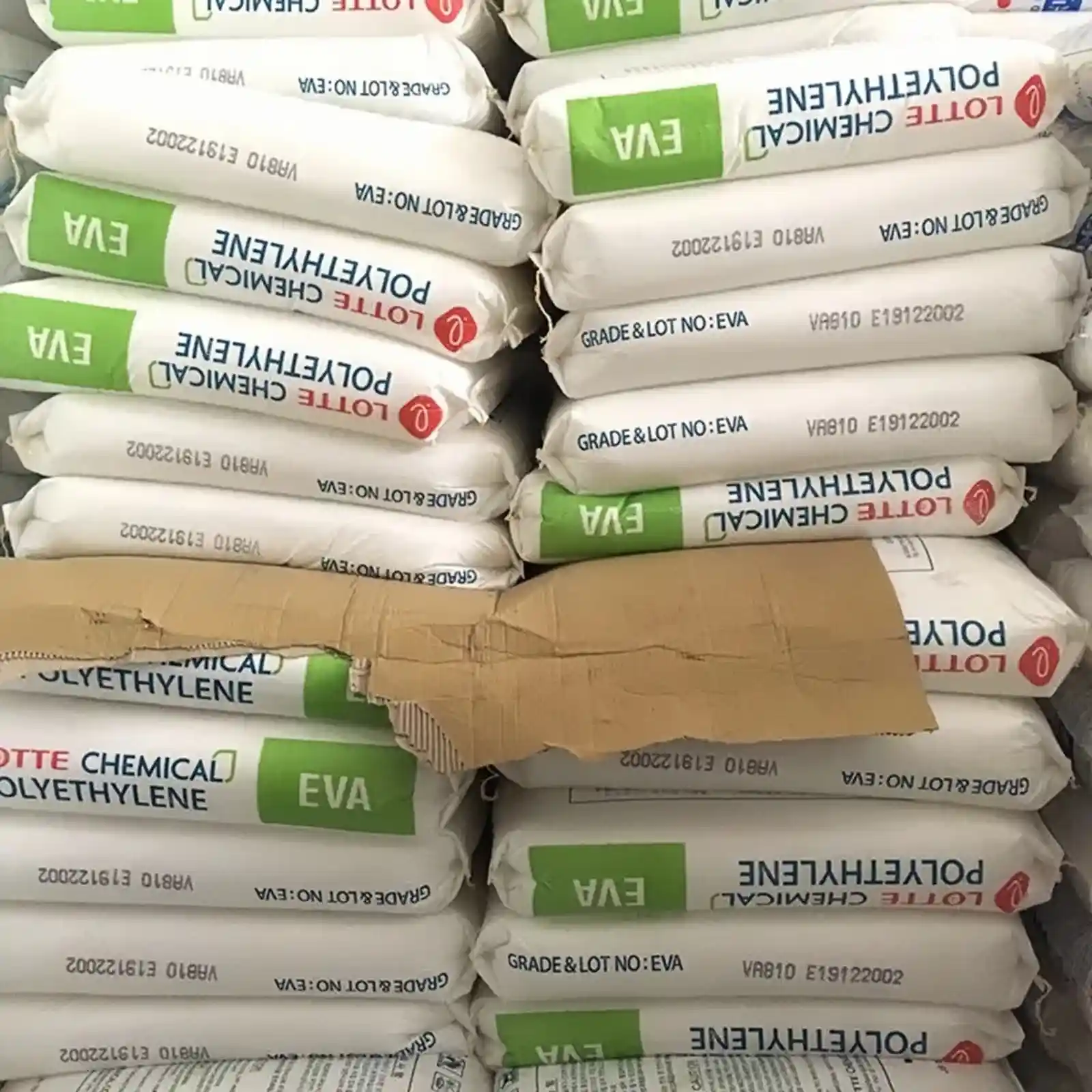
Get the official datasheet for Lotte Chemical EVA VS420 resin. Explore its 21.5% VA content, physical properties, FAQs, and top applications in hot melt adhesives and foaming.
| Manufacturer | Lotte |
|---|---|
| Density | 0.945 g/cm³ |
| MFR | 2.0 g/10min |
| Tensile Strength at Break | 21.1 MPa |
| Elongation at Break | 750 % |
Note: See the product description for additional technical specifications
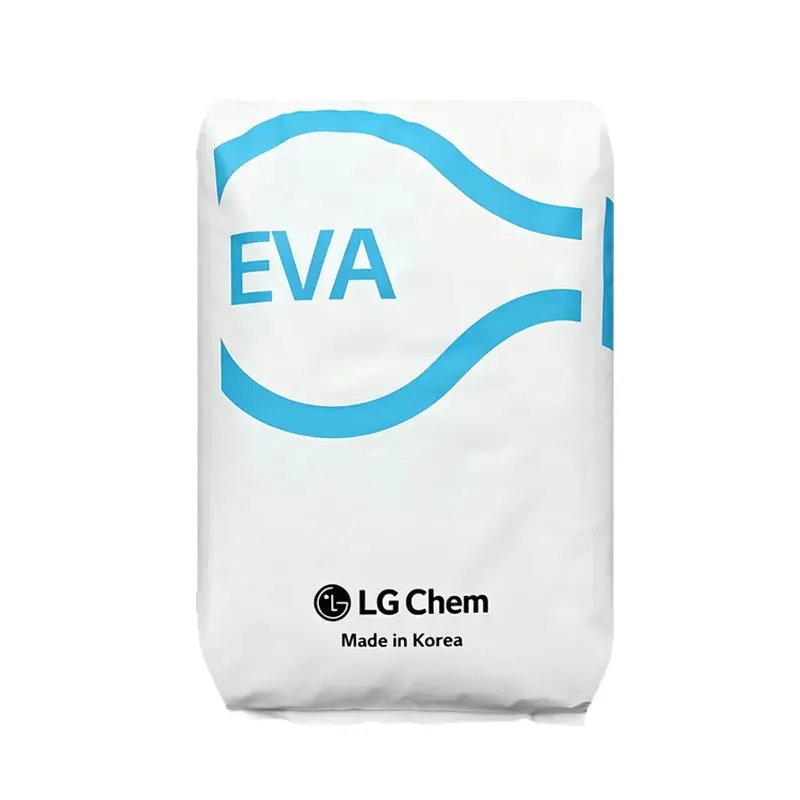
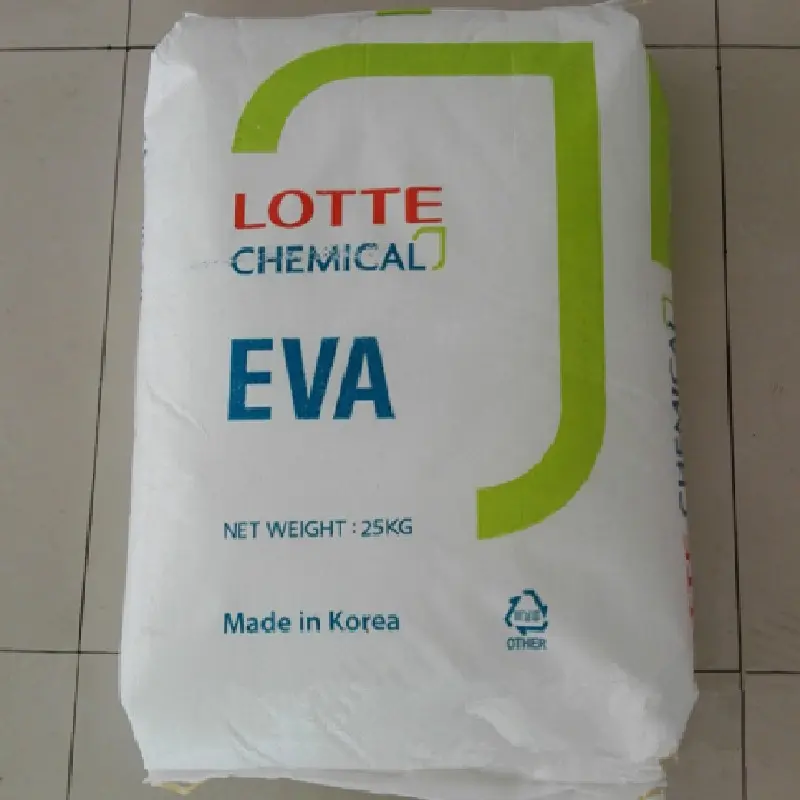
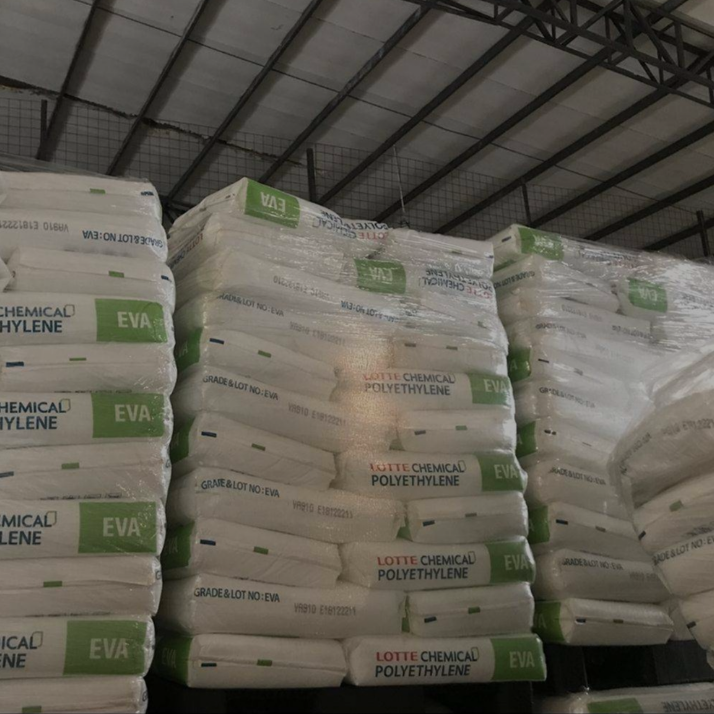
Lotte Chemical EVA VS420 is a high-performance ethylene-vinyl acetate (EVA) copolymer designed for injection molding and extrusion applications, manufactured by the prominent South Korean petrochemical enterprise Lotte Chemical. The material features an appearance of translucent spherical pellets with moderate fluidity, classified as a flexible EVA resin with a medium vinyl acetate content (21.5 wt%).
Within the spectrum of comparable EVA materials, VS420 holds a vital market position owing to its exceptional flexibility, high elongation at break, and low-temperature impact resistance. It is extensively utilized in hot melt adhesives, foamed shoe midsoles, wire and cable jacketing, automotive interior components, and toys. Its balanced mechanical profile and thermal stability make it an ideal alternative to traditional flexible PVC and various elastomers.
| Physical Properties | Test Value | Unit | Test Standard |
| Density | 0.945 | g/cm³ | ASTM D1505 |
| Melt Flow Index (190°C, 2.16 kg) | 2 | g/10min | ASTM D1238 |
| Vinyl Acetate (VA) Content | 21.5 | wt% | Internal Method |
| Shore Hardness D | 33 | — | ASTM D2240 |
| Mechanical Properties | Test Value | Unit | Test Standard |
| Tensile Strength at Break | 21.1 | MPa | ASTM D638 |
| Tensile Strain at Break | 750 | % | ASTM D638 |
| Thermal Properties | Test Value | Unit | Test Standard |
| Vicat Softening Point | 58 | °C | ASTM D1525 |
| Melting Temperature | 79 | °C | Internal Method |
The technical data sheet (TDS) of Lotte Chemical EVA VS420 material from Lotte Chemical corporation, if there are differences, please refer to the official website of Lotte Chemical.
High Elasticity & Outstanding Elongation at Break With an elongation at break reaching 750%, the material resists rupture under severe stretching or bending, rendering it highly suitable for applications requiring repetitive cyclic deformation (e.g., footwear soles, weatherstripping).
Medium VA Content for a Balanced Polar/Non-Polar Profile The 21.5% vinyl acetate content provides excellent compatibility with diverse fillers and tackifying resins, making it exceptionally well-suited for hot melt adhesive formulations and color masterbatch carriers.
Superb Low-Temperature Toughness Featuring a Vicat softening point of 58°C, the material retains its structural flexibility below 0°C, significantly outperforming standard LDPE and ensuring reliability for components used in cold climates.
Wide Processing Window & Excellent Moldability A melt index of 2.0 g/10min (190°C/2.16kg) accommodates various conversion processes such as injection molding, extrusion, blow molding, and foaming. It exhibits low sensitivity to standard screw shear, thereby reducing production scrap rates.
Halogen-Free & Eco-Friendly Compliance Compliant with major environmental directives, including RoHS and REACH, and free from phthalate plasticizers, making it appropriate for children’s toys and food-contact items (subject to specific downstream certifications).
Hot Melt Adhesives (HMA) Utilized as a base polymer combined with tackifiers and waxes, VS420 formulates EVA hot melt adhesives featuring low melting points and high initial tack, widely used in bookbinding, case sealing, labeling, and hygiene products.
Foamed Materials Processed via chemical blowing agents (such as AC foaming agents) through compression or injection molding to produce athletic shoe midsoles, yoga mats, and anti-slip mats, delivering high rebound performance coupled with lightweight properties.
Wire & Cable Jacketing Applied as an insulation bedding or filling layer for telecommunication and low-voltage power cables, leveraging its flexibility, weatherability, and non-corrosive behavior toward metallic conductors.
Automotive Interiors Employed to manufacture dashboard dampening pads, door armrest soft skins, and sealing strips, enhancing tactile feel while absorbing structural vibration and noise (NVH performance).
Toys & Sporting Goods Injection or blow molded into soft toy balls, flying discs, and swim kickboards, eliminating sharp edge hazards associated with rigid plastics while satisfying children’s safety regulations.
A: EVA resins have low moisture absorption (typically <0.1%). However, pre-drying is recommended if the material is exposed to high humidity or stored in open bags for extended periods. It is recommended to use a desiccant dehumidifying dryer at a temperature of 60–70°C for 2–3 hours. Excessive drying temperatures (above 80°C) may induce surface thermal degradation or yellowing and must be avoided.
A:
Flexibility: Due to its VA content, VS420 is significantly softer than LDPE (Shore D33 versus Shore D45–55 for LDPE) and exhibits vastly superior low-temperature impact strength.
Adhesion: The polar ester groups impart far stronger adhesion to substrates such as paper, wood, and metals compared to non-polar polyethylene.
Heat Sealing: It offers a lower heat-seal initiation temperature (approximately 85°C), which optimizes throughput on high-speed automated packaging lines.
However, note that VS420 has lower thermal resistance than LDPE (Vicat softening point of 58°C versus >90°C for LDPE), making it unsuitable for high-temperature sterilization applications.
A:
Food Contact: Lotte Chemical provides compliance declarations for FDA 21 CFR 177.1350 (EVA resins), permitting its use in food packaging and repeatable containers in contact with non-fatty food stimulants. Further validation is recommended if contact with fatty or oily foods is required.
UL Certification: As a flexible EVA, standard grades of VS420 typically do not carry an independent UL Yellow Card listing, which primarily evaluates flame retardancy. If a specific UL 94 rating (such as HB or V-2) is required, flame-retardant modified grades can be requested from Lotte Chemical. Alternatively, customers can submit molded specimens for independent evaluation; at standard thicknesses of 1.5mm, conventional EVA typically exhibits an HB rating.
Submit your inquiry today and receive a professional competitive price tailored to your project requirements.