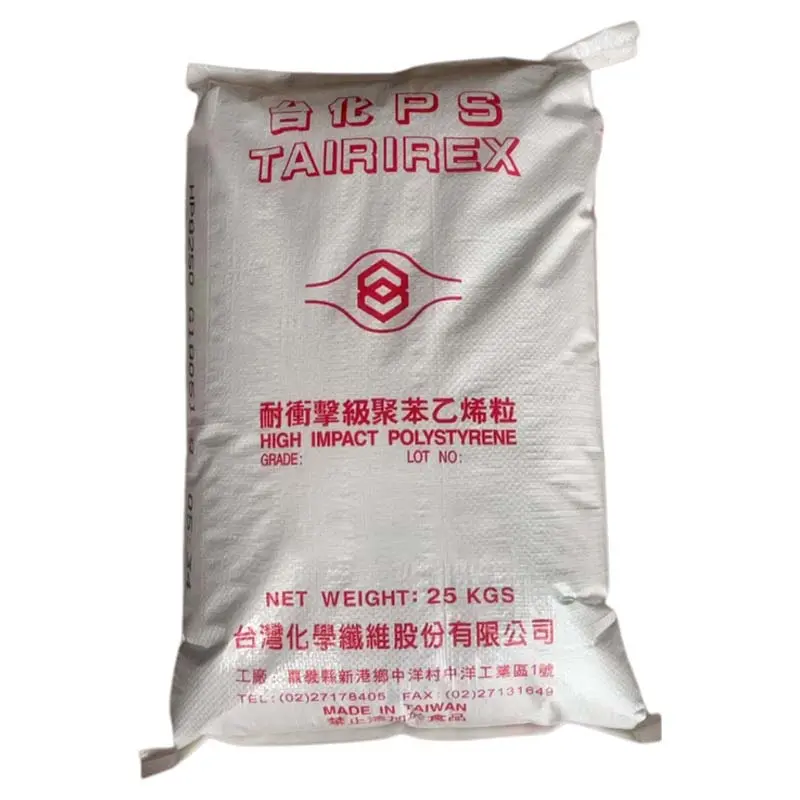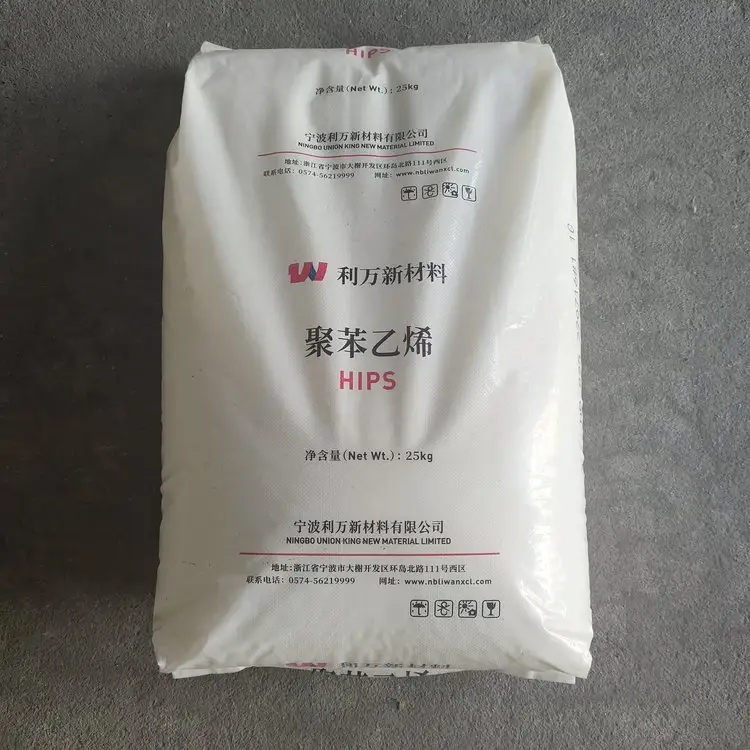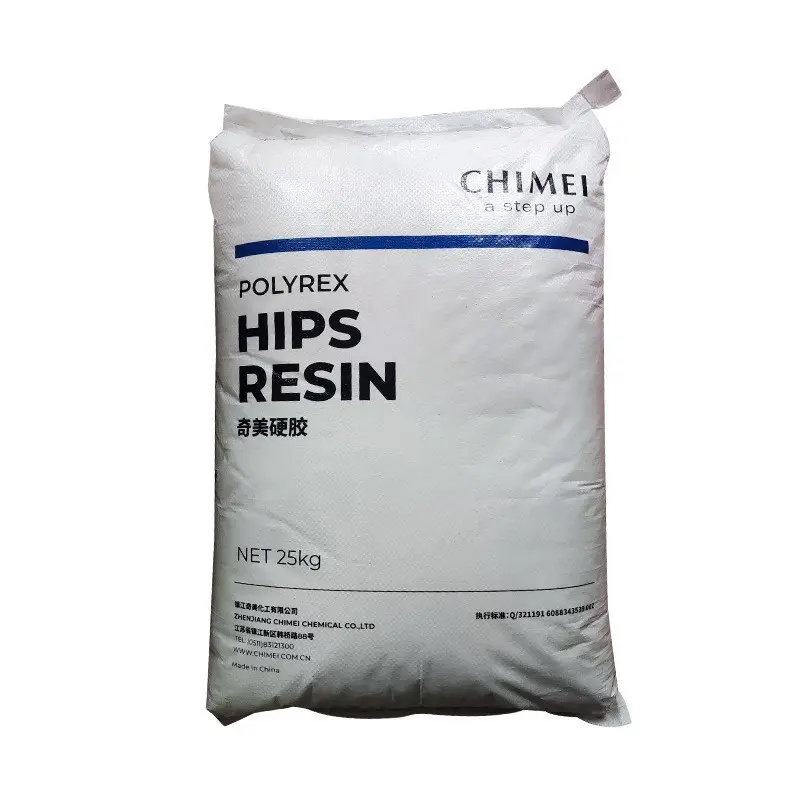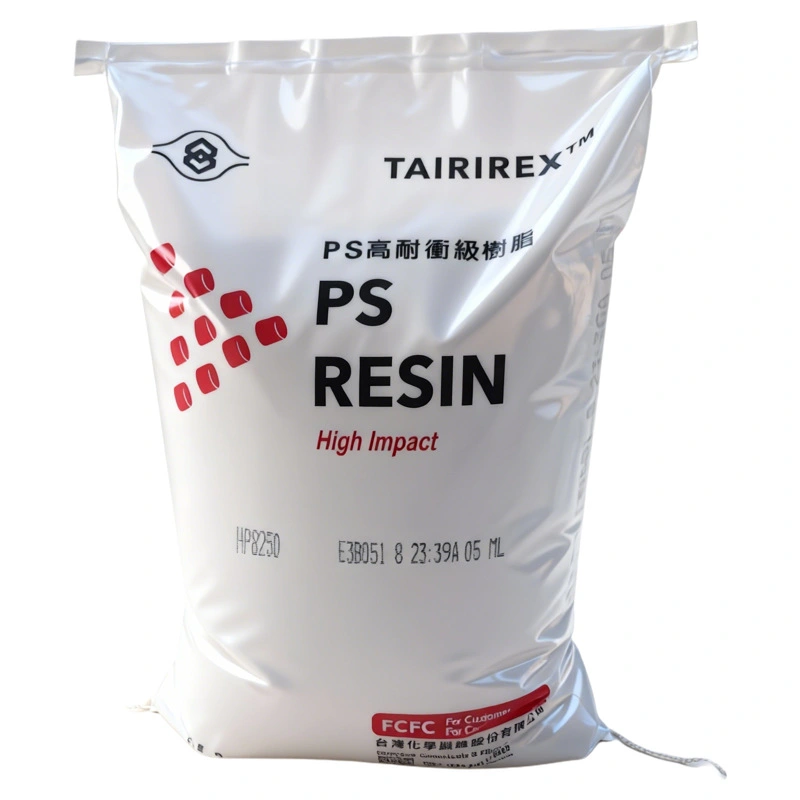
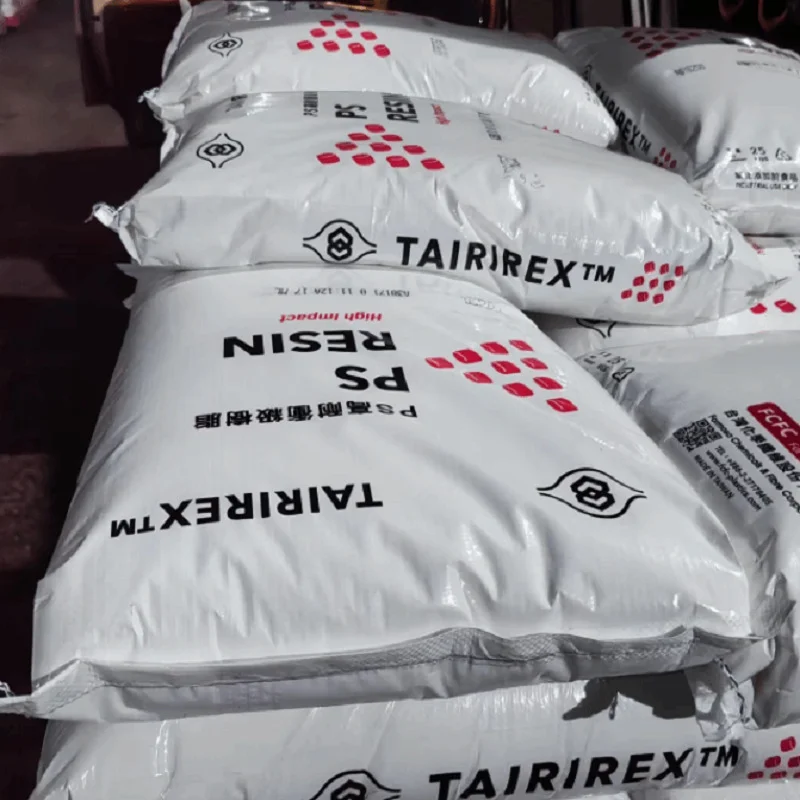
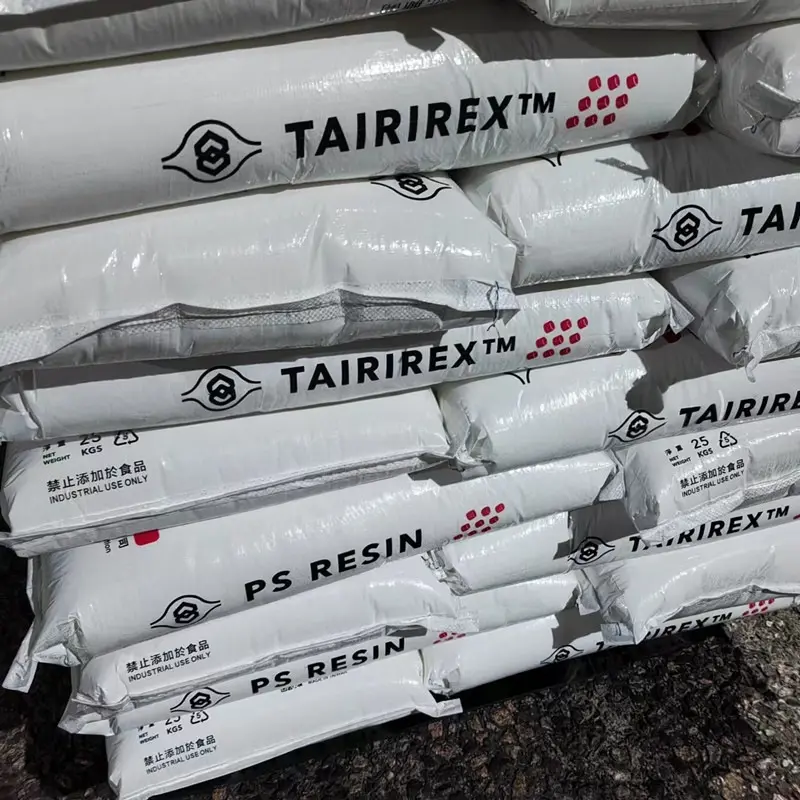
Get official technical data for TAIRIREX® HP8250 HIPS by FCFC. Discover its properties (MFI 5.5), injection molding guidelines, and key applications.
| Manufacturer | Formosa |
|---|---|
| MFR | 5.5 g/10min |
| Elongation at Break | 53 % |
| Flexural Modulus | 2260 MPa |
| Izod Notched Impact | 130 J/m |
Note: See the product description for additional technical specifications
TAIRIREX® HP8250 is a high impact polystyrene (HIPS) resin granule manufactured by Formosa Chemicals & Fibre Corporation (FCFC). Utilizing FINA technology alongside its own advanced and modified technical developments, FCFC achieves a combined annual production capacity of 320,000 tons across its Xingang and Mailiao plants in Taiwan, and 200,000 tons at its Ningbo plant, delivering a significant competitive advantage in quality consistency and supply capacity.
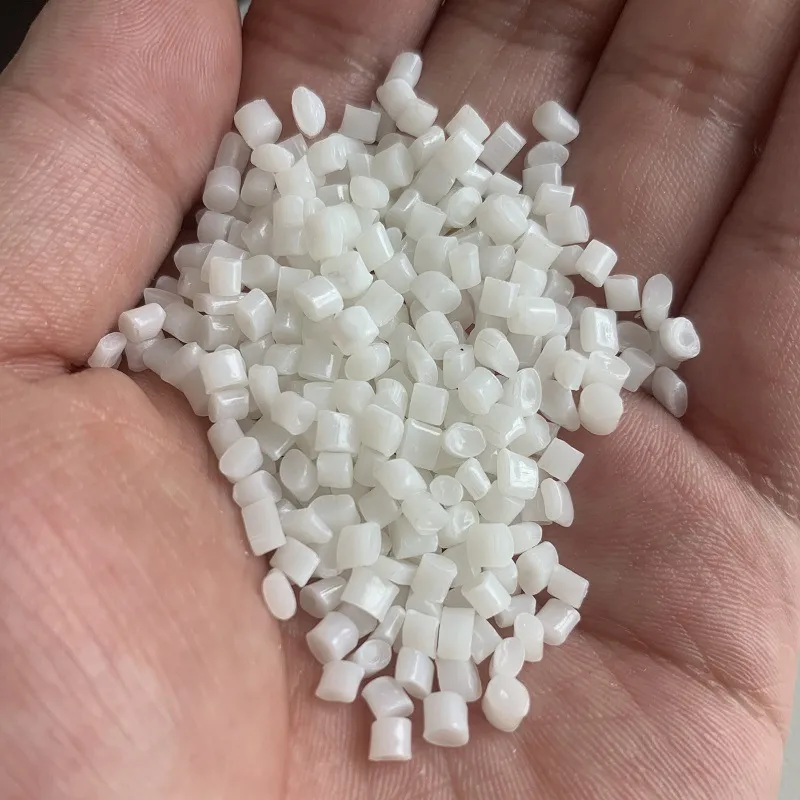
HP8250 is an impact-resistant grade polystyrene featuring a white, opaque granular appearance, inherent flame retardancy, and high impact resistance, making it ideal for general molding and processing applications. Positioned within the industry as a versatile high impact injection molding grade material, its balanced mechanical properties and good processability—evidenced by a melt flow index of 5.5 g/10min—have led to its widespread adoption in manufacturing structural components for various electronics and electrical appliances, including TV housings, home appliance casings, terminal enclosures, and computer mainframe panels.
As a well-established grade within the HIPS family, HP8250 combines the rigidity of polystyrene with the superior impact strength derived from butadiene rubber modification, meeting the production demands of complex industrial parts at a more cost-effective price point, making it a preferred material for numerous electronics and electrical appliance manufacturers.
| Physical Properties | Test Value | Unit | Test Standard |
| Melt Flow Index,Mass(200 °C, 5 kg) | 5.5 | g/10min | ASTM D1238 |
| Mechanical Properties | Test Value | Unit | Test Standard |
| Tensile Modulus (1 mm/min, 23 °C) | 2160 | MPa | ASTM D638 |
| Tensile Modulus (23 °C) | 2200 | MPa | ISO 527-1/1 |
| Tensile Strength (5 mm/min, 23 °C) | 23.5 | MPa | ASTM D638 |
| Tensile Strength (23 °C) | 24 | MPa | ISO 527-2/20 |
| Tensile Strain at Break (5 mm/min, 23 °C) | 53 | % | ASTM D638 |
| Tensile Strain at Break (23 °C) | 33 | % | ISO 527-2/20 |
| Flexural Modulus (23 °C, 1.2 mm/min) | 2260 | MPa | ASTM D790 |
| Flexural Modulus (2 mm/min, 23 °C) | 2200 | MPa | ISO 178 |
| Flexural Strength (23 °C, 1.2 mm/min) | 44.1 | MPa | ASTM D790 |
| Flexural Strength (2 mm/min, 23 °C) | 41 | MPa | ISO 178 |
| Charpy Notched Impact Strength (23 °C, 4 mm) | 8.5 | kJ/m² | ISO 179 |
| Izod Notched Impact Strength (23 °C, 6.35 mm) | 130 | J/m | ASTM D256 |
| Izod Unnotched Impact Strength (23 °C, 4 mm) | 11 | kJ/m² | ISO 180 |
| Thermal Properties | Test Value | Unit | Test Standard |
| Heat Deflection Temperature, Annealed (1.8 MPa, 120 °C/h, 3.18 mm) | 89 | °C | ASTM D648 |
| Heat Deflection Temperature, Annealed (1.8 MPa, 120 °C/h, 4 mm) | 96 | °C | ISO 75-2/A |
| Vicat Softening Point (Annealed 80°±2hr, 1/8″) | 101 | °C | ASTM D1525 |
| Vicat Softening Point (Annealed 80°±2hr, 4 mm) | 98 | °C | ISO 306/A50 |
| Flame Retardancy Rating (0.8-3 mm) | HB | — | UL 94 |
| Other Properties | Test Value | Unit | Test Standard |
| Residual Monomer | <700 | ppm | — |
The technical data sheet (TDS) of TAIRIREX HP8250 material from Formosa Chemicals & Fibre Corporation, if there are differences, please refer to the official website of Formosa Chemicals & Fibre Corporation.
TAIRIREX HP8250 stands out among numerous engineering plastics due to its excellent material characteristics. Its core selling points include:
High Impact Strength: Modified with butadiene rubber, HP8250 delivers an Izod notched impact strength of 130 J/m (ASTM D256) and a Charpy notched impact strength of 8.5 kJ/m² (ISO 179). It effectively resists cracking and damage caused by external forces, making it particularly suitable for frequently stressed electronic enclosures and structural parts.
Excellent Melt Processability: A melt flow index of 5.5 g/10min (200°C/5kg) provides well-balanced flow properties. This ensures the melt completely fills every corner of the mold cavity during injection molding to avoid defects, without causing excessive flash due to over-fluidity. The recommended melt processing temperature ranges from 180 to 220°C, and the mold temperature is 20 to 70°C, offering a broad and forgiving processing window.
Good Stiffness Retention: With a tensile modulus of 2160–2200 MPa and a flexural modulus of 2200–2260 MPa, HP8250 maintains outstanding rigidity alongside high toughness. It resists bending or deformation under external loads, ensuring the dimensional stability and structural integrity of the final product.
Low Residual Monomer Content: Keeping residual monomer levels below 700 ppm is a relatively low threshold for HIPS products. This significantly reduces the release of volatile organic compounds (VOCs) during processing, enhancing workplace safety and facilitating compliance with environmental standards such as RoHS.
UL94 HB Flame Rating: Certified with a UL94 HB flame retardancy rating (UL File No. E162823), the material provides standard flame resistance within a thickness range of 0.8–3 mm, meeting the essential fire safety specifications required for electronic and electrical products.
Thanks to its exceptional all-around performance, TAIRIREX HP8250 is widely utilized across multiple industrial sectors:
HP8250 is an ideal material for consumer electronics, including TV housings, computer mainframe panels, terminal enclosures, and LCD monitor bezels. Its high impact strength protects products from accidental damage during daily use and transit, while its HB flame rating ensures necessary fire safety compliance.
Large household appliance structures, such as air conditioner housings and appliance accessories, represent major application fields for HP8250. Its excellent dimensional stability and processing fluidity allow it to meet the molding requirements of large-scale injection molded parts while maintaining a smooth and aesthetically pleasing surface finish.
The white opaque appearance, excellent impact toughness, and low residual monomer properties make HP8250 a suitable selection for children’s items such as toys and stroller components. The odorless and non-toxic material qualities ensure product safety during use.
In the industrial equipment sector, HP8250 can be used to manufacture various machinery enclosures, instrument panel components, and mechanical structural elements. Its strong comprehensive mechanical properties and cost-efficiency make it an ideal alternative to certain engineering plastics.
HP8250 is also highly suitable for the production of structural foam components, demonstrating distinct advantages in application scenarios where lightweight design and structural strength are equally critical.
Q1: What are the recommended drying conditions and processing temperatures for TAIRIREX HP8250?
As a HIPS material, HP8250 has low moisture absorption and generally does not require drying prior to use. However, if storage conditions are sub-optimal or the material surface has absorbed excess moisture, pre-drying at 75°C for 1–2 hours is recommended. The recommended processing parameters are a melt temperature of 180–220°C and a mold temperature of 20–70°C. The suggested barrel temperature profile is: Rear 185°C, Middle 200°C, Front 215°C, and Nozzle 210°C. A moderate injection speed is recommended to achieve the best molding results.
Q2: Does HP8250 comply with RoHS and UL regulations?
Yes. TAIRIREX HP8250 has obtained RoHS compliance certification, meeting the requirements of the European Union’s Restriction of Hazardous Substances Directive. Furthermore, the material is certified with a UL94 HB flame retardancy rating under UL File Number E162823. Its low residual monomer content (<700 ppm) further strengthens its profile regarding environmental compliance.
Q3: What limitations or precautions apply to the typical applications of HP8250?
While HP8250 performs excellently in indoor environments, certain limitations should be noted. First, unmodified HIPS materials possess poor UV resistance and are not recommended for long-term outdoor applications involving direct sunlight exposure. Second, its heat resistance is limited compared to engineering plastics (with a Vicat softening point of approximately 98–101°C), making it suitable for standard temperature ranges but unsuitable for continuous high-temperature environments. Additionally, HP8250 exhibits moderate resistance limits against certain organic solvents and greasy substances; care should be taken to avoid contact with aggressive solvents. For applications requiring enhanced outdoor durability or elevated heat resistance, specialized grades featuring UV stabilization or heat modification are recommended.
Submit your inquiry today and receive a professional competitive price tailored to your project requirements.