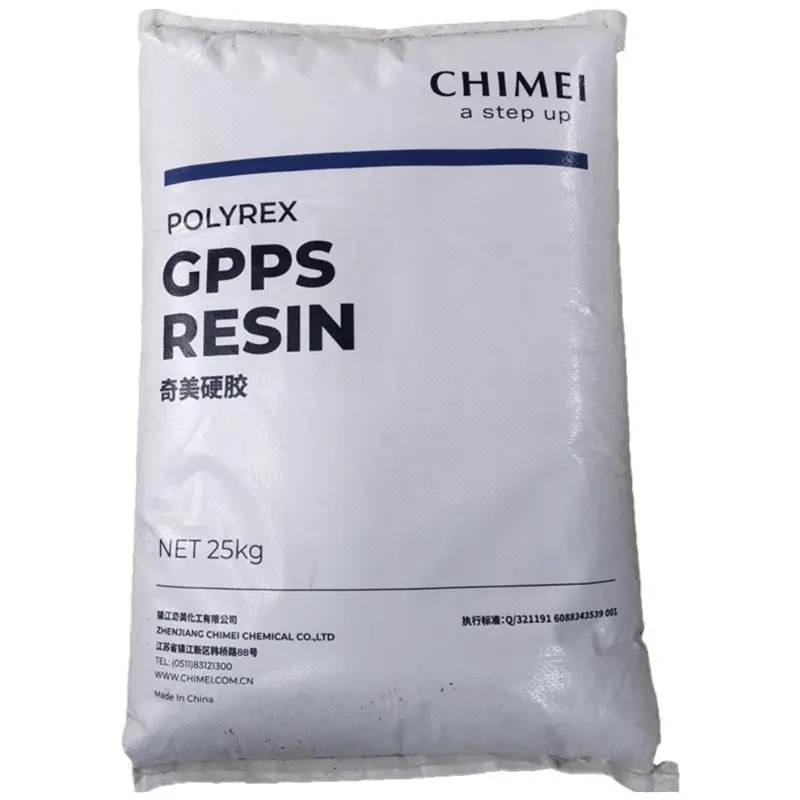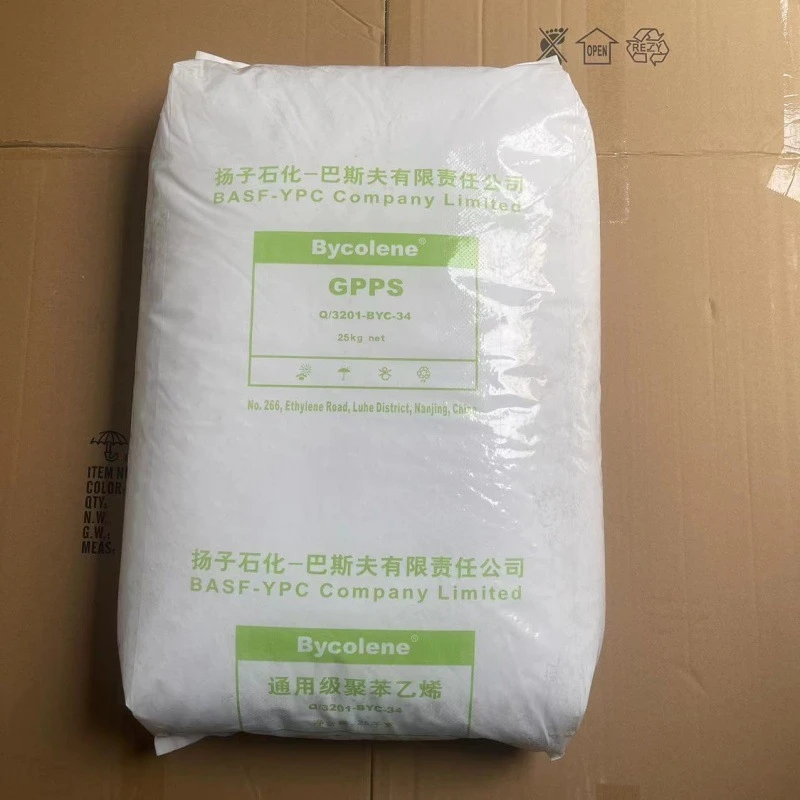
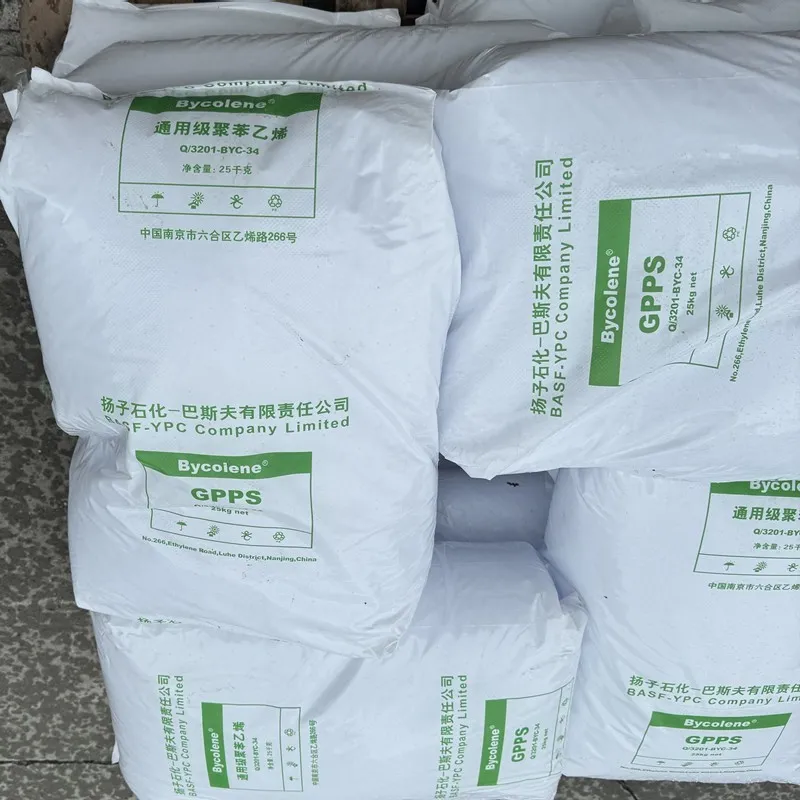
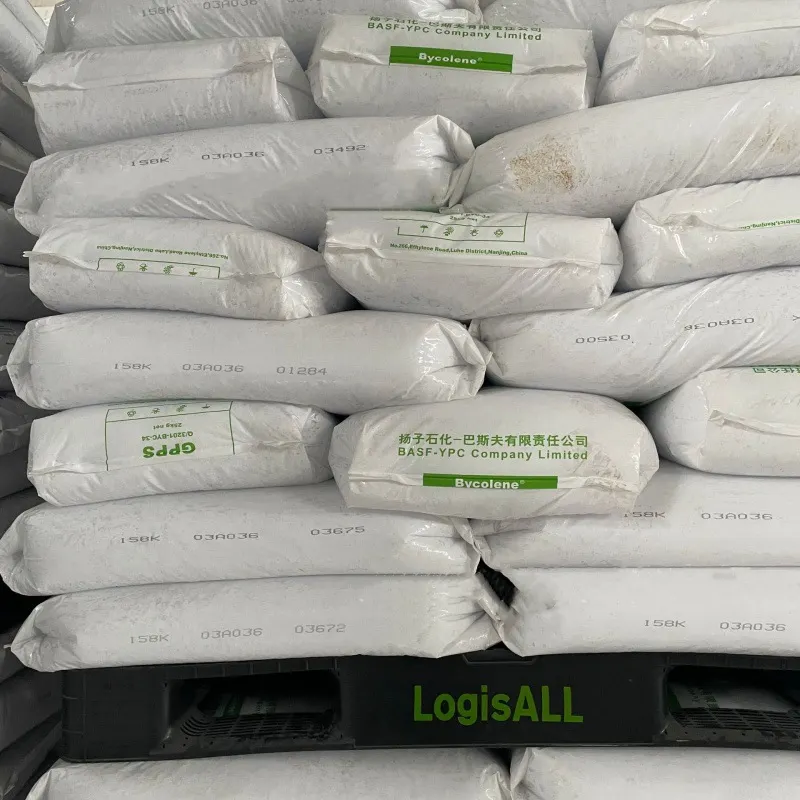
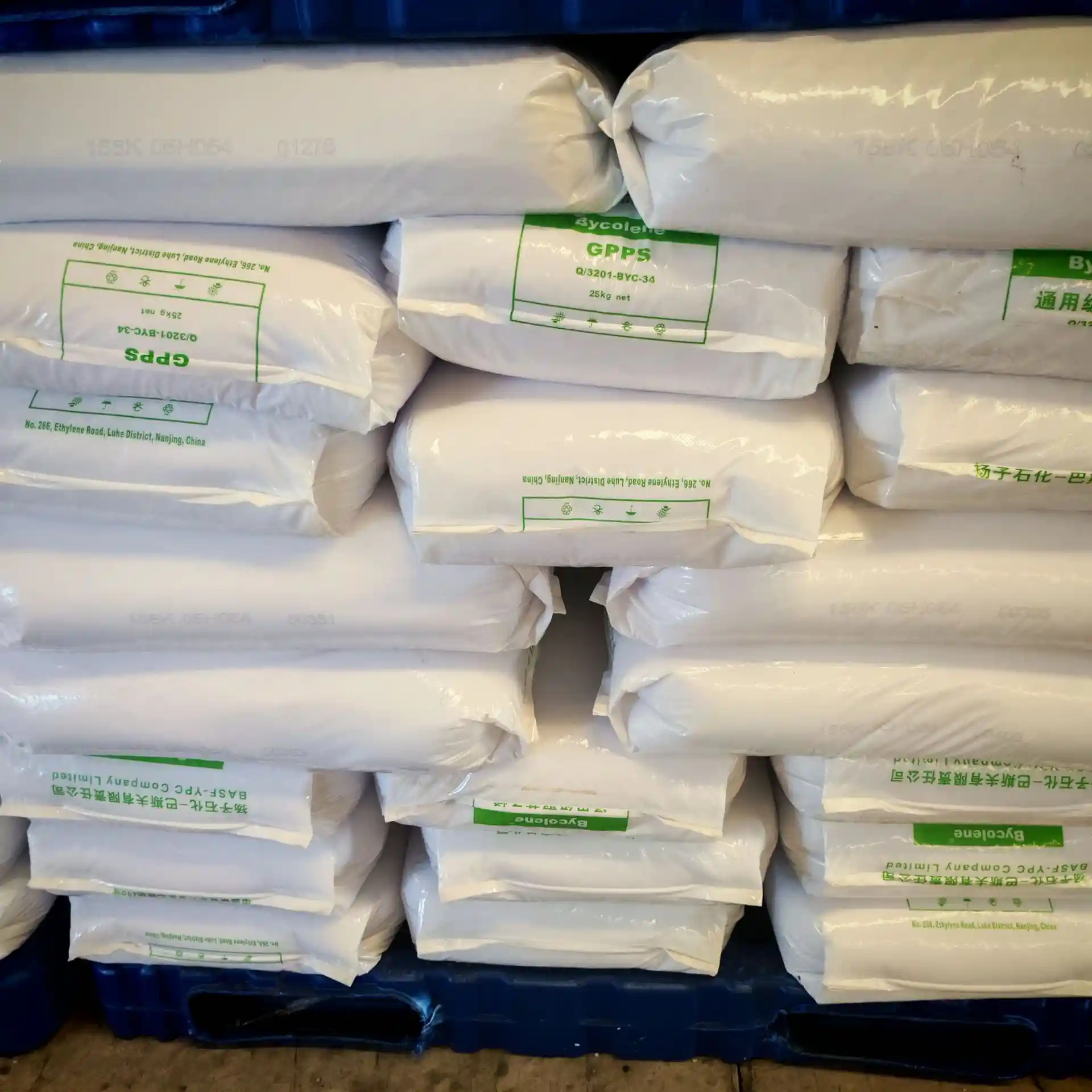
Technical guide for BASF-YPC GPPS 158K resin. Optimize your production with its 3 g/10min melt flow rate, fast-cycling processing, and low shrinkage.
| Manufacturer | BASF-YPC |
|---|---|
| Density | 1.05 g/cm³ |
| MFR | 3.0 g/10min |
| Tensile Strength at Yield | 55 MPa |
| Elongation at Break | 3.0 % |
Note: See the product description for additional technical specifications
BASF-YPC GPPS 158K is a General Purpose Polystyrene (GPPS) resin manufactured by BASF-YPC Company Limited. Supplied in the form of transparent granules, this material features excellent optical clarity, high gloss, robust rigidity, and good heat resistance.
As a classic and mature grade within the BASF GPPS portfolio, 158K has earned a solid reputation in mid-to-high-end transparent injection molding, medical consumables, food packaging, and extruded sheet applications due to its consistent quality, fast-cycling processing characteristics, and high-purity base resin. Delivering a well-balanced combination of clarity, mechanical strength, and melt flow, it serves as an ideal material choice for high-volume, high-precision transparent plastic parts.
Primary Application Fields: Medical devices, laboratory consumables, food containers, transparent household appliance components, stationery and toys, extruded sheets, and foamed products.
| Physical Properties | Test Value | Unit | Test Standard |
| Water Absorption | < 0.1 | % | ISO 61 |
| Melt Mass-Flow Rate (200°C / 5kg) | 3 | g/10min | ISO 1133 |
| Density | 1.05 | g/cm³ | ISO 1183 |
| Mold Shrinkage | 0.3–0.6 | % | Internal Method |
| Rockwell Hardness (L Scale) | 100 | — | ASTM D785 |
| Mechanical Properties | Test Value | Unit | Test Standard |
| Tensile Stress at Yield | 55 | MPa | ISO 527 |
| Tensile Modulus | 3300 | MPa | ISO 527 |
| Tensile Strain at Break | 3 | % | ISO 527 |
| Flexural Strength | 103 | MPa | ISO 178 |
| Charpy Notched Impact Strength (23°C) | 3 | kJ/m² | ISO 179 |
| Charpy Unnotched Impact Strength (23°C) | 17 | kJ/m² | ISO 179 |
| Thermal Properties | Test Value | Unit | Test Standard |
| Heat Deflection Temperature (0.45 MPa) | 98 | °C | ISO 75 |
| Vicat Softening Temperature | 101 | °C | ISO 306 |
| Flammability Class | HB | — | UL 94 |
| Electrical Properties | Test Value | Unit | Test Standard |
| Volume Resistivity | > 1.0×10¹⁴ | ohms·cm | IEC 6093 |
The technical data sheet (TDS) of GPPS 158K material from BASF-YPC corporation, if there are differences, please refer to the official website of BASF.
Outstanding Optical Clarity GPPS 158K delivers exceptional light transmission and a high surface gloss, resulting in crystal-clear finished products that match the visual appeal of glass. It is perfectly suited for applications demanding seamless internal monitoring or a premium appearance, such as medical labware, transparent containers, and display items.
High Rigidity and Structural Strength Boasting a tensile modulus of 3300 MPa and a flexural strength of 103 MPa, this resin provides end products with excellent resistance to deformation and high structural rigidity, comfortably satisfying the mechanical requirements of thin-walled or load-bearing parts.
Superior Thermal Performance With a Vicat softening temperature of 101°C and a heat deflection temperature of 98°C, this grade outperforms conventional GPPS materials under heat. It can withstand routine hot water exposure and standard sterilization processes, making it highly reliable for elevated-temperature medical and food-contact use.
Minimal Water Absorption & Dimensional Stability Featuring low water absorption (< 0.1%) and a well-controlled shrinkage rate of 0.3–0.6%, the material maintains its dimensions across varying humidity levels without warping or distorting. Furthermore, pre-drying is generally unnecessary under normal conditions, simplifying production workflows.
Good Processing Flow & Fast Cycle Times A melt flow index (200°C/5kg) of 3 g/10min ensures a balanced combination of melt flow and rapid solidification. It processes reliably across injection molding, extrusion, and foaming operations, helping manufacturers minimize molding cycles and boost output.
Regulatory Compliance & High Purity The exceptionally pure base resin can easily fulfill strict food-contact regulations (e.g., EU 10/2011, FDA 21 CFR 177.1640, GB 4806.6) as well as environmental mandates like RoHS, ensuring a safe and certified material solution for medical and food packaging compliance.
GPPS 158K is widely specified for disposable medical apparatus (such as syringe plunger shields and three-way valves) along with petri dishes, centrifuge tubes, and cuvettes. Its glass-like transparency allows for easy fluid tracking, its heat profile tolerates specific sanitization routines, and its inherent purity meets fundamental medical-grade requirements.
Compliant with global food-contact safety standards, this material is widely used for clear food containers, disposable beverage cups, container lids, salad bowls, and egg trays. Its rigidity and clarity enhance product presentation on shelves, while its low moisture absorption ensures packaging integrity in chilled or humid environments.
In the appliance industry, 158K is utilized in transparent refrigerator drawers, internal water dispenser components, and appliance control panels where both clarity and thermal stability are required. For consumer electronics, it is used for headphone housings, mouse shells, and transparent toy parts, leveraging its high gloss, easy colorability, and stable dimensions.
Items such as pen barrels, rulers, clear organizer boxes, photo frames, cosmetic bottle caps, and compact cases rely heavily on GPPS 158K. Its excellent mold-filling capability makes it easy to produce complex, thin-walled designs while lending a premium texture to everyday products.
This grade can be processed standalone or blended with HIPS or styrene copolymers to produce extruded transparent sheets for thermoformed packaging and food trays. It is also highly effective for physical or chemical foaming processes to manufacture lightweight foam items, such as XPS insulation boards and protective cushioning.
Q1: Does GPPS 158K require pre-drying prior to processing?
A: Thanks to its minimal water absorption (< 0.1%), the resin is typically ready for immediate use without pre-drying, provided it has been stored under normal conditions (dry, cool space in unopened packaging). If the packaging is compromised or exposed to high humidity for an extended period, pre-drying at 70–80°C for 2–4 hours is recommended to eliminate surface silver streaks or bubbles.
Q2: Is this material compliant with food-contact safety standards?
A: Yes, the base resin of GPPS 158K is formulated to comply with major food-contact regulations including FDA 21 CFR 177.1640, EU No 10/2011, and China’s GB 4806.6-2016. For batch-specific regulatory certificates or compliance declarations, please request them directly from your material supplier.
Q3: Can GPPS 158K be blended or modified with other polymers?
A: Yes, it blends easily. It is frequently blended with HIPS to enhance impact performance, or with SBC (Styrene-Butadiene Copolymers, like Styrolux) to achieve tough yet transparent formulations. Additionally, color masterbatches can be blended in smoothly to produce vibrant translucent or solid-colored parts.
Q4: What is the recommended melt and mold temperature range for injection molding?
A: For standard injection molding, the melt temperature should generally be maintained between 180–260°C, with a mold temperature setting of 10–60°C. Settings should be fine-tuned based on part geometry, runner layout, and machine specifications. Excessive temperatures may lead to yellowing or thermal degradation, while insufficient heat can compromise cavity filling and optics.
Q5: What are the key advantages of GPPS 158K compared to standard GPPS grades?
A: The defining edge of GPPS 158K lies in its premium “high clarity + high heat resistance + high stiffness” combination. Its Vicat softening temperature is roughly 5–10°C higher than standard GPPS grades (which typically sit around 90–95°C), and it features a higher tensile modulus that translates to superior structural rigidity for demanding transparent parts.
Q6: Does the product carry UL Yellow Card and RoHS certifications?
A: The material achieves a flammability rating of UL 94 HB, and official UL documentation can be provided upon request. It is also fully compliant with RoHS and REACH environmental regulations; please contact your supplier to obtain copies of these specific compliance certificates.
Submit your inquiry today and receive a professional competitive price tailored to your project requirements.