In the field of plastic packaging and industrial production, Polyethylene (PE) is the most widely used polymer material. However, when faced with HDPE (High-Density Polyethylene), LDPE (Low-Density Polyethylene), and LLDPE (Linear Low-Density Polyethylene), many buyers and manufacturers find it difficult to distinguish between them accurately. This article will deeply analyze the core differences between these three from four dimensions: molecular structure, physical properties, processing performance, and application scenarios, helping you choose the most suitable material solution for complex industrial needs.
Core Definitions and Molecular Structure Differences
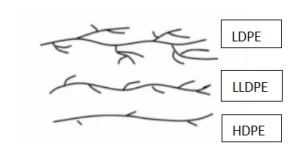
The performance differences of polyethylene are essentially rooted in the “degree of branching” of its molecules, which directly determines the final physical strength and flexibility of the material.
- HDPE (High-Density Polyethylene): The molecular chains have almost no side branches and are packed extremely tightly. This structure gives it high density and strong intermolecular forces, making it exhibit “rigid” characteristics with excellent hardness.
- LDPE (Low-Density Polyethylene): It has a long and complex branched structure. These branches prevent the tight packing of molecular chains, resulting in lower density and a relatively loose structure, which provides excellent flexibility and transparency.
- LLDPE (Linear Low-Density Polyethylene): The structure lies between the two. It has a linear main chain but with many short and uniform side branches. This “linear” structure makes it tougher than LDPE while maintaining good film processing characteristics.
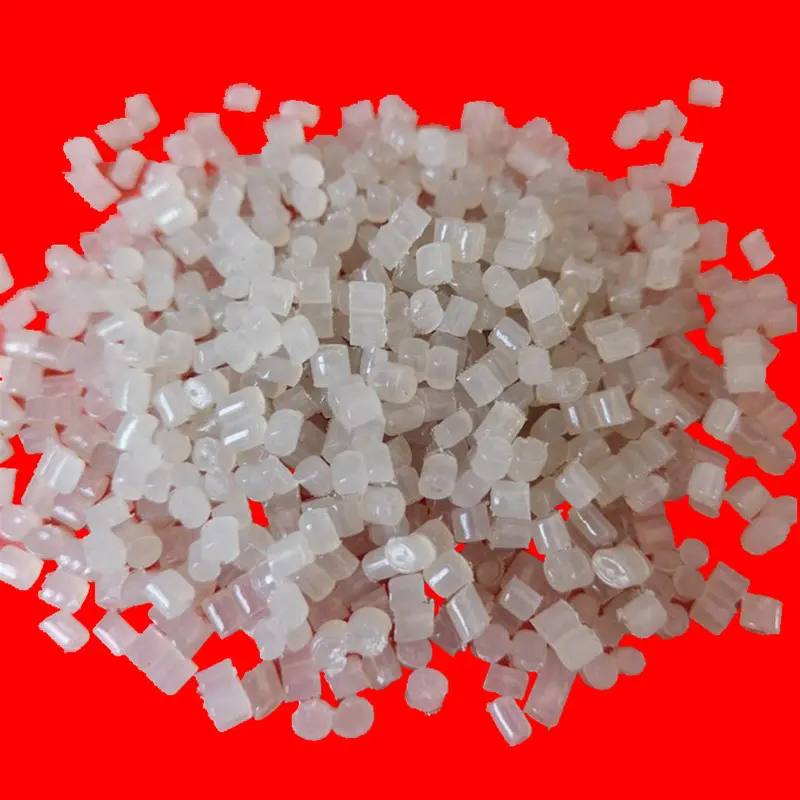
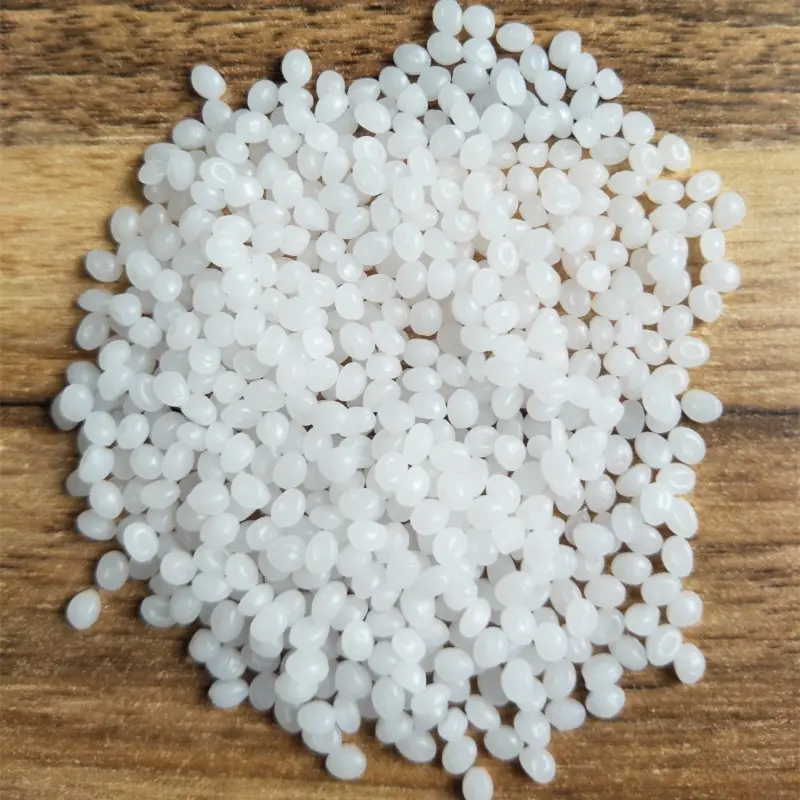
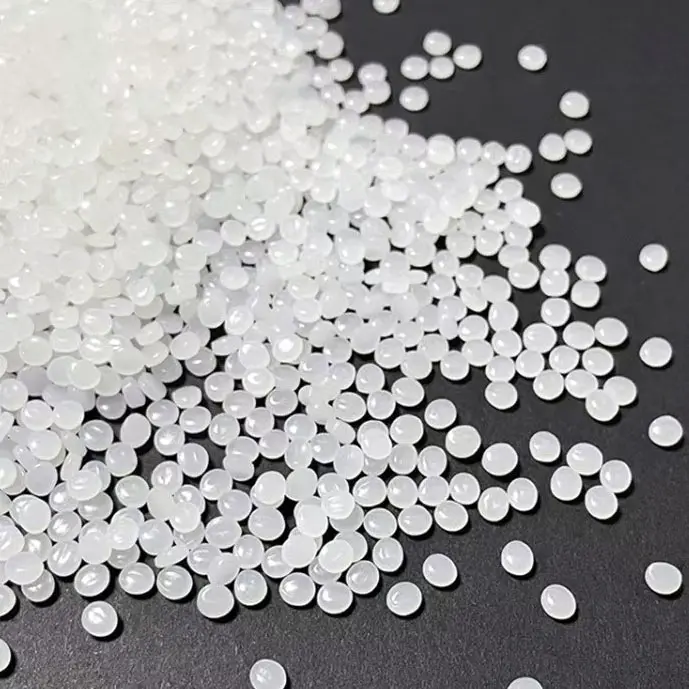
Performance Comparison: Hardness, Toughness, and Transparency
To intuitively understand the differences between these three, we can refer to the following comparison table of key physical indicators:
| Property Index | HDPE | LDPE | LLDPE |
| Density (g/cm³) | Highest (0.941–0.965) | Lowest (0.910–0.940) | Medium (0.915–0.925) |
| Tensile Strength | Very strong, high rigidity | Relatively weak, easy to stretch | Strong, excellent tear resistance |
| Heat Resistance | Excellent (up to 120°C) | Fair (approx. 80°C) | Good (better than LDPE) |
| Transparency | Translucent/Opaque | High transparency | Slightly less than LDPE |
| Puncture Resistance | Fair | Relatively weak | Excellent |
Typical Application Scenario Analysis
1. HDPE: The Leader in Industrial and Rigid Packaging
Due to its high strength and strong chemical corrosion resistance, HDPE is commonly used in scenarios requiring durability and pressure resistance:
- Rigid Containers: Shampoo bottles, detergent tubs, motor oil bottles.
- Municipal Engineering: Water supply and drainage pipes (HDPE pipes), gas pipes.
- Household Goods: Plastic buckets, trash cans, folding chairs, and pallets.
2. LDPE: Flexible Packaging and Coating Expert
The high transparency and excellent fluidity of LDPE make it the first choice for film extrusion processes:
- Film Products: Food wrap, heat shrink film, lightweight supermarket shopping bags.
- Coating Applications: Waterproof internal coatings for paper packaging (such as paper milk cartons).
- Medical/Daily Chemical: Squeeze bottles (such as eye drop bottles, skincare tubes).
3. LLDPE: The Cornerstone of High-Performance Film
LLDPE’s puncture resistance and low-temperature toughness make it shine in the logistics and agricultural sectors:
- Industrial Packaging: Stretch film, pallet wrap, heavy-duty shipping bags.
- Agricultural Use: Agricultural greenhouse films, mulch films (required to resist UV and physical damage for long periods).
- Cable Sheathing: Protecting wires by utilizing its excellent environmental stress crack resistance.
How to Choose Based on Project Requirements?
In actual procurement and production formulas, you can judge based on the following logic:
- Pursuing “Strength and Rigidity”: If you need load-bearing, wear resistance, and resistance to strong acids/alkalis, choose HDPE.
- Pursuing “Visuals and Feel”: If you need high transparency, a soft touch, and easy heat-sealing processing, choose LDPE.
- Pursuing “Toughness and Durability”: Especially in film production, if you want to reduce packaging breakage rates and lower thickness costs, LLDPE is the best balance point.
Conclusion
HDPE, LDPE, and LLDPE are not simple substitutes for one another; they are complementary. HDPE provides structural stability and industrial strength, LDPE provides superior processing flexibility, and LLDPE finds the perfect advanced solution between strength and toughness.
As a professional plastic raw material partner, deeply understanding these differences can significantly improve your production efficiency and reduce material loss. Welcome to consult the ZiJun Plastics professional technical team to obtain customized material formulation suggestions.