Why Engineers Are Reconsidering Material Choices
In modern manufacturing, one common challenge keeps appearing:
Standard plastics fail too early, while metal parts are too heavy, expensive, or prone to corrosion.
This is especially true in industries like aerospace, automotive, and semiconductor manufacturing, where components must withstand:
- Continuous high temperatures
- Mechanical stress and friction
- Aggressive chemical environments
As a result, engineers and buyers are increasingly searching for one key solution:
A material that balances durability, weight reduction, and long-term cost efficiency
This is where PEEK WG1 (Polyetheretherketone) starts to enter the conversation—not as a “premium material,” but as a problem-solving material.
Common Failure Scenarios (And Why Traditional Materials Don’t Work)
Before choosing PEEK, most users have already experienced material failure. Here are typical scenarios:
1. Heat Deformation in High-Temperature Environments
Result: Frequent replacement and downtime
2. Metal Corrosion or Overweight Design
- Metal parts corrode in chemical environments
- Excess weight increases energy consumption
Result: Higher maintenance cost and inefficiency
3. Wear & Friction Issues in Moving Parts
- Gears and bearings wear out quickly
- Lubrication requirements increase
Result: Reduced system lifespan
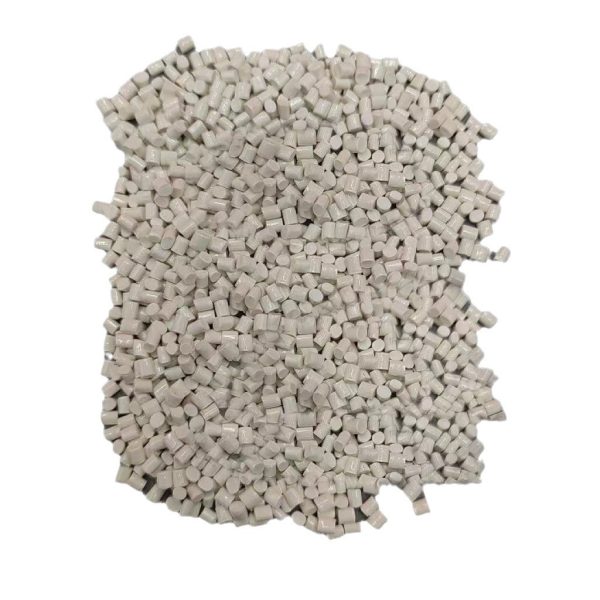
When Do You Really Need PEEK WG1? A Practical Material Selection Guide for High-Performance Applications
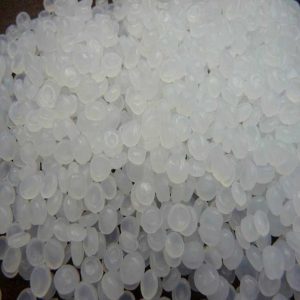
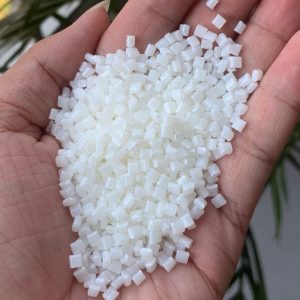
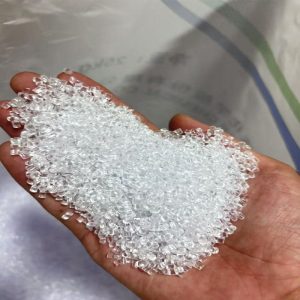
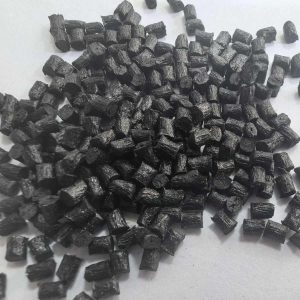
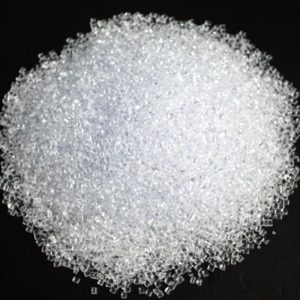
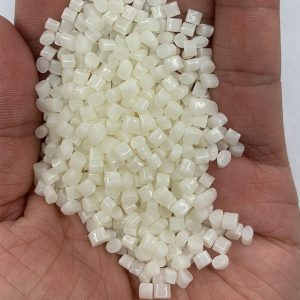
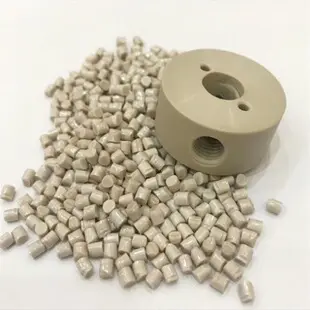
PEEK WG1 (Polyetheretherketone) is a high-performance engineering plastic with superior heat resistance, strength, and chemical stability. Supplied by ZiJun Plastics for aerospace, automotive, electronics, and industrial applications.
What Makes PEEK WG1 a Strategic Material Choice?
Instead of viewing PEEK WG1 simply as a “high-performance plastic,” it is more useful to understand it as:
A material designed to reduce long-term system risk
Key Value from a Practical Perspective:
- Thermal Stability
Maintains structure under continuous high temperatures - Mechanical Reliability
Performs consistently under load and stress - Chemical Resistance
Suitable for aggressive industrial environments - Wear Resistance
Ideal for dynamic and moving components
Real-World Application Logic (Not Just Industries)
Rather than listing industries, let’s look at when you should actually consider PEEK WG1:
Scenario 1: Replacing Metal to Reduce Weight
Use PEEK WG1 when:
- You need high strength but lighter components
- Energy efficiency or mobility is critical
Scenario 2: Extending Maintenance Cycles
Use it when:
- Parts fail too frequently
- Downtime is costly
PEEK reduces replacement frequency significantly
Scenario 3: Operating in Extreme Environments
Use it when:
- Temperature exceeds 200°C
- Chemicals or solvents are involved
Scenario 4: Precision Components with Tight Tolerances
Use it when:
- Dimensional stability is critical
- Thermal expansion must be controlled
PEEK vs “Good Enough” Materials: A Cost Reality Check
One of the biggest misconceptions is:
“PEEK is too expensive”
But experienced buyers evaluate it differently:
| Cost Factor | Traditional Materials | PEEK WG1 |
| Initial Cost | Low | High |
| Replacement Frequency | High | Very Low |
| Maintenance Cost | High | Low |
| Downtime Risk | High | Minimal |
Conclusion:
PEEK WG1 often reduces total lifecycle cost, even if the upfront price is higher.
Processing Considerations: Is It Worth the Effort?
Yes—PEEK is not the easiest material to process.
It requires:
- High processing temperatures
- Controlled drying conditions
- Specialized equipment
However, for manufacturers already working with engineering plastics, this is not a barrier—it’s a manageable upgrade.
The key point is:
Processing complexity is predictable, but material failure is not.
Who Should Seriously Consider PEEK WG1?
This material is not for everyone. It is best suited for:
- Manufacturers facing reliability issues
- Engineers designing for extreme environments
- Buyers focused on long-term cost optimization rather than short-term savings
Why More Global Buyers Choose ZiJun Plastics
At ZiJun Plastics, we don’t just supply materials—we help customers answer a more important question:
“Is PEEK really the right choice for your application?”
We provide:
- Application-based material recommendations
- Stable global supply of high-performance plastics
- Technical guidance for processing and replacement
FAQ
1. Is PEEK WG1 always better than other plastics?
No. It is only better in high-demand environments. For standard applications, it may be over-specified.
2. Can PEEK fully replace metal?
In many cases yes, especially where weight, corrosion, or wear are concerns.
3. What is the biggest advantage of PEEK WG1?
Long-term reliability and reduced failure risk.
4. Is PEEK suitable for mass production?
Yes, if proper processing conditions are established.
5. How do I know if I should switch to PEEK?
If your current material fails under heat, stress, or chemicals—PEEK is worth evaluating.