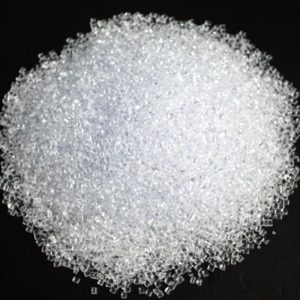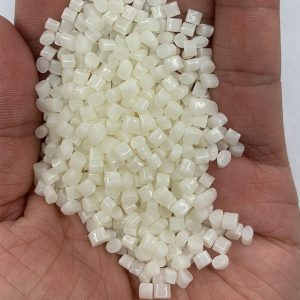
In the world of engineering plastics, Nylon (Polyamide) is renowned for its exceptional mechanical strength and wear resistance. However, the question that most frequently puzzles engineers is: Should I choose PA6 or PA66?
While they are chemically similar, PA6 (Polyamide 6) is formed by the ring-opening polymerization of caprolactam, whereas PA66 (Polyamide 66) is formed by the polycondensation of hexamethylenediamine and adipic acid. This slight difference in molecular structure creates a significant divide in thermal performance, moisture absorption, and processing costs.
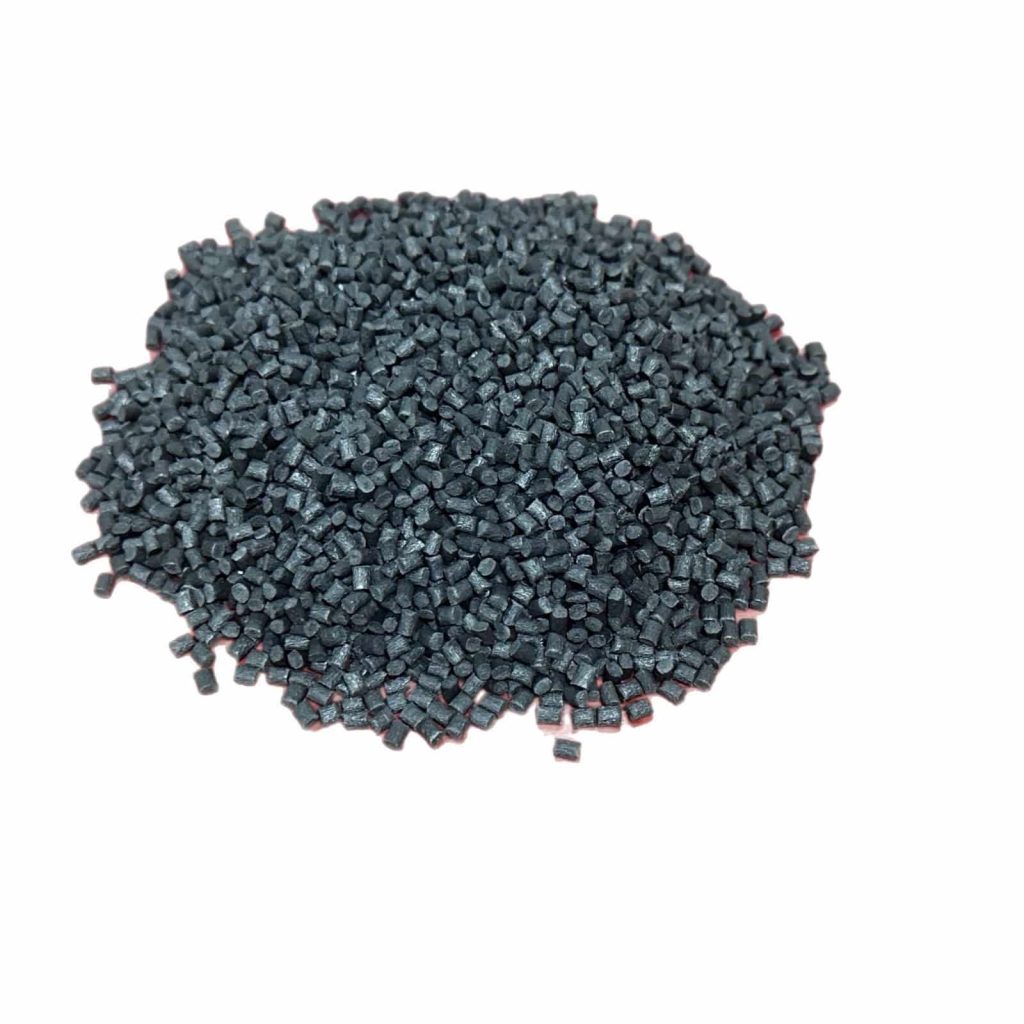
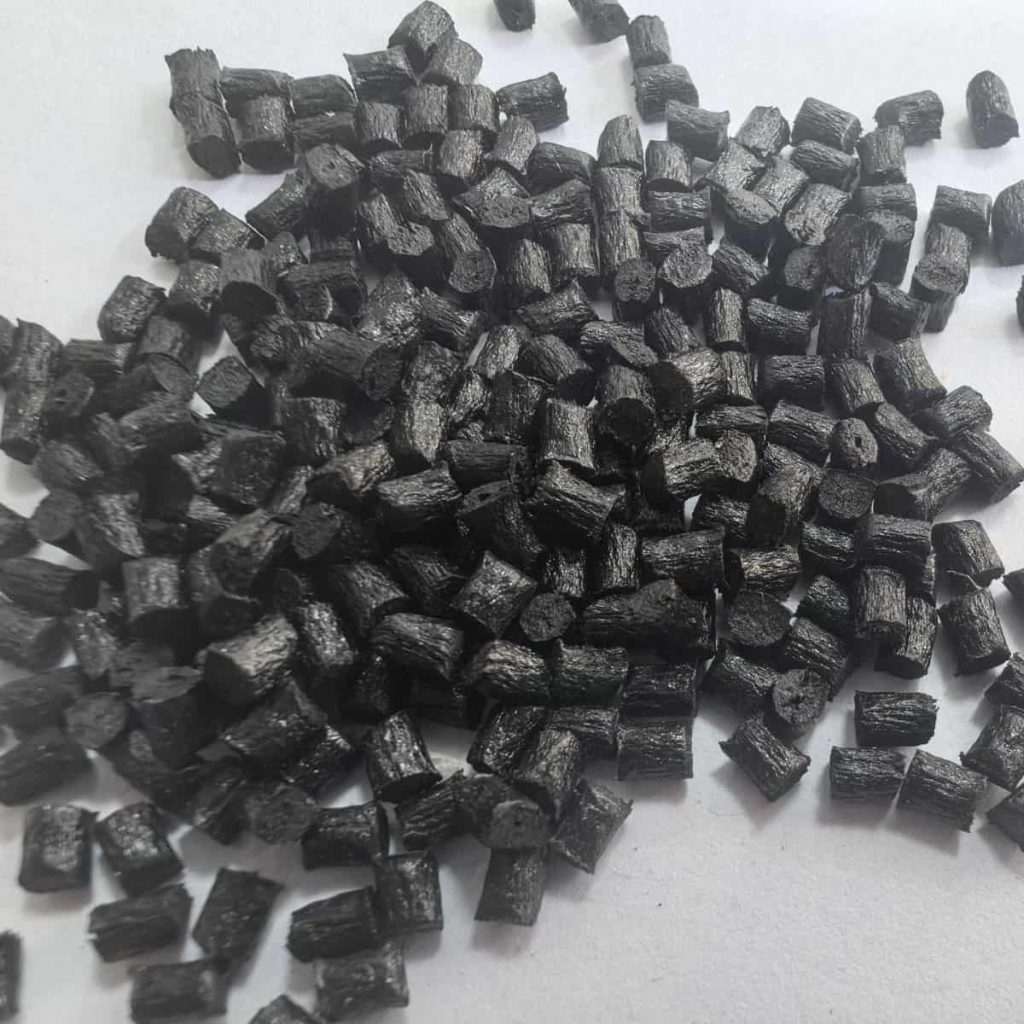
Core Physical Properties: Hardness and Heat Resistance
PA66 has higher molecular symmetry and a more tightly packed structure, resulting in higher crystallinity compared to PA6.
- Melting Point:
- PA66: Approx. 260°C – 265°C.
- PA6: Approx. 220°C – 225°C.
- Conclusion: If your part requires long-term exposure to high-temperature environments (such as under-the-hood automotive components), PA66 is the superior choice.
- Rigidity and Hardness: In a “Dry as Molded” (DAM) state, PA66 exhibits slightly higher modulus and hardness than PA6. However, PA6 offers better impact toughness, especially in low-temperature environments.
Moisture Absorption: The “Achilles’ Heel” of Nylon
All nylons are hygroscopic, meaning they absorb moisture, which acts as a “plasticizer” within the material.
- Absorption Rate: The equilibrium moisture absorption rate of PA6 is slightly higher than that of PA66 (under the same conditions, PA6 is approx. 2.8%, while PA66 is approx. 2.3%).
- Dimensional Stability: As nylon absorbs water, it expands in size; mechanical strength decreases while toughness increases. Because PA6 absorbs more water, its dimensional fluctuations are more pronounced than those of PA66.
- Decision Factor: For high-precision parts (such as precision gears), PA66 provides better stability.
Processing Performance and Surface Quality
This section is of critical importance to injection molding facilities.
- Flowability: PA6 has a lower melt viscosity and generally flows better than PA66. This makes it ideal for producing thin-walled or complex parts.
- Surface Appearance: Due to lower processing temperatures and a moderate cooling rate, PA6 typically provides a superior surface gloss compared to PA66.
- Shrinkage: While both have similar shrinkage rates, PA6 exhibits less anisotropy after modification (e.g., glass fiber reinforcement), resulting in a lower risk of warpage.
Technical Data Sheet (TDS) Comparison
| Property | Test Method | PA6 (Standard Grade) | PA66 (Standard Grade) |
| Melting Point | ISO 11357 | 222 °C | 262 °C |
| Tensile Modulus | ISO 527 | 2800 MPa | 3200 MPa |
| Notched Impact Strength | ISO 179 | 7.0 kJ/m² | 6.0 kJ/m² |
| Equilibrium Water Absorption | ISO 62 | 2.6 – 3.0% | 2.2 – 2.5% |
| HDT (@1.8MPa) | ISO 75 | 65 °C | 75 °C |
Typical Application Scenarios
The Strengths of PA6:
- Automotive Industry: Intake manifolds, engine covers, and structural brackets (usually reinforced with 30-50% glass fiber).
- Sporting Goods: Inline skate frames, bicycle components.
- Industrial Parts: Knobs, handles, and housings requiring high surface quality.
The Strengths of PA66:
- Electrical Engineering: Circuit breaker housings and connectors (leveraging higher heat resistance and insulation).
- High-Temp Environments: Automotive radiator end tanks and heavy-duty fasteners.
- Wear Components: Bearings and wear pads subjected to long-term pressure.
Cost and Market Supply (Insights from ZiJun Plastics)
In most market cycles, PA6 is more cost-effective than PA66. The supply of raw materials for PA66 (specifically adiponitrile) is highly concentrated among a few global giants, leading to volatile pricing and occasional supply shortages.
ZiJun Plastics’ Recommendation: If your application environment stays below 180°C and does not demand extreme dimensional precision, utilizing modified PA6 (such as glass fiber or mineral-filled grades) can often match or even exceed the performance of standard PA66 while reducing material costs by 15% – 25%.
Conclusion: Which One Should You Choose?
- Choose PA6 if you prioritize: Higher toughness, superior surface gloss, easier processing, and better cost-efficiency.
- Choose PA66 if you prioritize: Higher continuous-use temperatures, superior rigidity, and tighter dimensional stability.
As a professional engineering plastics supplier, ZiJun Plastics offers a full range of glass-fiber reinforced, flame-retardant, and toughened PA6 and PA66 materials. If you still have doubts about material selection for your project, contact our engineers for customized technical support.