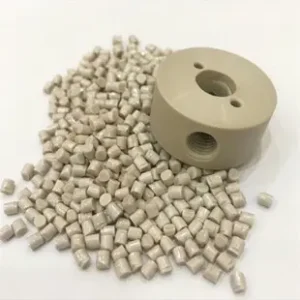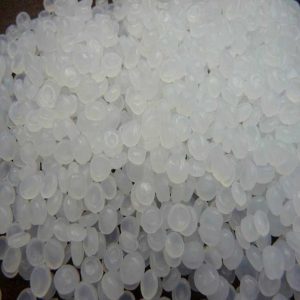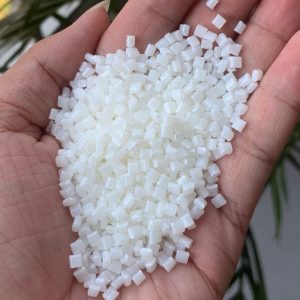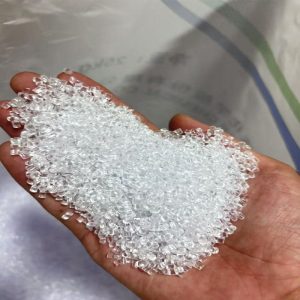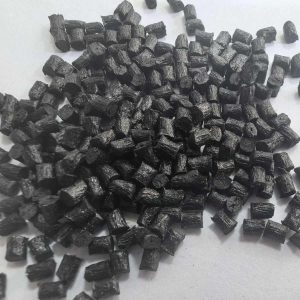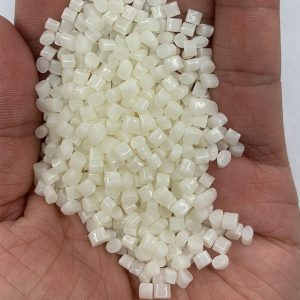
In injection molding, scrap rate has always been a key concern for manufacturers. Formosa AS NF2200, a high-flow styrene-acrylonitrile (SAN) resin produced by Formosa Chemicals in Taiwan, has long attracted attention from injection molding companies. As manufacturers increasingly require higher transparency, thin-wall parts, and complex molding efficiency, the number of application cases for NF2200 continues to grow.
Industry experts point out that traditional SAN resins often cause warpage, short shots, or dimensional instability in complex or thin-wall parts. NF2200’s high flow and balanced mechanical properties allow the molten resin to fill molds quickly and uniformly, minimizing defects and reducing scrap. Feedback from multiple clients shows production cycles are shortened by 15%-20%, with scrap rate reduced by an average of 10%-15%.
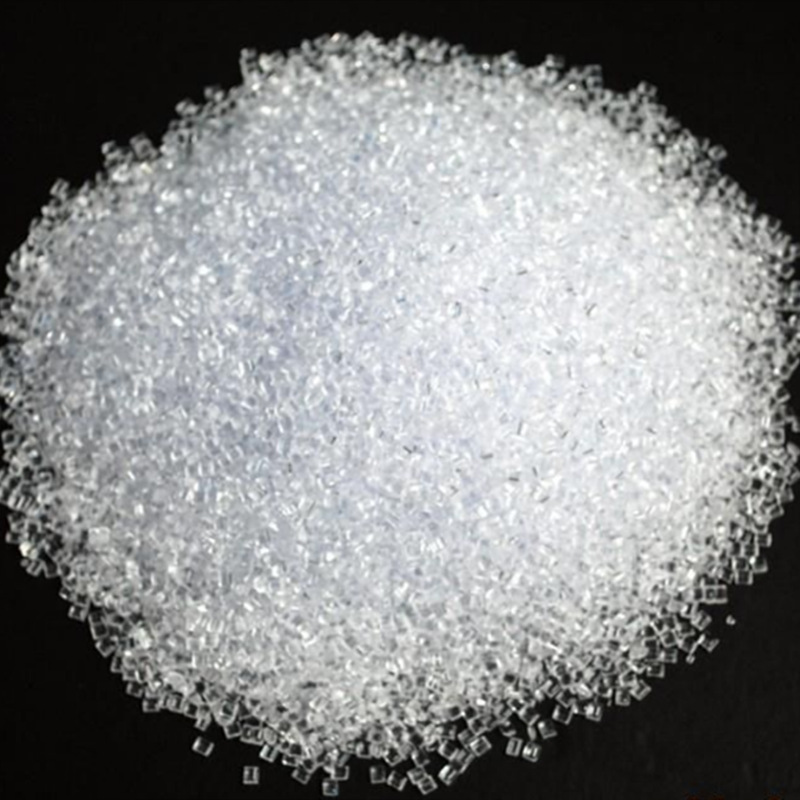
Key Advantages of NF2200 for Reducing Scrap Rate
- High Flowability: Quickly fills complex molds, reducing short shots and voids
- Dimensional Stability: Minimizes warpage, ensuring higher yield
- Excellent Transparency: Maintains uniform surface on thin-wall parts
- Compatible with Various Molding Techniques: Standard, precision, and high-speed injection molding
Application Examples
- Transparent Beverage Cups: Yield improved from 85% to 95%
- Cosmetic Caps: Fewer surface bubbles and short shots, reducing scrap
- Industrial Instrument Covers: Higher dimensional accuracy and surface finish, saving secondary processing costs
Conclusion
The use of Formosa AS NF2200 demonstrates that high-flow SAN resins not only improve injection efficiency but also significantly reduce scrap rate, helping manufacturers save costs and improve product quality. For injection molding companies seeking efficiency and high quality, NF2200 is a material worth considering.
FAQ
Q1: Is NF2200 suitable for all injection-molded parts?
A1: NF2200 is ideal for high-transparency, thin-wall, or complex parts. For extremely high-heat or chemical-resistant parts, compound formulations may be required.
Q2: How much scrap rate reduction can be expected?
A2: According to client feedback, scrap rate can be reduced by 10%-15%, depending on part design and molding parameters.
Q3: Are there specific molding requirements for NF2200?
A3: Recommended proper temperature control, injection speed, and mold cooling to fully utilize high flow characteristics.
Q4: What certifications does NF2200 have?
A4: Compliant with RoHS, UL94 HB, suitable for both consumer and industrial applications.